Zanskar Valley Travel Guide: A Journey to Ladakh's Remote Heart
Ladakh Travel & Expeditions
Explore the remote beauty of Zanskar Valley with our comprehensive travel guide. Discover how to reach, best time to visit, costs, and essential tips for an…
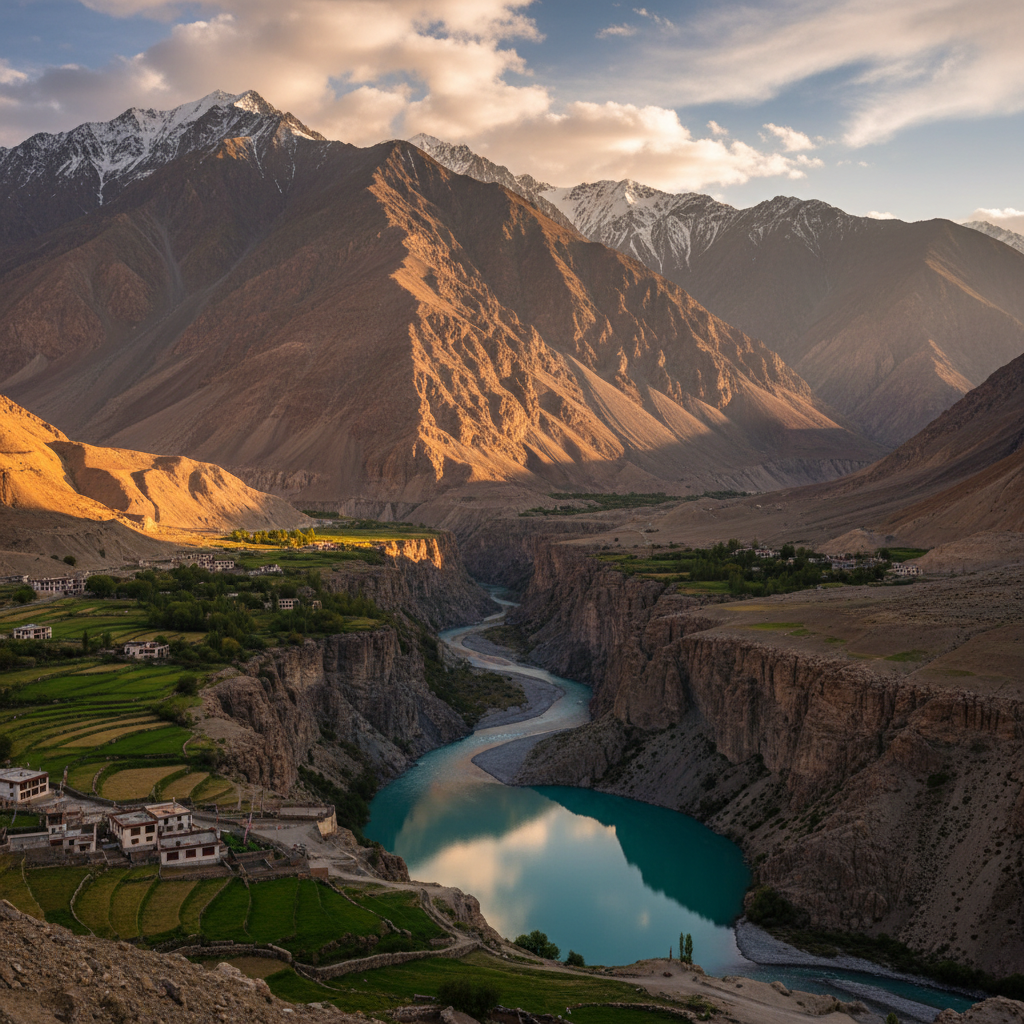
Zanskar Valley: An Introduction to Ladakh's Remote Wilderness
Zanskar Valley, nestled deep within the Zanskar Range in Ladakh, is a land of unparalleled raw beauty, rugged landscapes, and ancient Buddhist culture. Often referred to as one of the most isolated regions in the Indian Himalayas, it offers an adventure like no other. This is not a destination for casual tourists but for intrepid travellers seeking solitude, breathtaking vistas, and an authentic glimpse into high-altitude life. The valley is known for its dramatic gorges, moon-like terrain, traditional Zanskari villages, and historic monasteries clinging precariously to mountainsides. It's a place where time seems to slow down, and the grandeur of nature truly dominates. Your journey here will be challenging but incredibly rewarding, etching memories that last a lifetime. Prepare for rough roads, basic amenities, and an experience that disconnects you from the ordinary and reconnects you with yourself and nature.
When to Visit Zanskar Valley: Navigating the Seasons
The best time to visit Zanskar Valley is from late June to September. During these months, the snow has largely melted, making the high mountain passes like the formidable Pensi La (Pensi-la) accessible for vehicles. The weather is generally pleasant, with daytime temperatures ranging from 15°C to 25°C, though nights can still be chilly, dropping to 5°C or lower. This is also the period when the Chadar Trek (frozen river trek) is not possible, as the Zanskar River flows freely, perfect for rafting in certain sections. The landscape transforms from snow-covered peaks to a vibrant palette of green pastures and blooming wildflowers, offering stunning photographic opportunities. Beyond September, the passes begin to close due to early snowfall, making road travel extremely difficult or impossible. Winter, from October to May, sees the valley completely isolated by heavy snow, accessible only via the challenging Chadar Trek over the frozen Zanskar River. If you're planning a road trip, stick to the summer months for optimal conditions and accessibility.
Getting to Zanskar Valley: Routes and Transport Options
Reaching Zanskar Valley is an adventure in itself, typically involving a journey from Leh. The most common and accessible route is via Kargil. From Leh, you first drive to Kargil (approximately 210 km, 5-6 hours). This leg of the journey takes you over the Fatu La pass and offers spectacular views. After an overnight stay in Kargil, the next day involves the more challenging drive to Padum, the administrative centre of Zanskar (approximately 240 km, 10-12 hours). This route traverses the high-altitude Pensi La pass (4,400 meters or 14,436 feet), which usually opens in late June. The road conditions can be very rough, with unpaved sections, water crossings, and rocky terrain, requiring a sturdy vehicle like a 4x4 or a reliable SUV. Public transport includes shared taxis or local buses from Kargil to Padum, though services are infrequent and subject to road conditions. Always inquire locally in Kargil for the latest schedules and road status before planning your onward journey. Another less common and more challenging route from Manali via Darcha and Shinku La pass is emerging, but it's typically open for a shorter window and is even more remote.
Zanskar Valley Itinerary: A Suggested 5-7 Day Exploration
A typical 5 to 7-day itinerary for Zanskar Valley, starting from Leh, allows for a comprehensive experience. Day 1: Leh to Kargil (210 km, 5-6 hours drive). Explore Kargil and acclimatize. Day 2: Kargil to Padum (240 km, 10-12 hours drive), crossing the Pensi La. Settle into Padum. Day 3: Explore Padum and nearby monasteries like Karsha Gompa (7-8 km), Pipiting Monastery, and Sani Monastery (6 km). Karsha is particularly impressive, one of the largest and oldest monasteries in Zanskar. Day 4: Day trip to Stongdey Monastery (18 km from Padum) and Zangla Palace. Stongdey offers panoramic views of the valley. Day 5: Visit Phugtal Monastery (Phuktal Gompa), an extraordinary monastery built into a cave. This requires a drive to a trailhead near Anmu or Dorzong and then a 2-3 hour trek each way. This is a highlight and truly showcases Zanskar's unique spiritual heritage. Day 6: Padum back to Kargil. Day 7: Kargil back to Leh. This itinerary is flexible and can be extended for trekking or deeper exploration of villages like Ating and Tungri. Always account for potential road closures or delays due to weather, especially on the Pensi La.
Costs and Budgeting for Your Zanskar Adventure
A trip to Zanskar Valley requires careful budgeting due to its remote nature. For a 5-7 day trip from Leh, excluding flights to Leh, expect costs to range from INR 25,000 to INR 50,000 per person, depending on your travel style and group size. A private hired taxi for the entire Leh-Kargil-Padum-Kargil-Leh circuit can cost approximately INR 35,000 - INR 50,000 for a 7-day trip, which can be split among 3-4 passengers. Shared taxis from Kargil to Padum are more economical, around INR 1,500 - INR 2,500 per person one-way. Accommodation in Padum usually consists of guesthouses or homestays, with prices ranging from INR 1,000 to INR 3,000 per night, including basic meals. Food costs are reasonable, typically INR 500 - INR 1,000 per day for simple, local meals. Monastery entry fees are minimal, usually INR 30 - INR 100 per person. Factor in costs for any trekking guides (if applicable) and a buffer for unexpected expenses like vehicle repairs or delays. Always carry enough cash, as ATMs are scarce, with the main one being in Padum, and it may not always be operational.
Where to Stay and Eat in Zanskar Valley
Accommodation options in Zanskar Valley are basic but comfortable, primarily concentrated in Padum. You'll find several guesthouses and homestays offering a warm Zanskari welcome. These typically provide clean rooms, sometimes with attached basic bathrooms, and hot water may be available on request or in buckets. Expect simple beds and blankets; it's wise to carry your own sleeping bag liner for added comfort. Some popular guesthouses include Hotel Ibex, Marq Hotel, and various local homestays. Booking in advance, especially during peak season (July-August), is advisable, though walk-ins are often accommodated. For food, most guesthouses offer a fixed menu, often including local staples like Thukpa (noodle soup), Momos (dumplings), and simple rice and lentil dishes. There are a few small eateries and dhabas in Padum that serve Indian and Tibetan fare. While vegetarian options are abundant, non-vegetarian choices might be limited. Always drink boiled or filtered water, and try the local butter tea for an authentic taste of Zanskari hospitality. Remember, the focus here is on the experience and the landscape, not luxury dining or elaborate stays.
Essential Packing List for Your Zanskar Expedition
Packing strategically is crucial for a comfortable and safe Zanskar trip. Given the high altitude and variable weather, layerable clothing is key. Include warm thermal wear (base layers), fleece jackets, a heavy down jacket, and waterproof and windproof outer layers. Sturdy trekking boots with good ankle support are essential, along with extra socks (wool or synthetic). Don't forget a wide-brimmed hat, sunglasses with UV protection, and high-SPF sunscreen, as the sun at altitude is intense. A good quality backpack (40-60 litres) for your belongings and a smaller daypack for daily excursions are recommended. Carry a first-aid kit with personal medications, pain relievers, antiseptic wipes, bandages, and especially Diamox (after consulting your doctor) for altitude sickness. Other essentials include a headlamp or flashlight, power bank for electronics, water bottle (reusable to reduce plastic waste), toiletries, and enough cash in smaller denominations. A camera with extra batteries is a must for capturing the stunning scenery. Due to limited facilities, carrying basic snacks like energy bars and nuts is also a good idea.
Safety, Permits, and Local Etiquette in Zanskar
Safety in Zanskar is paramount. Acclimatization is vital to prevent Acute Mountain Sickness (AMS). Spend a couple of days in Leh before heading to Zanskar. Stay hydrated, avoid alcohol and strenuous activity on arrival. Carry necessary medications for AMS. Road conditions are challenging, so ensure your driver is experienced with mountain terrain. Always check local road conditions before departure from Kargil. For permits, Indian nationals do not require an Inner Line Permit for Zanskar itself, but foreign nationals generally do for various parts of Ladakh, which can be obtained online or in Leh. It's always best to check the latest regulations from the District Magistrate's office in Leh. When interacting with locals, always ask for permission before taking photographs, especially of people or inside monasteries. Dress modestly, particularly when visiting religious sites. Remove your shoes before entering gompas, and walk clockwise around stupas and prayer wheels. Respect the fragile environment by not littering and adhering to responsible tourism practices. The local Zanskari people are warm and hospitable, and a little respect goes a long way in fostering positive interactions. Mid Holidays recommends travelling with a reliable tour operator who can handle logistics and ensure your safety throughout this incredible journey.
Related Kashmir Guides & Services
<p>Planning the rest of your trip? These Mid Holidays guides pair well with this article:</p><ul><li><a href="/blog/leh-cab-service-reliable-journeys">Leh Cab Service: Your Guide to Reliable Journeys in Ladakh with Mid Holidays</a></li><li><a href="/blog/pampore-saffron-fields-visit-guide">Pampore Saffron Fields Visit Guide: Kashmir's Golden Bloom</a></li><li><a href="/blog/leh-to-turtuk-taxi-your-ultimate-border-village-guide">Leh to Turtuk Taxi: Your Ultimate Border Village Guide</a></li><li><a href="/blog/kishtwar-travel-guide-kashmir-hidden-paradise">Kishtwar Travel Guide: Explore Kashmir's Hidden Paradise with Mid Holidays</a></li><li><a href="/blog/leh-cab-booking-ultimate-guide-adventure">Leh Cab Booking: Your Ultimate Guide for a Seamless Ladakh Adventure</a></li></ul>
Frequently Asked Questions
Is Zanskar Valley safe for solo female travellers?
Zanskar Valley is generally considered safe for solo female travellers, especially during the main tourist season. The local communities are welcoming, and crime rates are extremely low. However, due to its remote nature and challenging terrain, it's advisable to travel with a reliable tour operator or in a group. Always inform someone of your itinerary, avoid venturing alone into very isolated areas, and respect local customs. Basic guesthouses are available, but don't expect extensive services.
Are there ATMs or petrol pumps available in Zanskar Valley?
There is a single ATM in Padum, the administrative center of Zanskar Valley, but it is often out of service or out of cash. It is highly recommended to carry enough cash from Leh or Kargil for your entire trip. Similarly, there is one petrol pump in Padum, but its availability of fuel can be erratic. Travelers should fill up their vehicle's tank in Kargil and carry extra fuel in jerry cans as a precaution, especially if planning extensive exploration within Zanskar.
What is the Chadar Trek and how does it relate to Zanskar Valley?
The Chadar Trek is a famous winter trek over the frozen Zanskar River, allowing access to the Zanskar Valley when all roads are blocked by snow. It's an adventurous and challenging expedition, typically undertaken from January to February. Trekkers walk on the thick sheet of ice (Chadar) formed by the frozen river. This trek is for experienced trekkers and is a completely different experience from visiting Zanskar by road in the summer months.
What type of food can I expect in Zanskar Valley?
Food in Zanskar Valley is simple, hearty, and largely influenced by Tibetan cuisine. Expect staples like Thukpa (noodle soup), Momos (dumplings), Skyu (a local stew made with kneaded dough and vegetables), and various lentil and rice dishes. Most meals are served in guesthouses or small local eateries in Padum. Vegetarian options are widely available, and local bread and butter tea are common. Don't expect a wide variety of cuisines.
Do I need special permits to visit Zanskar Valley?
Indian nationals generally do not require an Inner Line Permit (ILP) to visit Zanskar Valley itself, but you may need one if you plan to visit other restricted areas in Ladakh before or after. Foreign nationals, however, typically require an ILP for various parts of Ladakh, which can be obtained online or from the District Magistrate's office in Leh. It's crucial to check the latest permit requirements before your trip, as regulations can change.
What are the common road conditions from Kargil to Padum?
The road from Kargil to Padum, particularly after crossing the Pensi La pass, is notoriously challenging. Expect a mix of paved, unpaved, gravel, and rough dirt sections. There can be numerous water crossings, rocky patches, and narrow stretches. Landslides are also possible, especially after rain. A 4x4 vehicle or a robust SUV with good ground clearance is highly recommended. The journey is slow and requires patience and an experienced driver.