Khardung La Pass Complete Guide: Conquering the Himalayan Giant
Ladakh Travel Guide
Planning a trip to Khardung La Pass? Our complete guide covers routes, best time to visit, permits, packing tips, and essential safety information for an…
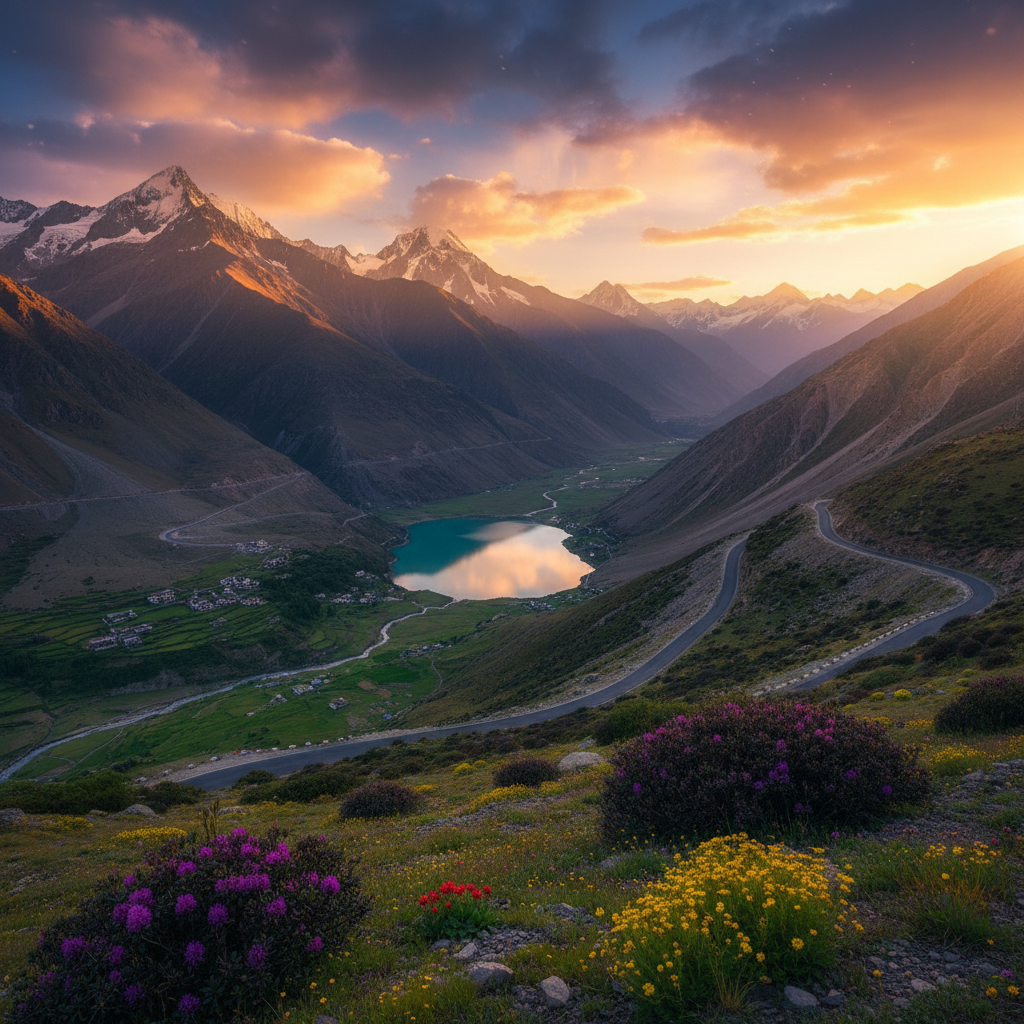
Khardung La Pass: Your Ultimate Journey to the Top of the World
Khardung La Pass, often referred to as Khardung Pass or K-Top, stands as a legendary landmark in Ladakh, connecting Leh with the captivating Nubra and Shyok Valleys. At an official altitude of 17,582 feet (5,359 meters), it's a dream destination for many adventurers, bikers, and travelers seeking the thrill of traversing one of the world's highest motorable passes. The journey to Khardung La is as iconic as the pass itself, offering breathtaking panoramic views of the Karakoram Range and the Indus Valley. This guide is crafted to provide you with all the practical insights and local wisdom you need for a safe, enjoyable, and unforgettable trip to Khardung La. From understanding the challenging terrain and weather patterns to navigating permit requirements and managing altitude, we've got you covered. Remember, while the achievement of reaching the top is immense, the true beauty lies in the journey through Ladakh's rugged, majestic landscapes.
Who Should Visit Khardung La and What to Expect?
Khardung La is a must-visit for adventure seekers, photography enthusiasts, and anyone looking to experience the raw grandeur of the Himalayas. Bikers, in particular, flock here to conquer its challenging roads and earn bragging rights. If you're someone who appreciates dramatic landscapes, high-altitude deserts, and the thrill of a road less traveled, then Khardung La should be on your Ladakh itinerary. However, it's not for the faint of heart. Expect steep ascents, winding roads, occasional rough patches, and extremely thin air. The weather can change rapidly, from bright sunshine to snow flurries within minutes, even in peak season. The journey typically starts from Leh, a gradual climb that allows for some acclimatization. Once at the summit, you'll find a small army souvenir shop, a cafe, and the iconic signboard marking the pass. The feeling of being 'on top of the world' is truly exhilarating, but always prioritize safety and listen to your body, especially regarding altitude sickness. The views of the surrounding mountains and valleys, including the meandering Shyok River, are simply spectacular and worth every effort.
Best Time to Visit Khardung La Pass: Seasons and Conditions
The best time to visit Khardung La Pass is generally from May to October. During these months, the pass is open for traffic, and the weather is relatively milder, though still unpredictable at high altitudes. Early May might see some residual snow, but the roads are usually cleared. June to September offers the most stable conditions, with clear skies being more common, making for excellent visibility and photography opportunities. However, this is also peak tourist season, so expect more traffic. October brings crisp, cold air and the chance of early snowfall, making the landscape even more dramatic but also increasing the challenges of driving. Winter months (November to April) see Khardung La closed for most vehicles due to heavy snowfall, making the roads treacherous and impassable. While some adventurous souls might attempt it in late April or early November with specialized vehicles, for the average traveler, sticking to the May-October window is highly recommended for safety and accessibility. Always check local road status before embarking on your journey.
Essential Permits and How to Obtain Them
To visit Khardung La Pass and proceed into Nubra Valley, all non-local tourists (Indian and foreign nationals) require an Inner Line Permit (ILP). This permit is crucial and must be obtained before your journey. For Indian nationals, the ILP is relatively straightforward to acquire. You can apply online through the official Ladakh administration website (lahdcleh.in) or visit the District Commissioner's office in Leh. Applying online is generally more convenient, allowing you to fill out the form, upload necessary documents like a government-issued ID (Aadhaar, Voter ID, Passport), and pay the environmental fee (around INR 400 per person) and red cross fee (INR 100 per person, valid for 7 days) digitally. Once approved, print multiple copies of your permit, as you'll need to submit them at various checkposts along the route, including one just before Khardung La. Foreign nationals also need to apply for a Protected Area Permit (PAP) through a registered travel agent, specifying their itinerary. Processing typically takes a day or two, so plan accordingly. Never travel without a valid permit, as you will be stopped and turned back at checkposts.
Getting There: Routes, Road Conditions, and Transport Options
The journey to Khardung La typically starts from Leh. The distance is approximately 39 kilometers. There are two main routes once you leave Leh: the older, more direct route via Phyang and the newer, slightly longer but often better-maintained route via South Pullu. Both converge before the final ascent. The road conditions can vary significantly; while the Leh-South Pullu stretch is usually paved and relatively smooth, the climb to Khardung La and the descent towards North Pullu (towards Nubra Valley) can feature rough patches, gravel, potholes, and even slush or ice, especially near the top. Heavy snowmelt or rain can make conditions even more challenging. Public transport to Khardung La itself is limited, usually involving shared taxis or buses heading to Nubra Valley. The most common and recommended options are hiring a private taxi from Leh (which can cost anywhere from INR 3,000 to INR 6,000 for a round trip to Khardung La and back, or more if continuing to Nubra) or joining an organized group tour. Many travelers also opt for rented motorcycles, but this requires significant riding experience in challenging terrains and proper gear. Always ensure your vehicle is well-maintained and that you have a skilled driver or are confident in your riding abilities. Allow ample time for the journey, factoring in photo stops and potential traffic at checkposts.
Altitude Sickness and Safety Measures at Khardung La
Altitude sickness, or Acute Mountain Sickness (AMS), is a serious concern at Khardung La's elevation. Symptoms can range from mild headaches and nausea to severe conditions like High-Altitude Pulmonary Edema (HAPE) or High-Altitude Cerebral Edema (HACE). To minimize risks, acclimatize properly in Leh for at least 2-3 days before attempting the pass. Stay hydrated by drinking plenty of water, avoid alcohol and smoking, and eat light meals. Do not overexert yourself. At Khardung La, limit your stay to a maximum of 20-30 minutes, as prolonged exposure to thin air can be detrimental. Look out for symptoms like severe headache, dizziness, extreme fatigue, shortness of breath at rest, or confusion in yourself or your travel companions. If symptoms worsen, descend immediately to a lower altitude. Carry basic first-aid, including pain relievers and any personal medications. It's also advisable to carry portable oxygen cans, available in Leh. The Indian Army maintains a presence at the pass, offering some basic medical assistance if needed. Always travel with a fully charged phone and inform someone of your travel plans. Road safety is paramount; drive slowly, especially on curves, and be aware of other vehicles and unpredictable road conditions.
Packing for Khardung La: What to Wear and Carry
Preparing for Khardung La requires smart packing due to the extreme and unpredictable weather. Even in summer, temperatures at the pass can drop significantly, especially with the wind chill. Layering is key: start with thermal innerwear, add a warm fleece or wool sweater, and top it with a waterproof and windproof jacket. A warm hat, gloves, and thick socks are indispensable. Sunglasses are essential to protect your eyes from intense UV radiation, and a good quality sunscreen with high SPF is a must to prevent sunburn. Lip balm with SPF will protect against chapped lips. Comfortable, sturdy, waterproof shoes with good grip are recommended, as you might encounter snow or slush. Carry a small backpack with essentials: your Inner Line Permit copies, ID, water bottle (reusable is best!), some high-energy snacks like chocolates or nuts, a basic first-aid kit, and any personal medications. A camera with extra batteries is a given for capturing the stunning vistas. Consider carrying a power bank for your phone, as charging points might be scarce. Lastly, always keep a small trash bag to carry your waste back, helping preserve Ladakh's pristine environment.
Beyond Khardung La: Extending Your Journey to Nubra Valley
Khardung La Pass is often just a gateway to the mesmerizing Nubra Valley, a region of stark contrasts and unique attractions. After descending from the pass, you'll enter a landscape characterized by the Shyok River, sand dunes, and charming villages. The popular destinations in Nubra include Diskit, famous for its majestic Buddha statue overlooking the valley and the ancient Diskit Monastery. Hunder village is renowned for its cold desert landscape and the double-humped Bactrian camels, offering unique safari experiences on the sand dunes. Further afield, Turtuk, a village close to the Indo-Pak border, offers a glimpse into Balti culture and stunning apricot orchards. For those seeking more solitude, Panamik is known for its hot springs. Most travelers spend a night or two in Nubra Valley, with options ranging from guesthouses in Diskit and Hunder to comfortable camps. Extending your trip to Nubra allows for a more relaxed exploration of this incredible region, making the challenging journey over Khardung La even more rewarding. Remember to book your accommodation in advance, especially during peak season, and ensure your ILP covers all the areas you plan to visit. Mid Holidays can assist in crafting a tailored itinerary that includes these captivating extensions, ensuring a seamless and enriching Ladakh experience.
Related Kashmir Guides & Services
<p>Planning the rest of your trip? These Mid Holidays guides pair well with this article:</p><ul><li><a href="/blog/leh-to-chang-la-taxi-service">Leh to Chang La Taxi Service: Your Ultimate High-Altitude Journey Guide</a></li><li><a href="/blog/razdan-pass-kashmir-travel-guide">Razdan Pass Kashmir: Your Ultimate Guide to a Hidden Gem</a></li><li><a href="/blog/peer-ki-gali-kashmir-travel-guide">Peer Ki Gali Kashmir: The Ultimate Travel Guide to Pir Panjal Pass</a></li><li><a href="/blog/how-to-reach-peer-ki-gali">How to Reach Peer Ki Gali: Your Ultimate Guide to This Scenic Pass</a></li><li><a href="/blog/leh-to-diskit-taxi-travel-guide">Leh to Diskit Taxi: Your Ultimate Guide to a Nubra Valley Journey</a></li></ul>
Frequently Asked Questions
Is Khardung La really the highest motorable pass in the world?
Historically, Khardung La was widely publicized as the highest motorable pass at over 18,300 feet. However, modern GPS measurements, confirmed by BRO (Border Roads Organisation), place its actual elevation at 17,582 feet (5,359 meters). While still incredibly high and a remarkable engineering feat, there are other motorable passes in the region, such as Umling La (19,024 feet), that are now recognized as higher. Regardless, the experience and views from Khardung La remain unparalleled and truly 'top of the world'.
How long can I stay at the Khardung La Pass summit?
Due to the extremely high altitude and thin air, it is strongly recommended to limit your stay at the Khardung La Pass summit to a maximum of 20-30 minutes. Prolonged exposure can significantly increase the risk of Acute Mountain Sickness (AMS) or worsen existing symptoms. It's best to quickly take your photographs, enjoy the view, perhaps grab a quick cup of tea from the small cafe, and then begin your descent to a lower altitude like Nubra Valley or back to Leh.
Are there any facilities available at Khardung La Pass?
Yes, there are limited facilities available at the Khardung La Pass summit. You'll find a small cafe run by the Indian Army that offers hot tea, coffee, and basic snacks. There's also a souvenir shop where you can purchase memorabilia. Basic toilet facilities are usually available but can be very rudimentary. An Indian Army medical post is also present for any immediate emergencies related to altitude sickness. However, do not expect elaborate amenities; it's a high-altitude outpost.
Can I travel to Khardung La Pass with children or elderly family members?
Traveling to Khardung La with young children (especially infants) or elderly individuals requires extreme caution and prior medical consultation. Their bodies are more susceptible to altitude sickness. It is generally not recommended for infants or those with pre-existing heart or respiratory conditions. For others, ensure they are properly acclimatized in Leh for at least 3 days, stay hydrated, and monitor them closely for any signs of discomfort or AMS. Always err on the side of caution.
Is it safe to ride a motorcycle to Khardung La Pass?
Riding a motorcycle to Khardung La can be an exhilarating experience but demands significant riding expertise and careful planning. The roads are challenging, with steep gradients, sharp turns, unpaved sections, and unpredictable weather. Ensure your motorcycle is well-maintained, and you wear appropriate protective gear, including a helmet, riding jacket, gloves, and sturdy boots. Always ride at a moderate speed, especially on curves, and be prepared for changing road conditions. It's not recommended for novice riders.
What is the mobile network and internet connectivity like at Khardung La?
Mobile network connectivity at Khardung La Pass is generally very poor to non-existent. While you might get a sporadic signal from postpaid BSNL or Jio networks around Leh and some parts of Nubra Valley, do not rely on it at the summit of Khardung La. Prepaid SIM cards from outside Jammu & Kashmir do not work in Ladakh. It is advisable to inform your family or friends of your limited connectivity when planning your trip to the pass and Nubra Valley. Carry essential contacts on paper.
What is the military presence at Khardung La Pass?
Khardung La is strategically very important, connecting Leh to the Siachen Glacier. Therefore, there is a significant and visible presence of the Indian Army at the pass. They are responsible for maintaining the roads, assisting travelers, and providing basic medical aid. You'll often see soldiers patrolling, and there are designated checkposts where you must show your Inner Line Permit. Their presence ensures safety and security in this remote and high-altitude region.