Leh Ladakh Best Time to Visit Month-Wise: Your Ultimate Guide
Ladakh Seasonal Travel Guide
Planning your dream trip to Leh Ladakh? Discover the best time to visit month-wise, considering road conditions, weather, and activities. Mid Holidays helps…
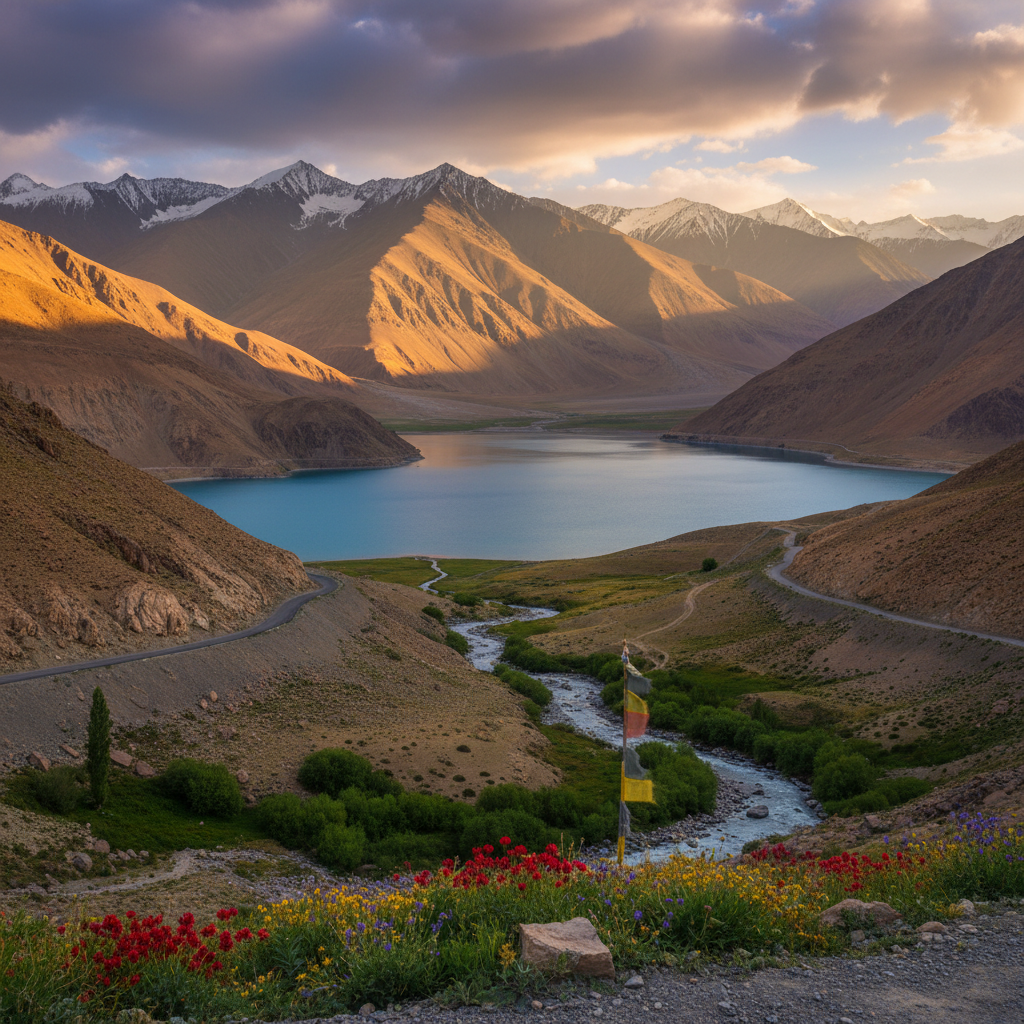
Understanding Leh Ladakh's Seasons: A Quick Overview
Leh Ladakh, often called the 'Land of High Passes,' offers a distinct charm in every season. This high-altitude desert region, nestled in the Indian Himalayas, experiences extreme weather variations, making the timing of your visit crucial for a fulfilling experience. Generally, the travel season can be divided into three main periods: the brief but vibrant summer (June to September), the challenging but magical winter (October to May), and the shoulder months that offer unique transitional experiences. Your choice depends heavily on what you want to see and do. Are you dreaming of clear skies and open roads for a bike trip, or do you envision snow-covered landscapes and frozen lakes for a serene winter escape? Each month presents a different face of Ladakh, from lush valleys fed by melting snow to stark, frozen beauty. Being prepared for these variations is key to enjoying this spectacular destination, whether you're a thrill-seeker, a culture enthusiast, or simply looking for tranquility amidst towering peaks.
Summer in Ladakh (June to September): The Peak Season Explained
Summer is undeniably the most popular time to visit Leh Ladakh, primarily because both major road routes – the Srinagar-Leh Highway (NH 1D) and the Manali-Leh Highway – are fully open, offering breathtaking scenic drives. June sees the roads newly cleared, with some residual snow patches at high passes like Khardung La and Chang La, adding to the adventure. By July and August, the weather is at its most pleasant, with daytime temperatures ranging from 15°C to 25°C, making it ideal for sightseeing, trekking, and motorbiking. While technically a high-altitude desert, Ladakh does receive some monsoon showers, primarily in July and August, but these are generally light and short-lived, rarely disrupting travel significantly. The landscape transforms, with some valleys turning greener, and festivals like Hemis and Phyang taking place, offering vibrant cultural insights. This is the best time for those seeking comfortable travel, a wide range of activities, and accessible routes, though it's also when you'll find the most tourists and higher prices for accommodation and services.
Autumn in Ladakh (October to November): A Different Kind of Beauty
As September draws to a close, Ladakh begins its transition into autumn, a shoulder season that many seasoned travelers consider ideal for its unique charm and fewer crowds. October brings crisp, clear skies, pleasant daytime temperatures around 5°C to 15°C, and breathtaking golden hues as poplar and apricot trees turn color in the valleys. The air is exceptionally clean, offering unparalleled views of the mountain ranges. Both the Srinagar-Leh and Manali-Leh highways remain open for most of October, though weather at high passes can become unpredictable towards the end of the month, with early snowfall a possibility. By November, temperatures start to drop significantly, often dipping below freezing, and the Manali-Leh highway usually closes by mid-month. The Srinagar-Leh highway might remain open longer but becomes more challenging. This period is perfect for photographers, trekkers who prefer cooler weather, and those looking for a quieter, more reflective Ladakh experience before the harsh winter sets in. Expect fewer choices in terms of accommodation and dining compared to peak summer, but also more authentic local interactions.
Winter in Ladakh (December to February): The Frozen Wonderland
Winter in Leh Ladakh is an experience unlike any other, transforming the region into a frozen wonderland, albeit one that demands thorough preparation and a resilient spirit. From December to February, temperatures plunge, often reaching -15°C to -30°C. The Manali-Leh highway is completely shut, and the Srinagar-Leh highway is also closed for extended periods due to heavy snowfall at Zoji La. Air travel remains the only reliable way to reach Leh. This season is synonymous with the Chadar Trek, the famous frozen river trek on the Zanskar River, which usually runs from mid-January to late February. Pangong Tso and other high-altitude lakes completely freeze over, creating stunning, surreal landscapes. Wildlife spotting, especially of the elusive snow leopard, becomes a possibility as animals descend to lower altitudes. While most guesthouses and restaurants close, some remain open, offering a truly local experience. This is the season for adventure enthusiasts, extreme photographers, and those seeking profound solitude in a starkly beautiful, snow-covered realm. It requires careful planning, proper cold-weather gear, and an understanding of the challenges of high-altitude winter travel.
Spring in Ladakh (March to May): Thawing Landscapes and Renewed Life
Spring in Ladakh, from March to May, is a period of transition, where the land slowly awakens from its winter slumber. Early March still feels very much like winter, with temperatures hovering around -5°C to 5°C, and snow covering most of the landscape. However, as April progresses, the snow begins to melt, revealing the barren yet beautiful terrain beneath. The Srinagar-Leh highway typically opens towards the end of April or early May, depending on snow clearance at Zoji La, making it the first road access to Ladakh. The Manali-Leh highway usually opens later, by late May or early June. Daytime temperatures rise to a comfortable 5°C to 15°C by May, and migratory birds start returning to the wetlands. This is an excellent time for photography as the melting snow creates dramatic contrasts, and the valleys start to show hints of green. Crowds are fewer than in summer, making it a good choice for those who prefer a quieter experience with the advantage of road access becoming available. Expect some facilities to still be opening up, but major tourist spots and guesthouses will be operational, especially by late May.
Month-Wise Breakdown for Ideal Planning
To help you pinpoint the perfect time, here's a month-wise breakdown: 1. January-February: Deep winter. Best for Chadar Trek, snow leopard expeditions. Air travel only. Extreme cold. 2. March: Transition month. Very cold, some areas still under heavy snow. Srinagar-Leh highway clearance starts. Good for those seeking solitude. 3. April: Still chilly, but days are getting longer. Srinagar-Leh highway often opens. Good for early season cultural tours. Fewer crowds. 4. May: Pleasant weather begins. Both highways likely open by late May. Moderate crowds. Ideal for road trips and early treks. 5. June-August: Peak summer. Warmest weather, all roads open, bustling with tourists. Best for all activities, but expect crowds and higher prices. 6. September: Autumn begins. Clear skies, pleasant days, cool nights. Fewer crowds than peak summer. Excellent for photography and trekking. Both highways still open. 7. October: Crisp autumn. Golden foliage, very clear views. Manali-Leh highway might close late October. Less crowded. Ideal for cultural exploration. 8. November: Winter approaching fast. Very cold. Srinagar-Leh highway might close. Air travel becomes primary. Good for experiencing the start of winter without extreme cold. 9. December: Winter. Snowfall begins. Air travel only. Preparation for Chadar Trek season. Very few tourists. This detailed breakdown allows you to align your travel goals with Ladakh's seasonal offerings, ensuring an unforgettable journey.
Choosing Your Best Time: Activity vs. Season
Your 'best time to visit' Leh Ladakh truly depends on your priorities. If you are an adventure motorcyclist, the window from June to September offers the most reliable road conditions and pleasant temperatures for navigating the high passes. Trekkers, whether tackling challenging routes or shorter day hikes, will find June to September comfortable, with September being particularly rewarding for its clear air and stable weather. For those dreaming of the unique Chadar Trek experience, January and February are the only options, demanding rigorous physical preparation and mental fortitude. Cultural enthusiasts might find the summer months appealing due to the numerous monastic festivals, though shoulder seasons like May and September offer a more intimate experience with fewer crowds. Wildlife photographers targeting the elusive snow leopard will aim for the deep winter months when the leopards descend to lower altitudes in search of prey. If scenic photography is your passion, spring (May) with melting snow and emerging green, or autumn (September-October) with golden trees and pristine blue skies, offers spectacular backdrops. Weigh what you want to achieve against the seasonal conditions to pick your perfect month, ensuring you have the right gear and expectations for your chosen adventure. Consider a specialized Mid Holidays package designed around your preferred season.
Essential Tips for Planning Your Ladakh Trip
Regardless of when you decide to visit, certain planning essentials remain constant for a smooth Leh Ladakh trip. Firstly, acclimatization is paramount due to the high altitude. Spend at least 1-2 days in Leh upon arrival before venturing to higher passes or lakes to avoid Acute Mountain Sickness (AMS). Stay hydrated, avoid alcohol and strenuous activity on your first day. Secondly, pack appropriately for the season; even in summer, nights can be chilly, and layers are always recommended. For winter, specialized cold-weather gear is a must. Thirdly, book your flights and accommodation well in advance, especially during peak season, as options can be limited. For road trips, verify road conditions with local authorities or reliable tour operators like Mid Holidays before you start, as weather can change rapidly at high altitudes. Carry sufficient cash, as ATMs are scarce outside Leh, and network connectivity can be spotty. Lastly, travel with an open mind and respect local customs and the fragile environment. Always remember to carry back any non-biodegradable waste you generate, contributing to responsible tourism in this pristine land.
Related Kashmir Guides & Services
<p>Planning the rest of your trip? These Mid Holidays guides pair well with this article:</p><ul><li><a href="/blog/best-month-to-visit-gurez-valley">Best Month to Visit Gurez Valley: Your Ultimate Mid Holidays Guide</a></li><li><a href="/blog/best-time-vaishno-devi-yatra">Best Time for Vaishno Devi Yatra: Your Ultimate Guide (2026)</a></li><li><a href="/blog/kashmir-summer-vs-winter-travel-guide">Kashmir in Summer vs Winter: Which Season is Best For Your Trip?</a></li><li><a href="/blog/kashmir-snowfall-time-guide-best-season">Kashmir Snowfall Time Guide: Best Season & Planning Your Trip</a></li><li><a href="/blog/kashmir-in-march-spring-travel-guide">Kashmir in March: Your Ultimate Spring Travel Guide | Mid Holidays</a></li></ul>
Frequently Asked Questions
Which months are ideal for a Leh Ladakh bike trip?
For a bike trip to Leh Ladakh, the months of June, July, August, and September are generally considered ideal. During this period, both the Srinagar-Leh Highway and the Manali-Leh Highway are fully open and mostly clear of snow, offering excellent riding conditions. The weather is pleasant, with daytime temperatures ranging from 15°C to 25°C, making the long rides across high mountain passes more enjoyable. However, always check the latest road conditions before starting your journey, as unpredictable weather can sometimes cause temporary closures.
Is it safe to visit Leh Ladakh during the monsoon season?
Leh Ladakh is a high-altitude desert, and unlike other Himalayan regions, it receives very little rainfall, even during the typical Indian monsoon months of July and August. While there might be occasional light showers, they rarely cause significant disruptions. The major concern during these months is usually related to the Manali-Leh Highway, which passes through areas more prone to landslides outside Ladakh itself. Within Ladakh, the monsoon impact is minimal, making it generally safe to visit, with lush green landscapes in some valleys. Always monitor weather and road reports if traveling by road.
What is the best time for trekking in Leh Ladakh?
The best time for trekking in Leh Ladakh largely depends on the specific trek. For most high-altitude treks and those exploring the passes, the months of June to September offer the most favorable weather conditions, with clear skies and comfortable daytime temperatures. September is often preferred by seasoned trekkers for its crisp air and fewer crowds. The famous Chadar Trek (frozen Zanskar River trek) is an exception, conducted exclusively in the harsh winter months of January and February when the river freezes solid, requiring specialized gear and preparation.
When can I see snow in Leh Ladakh?
You can typically see snow in Leh Ladakh from October to May. During the peak winter months of December, January, and February, the entire region is covered in heavy snow, and high-altitude areas like Khardung La, Chang La, and Pangong Tso are completely frozen. Even in June, early visitors might still find snow patches at the very top of high mountain passes. For a guaranteed snow experience, plan your trip between late October and early May, with January and February offering the most significant snow cover.
Which month offers the clearest views for photography in Ladakh?
For crystal-clear views and stunning photography in Leh Ladakh, the months of September and early October are often considered superior. The monsoon haze (minimal as it is) would have completely cleared, leaving the atmosphere exceptionally crisp and clean. The air is dry, offering unparalleled visibility of the distant mountain ranges. Additionally, the autumn foliage in the valleys adds beautiful golden hues, contrasting with the stark mountains and deep blue skies, making for spectacular landscape shots.
Is it advisable to visit Leh Ladakh in December or January?
Visiting Leh Ladakh in December or January is only advisable for those specifically seeking an extreme winter adventure. Temperatures plummet drastically, often reaching -15°C to -30°C. Both major highways are closed, making air travel the only entry point. While challenging, this period offers unique experiences like the Chadar Trek, snow leopard spotting, and witnessing a completely frozen landscape. It requires extensive preparation for extreme cold, and most tourist facilities are shut. It's not recommended for first-time visitors or those sensitive to cold.