Namik La Pass Guide: Conquering Ladakh's High-Altitude Beauty
Ladakh Travel Guide
Conquer Namik La Pass with our ultimate guide! Learn about routes, road conditions, best time to visit, and tips for a safe and memorable journey through…
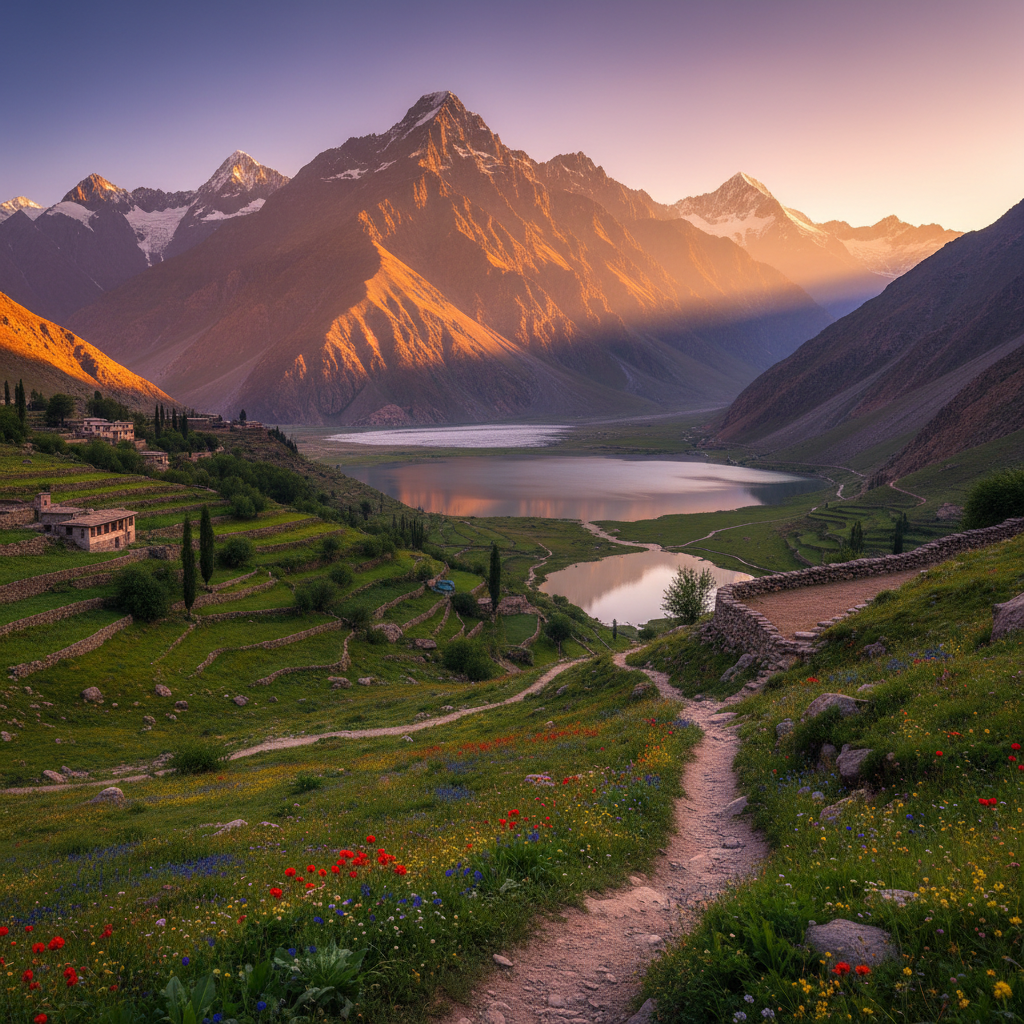
Unveiling Namik La Pass: A Gateway to Zanskar and Beyond
Namik La Pass, standing at an impressive altitude of approximately 3,700 meters (12,139 feet) above sea level, is one of the lesser-known but incredibly scenic mountain passes in the Ladakh region. Often overshadowed by its more famous counterparts like Khardung La or Chang La, Namik La offers a unique blend of rugged beauty and serene landscapes. It serves as a crucial link on the road connecting Kargil to Padum, the administrative center of Zanskar Valley, and also provides access to Leh via the Srinagar-Leh Highway. For travelers venturing into the heart of Zanskar, or those seeking a less crowded, yet equally breathtaking, high-altitude experience, Namik La is an unmissable part of the journey. The name 'Namik La' itself means 'Pillar of the Sky Pass' in the local dialect, hinting at the towering, dramatic rock formations that define its surroundings. It's a pass that truly offers a sense of remote adventure, taking you through stark, majestic terrains dotted with small villages and ancient monasteries.
Best Time to Traverse Namik La Pass: Seasonal Insights
The window for safely traversing Namik La Pass is generally from late May or early June to mid-October. During these months, the snow has largely melted, and the pass is usually open for vehicular traffic. Early June can still present patches of snow, especially on the higher reaches, adding to the dramatic scenery. July to September are considered the prime months, offering relatively stable weather conditions, clearer skies, and the full bloom of any high-altitude flora. Temperatures during this period range from 15-25°C during the day, dropping significantly at night to 0-10°C, so layering remains essential. October sees the onset of winter, with temperatures beginning to dip and the occasional snowfall possible, particularly towards the end of the month. While adventurous, traveling in October requires careful monitoring of weather forecasts and road conditions. Avoid planning a trip during the winter months (November to April) as the pass is completely snowbound and closed to all traffic, making it impassable and dangerous. Always check local road status updates before embarking on your journey, as unexpected snowfall or landslides can temporarily close the pass even during the open season.
Navigating Namik La: Routes, Road Conditions, and Timings
Namik La Pass lies on the crucial road that connects Kargil to Padum (Zanskar Valley). Most travelers approach it from Kargil. The journey from Kargil to Namik La is approximately 40-50 kilometers and can take anywhere from 2 to 3 hours, depending on road conditions and stops for photography. The road, while scenic, is predominantly a single-lane tarmac and gravel mix. Expect rough patches, loose gravel, and occasional potholes, especially after heavy rains or snowmelt. You'll encounter sharp bends and steep ascents, so a skilled driver and a robust vehicle (like an SUV or MUV) are highly recommended. From the top of Namik La, the descent towards Padum continues on a similar road surface. If you're coming from Leh, you'll first reach Kargil via the Srinagar-Leh Highway, which is generally in better condition. The entire journey from Leh to Padum via Namik La can take a full day, typically 10-12 hours, with sufficient breaks. Always start early in the morning, ideally by 7-8 AM from Kargil, to ensure you cross the pass in daylight and reach your destination before dusk. There are no fuel stations directly on the pass, so ensure your vehicle is refueled in Kargil or Padum.
Cost Breakdown and Budgeting for Your Namik La Journey
A trip involving Namik La Pass primarily revolves around transportation costs, as there are no direct entry fees for the pass itself. If you're hiring a private taxi from Kargil to Padum, expect to pay anywhere from INR 8,000 to INR 12,000 for a one-way trip, depending on the vehicle type (Scorpio, Innova, etc.) and negotiation. A round trip will naturally cost more. Shared taxis, though less frequent, might cost around INR 1,000 to INR 1,500 per person if available. Bus services are erratic and often run only a few times a week between Kargil and Padum, with fares in the range of INR 300-500. Accommodation costs in villages near Namik La, such as Mulbekh or Lamayuru (before the pass if coming from Leh), or in Padum (after the pass), can range from INR 1,000 to INR 3,000 for guesthouses and homestays. Food expenses are modest, with local dhabas offering meals for INR 150-300 per person. Total budgeting for a few days exploring this region, excluding your journey to Leh/Kargil, could be around INR 5,000 to INR 10,000 per person for a budget traveler, or INR 15,000 to INR 25,000 for a more comfortable experience with private transport. Remember these are approximations and can fluctuate based on season and availability.
Where to Stay and Savor Local Flavors Near Namik La
Directly on Namik La Pass, there are no accommodation or dining facilities. Travelers typically base themselves in Kargil before crossing the pass, or in Padum if they are headed to Zanskar. In Kargil, you'll find a range of hotels and guesthouses, from budget-friendly options starting around INR 1,500 to mid-range hotels up to INR 4,000 per night. Popular choices include Hotel The Kargil and Hotel Zojila Residency. If you are coming from Leh, Lamayuru, famous for its monastery, also offers some guesthouses and homestays (INR 800-2000) that can serve as a stopover. Once you cross Namik La and descend into Zanskar Valley, Padum offers the most options. Here, guesthouses like Hotel J&K Tourism, Omasila Guesthouse, and various homestays provide basic yet comfortable lodging. Prices for guesthouses in Padum typically range from INR 1,000 to INR 2,500. For dining, most accommodations in Kargil and Padum have in-house restaurants. Along the route, small dhabas might offer simple meals like dal-chawal, thukpa, and momos. Don't miss trying local Ladakhi bread and butter tea. Always carry some dry snacks, energy bars, and a water bottle, as options can be sparse on the pass itself.
Essential Packing List for a Namik La Adventure
Packing strategically is crucial for a high-altitude journey like Namik La. Firstly, layering is key due to fluctuating temperatures. Carry thermal innerwear, fleece jackets, a waterproof and windproof outer shell jacket, and warm trousers. Good quality, waterproof trekking shoes with ankle support are essential for comfort and stability on uneven terrain. Don't forget multiple pairs of warm socks. Protect yourself from the intense sun with a wide-brimmed hat or cap, UV-protected sunglasses, and high-SPF sunscreen (SPF 50+ is recommended). A good lip balm with SPF is also vital to prevent chapped lips. Other essentials include a personal first-aid kit with basic medicines for headaches, nausea, pain relief, and any personal medications. Diamox for altitude sickness prevention, if prescribed by your doctor, should be included. Carry a water bottle (preferably reusable) and water purification tablets or a filter. Power bank for electronic devices, headlamp or flashlight, and a camera with extra batteries are also recommended. Lastly, bring enough cash in smaller denominations as ATMs are scarce beyond Kargil and Padum, and network connectivity is unreliable.
Safety and Local Etiquette on Namik La Pass
Safety on Namik La Pass begins with preparedness for high altitude. Acclimatize properly in Leh or Kargil for at least 1-2 days before attempting the pass. Drink plenty of fluids (water, soups) and avoid alcohol and smoking. If you experience severe symptoms of Acute Mountain Sickness (AMS) like persistent headache, dizziness, or nausea, descend immediately. Travel in a reliable vehicle with an experienced local driver. Road conditions can be challenging, so never rush. Always carry necessary permits (though Namik La does not typically require an Inner Line Permit for Indian nationals, verify current regulations, especially for foreigners or if venturing deeper into Zanskar). Respect local customs: dress modestly, especially when visiting monasteries or villages, and always ask for permission before photographing people. Avoid littering; carry all your waste back. Wildlife, though rare, can be encountered; maintain a safe distance and never feed them. Mobile network coverage is extremely limited, usually nonexistent on the pass itself, so inform someone of your itinerary and expected return. Local emergency numbers should be noted beforehand, though aid can be hours away.
Common Mistakes to Avoid While Planning for Namik La
One of the most common mistakes travelers make is underestimating the altitude and lack of proper acclimatization. Rushing from plains directly to high altitudes like Namik La without adequate rest in Leh or Kargil can lead to severe altitude sickness, ruining your trip. Another frequent error is neglecting to check current road conditions. Namik La, being a high pass, is susceptible to sudden closures due to snowfall or landslides; always verify with local authorities or your tour operator before heading out. Over-relying on mobile network connectivity is also a pitfall; expect limited to no service. Carry a physical map or download offline maps. Not carrying enough cash is another mistake, as ATMs are scarce, and many establishments operate only on cash. Furthermore, some travelers pack insufficiently for the cold, wind, and sun, leading to discomfort. Lastly, neglecting vehicle maintenance or hiring an unreliable vehicle can be disastrous on such challenging terrain. Always opt for a well-maintained SUV with an experienced driver. Avoiding these common errors will significantly enhance your Namik La experience. For a seamlessly planned journey, including reliable transport and accommodation, consider exploring Mid Holidays' Ladakh and Zanskar packages tailored to your adventure level.
Related Kashmir Guides & Services
<p>Planning the rest of your trip? These Mid Holidays guides pair well with this article:</p><ul><li><a href="/blog/leh-ladakh-best-time-to-visit-month-wise">Leh Ladakh Best Time to Visit Month-Wise: Your Ultimate Guide</a></li><li><a href="/blog/khardung-la-pass-complete-guide">Khardung La Pass Complete Guide: Conquering the Himalayan Giant</a></li><li><a href="/blog/leh-to-chang-la-taxi-service">Leh to Chang La Taxi Service: Your Ultimate High-Altitude Journey Guide</a></li><li><a href="/blog/zanskar-valley-travel-guide">Zanskar Valley Travel Guide: A Journey to Ladakh's Remote Heart</a></li><li><a href="/blog/razdan-pass-kashmir-travel-guide">Razdan Pass Kashmir: Your Ultimate Guide to a Hidden Gem</a></li></ul>
Frequently Asked Questions
What is the altitude of Namik La Pass?
Namik La Pass stands at an approximate elevation of 3,700 meters (12,139 feet) above sea level. While lower than some other passes in Ladakh, it's still a significant altitude, necessitating proper acclimatization before attempting to cross it to avoid altitude sickness.
Is an Inner Line Permit (ILP) required to cross Namik La Pass?
For Indian nationals, an Inner Line Permit (ILP) is generally not required for traversing Namik La Pass as it lies on the main route to Zanskar from Kargil. However, foreign nationals usually need permits for certain areas in Ladakh, including Zanskar. It's always best to check the latest regulations from local authorities or your tour operator prior to your trip, as rules can change.
How difficult are the roads to Namik La Pass?
The roads leading to and over Namik La Pass can be challenging. They are a mix of paved sections, gravel, and unpaved stretches, often narrow with sharp bends and steep ascents/descents. Road conditions vary based on weather and recent maintenance. A 4x4 or high-clearance vehicle with an experienced local driver is highly recommended for safety and comfort.
Are there any facilities like restaurants or restrooms on Namik La Pass?
No, there are no permanent facilities such as restaurants, dhabas, or restrooms directly on Namik La Pass. Travelers should plan to use facilities in Kargil or Padum (Zanskar) before or after crossing the pass. It is advisable to carry packed snacks, water, and make necessary stops in towns before ascending.
What kind of vehicle is best for traveling over Namik La Pass?
For traveling over Namik La Pass, a sturdy and reliable vehicle with good ground clearance is highly recommended. SUVs or MUVs like a Mahindra Scorpio, Toyota Innova, or Tata Sumo are preferred. It is crucial to have an experienced local driver who is familiar with the challenging mountain terrain and unpredictable road conditions of the region.
How long does it take to travel from Kargil to Namik La Pass?
The journey from Kargil to Namik La Pass is approximately 40-50 kilometers and typically takes around 2 to 3 hours by vehicle, depending on the specific road conditions and how many stops you make for photos. This duration does not include the onward journey into Zanskar Valley.
What should I do if I experience altitude sickness on Namik La Pass?
If you experience symptoms of altitude sickness such as persistent headache, dizziness, nausea, or shortness of breath while on Namik La Pass, the most crucial step is to descend to a lower altitude immediately. Inform your travel companions or driver. Drink water, rest, and if symptoms persist or worsen, seek medical attention as soon as possible in the nearest town like Kargil or Padum.
Is it safe for solo travelers to visit Namik La Pass?
While solo travel is possible, traversing high-altitude passes like Namik La carries inherent risks due to remote location, challenging roads, and limited connectivity. It is safer to travel with a group, an experienced driver, or consider joining an organized tour. Always inform someone of your itinerary, carry emergency contact details, and be prepared for self-reliance.