Ladakh Bike Trip Guide Royal Enfield: Routes, Permits & Tips
Adventure Travel
Planning a Ladakh bike trip on a Royal Enfield? This comprehensive guide covers best routes, permits, costs, packing, and essential tips for an…
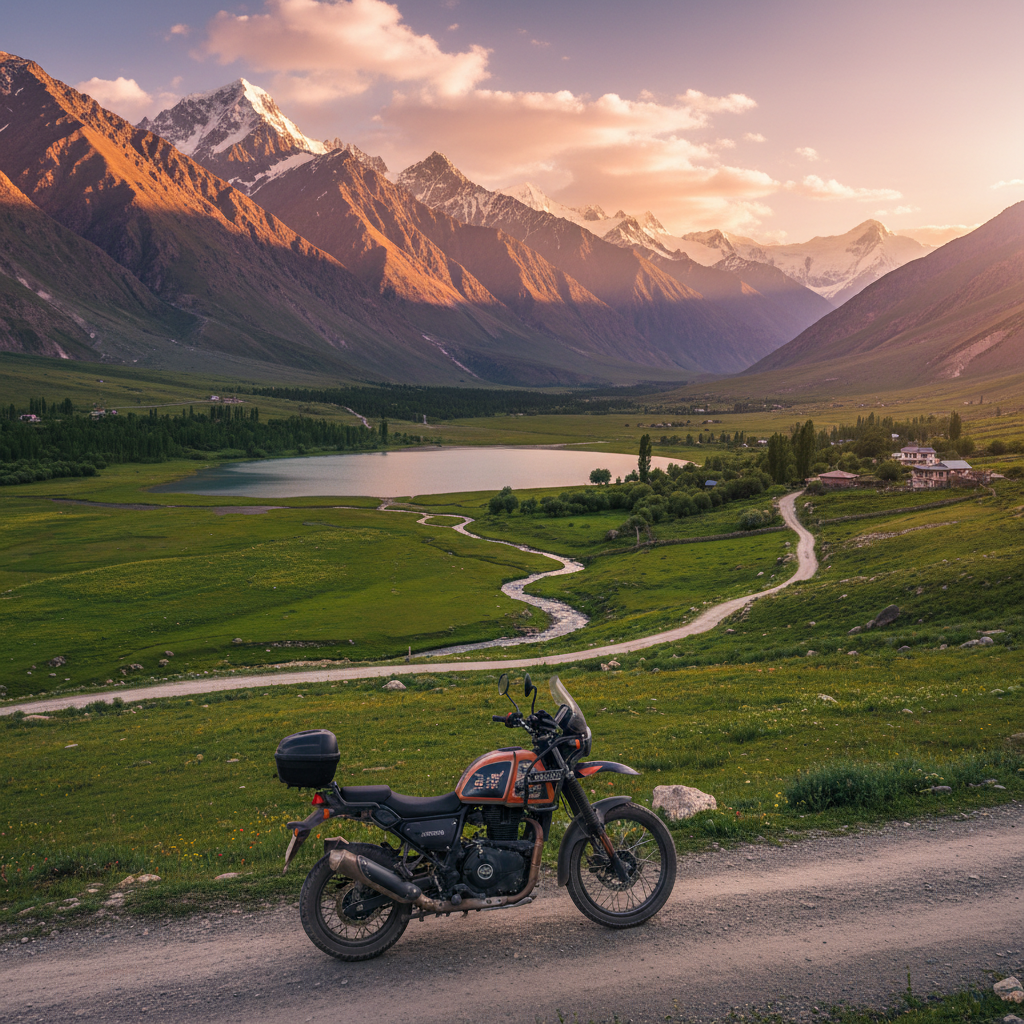
Embarking on Your Ladakh Bike Trip Royal Enfield Adventure
A Ladakh bike trip, especially on a Royal Enfield, is more than just a vacation; it's a rite of passage for adventure enthusiasts. The rugged terrain, dramatic landscapes, and breathtaking high-altitude passes of Ladakh offer an unparalleled experience for motorcyclists. Choosing a Royal Enfield for this journey is a classic decision, as these bikes are renowned for their robustness and ability to handle the challenging Himalayan roads. This guide is crafted for the intrepid rider, whether you're a seasoned biker or planning your first major high-altitude expedition. We'll delve into everything from route planning and necessary permits to essential gear and on-road safety, ensuring your Royal Enfield adventure through Ladakh is not just memorable, but also safe and well-prepared. Imagine cruising through ancient monasteries, crossing formidable passes like Khardung La, and witnessing the surreal Pangong Tso – all from the saddle of your trusty machine. We’ll share insights gained from numerous trips, focusing on practical advice to make your journey smoother and more enjoyable. This isn't just about riding; it's about connecting with the raw beauty of the Himalayas and testing your limits against nature's grandeur. Get ready to swap the mundane for the magnificent and create stories that will last a lifetime.
Best Time and Routes for Your Royal Enfield Expedition to Ladakh
The ideal window for a Ladakh bike trip on a Royal Enfield is from June to September. During these months, both major routes to Ladakh – the Srinagar-Leh Highway and the Manali-Leh Highway – are typically open, and the weather is relatively stable, offering clear skies and manageable road conditions. Early June might still see some snow patches and water crossings, adding to the adventure, while late September offers crisp autumn air and fewer crowds. Avoid the monsoon months of July and August if possible, as heavy rains can lead to landslides and road closures, particularly on the Manali-Leh route. The Srinagar-Leh Highway (NH1D) is generally considered easier, covering around 434 km, and takes about 2 days with an overnight stop in Kargil. It offers a more gradual ascent and better road surfaces. The Manali-Leh Highway (NH3), a challenging 474 km stretch, is notorious for its high passes (Rohtang, Baralacha La, Nakee La, Lachulung La, Tanglang La) and rough terrain, demanding a minimum of 2-3 days with overnight halts in places like Keylong or Sarchu. Many riders prefer to go one way via Manali and return via Srinagar, experiencing both diverse landscapes and challenges. Another popular option is to transport your bike to Leh and explore locally, saving time and avoiding the grueling highway journey. For those flying into Leh, numerous local rental services offer Royal Enfields for hire, complete with helmets and saddlebags, allowing you to tailor your exploration from the heart of Ladakh.
Essential Permits and Documentation for Bikers in Ladakh
Navigating Ladakh requires specific permits, especially for foreigners and for venturing into certain protected areas. Indian nationals primarily need the Inner Line Permit (ILP) to visit areas like Nubra Valley, Pangong Tso, and Tso Moriri. This permit can be easily obtained online via the Leh Administration website (leh.nic.in) or offline at the DC Office in Leh. The online process is generally smoother and quicker. You’ll need to specify your itinerary, vehicle details (including bike registration number), and carry a printout of the e-permit along with a valid ID proof (Aadhaar or Driving License). Foreign nationals and OCI cardholders also require the ILP, which can be applied for through registered travel agencies or directly at the DC Office in Leh. It's crucial to carry multiple photocopies of your ILP and ID proof, as you'll need to submit them at various checkpoints throughout your journey. For those riding their own Royal Enfield, ensure you have all original documents: Registration Certificate (RC), Pollution Under Control (PUC) certificate, and valid insurance. If you're renting a bike in Leh, the rental agency will usually provide a copy of the RC and PUC. Always double-check that all documentation is in order before setting off, as checks are frequent, and missing papers can lead to significant delays or fines. Having all your paperwork organised will ensure a smooth and hassle-free passage through Ladakh's stunning yet regulated landscapes.
Budgeting Your Ladakh Royal Enfield Trip: Costs and Considerations
A Ladakh bike trip on a Royal Enfield can vary significantly in cost depending on your choices, but a realistic budget for a 10-12 day journey typically ranges from INR 35,000 to INR 60,000 per person, excluding flight costs to Srinagar or Manali. The biggest expense after travel to the starting point is often bike rental, if you're not bringing your own. Royal Enfield rentals in Leh usually cost around INR 1,500-2,000 per day for a Classic 350/500 or Himalayan, sometimes with discounts for longer durations. Fuel is another major factor, with petrol costing more in Ladakh (expect INR 100-110 per litre) and limited availability outside Leh, Karu, and Nubra Valley. Budget around INR 8,000-12,000 for fuel. Accommodation in Leh starts from INR 1,000-2,500 per night for a comfortable guesthouse or budget hotel, while guesthouses in remote areas like Nubra or Pangong can range from INR 800-2,000, often including dinner and breakfast. Food costs are generally reasonable, around INR 500-800 per day. Permits are a minor cost, about INR 400-600 per person. Don't forget an emergency fund for unexpected repairs, medical needs, or road closures, perhaps INR 5,000-10,000. Packing layers, good quality riding gear, and carrying basic spares for your Royal Enfield can also save costs and ensure a smoother journey. Remember, the journey itself is the reward, and prudent budgeting allows you to fully immerse in the experience without financial stress.
Packing Smart: Gear and Essentials for High-Altitude Biking
Packing correctly for a Ladakh bike trip on a Royal Enfield is paramount for comfort and safety in the unpredictable high-altitude environment. Layering is key: start with thermal innerwear, add a fleece or wool layer, and top with a waterproof and windproof riding jacket. Good quality riding pants with knee protection are essential, along with waterproof gloves and comfortable, sturdy riding boots. Don't forget a well-fitting helmet (ISI or ECE certified) with a clear and tinted visor. Beyond riding gear, carry warm clothing for evenings, including a down jacket or heavy fleece. Personal essentials include a high-SPF sunscreen, lip balm with SPF, sunglasses, a basic first-aid kit with pain relievers, bandages, antiseptic, and any personal medications. Diamox (Acetazolamide) is often recommended for Acute Mountain Sickness (AMS) prevention, consult your doctor beforehand. For your Royal Enfield, consider a basic toolkit including a puncture repair kit, spare clutch and accelerator cables, a spark plug, a small fuel siphon, and a spare tube if you're on spoked wheels. Carry at least one 1-litre fuel bottle for emergencies, especially on long stretches. Hydration is critical; bring a reusable water bottle and consider a hydration pack. A power bank for charging electronics, a headlamp, and a small backpack for daily essentials complete your packing list. Remember, less is more in terms of luggage, but essential items should never be compromised.
Staying Safe and Healthy in the High Mountains of Ladakh
Safety and health are paramount when undertaking a high-altitude Ladakh bike trip on a Royal Enfield. The biggest challenge is Acute Mountain Sickness (AMS). Acclimatisation is crucial: upon reaching Leh (if flying in), dedicate at least 24-48 hours to rest and gentle activities before embarking on your ride. Drink plenty of water and avoid alcohol and smoking. Listen to your body; symptoms of AMS include headache, nausea, dizziness, and fatigue. If symptoms worsen, descend to a lower altitude immediately. Riding on these challenging roads requires constant vigilance. Always wear full riding gear. Maintain a safe speed, especially on winding roads, gravel patches, and water crossings. Road conditions can change rapidly, so be prepared for anything. Riding in groups is always advisable, ensuring help is at hand in case of a breakdown or accident. Carry basic first-aid supplies and know how to use them. Keep your Royal Enfield well-maintained, checking brakes, tires, and oil regularly. Inform someone of your itinerary and check in daily. Carry a satellite phone or a BSNL/Jio SIM card (which often work in more remote areas than other networks). Be respectful of the local culture and environment. Remember, the journey is about appreciating the majestic landscape, not racing through it. Prioritising safety ensures a memorable and safe adventure.
Local Culture, Etiquette, and Environmental Responsibility
Ladakh is a region deeply rooted in Buddhist culture and traditions, and respecting local customs is essential for any visitor, especially those on a Royal Enfield exploring its remote corners. When visiting monasteries, dress modestly, covering shoulders and knees, and remove your shoes before entering prayer halls. Spin prayer wheels clockwise and refrain from taking photos where prohibited. Always ask for permission before photographing local people, especially children. The local Ladakhi people are warm and welcoming, and a simple 'Julley' (hello/thank you/goodbye) goes a long way. The environment in Ladakh is fragile, and preserving its pristine beauty is everyone's responsibility. Practice responsible tourism by carrying back all your waste, especially plastics. Avoid littering, even biodegradable waste. Refrain from buying products made from endangered species. Stick to designated roads and tracks to minimise environmental impact, especially on the delicate high-altitude ecosystems. Riding off-road, while tempting, can damage fragile vegetation and disturb wildlife. Support local businesses by purchasing handicrafts and eating at local dhabas and restaurants. By being a mindful and respectful traveler, you not only enrich your own experience but also contribute positively to the local community and the preservation of this incredible region.
Exploring Beyond Leh: Must-Visit Destinations on Your Royal Enfield
While Leh serves as the perfect base for your Ladakh Royal Enfield adventure, the real magic lies in exploring the diverse landscapes beyond the city. A classic circuit takes you to the stunning Nubra Valley, accessible via Khardung La, one of the world's highest motorable passes. Here, you can ride through the famous sand dunes of Hunder and enjoy a double-humped camel ride. From Nubra, continue to the breathtaking Pangong Tso (lake), a vivid blue spectacle that changes hues throughout the day. Spend a night in a campsite by the lake to witness its starry skies. Another essential destination is the surreal Tso Moriri lake, less crowded than Pangong, offering unparalleled tranquility and opportunities for wildlife spotting. While reaching Tso Moriri requires a slightly rougher ride, the pristine beauty is well worth the effort. Consider a trip to the serene Sham Valley, west of Leh, visiting monasteries like Alchi and Likir, which offer a glimpse into ancient Buddhist art and architecture. For the more adventurous, the remote Zanskar Valley, though demanding a longer and tougher ride, promises raw, untamed beauty. Each route presents its own unique challenges and rewards, making your Royal Enfield journey through Ladakh an endless tapestry of discovery. Ensure your bike is in top condition and you have enough fuel and supplies for these remote expeditions.
Related Kashmir Guides & Services
<p>Planning the rest of your trip? These Mid Holidays guides pair well with this article:</p><ul><li><a href="/blog/khardung-la-pass-complete-guide">Khardung La Pass Complete Guide: Conquering the Himalayan Giant</a></li><li><a href="/blog/leh-ladakh-best-time-to-visit-month-wise">Leh Ladakh Best Time to Visit Month-Wise: Your Ultimate Guide</a></li><li><a href="/blog/leh-to-chang-la-taxi-service">Leh to Chang La Taxi Service: Your Ultimate High-Altitude Journey Guide</a></li><li><a href="/blog/sinthan-top-kashmir-travel-guide">Sinthan Top Kashmir Guide: Your Ultimate High-Altitude Adventure</a></li><li><a href="/blog/kishtwar-travel-guide-kashmir-hidden-paradise">Kishtwar Travel Guide: Explore Kashmir's Hidden Paradise with Mid Holidays</a></li></ul>
Frequently Asked Questions
Is a Royal Enfield truly the best bike for a Ladakh trip?
Royal Enfields are a popular choice due to their sturdy build, comfortable riding posture, and robust engines which perform relatively well at high altitudes. While any well-maintained bike can technically do the trip, the Royal Enfield's heavy chassis provides better stability on rough terrain, and its widespread presence in the region means mechanics are often familiar with them for repairs. The Himalayan model, in particular, is designed for such conditions, making it an excellent option.
What kind of road conditions can I expect on a Ladakh bike trip?
Road conditions in Ladakh are highly varied. You'll encounter stretches of butter-smooth tarmac, challenging gravel sections, muddy patches, and numerous water crossings, especially after snowmelt or rain. Passes like Khardung La and Baralacha La are particularly notorious for their slush, loose rocks, and breathtaking drops. Always expect the unexpected and ride cautiously, adapting your speed to the terrain.
How much luggage can I carry on a Royal Enfield for a Ladakh trip?
For a solo rider, you can typically carry a duffel bag or backpack (around 40-60 litres) secured to the rear seat/carrier, along with a tank bag for essentials. For two riders, saddlebags become essential. Aim to pack light but efficiently. Avoid carrying excessive weight, as it affects the bike's handling and fuel efficiency, especially on steep ascents and rough roads.
What if my Royal Enfield breaks down in a remote part of Ladakh?
Breakdowns are a possibility, but not a disaster with preparation. Carry a basic toolkit and essential spares like clutch/accelerator cables, spark plug, and puncture repair kit. Learn basic troubleshooting. Many dhabas (roadside eateries) in remote areas often have rudimentary repair facilities or can help you find assistance. Riding in a group is highly recommended, as fellow riders can offer help or transport you to the nearest mechanic.
Are there enough petrol pumps in Ladakh for a bike trip?
Petrol pump availability is limited to major towns like Leh, Karu, Diskit (Nubra Valley), and Kargil. On the Manali-Leh highway, the longest stretch without fuel is often between Tandi (near Keylong) and Leh, which is over 300 km. It's crucial to always tank up whenever possible and carry extra fuel in bottles (at least 1-2 litres) for emergencies, especially when venturing into remote areas like Pangong Tso or Tso Moriri.
Can I rent a Royal Enfield directly in Leh, and what are the requirements?
Yes, Leh has numerous bike rental agencies offering Royal Enfields. You'll typically need a valid driving license (Indian or International Driving Permit for foreigners), a security deposit (cash is often preferred, ranging from INR 10,000-20,000), and a copy of your ID. Rental charges vary by model and duration. Always inspect the bike thoroughly for any existing damage before accepting it, and ensure all documents (RC, PUC) are provided by the rental agency.
What is the best way to acclimatise to the high altitude in Ladakh?
The golden rule for acclimatisation is to 'go high, sleep low'. If you fly directly into Leh (which is at 11,500 ft/3,500m), spend at least 1-2 full days resting and doing light activities before venturing further. Drink plenty of water, avoid alcohol, and don't overexert yourself. Symptoms like mild headaches are common; if they worsen or are accompanied by nausea, dizziness, or shortness of breath, descend and seek medical advice.
Is it safe for solo female riders to undertake a Ladakh bike trip?
Ladakh is generally considered safe for solo female travellers, including bikers. However, exercising standard precautions is always advisable. Share your itinerary with family/friends, carry a reliable communication device, and ensure your bike is well-maintained. While locals are helpful, it's prudent to choose well-established guesthouses and avoid riding late at night in remote areas. Joining a group tour can also add an extra layer of security and companionship.