Uri Border Tourism Guide: Exploring Kashmir's Western Frontier
Kashmir Offbeat Destinations
Discover Uri Border Tourism with our ultimate guide. Explore picturesque villages, historical sites, and the breathtaking landscapes of Kashmir's western…
Uri Border Tourism: An Introduction to Kashmir's Western Gem
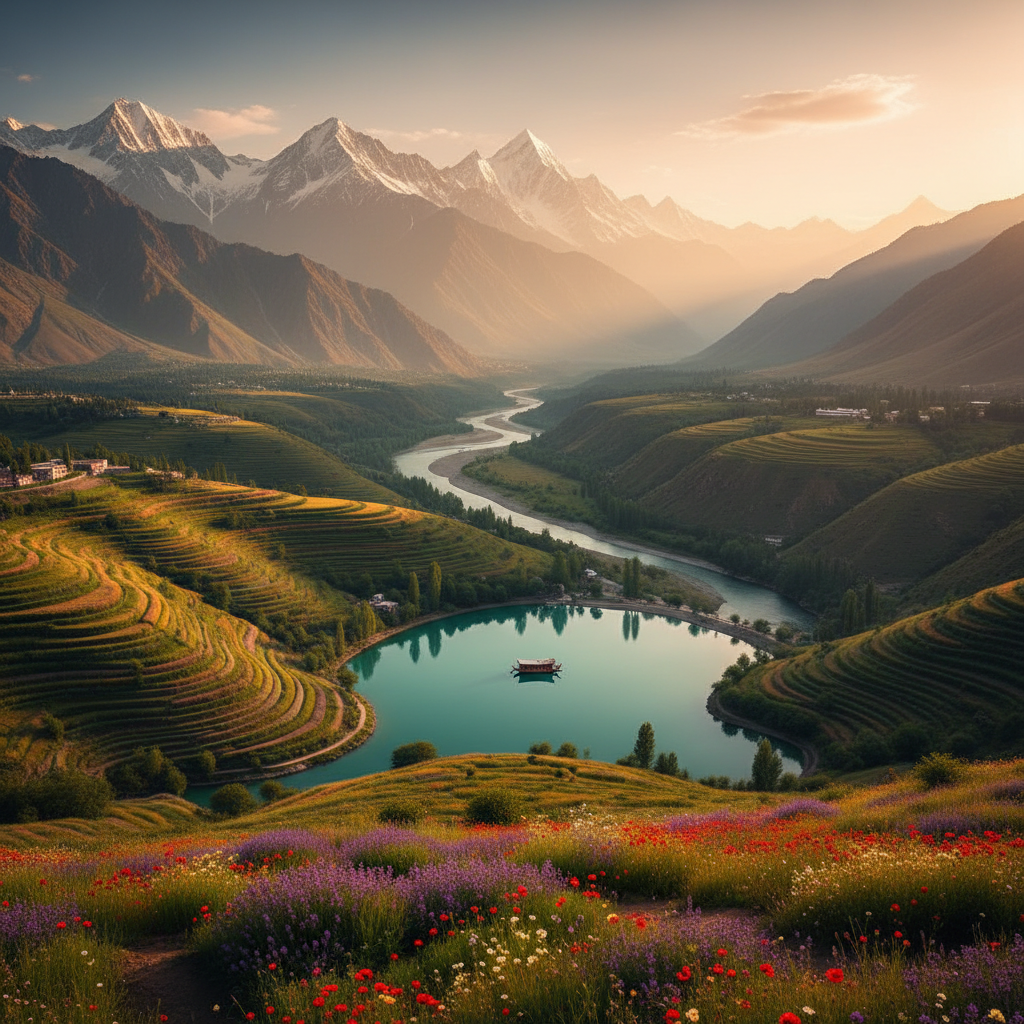
Uri, nestled in the Baramulla district of Jammu and Kashmir, is steadily emerging as a captivating destination for border tourism. For decades, this region was primarily known for its strategic location along the Line of Control (LoC). However, recent initiatives have opened up Uri's stunning landscapes, rich history, and unique cultural tapestry to travelers seeking an offbeat and deeply authentic Kashmiri experience. When you visit Uri, you're not just seeing a place; you're stepping into a narrative of resilience, natural beauty, and a poignant connection to the nation's history. The area boasts verdant mountains, pristine rivers, and a tranquility that is increasingly rare in popular tourist spots. It offers a distinct contrast to the more conventional circuits of Srinagar, Gulmarg, and Pahalgam, providing a window into the daily lives of border communities and the majestic, unspoiled beauty of the Pir Panjal range. This guide will walk you through everything you need to know to plan a meaningful and memorable trip to Uri, ensuring a smooth and respectful exploration of this sensitive yet profoundly beautiful region.
Why Uri Now? Who is Border Tourism For?
Uri border tourism is ideal for discerning travelers who seek more than just scenic views. It's for those with a keen interest in history, geopolitics, and cultural immersion. If you appreciate serene landscapes, enjoy interacting with local communities, and are comfortable with a destination that is still developing its tourist infrastructure, then Uri is calling your name. Adventure enthusiasts will find opportunities for gentle treks and exploring less-trodden paths. Families looking for an educational trip that offers historical context alongside natural beauty will also find Uri rewarding. This isn't a destination for luxury resorts or bustling nightlife. Instead, it promises quiet reflection, stunning photographic opportunities, and a chance to witness the unique rhythm of life in a border region. The recent focus on developing border tourism here signifies a shift towards showcasing a different facet of Kashmir, one that emphasizes peace, development, and the indomitable spirit of its people. It's a journey that combines introspection with breathtaking vistas.
Best Time to Visit Uri and Planning Your Trip
The best time to visit Uri for border tourism is generally from April to October. During these months, the weather is pleasant, with clear skies and comfortable temperatures, making it ideal for sightseeing and outdoor activities. Spring (April-May) sees Uri's valleys lush with fresh greenery and blooming wildflowers, while summer (June-August) offers warm, sunny days. Autumn (September-October) paints the landscape in stunning hues of gold and crimson, providing excellent photography opportunities. Winters (November-March) can be very cold, with heavy snowfall often cutting off some routes, making travel challenging, though the snow-covered landscapes hold their own unique charm for those prepared for the conditions. When planning, remember that Uri is a sensitive border area. Indian nationals do not require special permits for most areas accessible to tourists, but it's always advisable to carry valid ID. Foreign nationals may require specific permits, so it is crucial to check with the local administration or your tour operator well in advance. Keep an eye on local news for any travel advisories, especially during periods of political sensitivity or adverse weather.
Key Attractions and Experiences in Uri: Beyond the Border
While the allure of the LoC is undeniable, Uri offers a wealth of other attractions that highlight its natural beauty and cultural heritage. Start your journey at the Kaman Aman Setu (Bridge of Peace), a poignant symbol of cross-border connections. Although direct crossing is usually restricted, viewing it from the Indian side offers a powerful perspective. The Uri War Memorial is another must-visit, honoring the soldiers who have served here; it's a place for respectful reflection. Explore the picturesque villages like Dacchi and Gohalan, which offer glimpses into traditional Kashmiri life and local hospitality. The surrounding mountains, part of the Pir Panjal range, provide excellent opportunities for scenic drives and short, accessible hikes. The Dolang Nallah, a tributary of the Jhelum, carves through beautiful landscapes, perfect for picnicking by its banks. Don't miss the opportunity to engage with local artisans and sample authentic Kashmiri cuisine in a home-stay setting. The tranquility of Uri's untouched valleys, such as the Limber and Lachipora wildlife sanctuaries, though requiring special permissions for deeper exploration, hint at the region's rich biodiversity. Each site tells a part of Uri's story, from its strategic importance to its serene natural charm.
Reaching Uri: Transport and Road Conditions
Uri is well-connected by road from Srinagar, which is the closest major city with an airport. The journey from Srinagar to Uri takes approximately 3 to 4 hours, covering a distance of about 105 kilometers. The route primarily follows National Highway 1A (NH1A), which is generally in good condition, offering scenic views as it winds through Baramulla and other towns. Public transport options include shared taxis and buses from Srinagar's TRC (Tourist Reception Centre) or Parimpora Bus Stand to Baramulla, from where you can find connecting transport to Uri. However, for a more comfortable and flexible journey, hiring a private taxi from Srinagar is highly recommended. Expect to pay around INR 3,000 to 5,000 for a one-way private taxi, depending on the type of vehicle and negotiation. Road conditions can vary, especially during the monsoon season (July-August) when landslides can occasionally occur, or in winter when snowfall might affect travel. Always check local road conditions before commencing your journey. It's advisable to travel during daylight hours, especially if you are unfamiliar with the route. Ensure your driver is experienced with mountain roads.
Accommodation and Dining in Uri: Local Hospitality
Accommodation options in Uri are more rustic and limited compared to major tourist hubs in Kashmir, aligning with its offbeat appeal. You'll primarily find guesthouses and a few government-run rest houses. These establishments offer basic but clean and comfortable lodging, often run by local families who provide warm hospitality. Some homestay options are also emerging, offering an authentic cultural immersion experience. It's highly recommended to book your accommodation in advance, especially during peak season, as choices are few. Expect tariffs for guesthouses to range from INR 1,500 to 3,000 per night. Dining in Uri focuses on authentic Kashmiri cuisine, prepared with local ingredients. Most guesthouses and homestays will offer delicious home-cooked meals, featuring traditional dishes like Rogan Josh, Yakhni, and various vegetable preparations. There are a few local eateries and dhabas in the main Uri town area, serving simple yet flavorful meals. Don't expect a wide array of international cuisine; instead, embrace the opportunity to savor the local flavors and experience the true taste of the region. Always confirm meal arrangements with your accommodation prior to arrival.
Safety, Local Etiquette, and Packing Essentials for Uri
Safety in Uri, like any border area, requires adherence to local guidelines. Always respect military installations and do not photograph sensitive sites unless explicitly permitted. Local residents are incredibly welcoming, but maintaining respectful conduct is key. Dress modestly, especially when visiting religious sites or interacting with villagers. Avoid engaging in discussions on sensitive political matters. Carry valid identification documents at all times. For packing, layered clothing is essential, as mountain weather can be unpredictable. Even in summer, evenings can be cool. Include warm jackets, sweaters, and rain gear. Comfortable walking shoes are a must for exploring. A basic first-aid kit, personal medications, sunscreen, insect repellent, and a power bank are also advisable. Due to limited ATM facilities, carry sufficient cash. Mobile network coverage can be sporadic in remote areas; BSNL and Jio often have better reach. Inform your family or a trusted contact about your travel plans. By being mindful and prepared, your trip to Uri will be safe and enriching. While the region is peaceful and safe for tourists, common sense and local advice are your best companions.
Beyond Uri: Connecting with Other Kashmir Experiences
After immersing yourself in the unique charm of Uri, you might consider extending your Kashmir adventure to other iconic destinations. Uri can be easily integrated into a broader itinerary that includes Srinagar, the summer capital, known for its Dal Lake houseboats and Mughal Gardens. From Uri, you can also head towards Gulmarg, the 'Meadow of Flowers,' famous for its gondola ride and winter sports. Another popular option is Pahalgam, with its stunning Lidder Valley and opportunities for pony rides and river rafting. For those interested in deeper cultural insights, a visit to Anantnag district offers ancient temples and historical sites. Mid Holidays specializes in crafting bespoke itineraries that seamlessly blend offbeat experiences like Uri border tourism with Kashmir's more well-known attractions. We ensure that your journey is not just a trip, but a comprehensive exploration of the region's diverse landscapes and rich heritage, with all logistics meticulously handled. We can help you tailor a package that suits your interests, budget, and desired pace, ensuring a memorable and hassle-free Kashmir experience.
Related Kashmir Guides & Services
<p>Planning the rest of your trip? These Mid Holidays guides pair well with this article:</p><ul><li><a href="/blog/tulail-valley-tour-kashmir-hidden-paradise">Tulail Valley Tour: Your Guide to Kashmir's Hidden Paradise</a></li><li><a href="/blog/kishtwar-travel-guide-kashmir-hidden-paradise">Kishtwar Travel Guide: Explore Kashmir's Hidden Paradise with Mid Holidays</a></li><li><a href="/blog/yusmarg-day-trip-itinerary">Your Ultimate Yusmarg Day Trip Itinerary from Srinagar</a></li><li><a href="/blog/leh-to-chang-la-taxi-service">Leh to Chang La Taxi Service: Your Ultimate High-Altitude Journey Guide</a></li><li><a href="/blog/kashmir-tulip-garden-2026-travel-guide-local">Kashmir Tulip Garden 2026: Your Ultimate Local's Guide to Blooms & Beauty</a></li></ul>
Frequently Asked Questions
Is it safe for tourists to visit Uri, being a border area?
Yes, Uri is generally considered safe for tourists. The opening of border tourism initiatives reflects improved security conditions and a focus on promoting peace. However, as with any border region, it's crucial to follow local guidelines, respect military zones, and avoid venturing into restricted areas. Always stay on marked tourist paths and travel with reputable local guidance for a secure and enjoyable experience.
Do Indian citizens need special permits to visit Uri's border areas?
Currently, Indian citizens typically do not require special permits to visit the general tourist-accessible areas of Uri, including the Kaman Aman Setu viewpoint and Uri War Memorial. However, it's always advisable to carry valid photo identification. For foreign nationals, specific permits might be necessary, so checking with local authorities or your tour operator well in advance is essential.
What kind of accommodation can I expect in Uri?
Accommodation in Uri is more basic and focuses on providing a genuine local experience. You'll primarily find guesthouses and a few government-run rest houses offering clean, comfortable rooms with essential amenities. Homestays are also an emerging option, allowing for cultural immersion. Luxury hotels are not available, so prepare for a simpler yet authentic stay.
What are the main attractions in Uri besides the border itself?
Beyond the symbolic Kaman Aman Setu and Uri War Memorial, the region offers serene natural beauty and cultural insights. Explore picturesque villages like Dacchi and Gohalan, enjoy scenic drives along the Jhelum River, and take short treks in the surrounding Pir Panjal foothills. The tranquility and the daily life of border communities are attractions in themselves, offering a unique perspective of Kashmir.
How do I reach Uri from Srinagar, and what are the road conditions like?
Uri is about 105 km from Srinagar, a 3-4 hour drive. The route is primarily via NH1A and is generally in good condition. You can hire a private taxi (approx. INR 3000-5000 one-way) for comfort and flexibility. Shared taxis and buses are also available to Baramulla, with connecting transport to Uri. Always check current road conditions, especially during monsoon or winter.
What local etiquette should I be aware of when visiting Uri?
When visiting Uri, it's important to respect local customs and sensitivities. Dress modestly, especially in villages and near religious sites. Avoid photographing military installations unless explicitly permitted. Be polite and respectful when interacting with locals, and refrain from discussing sensitive political topics. Your respectful behavior will be greatly appreciated by the welcoming community.