Jammu City Tourist Places Guide: Unveiling the City of Temples
City Exploration
Explore the top Jammu City tourist places with our comprehensive guide. Discover temples, historical sites, and local insights for an unforgettable trip to…
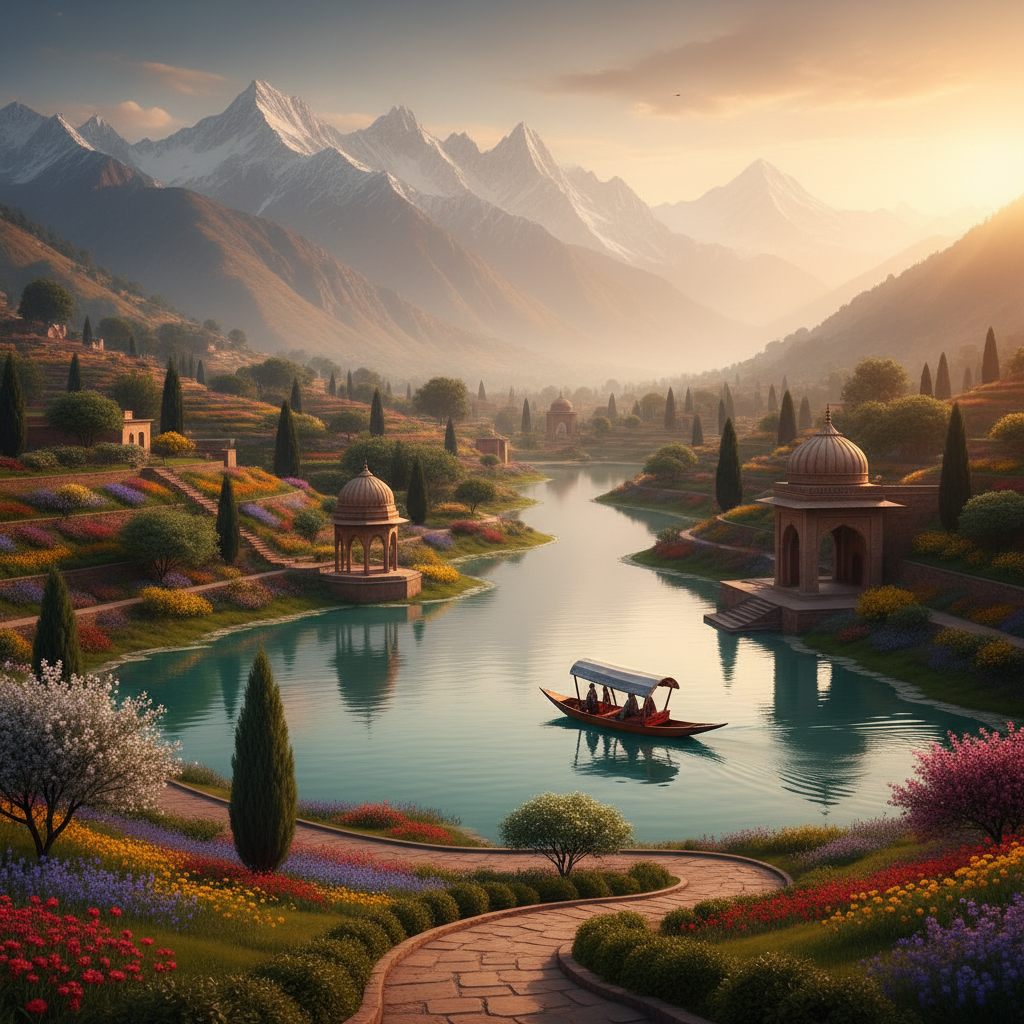
Welcome to Jammu City: An Overview of the City of Temples
Jammu City, often revered as the 'City of Temples,' is the winter capital of Jammu and Kashmir, brimming with rich history, vibrant culture, and profound spirituality. This isn't just a transit point for pilgrims heading to Vaishno Devi; it's a destination in itself, offering a unique blend of ancient temples, majestic forts, and serene natural landscapes. Our guide is crafted for the curious traveler looking to delve beyond the surface, providing a local's perspective on what truly makes Jammu special. From the bustling Raghunath Temple complex to the tranquil banks of the Tawi River, every corner tells a story. We’ll help you navigate the city's charming lanes, discover its hidden gems, and experience the warm hospitality of its people. Whether you're a history buff, a spiritual seeker, or simply looking for an authentic Indian experience, Jammu City offers a rewarding journey. We at Mid Holidays believe in showcasing the true essence of each destination, and Jammu City is no exception. Get ready to uncover the soulful heart of this historic city.
Best Time to Visit Jammu City for Sightseeing
The ideal time to explore the Jammu City tourist places is during the autumn and winter months, specifically from October to March. During this period, the weather is pleasantly cool and comfortable, making it perfect for sightseeing and outdoor activities. The daytime temperatures usually hover around 15°C to 25°C, offering a refreshing escape from the heat of other parts of India. Spring, from March to April, is also a beautiful time, with blooming flowers and moderate temperatures before the summer heat sets in. May to September marks the summer and monsoon season. Summers can be quite hot, with temperatures often exceeding 35°C, which might make extensive outdoor exploration less enjoyable. The monsoon, while bringing greenery, can also lead to occasional disruptions due to heavy rainfall, though it’s generally less severe than in some other regions. For a truly immersive and comfortable experience, plan your visit when the 'City of Temples' is at its most inviting, allowing you to fully appreciate its architectural wonders and spiritual ambiance without battling extreme weather conditions.
Exploring Jammu City: A 3-Day Itinerary for Spiritual & Historical Sites
To truly experience the Jammu City tourist places, a 3-day itinerary is perfect. Day 1: Start your spiritual journey at the grand Raghunath Temple, the largest temple complex in North India, dedicated to Lord Rama. Spend ample time admiring its intricate architecture and numerous shrines. Afterwards, visit the nearby Ranbireshwar Temple, dedicated to Lord Shiva, known for its colossal Shivling. In the afternoon, head to the Bahu Fort, an ancient fort offering panoramic views of the Tawi River and the city. Explore the Bawe Wali Mata Temple inside the fort and the beautiful Bagh-e-Bahu garden. Day 2: Begin with the serene Mahamaya Temple, perched atop a hill, providing stunning vistas. Then, immerse yourself in history at the Amar Mahal Palace Museum, a picturesque 19th-century palace now housing a collection of royal artifacts, paintings, and sculptures. Conclude your day with a visit to the Mubarak Mandi Palace complex, the former royal residence, showcasing a blend of Rajasthani, Mughal, and European architectural styles. Day 3: Dedicate your morning to the revered Peer Kho Cave Temple, one of the oldest shrines in Jammu. Later, explore the spiritual tranquility of the Shiv Khori Cave Shrine, a natural cave abode of Lord Shiva (this might require a slightly longer drive outside the immediate city, so plan accordingly or opt for local markets). Alternatively, for a more relaxed third day within the city, visit the scenic Mansar Lake for boating and enjoying nature, a short drive from Jammu. This itinerary balances spiritual exploration with historical insights and natural beauty.
How to Reach Jammu City: Transport Options & Local Travel
Reaching Jammu City, a key gateway to the union territory, is quite straightforward. The city is well-connected by air, rail, and road. By air, Jammu Airport (IXJ) has regular flights from major Indian cities like Delhi, Mumbai, and Srinagar. It's conveniently located just about 8 kilometers from the city center, and prepaid taxis or app-based cabs are readily available outside the terminal, costing around INR 300-500 depending on your destination. By rail, Jammu Tawi Railway Station (JAT) is a significant railhead, connected to most parts of India with numerous express trains. From the railway station, auto-rickshaws and taxis are easily accessible, with fares ranging from INR 150-300 for short distances within the city. By road, national highways connect Jammu to various cities. State-run and private buses operate frequently from Chandigarh, Delhi, and other North Indian cities. Within Jammu City, local transport includes auto-rickshaws (fares typically start at INR 50-100 for short rides and can be negotiated for longer distances), local buses (very economical but can be crowded), and app-based taxi services like Ola and Uber, which are gaining popularity. For sightseeing, hiring a local taxi for a full day can be a convenient option, costing approximately INR 2000-3000 depending on the itinerary and vehicle type. Ensure to negotiate fares with auto-rickshaws before starting your journey, especially if they are not metered.
Where to Stay and Eat in Jammu City
Jammu City offers a range of accommodation options to suit various budgets and preferences. For those seeking comfort and amenities, hotels like Lemon Tree Hotel, Country Inn & Suites by Radisson, or Zone by The Park Jammu provide excellent services with room rates generally ranging from INR 4000 to INR 7000 per night. Mid-range options include Hotel Fortune Inn Riviera and Hotel Hari Niwas Palace, offering good value for INR 2500 to INR 4500. Budget travelers can find numerous guesthouses and smaller hotels near the railway station and city center, with prices starting from INR 1000 to INR 2000. It's advisable to book in advance, especially during peak pilgrimage seasons. When it comes to food, Jammu's culinary scene is a delight. Don't miss trying the authentic Dogra cuisine. Must-try dishes include Rajma Chawal (kidney beans with rice), Kaladi Kulcha (a local cheese bread), Sund Panjeeri (a sweet dish), and Kashmiri Pulao. For a wholesome meal, visit Pahalwan di Hatti for their famous Chole Bhature or the popular street food joints around Raghunath Bazaar. For a more formal dining experience, many hotels have in-house restaurants serving a mix of Indian and international cuisines. A meal at a local eatery typically costs INR 200-400 per person, while a fine-dining experience might be INR 700-1500 per person. Always opt for freshly prepared food from reputable establishments to ensure hygiene and taste.
Essential Packing List for Your Jammu City Trip
Packing smart for your Jammu City tourist places adventure can significantly enhance your experience. Regardless of the season, a few essentials remain constant. Always carry comfortable walking shoes, as you'll be doing a lot of exploring, particularly around temples and forts. Sunscreen, sunglasses, and a wide-brimmed hat are crucial for protection against the sun, even during winter, as the sun can be quite strong. For clothing, if you're visiting between October and March, pack warm layers including sweaters, jackets, and shawls, as evenings can get chilly. During summer (May to September), light cotton clothing is ideal. If visiting during monsoon, a lightweight raincoat or umbrella is a must. Remember to pack any personal medications, a basic first-aid kit, and hand sanitizer. A power bank for your mobile phone and camera is highly recommended, especially when you're out all day. For temple visits, modest clothing (covering shoulders and knees) is respectful and often required. A small backpack will be useful for carrying water bottles and essentials while sightseeing. Lastly, keep your identity documents (ID proof and tickets/bookings) easily accessible. Being prepared ensures a hassle-free and enjoyable exploration of Jammu's rich cultural and spiritual landscape.
Safety Tips and Local Etiquette in Jammu City
Jammu City is generally a safe place for tourists, but like any travel destination, it's wise to be aware of local customs and take basic precautions. Always be mindful of your belongings, especially in crowded markets and religious sites. It's advisable to avoid walking alone in poorly lit areas late at night. When visiting temples and other religious places, dress modestly, removing your shoes before entering, and respect local customs. Photography might be restricted in certain areas, so always look for signs or ask for permission. Bargaining is common in local markets, so don't hesitate to negotiate prices politely. Be cautious of unsolicited offers from touts or guides; if you need assistance, approach official tourism counters or your hotel staff. The local language is Dogri, but Hindi and English are widely understood. People are generally friendly and helpful. When interacting, a respectful 'Namaste' or 'Jai Mata Di' (especially near Vaishno Devi) is always appreciated. It's also a good practice to carry a copy of your identification documents and keep original passports/visas in a safe place. Staying hydrated and being aware of your surroundings will contribute to a safe and enriching experience as you explore the numerous Jammu City tourist places.
Common Mistakes to Avoid When Visiting Jammu City
To ensure a smooth and enjoyable trip exploring Jammu City tourist places, it's helpful to be aware of some common pitfalls. One major mistake is treating Jammu merely as a transit point for Vaishno Devi. While it's a gateway, the city itself offers a wealth of cultural and historical attractions that deserve dedicated time. Another error is not planning your transport in advance, especially during peak seasons; taxis and auto-rickshaws can be in high demand, leading to inflated prices. Always agree on a fare beforehand or use metered/app-based services. Overlooking modest dressing, particularly for temple visits, can be disrespectful to local customs and may even prevent entry to certain shrines. Don't forget to remove your footwear before entering temples. Many visitors also underestimate the sun's intensity, even in cooler months; neglecting sunscreen and hydration can lead to discomfort. Relying solely on credit cards is another mistake; while modern establishments accept them, local markets and smaller eateries often prefer cash, so carry adequate INR. Lastly, not trying the local Dogri cuisine is a missed opportunity; move beyond standard North Indian fare and savor the unique flavors of Jammu. By avoiding these common errors, your visit to the City of Temples will be much more rewarding and memorable. For seamless planning and local insights, consider Mid Holidays for your Jammu City explorations.
Related Kashmir Guides & Services
<p>Planning the rest of your trip? These Mid Holidays guides pair well with this article:</p><ul><li><a href="/blog/pampore-saffron-fields-visit-guide">Pampore Saffron Fields Visit Guide: Kashmir's Golden Bloom</a></li><li><a href="/blog/kishtwar-travel-guide-kashmir-hidden-paradise">Kishtwar Travel Guide: Explore Kashmir's Hidden Paradise with Mid Holidays</a></li><li><a href="/blog/pattan-travel-guide">Pattan Travel Guide: Explore Kashmir's Historic Hub & Beyond</a></li><li><a href="/blog/plan-your-perfect-trip-to-kashmir">Plan Your Perfect Trip to Kashmir: The Ultimate Guide by Mid Holidays</a></li><li><a href="/blog/yusmarg-day-trip-itinerary">Your Ultimate Yusmarg Day Trip Itinerary from Srinagar</a></li></ul>
Frequently Asked Questions
What are the must-visit spiritual sites in Jammu City?
Jammu City, known as the 'City of Temples,' boasts several significant spiritual sites. The Raghunath Temple complex is a must-visit, housing numerous shrines and a grand architecture. Ranbireshwar Temple, dedicated to Lord Shiva, is another prominent spiritual stop. Don't miss the ancient Peer Kho Cave Temple and the temple inside Bahu Fort, offering spiritual solace amidst historical grandeur. These sites provide a deep insight into the region's religious heritage.
Is Jammu City suitable for a family trip with children?
Yes, Jammu City is quite suitable for a family trip with children. Besides the spiritual sites, places like Bagh-e-Bahu garden, with its beautiful terraced lawns and views, offer open space for kids. The Mansar Lake, a short drive away, is perfect for boating and picnics. The Amar Mahal Palace Museum can also be an engaging educational experience for older children interested in history. The city's overall calm atmosphere makes it comfortable for families.
What kind of local cuisine should I try in Jammu City?
When in Jammu City, you absolutely must try the local Dogri cuisine. Signature dishes include the hearty Rajma Chawal, a staple for many. Kaladi Kulcha, a unique local cheese served in a bun, is a popular snack. For something sweet, Sund Panjeeri is a traditional delicacy. Also, look out for Kachalu Chaat and Patisa. These dishes offer a distinct flavor profile, different from other Indian cuisines, and are widely available.
How safe is it to travel around Jammu City as a solo female traveler?
Jammu City is generally considered safe for solo female travelers, especially during daylight hours. However, as with any destination, it's always advisable to exercise caution. Stick to well-lit and populated areas, avoid walking alone late at night, and pre-book taxis through reputable services or apps. Dress modestly, particularly when visiting religious sites, and inform your hotel about your daily plans. Trust your instincts and be aware of your surroundings.
Are there any specific cultural events or festivals in Jammu City worth experiencing?
Jammu City celebrates several vibrant festivals reflecting its rich cultural tapestry. The Lohri festival in January is celebrated with great enthusiasm, featuring bonfires and traditional dances. The annual Bahu Mela, held twice a year (March-April and September-October) at Bahu Fort, is a significant event drawing large crowds. Additionally, during Navratri, the city comes alive with special prayers and festivities, especially at the temples dedicated to the Goddess. Witnessing these events offers a deeper cultural immersion.
What are some lesser-known or offbeat places to visit near Jammu City?
Beyond the main attractions, there are a few charming spots near Jammu City. Surinsar Lake, often called the 'Twin Lakes' along with Mansar, offers a tranquil escape, ideal for nature lovers. For those interested in history and archaeology, Akhnoor Fort, located on the Chenab River, holds significant historical importance and offers scenic views. These places provide a peaceful retreat from the bustling city and a glimpse into different facets of the region's heritage.