Pattan Travel Guide: Explore Kashmir's Historic Hub & Beyond
Kashmir Offbeat Destinations
Uncover the charm of Pattan with our comprehensive travel guide. Discover its rich history, spiritual sites, and nearby hidden gems for an authentic Kashmir…
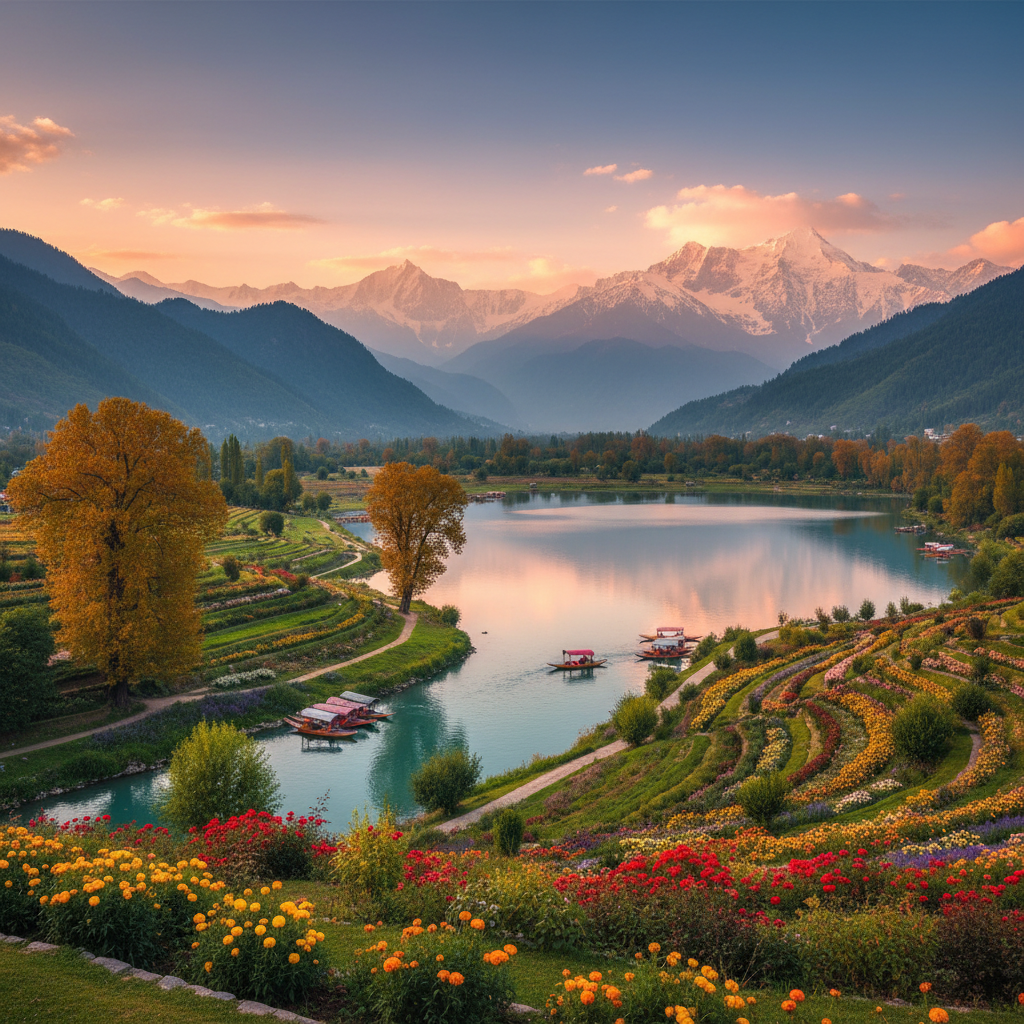
Unveiling Pattan: Kashmir's Historic Crossroads
Pattan, nestled in the Baramulla district of Kashmir, often gets overshadowed by its more famous neighbours. However, for those seeking a deeper dive into Kashmir's rich tapestry of history, culture, and spirituality, Pattan is a treasure trove waiting to be discovered. Located on the Srinagar-Baramulla highway, approximately 27 kilometres northwest of Srinagar, this ancient town serves as a crucial crossroads, reflecting centuries of trade, religion, and power shifts. Historically known as Shankarapura, founded by King Shankaravarman in the 9th century, Pattan boasts significant archaeological ruins, including two prominent Hindu temples, that stand as silent witnesses to its glorious past. It's a place where history isn't just in books; it's etched into the very stones and soil. This Pattan Travel Guide aims to illuminate its unique appeal, offering travellers an authentic glimpse into a less-explored facet of the Kashmir Valley. It’s ideal for history buffs, spiritual seekers, and those who appreciate venturing off the beaten path to connect with the genuine essence of a place. Don't expect bustling markets or crowded tourist spots; Pattan offers a serene, introspective experience, allowing you to absorb its historical grandeur at your own pace.
Best Time to Visit and Ideal Duration for Pattan
The best time to visit Pattan largely aligns with the broader Kashmir Valley, favouring the spring and autumn months for comfortable exploration. Spring, from April to June, sees the valley burst into life with vibrant blossoms and pleasant temperatures ranging from 10°C to 25°C. This is an excellent time to explore the ancient ruins without the discomfort of extreme heat. Autumn, from September to November, offers crisp air, clear skies, and the breathtaking spectacle of chinar trees turning golden and crimson, with temperatures between 5°C and 20°C. Winter, from December to March, brings snow and colder temperatures, often below freezing, which can make exploring outdoor archaeological sites challenging, though the snow-clad landscape has its own unique beauty for those prepared for the cold. The monsoon season, typically July and August, can bring heavy rainfall, potentially disrupting travel plans and making exploration difficult. For an ideal visit, allowing you to thoroughly explore the historical sites and perhaps visit nearby attractions, plan for a full day. While Pattan can be seen as a half-day stopover, dedicating 5-6 hours ensures you don't rush through its significant archaeological treasures and allows for a leisurely lunch.
Reaching Pattan: Transport Options and Road Conditions
Pattan’s strategic location on the Srinagar-Baramulla National Highway (NH1) makes it easily accessible. The most common way to reach Pattan is by road from Srinagar, which is the closest major city with an airport (Sheikh ul-Alam International Airport, Srinagar, SXR). A taxi from Srinagar to Pattan will cost approximately INR 1200-1800 for a one-way trip, depending on the type of vehicle and your negotiation skills. The journey typically takes around 1 to 1.5 hours, covering about 27 kilometres. You can also opt for shared taxis or local buses departing from various points in Srinagar, such as Batamaloo or Lal Chowk, which are significantly more economical, usually costing around INR 100-200 per person. These shared vehicles often stop at Pattan. The road conditions along NH1 are generally excellent, offering a smooth and scenic drive through the valley. However, during heavy snowfall in winter, traffic can be slow or occasionally diverted. It's always advisable to check local road conditions if travelling in peak winter. Mid Holidays also offers private car rentals with experienced drivers, providing a comfortable and hassle-free way to explore Pattan and its surroundings at your own pace, allowing for stops along the way to capture the beautiful Kashmiri landscape.
Exploring Pattan's Ancient Wonders: Key Attractions
The primary draw of Pattan lies in its archaeological sites, offering a tangible link to Kashmir's ancient past. The most significant are the two temples attributed to King Shankaravarman, dating back to the 9th century. Although largely in ruins, these temples showcase impressive Kashmiri architecture, a blend of Gandhara, Gupta, and Roman influences, distinct from other temple styles in India. The larger temple, often referred to as the 'Shankaragaurishvara Temple,' dedicated to Lord Shiva, features intricate carvings and a spacious courtyard. The smaller, dedicated to 'Sugandhesa,' Shankaravarman's queen, is equally captivating. These aren't preserved like modern museums; they are open-air ruins, allowing you to walk among the remnants of history. Beyond the temples, Pattan is a bustling town with a vibrant local market, particularly known for its agricultural produce. While there aren't specific 'tourist' shops, exploring the local market provides an insight into daily Kashmiri life. For those interested in local crafts, you might find small stalls selling traditional items. The sheer age and architectural significance of the temples make them a must-visit for anyone with an interest in Indian history and art, offering a quiet contrast to the grandeur of Mughal gardens.
Where to Eat in Pattan: Local Flavours
Pattan offers a genuine taste of local Kashmiri cuisine, though dining options are more focused on everyday eateries rather than upscale restaurants. You won't find fine dining experiences here, but you will find authentic, delicious food. Roadside dhabas and small local restaurants along the highway are your best bet for a meal. Expect to find staples like rogan josh (a flavourful lamb curry), yakhni (a delicate yoghurt-based lamb curry), various chicken and mutton preparations, and traditional Kashmiri bread like lavasa and tschot. For vegetarians, options include rajma (kidney bean curry), haakh (collard greens), and paneer dishes. Don't miss trying the local tea, 'noon chai' or 'sheer chai,' a salty pink tea, or the sweet 'kahwa,' a green tea infused with saffron and spices. A typical meal at a local eatery might cost anywhere from INR 200-500 per person, offering good value for money. These establishments are generally clean and offer a peek into the local culinary scene. Always ask about the day's fresh specials. It's a great opportunity to savour Kashmiri comfort food prepared with traditional methods, a stark contrast to the more tourist-centric offerings in Srinagar or Gulmarg.
Pattan as a Base: Exploring Nearby Hidden Gems
While Pattan itself is a compact historical site, its central location makes it an excellent gateway to explore some of Kashmir's lesser-known, yet equally enchanting, destinations. Just a short drive away is Wular Lake, one of Asia's largest freshwater lakes, offering breathtaking vistas and opportunities for birdwatching or a quiet boat ride. Its serene beauty is a stark contrast to the historical ruins of Pattan. Another nearby gem is Manasbal Lake, often considered the 'jewel in the crown' of all Kashmir lakes, known for its pristine waters and lotus blooms in summer. The ancient Mughal Garden of Garoka, overlooking Manasbal, adds to its charm. For those interested in spiritual journeys, the famous Sufi shrine of Baba Reshi, nestled amidst pine forests, is also within a reasonable driving distance, offering a peaceful retreat. Exploring these nearby areas from Pattan allows for a diverse itinerary that combines history, nature, and spirituality, providing a more comprehensive and authentic Kashmiri experience away from the usual tourist circuits. Consider a full-day excursion covering Wular Lake and Manasbal Lake, which would involve a drive of about 1-1.5 hours each way from Pattan.
Practical Tips for Travellers in Pattan
When visiting Pattan, practical considerations will enhance your experience. While there are no specific entry fees for the Pattan ruins, respectful behaviour is always appreciated. Dress modestly, especially when visiting spiritual sites or local areas, as a mark of respect for local customs. Wear comfortable walking shoes, as you'll be exploring archaeological sites on foot. Carry sufficient cash in Indian Rupees (INR) as card payment facilities might be limited in smaller eateries or shops. Though the area is generally safe, it's always wise to be aware of your surroundings and keep your belongings secure. English is understood by many in the tourism sector, but learning a few basic Kashmiri or Hindi phrases like 'Assalamu Alaikum' (hello) or 'Shukriya' (thank you) can go a long way in connecting with locals. Photography is generally permitted at the ruins, but always be mindful and respectful of local sentiments, especially if photographing people. Avoid visiting during bandh (strike) calls, which can sometimes affect public transport and local businesses. Keep your itinerary flexible, as local conditions can sometimes lead to minor adjustments. By being prepared, you can fully immerse yourself in Pattan's historical and cultural offerings.
Related Kashmir Guides & Services
<p>Planning the rest of your trip? These Mid Holidays guides pair well with this article:</p><ul><li><a href="/blog/places-to-visit-near-doodhpathri">Beyond Doodhpathri: Top Places to Visit Near Doodhpathri</a></li><li><a href="/blog/peer-ki-gali-kashmir-travel-guide">Peer Ki Gali Kashmir: The Ultimate Travel Guide to Pir Panjal Pass</a></li><li><a href="/blog/pampore-saffron-fields-visit-guide">Pampore Saffron Fields Visit Guide: Kashmir's Golden Bloom</a></li><li><a href="/blog/places-to-visit-near-yusmarg">Hidden Gems: Places to Visit Near Yusmarg for a Serene Kashmir Escape</a></li><li><a href="/blog/kishtwar-travel-guide-kashmir-hidden-paradise">Kishtwar Travel Guide: Explore Kashmir's Hidden Paradise with Mid Holidays</a></li></ul>
Frequently Asked Questions
What is Pattan known for historically?
Pattan is historically significant as the ancient capital of Kashmir, known as Shankarapura, founded by King Shankaravarman in the 9th century. It is renowned for its archaeological ruins, particularly two well-preserved Hindu temples dedicated to Shankaragaurishvara (Lord Shiva) and Sugandhesa, showcasing unique Kashmiri architectural styles influenced by various ancient traditions. These ruins provide valuable insights into Kashmir's rich pre-Islamic history and artistic heritage, drawing history enthusiasts.
Are there any entry fees to visit the Pattan ruins?
No, there are no official entry fees to visit the archaeological ruins of Pattan. The sites are open to the public, allowing visitors to explore the ancient temples and their surroundings freely. While accessibility is easy, visitors are encouraged to respect the historical significance of the site and maintain cleanliness. There are no ticket counters or designated guides, so it's a self-guided exploration into history.
What kind of food can I expect in Pattan?
In Pattan, you can expect authentic local Kashmiri cuisine, often found in roadside dhabas and small, traditional eateries. Staples include rich non-vegetarian dishes like Rogan Josh and Yakhni, along with various chicken and mutton preparations. Vegetarian options such as Rajma and Haakh are also common. Don't miss trying local breads, Noon Chai (salty pink tea), and Kahwa (spiced green tea). Prices are generally very affordable.
Can I visit Pattan as a day trip from Srinagar?
Yes, Pattan is an excellent destination for a day trip from Srinagar. Located approximately 27 kilometres away, it's about a 1 to 1.5-hour drive by car. You can easily spend half a day exploring its historical ruins and local market, making it a comfortable return trip to Srinagar within a day. Many travellers combine Pattan with visits to nearby Wular or Manasbal Lake for a fuller day out.
Is it safe for solo female travellers to visit Pattan?
Pattan is generally considered safe for solo female travellers, as is much of the Kashmir Valley. Locals are hospitable and respectful. However, it's always advisable to take standard precautions: avoid venturing out alone after dark, dress modestly, and inform someone of your itinerary. Using reputable transport and staying aware of your surroundings will contribute to a safe and enjoyable experience.
Are there accommodation options directly in Pattan?
Pattan does not have a wide range of dedicated tourist accommodation options like hotels or guesthouses. Most visitors prefer to stay in Srinagar and visit Pattan as a day trip, given its close proximity. For those seeking basic accommodation, you might find a few budget guesthouses or homestays, but they are not typically geared towards international tourists. It is recommended to base yourself in Srinagar for comfort and choice.
What is the cultural significance of the temples in Pattan?
The temples in Pattan hold immense cultural significance as they represent a unique period in Kashmiri history and architectural evolution. Built during the Karkota dynasty, they showcase a distinct fusion of Indian, Gandharan, and Central Asian artistic influences, characterised by massive stone blocks, elaborate carvings, and a pyramidal roof structure. These temples are crucial for understanding the artistic and religious syncretism that prevailed in Kashmir centuries ago, providing a window into its rich past.