Places to Visit in Bangus Valley: Kashmir's Pristine Hidden Gem
Kashmir's Virgin Meadows Exploration Guide
Uncover the breathtaking places to visit in Bangus Valley, Kashmir's unspoiled paradise. Our guide provides practical tips for exploring this pristine…
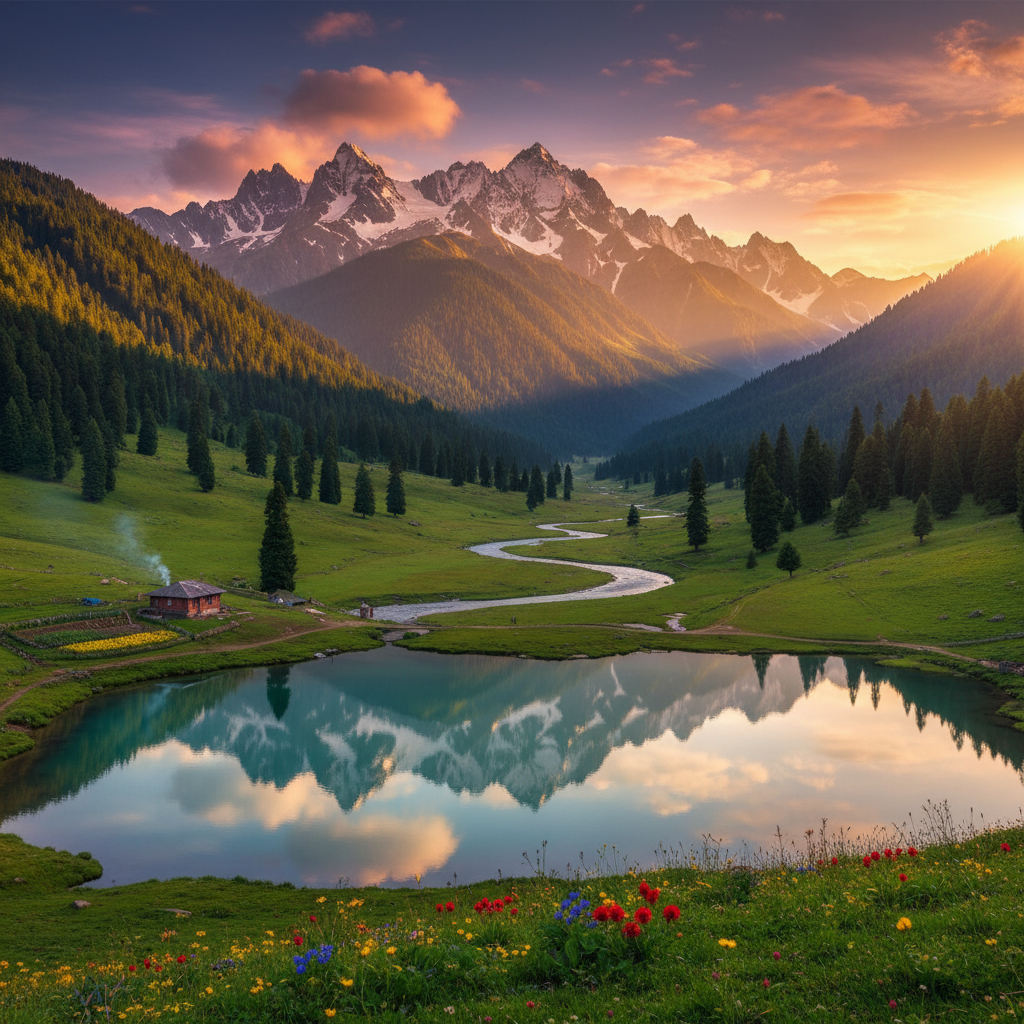
Discovering Bangus Valley: An Overview of Kashmir's Pristine Gem
Bangus Valley, locally known as 'Bungus,' is one of Kashmir's best-kept secrets, a vast expanse of lush green meadows nestled in the Kupwara district. Unlike the more bustling tourist spots like Gulmarg or Pahalgam, Bangus offers an untouched, serene beauty that appeals to adventurers and nature lovers seeking solitude. This valley remains largely unexplored by mainstream tourism, preserving its pristine ecosystem and tranquil atmosphere. It's a place where time seems to slow down, allowing you to connect with nature without distractions. The valley is characterized by its rolling hills, meandering streams, and rich biodiversity, making it a haven for various species of flora and fauna. For those who yearn for an authentic, off-the-beaten-path experience, exploring the places to visit in Bangus Valley promises an unforgettable journey into the heart of virgin Kashmir.
Best Time to Visit Bangus Valley for Optimal Exploration
The optimal time to explore the places to visit in Bangus Valley is during the summer months, from May to September. During this period, the snow has largely melted, revealing vibrant green meadows dotted with wildflowers. The weather is generally pleasant, with daytime temperatures ranging from 15°C to 25°C, making it ideal for trekking, camping, and leisurely walks. Monsoon season, typically from July to August, can bring occasional rainfall, which might make some trails slippery but also enhances the valley's lushness. However, heavy rains can sometimes disrupt road access. Autumn, in late September and October, offers a different charm with golden hues painting the landscape, though temperatures start to drop. Winters from November to April see heavy snowfall, making the valley largely inaccessible and primarily suited for experienced winter trekkers or those seeking a true wilderness experience. For first-time visitors keen on enjoying the full spectrum of Bangus's natural beauty, the summer window is undoubtedly the best choice.
Planning Your Bangus Valley Itinerary: A Day-by-Day Journey
A typical exploration of the places to visit in Bangus Valley usually involves a multi-day trip due to its remote location. A well-planned 3-day itinerary from Srinagar would look something like this: Day 1: Depart Srinagar early morning for Reshwari or Chowkibal, the gateways to Bangus (approximately 4-5 hours drive). From there, you'll need to arrange local transport or ponies to reach the core valley which can take another 2-3 hours depending on the starting point and road conditions. Set up camp and spend the afternoon soaking in the initial views. Day 2: Dedicate this day to exploring the vast meadows. Trek towards Satkool and Bodh Bangus, two prominent areas within the larger valley, enjoying the unspoiled landscapes, observing local wildlife, and perhaps interacting with bakarwal (shepherd) families. Pack a picnic lunch and spend the day immersing yourself in nature. Day 3: Enjoy a final sunrise in the valley. After breakfast, trek back to your vehicle pickup point near Reshwari/Chowkibal and begin your return journey to Srinagar. This allows for a comprehensive yet unhurried experience of this magical destination.
Reaching Bangus Valley: Transport Options and Road Conditions
Reaching the places to visit in Bangus Valley requires a bit of planning, given its offbeat nature. The primary approach is via road from Srinagar to Kupwara district. From Srinagar, you can hire a private taxi directly to Reshwari or Chowkibal (around 100-120 km, 4-5 hours). The approximate cost for a taxi round trip could range from INR 4,000 - 6,000, depending on the vehicle type and duration. From Reshwari or Chowkibal, the main challenging part begins. The last stretch to the heart of Bangus Valley is often accessible only by 4x4 vehicles (like a Bolero or Scorpio, driven by local experienced drivers) or by pony/foot. The roads leading into the valley from Chowkibal are partially motorable and can be rough and narrow, especially after rain, making a 4x4 highly recommended. It’s crucial to arrange this local transport in advance, preferably through locals or a trusted tour operator like Mid Holidays who have experience navigating these terrains. Always check current road conditions and local advisories before planning your trip, particularly during the shoulder seasons.
Accommodation, Food, and Local Interactions in Bangus
When exploring the places to visit in Bangus Valley, it's important to understand that traditional accommodation like hotels or guesthouses are non-existent within the main meadows. The most authentic and recommended way to stay is by camping. You'll need to carry all your camping gear, including tents, sleeping bags, and cooking equipment. Some local shepherds might offer basic shelter or a meal as part of their hospitality, but this should not be relied upon for a planned stay. For food, it's best to carry ready-to-eat items, dry snacks, and ingredients for simple meals that can be cooked over a portable stove. There are no restaurants or shops in the valley. Interacting with the local Bakarwal and Gujjar communities, who are semi-nomadic shepherds, is a highlight of a Bangus trip. They are known for their warm hospitality and can offer unique insights into their way of life. Always approach with respect and a genuine interest in their culture. A small gesture of gratitude, like sharing some of your provisions, can go a long way in fostering positive interactions.
Must-See Spots and Activities within Bangus Valley
The central allure of the places to visit in Bangus Valley lies in its expansive, unbroken verdant meadows. Key areas within the larger valley include Bodh Bangus and Satkool Bangus, both offering breathtaking panoramic views and ideal spots for camping. Trekking is the primary activity here, with numerous trails weaving through the valley, leading to hidden springs and elevated viewpoints. Look out for the crystal-clear streams like the Tilwan Kul and Douda Kul, which are perfect for a refreshing break and offer picturesque photo opportunities. Bangus is also a paradise for birdwatchers and wildlife enthusiasts; keep an eye out for a variety of Himalayan birds, and if you're lucky, perhaps even a brown bear or musk deer in the deeper, more secluded parts (though encounters are rare, always be aware). Horse riding can be arranged with local guides, providing an alternative way to traverse the vast meadows. Photography is another popular pursuit, with every turn revealing a frame-worthy landscape. Don't forget to simply sit back, breathe in the fresh air, and soak in the profound tranquility of this untouched wonderland.
Essential Packing List for a Bangus Valley Adventure
Given Bangus Valley's remote and undeveloped nature, a thoughtful packing list is crucial for your comfort and safety. Start with sturdy, waterproof trekking shoes, ideally ankle-high to support your feet on uneven terrain. Layered clothing is a must, including warm jackets, thermal wear, and waterproof outerwear, as weather in the mountains can change rapidly. Don't forget rain gear even in summer. For camping, carry a three-season tent, a warm sleeping bag (rated to 0°C or below), and a sleeping mat. A headlamp or flashlight, a first-aid kit with personal medications, a high-SPF sunscreen, insect repellent, and a good quality water bottle or hydration pack are essential. Food and water are critical – pack high-energy snacks, dry fruits, and a portable water filter or purifier. A power bank for your electronics, a camera with extra batteries, and a small backpack for day excursions will complete your gear. Remember, you'll be carrying everything, so pack light but smart. For permit information, always check with local authorities in Kupwara or your tour operator as regulations can change.
Safety, Local Etiquette, and Environmental Responsibility
Safety in Bangus Valley primarily revolves around being prepared for a wilderness environment. Always trek with a local guide, especially if venturing into less-known areas. Inform local authorities or your accommodation in Srinagar of your itinerary. Mobile network connectivity is minimal to non-existent in much of Bangus, so plan accordingly. Be mindful of wild animals and keep food sealed. Regarding local etiquette, respect the privacy and traditions of the Bakarwal and Gujjar communities. Always ask for permission before taking photographs of people. Dress modestly, especially when interacting with locals or visiting any religious sites near the access points. Most importantly, practice Leave No Trace principles: carry back all your waste, avoid disturbing wildlife, and keep noise levels to a minimum to preserve the valley's pristine environment. Bangus is a fragile ecosystem, and every visitor plays a role in its conservation. Choosing a responsible tour operator like Mid Holidays who champions sustainable tourism practices can further enhance your positive impact on this beautiful region.
Related Kashmir Guides & Services
<p>Planning the rest of your trip? These Mid Holidays guides pair well with this article:</p><ul><li><a href="/blog/best-time-to-visit-bangus-valley-kashmir">Best Time to Visit Bangus Valley: Your Ultimate Guide to Kashmir's Hidden Gem</a></li><li><a href="/blog/leh-to-chang-la-taxi-service">Leh to Chang La Taxi Service: Your Ultimate High-Altitude Journey Guide</a></li><li><a href="/blog/kashmir-travel-plan-ultimate-guide">Your Ultimate Kashmir Travel Plan: A 7-Day Itinerary Guide</a></li><li><a href="/blog/bangus-valley-tour-mid-holidays-guide">Bangus Valley Tour: Your Ultimate Guide to Kashmir's Hidden Gem</a></li><li><a href="/blog/plan-your-perfect-trip-to-kashmir">Plan Your Perfect Trip to Kashmir: The Ultimate Guide by Mid Holidays</a></li></ul>
Frequently Asked Questions
Is Bangus Valley safe for tourists?
Yes, Bangus Valley is generally safe for tourists, especially when traveling with a reputable local guide and adhering to recommended safety practices. Its remote location means fewer disturbances, but it's crucial to be mindful of wildlife and rapidly changing mountain weather. Always inform local authorities or your tour operator about your plans, and avoid venturing alone into unknown areas. Following basic wilderness safety measures ensures a secure and enjoyable visit.
Are there any permits required to visit Bangus Valley?
Currently, formal permits are not typically required for Indian nationals to visit Bangus Valley. However, due to its proximity to the Line of Control (LOC), visitors are sometimes asked to register at army checkpoints in areas like Reshwari or Chowkibal. Foreign nationals might require special permits or have additional restrictions, so it is highly advisable for all visitors to check the latest regulations with local authorities or their tour operator before planning their trip to avoid any last-minute issues. Regulations can change, so always verify.
Can I find any hotels or guesthouses in Bangus Valley?
No, Bangus Valley is an undeveloped wilderness area, and there are no commercial hotels or guesthouses within the main meadows. Accommodation is exclusively limited to camping. Travelers must bring their own camping equipment, including tents, sleeping bags, and cooking gear. Some basic homestays or very simple guest houses might be available in the gateway villages like Reshwari or Chowkibal, but these are minimal and booking in advance is essential if you don't plan to camp directly in the valley.
What kind of wildlife can be seen in Bangus Valley?
Bangus Valley is a biodiverse region, home to a variety of Himalayan wildlife, though sightings often require patience and luck. Common animals include the Himalayan brown bear, musk deer, barking deer, and different species of wild goats. It's also a birdwatcher's paradise, with numerous Himalayan and migratory bird species. While encountering larger animals is rare, visitors should always be aware of their presence, especially during early mornings or late evenings. Always maintain a safe distance and never attempt to feed wildlife.
Is it possible to visit Bangus Valley on a day trip from Srinagar?
While technically possible, visiting Bangus Valley on a day trip from Srinagar is not recommended if you wish to truly experience its beauty. The drive to the valley's access points (Reshwari/Chowkibal) alone takes 4-5 hours each way, and then you typically need at least 2-3 hours to reach the main meadows by 4x4 or pony. This leaves very little time to explore before needing to head back, making for an extremely rushed and tiring experience. A minimum of 2-3 days, including an overnight camp, is ideal for a fulfilling visit.
What is the approximate cost for a Bangus Valley trip?
The cost for a Bangus Valley trip can vary widely depending on factors like group size, vehicle choice, and duration. For a 2-3 day trip from Srinagar, expect the main costs to be transport (Srinagar to Reshwari/Chowkibal taxi round trip: INR 4,000-6,000, local 4x4 or pony: INR 2,000-4,000 per day), a local guide (INR 1,500-2,500 per day), and personal camping gear/food. Conservatively, a budget for a solo traveler could range from INR 8,000-15,000 for a 2-day trip, excluding specialist gear, but sharing costs makes it more economical per person. Mid Holidays can provide tailored package estimates.
How difficult is the trek in Bangus Valley?
The trek within Bangus Valley itself is generally considered easy to moderate. The core meadows are relatively flat and gently undulating, making for pleasant walking. However, reaching the actual valley from the motorable road points (Reshwari/Chowkibal) involves a journey over rough tracks, which can be challenging for those unaccustomed to it. No technical climbing is involved, but good physical fitness helps. Prepare for walking long distances on uneven terrain. Proper footwear is essential for comfort and to prevent injuries.