Kishtwar Travel Guide: Explore Kashmir's Hidden Paradise with Mid Holidays
Kashmir Offbeat Destinations
Uncover the magic of Kishtwar with this comprehensive travel guide. Discover its serene valleys, ancient shrines, and pristine landscapes for an…
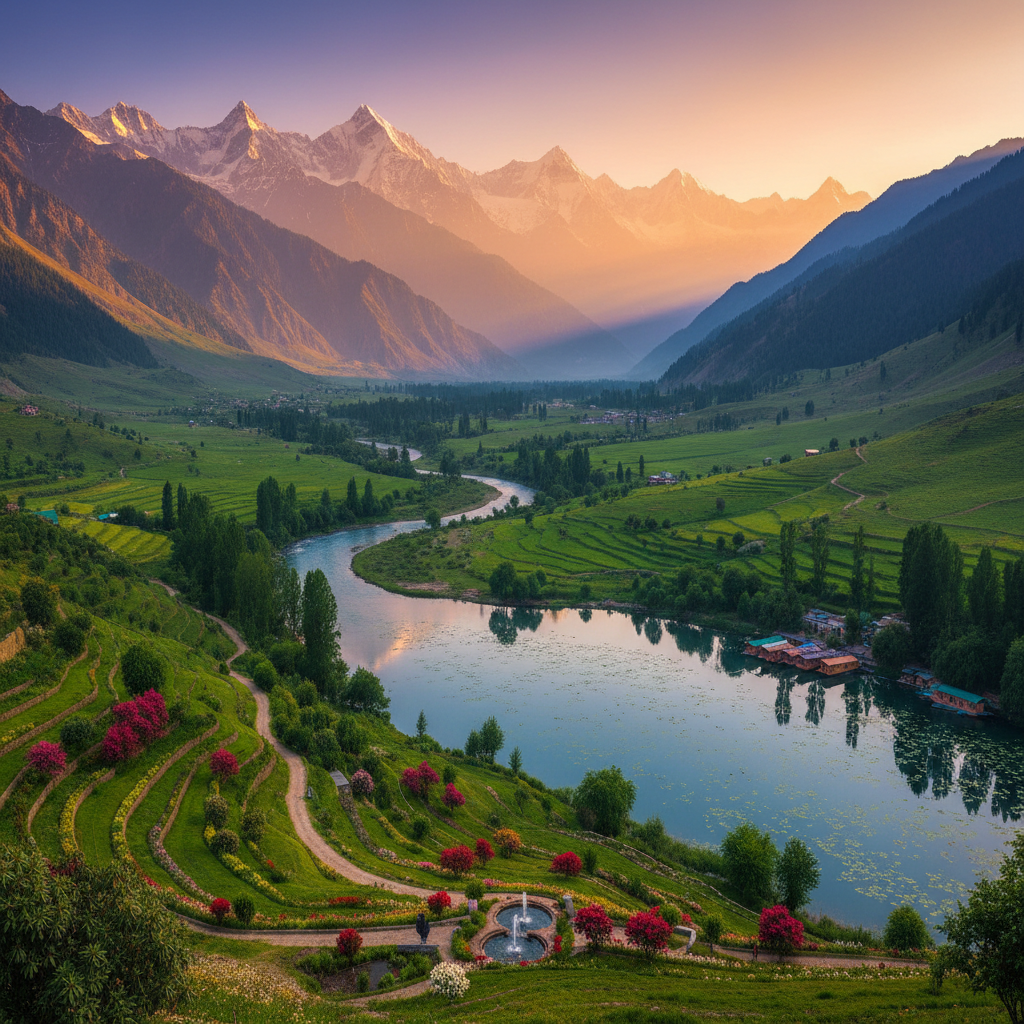
Kishtwar Travel Guide: An Overview of Kashmir's Hidden Gem
Nestled deep within the Pir Panjal range, Kishtwar district is often referred to as 'The Land of Sapphire and Saffron' but remains one of Kashmir's best-kept secrets. Far removed from the bustling tourist circuits of Srinagar, Gulmarg, and Pahalgam, Kishtwar offers an authentic and pristine Himalayan experience for the discerning traveler. This guide aims to pull back the curtain on this magnificent region, revealing its breathtaking landscapes, rich cultural tapestry, and the serene solitude it offers. You'll find towering peaks, gushing rivers like the Chenab, dense pine forests, and meadows that come alive with wildflowers. It's a destination for those seeking adventure, spiritual solace, or simply a tranquil escape into nature's embrace. While the journey to Kishtwar itself is an adventure, the rewards are immeasurable, promising a truly unique glimpse into the untouched beauty of Jammu and Kashmir. Mid Holidays encourages responsible tourism to preserve its delicate ecosystem.
Who is Kishtwar For? A Unique Experience Awaits
Kishtwar is not for the faint-hearted package tourist looking for luxury resorts and bustling markets. This region caters to a specific kind of traveler: the adventurer, the nature lover, the spiritual seeker, and anyone craving an authentic, offbeat experience. Trekkers will find themselves at home amidst numerous trails leading to high-altitude lakes and pristine meadows. Photographers will be captivated by the dramatic landscapes, from snow-capped peaks to the deep gorges carved by the Chenab River. Cultural enthusiasts will appreciate the blend of traditions and the warmth of the local Dogra and Kashmiri communities. It's also an ideal destination for those looking to escape the crowds and immerse themselves in profound tranquility. If you enjoy remote areas, are comfortable with basic amenities, and possess a spirit of exploration, Kishtwar will undoubtedly captivate your soul. Families with young children or those with mobility issues might find the journey and local infrastructure challenging.
Best Time to Visit Kishtwar: Seasons of Serenity
The best time to visit Kishtwar largely depends on your interests, as each season offers a distinct charm. For trekking and exploring the high-altitude areas, the summer months of May to September are ideal. During this period, the weather is pleasant, typically ranging from 15°C to 25°C, and the meadows are lush green, adorned with vibrant wildflowers. The roads are generally clear, making access easier. If you're keen on experiencing the region's famous Saffron cultivation, October is a magical time, as the fields burst into purple blooms. Winter, from November to April, transforms Kishtwar into a snow-laden wonderland, but many routes and high passes become inaccessible due to heavy snowfall. Temperatures can drop well below freezing, often between -5°C to 5°C. While beautiful for snow lovers, it's a more challenging time for travel and exploration. Monsoon (July-August) can bring landslides, so it's advisable to check road conditions before planning a trip during these months.
How to Reach Kishtwar: The Journey to a Hidden Paradise
Reaching Kishtwar is an adventure in itself, typically involving a combination of air, rail, and road travel. The nearest airport is Jammu Airport (IXJ), approximately 250 kilometers away. From Jammu, you can hire a private taxi or take a shared cab. The journey by road from Jammu to Kishtwar takes around 7-9 hours, depending on road conditions and traffic. The route passes through scenic towns like Udhampur and Doda, often hugging the Chenab River. The nearest major railway station is also in Jammu (Jammu Tawi), connecting to various cities across India. Once you arrive at Jammu Tawi, the onward journey to Kishtwar is exclusively by road. Public buses are available from Jammu's general bus stand, but they can be slower and less comfortable. For a more flexible and comfortable journey, especially if traveling with family or carrying luggage, hiring a private vehicle is highly recommended. Always inquire about the current road conditions, especially during monsoon or winter, as sections can be challenging due to landslides or snow.
Places to Visit in Kishtwar: Unveiling Natural Wonders and Spiritual Sites
Kishtwar's landscape is dotted with attractions that cater to diverse interests. The Kishtwar National Park, a high-altitude wildlife sanctuary, is home to the endangered Himalayan snow leopard and musk deer, offering incredible opportunities for wildlife enthusiasts (though spotting is rare and requires guided treks). Machail Mata Temple, a revered pilgrimage site dedicated to the Goddess Durga, draws thousands of devotees, especially during the annual Machail Yatra (July-August). The journey to Machail is itself an arduous but spiritually rewarding trek. Paddar Valley, renowned for its sapphire mines, is another captivating destination, featuring breathtaking vistas and charming local villages like Gulabgarh. Sarthal Devi Temple, perched on a hilltop, offers panoramic views of the surrounding valleys. For those seeking solitude, the verdant meadows of Sinthan Top (though largely falling in Anantnag district, it's a popular viewpoint accessible from Kishtwar region on clear days) provide an ideal picnic spot. The Chatroo Valley, with its pristine river and untouched beauty, is perfect for camping and fishing. Exploring these sites gives a true sense of Kishtwar's untouched grandeur.
Accommodation and Dining in Kishtwar: Simple Comforts and Local Flavours
Accommodation options in Kishtwar are generally modest, reflecting its offbeat status. You won't find luxury hotels or international chains here. The main town offers a few guesthouses and small hotels that provide basic, clean rooms with essential amenities. Expect tariffs to range from INR 1000 to INR 3000 per night, depending on the season and facilities. In more remote areas like Paddar Valley or near pilgrimage sites, homestays might be available, offering a wonderful opportunity to experience local culture and hospitality. It's always advisable to book your accommodation in advance, especially during peak pilgrimage seasons. When it comes to dining, Kishtwar offers an authentic taste of local Kashmiri and Dogra cuisine. Small eateries and Dhabas serve delicious, freshly prepared meals. Don't miss trying local specialties like Rajma Chawal (kidney beans with rice), Kalaadi (a local cheese), and various preparations of local greens. The food is typically simple, hearty, and full of flavor. Always ask for 'less spicy' if you are not accustomed to rich Indian spices. Many guesthouses might also offer home-cooked meals upon request.
Essential Packing and Local Etiquette for Your Kishtwar Trip
Packing strategically is crucial for a comfortable trip to Kishtwar. Layered clothing is a must, even in summer, as temperatures can vary significantly between day and night, and at higher altitudes. Include warm jackets, sweaters, thermal wear, and waterproof outerwear. Sturdy trekking shoes with good ankle support are essential if you plan to hike. Don't forget a hat, sunglasses, sunscreen, and a good quality medical kit with any personal medications, pain relievers, and bandages. A power bank, flashlight, and extra batteries for your camera will also be very useful, as electricity can be intermittent in remote areas. Regarding local etiquette, Kishtwar is a conservative region. Dress modestly, especially when visiting religious sites. Respect local customs and traditions, and always ask for permission before photographing people. A polite 'Salaam alaikum' or 'Namaste' goes a long way. The locals are generally very hospitable and friendly; a smile and respectful demeanor will ensure a warm welcome. Avoid public displays of affection and refrain from consuming alcohol in public.
Safety and Common Mistakes to Avoid in Kishtwar
Kishtwar, while generally safe, requires a cautious approach due to its remote and mountainous terrain. Always inform your guesthouse or local contacts about your trekking plans. It's best to travel in groups or with a local guide, especially for challenging trails. Road conditions can be unpredictable, particularly during monsoons (July-August) and winters (November-April), so always check with local authorities or your driver before embarking on journeys. Landslides are a real concern in rainy seasons. Avoid venturing off marked paths. Common mistakes include underestimating the weather, not carrying adequate supplies (water, snacks, first-aid), and not respecting local customs. Do not engage in discussions about political matters. Always carry identification and necessary permits, if any, especially for restricted areas. While mobile network coverage has improved, it can still be patchy in remote valleys, so download offline maps and inform someone of your itinerary. Keep emergency contact numbers handy. Responsible waste disposal is vital to preserve Kishtwar's pristine environment; carry a trash bag and leave no trace.
Plan Your Kishtwar Adventure with Mid Holidays
Exploring a destination as untouched and magnificent as Kishtwar requires careful planning and local expertise. At Mid Holidays, we specialize in crafting personalized itineraries that allow you to experience the authentic beauty of Jammu and Kashmir, including its hidden gems like Kishtwar. Whether you're an avid trekker, a cultural explorer, or simply seeking serene solitude amidst nature, our team can tailor a journey that aligns with your interests, budget, and comfort levels. From arranging reliable transport and comfortable local accommodations to connecting you with experienced local guides who can share insights into the region's unique heritage, we ensure a seamless and enriching travel experience. Don't just visit; immerse yourself in the magic of Kishtwar. Contact Mid Holidays today to begin planning your unforgettable adventure to Kashmir's hidden paradise, where every turn reveals a new wonder.
Related Kashmir Guides & Services
<p>Planning the rest of your trip? These Mid Holidays guides pair well with this article:</p><ul><li><a href="/blog/tulail-valley-tour-kashmir-hidden-paradise">Tulail Valley Tour: Your Guide to Kashmir's Hidden Paradise</a></li><li><a href="/blog/best-time-to-visit-bangus-valley-kashmir">Best Time to Visit Bangus Valley: Your Ultimate Guide to Kashmir's Hidden Gem</a></li><li><a href="/blog/plan-your-perfect-trip-to-kashmir">Plan Your Perfect Trip to Kashmir: The Ultimate Guide by Mid Holidays</a></li><li><a href="/blog/kashmir-tour-with-sonamarg-adventure">Kashmir Tour with Sonamarg: Your Ultimate Guide to Alpine Wonders</a></li><li><a href="/blog/kashmir-travel-plan-ultimate-guide">Your Ultimate Kashmir Travel Plan: A 7-Day Itinerary Guide</a></li></ul>
Frequently Asked Questions
Is Kishtwar safe for tourists to visit?
Yes, Kishtwar is generally safe for tourists, but like any remote mountainous region, it requires cautious travel. It is advisable to travel in groups or with local guides, especially for treks. Always check road conditions before setting out, particularly during monsoon or winter. Inform your accommodation about your itinerary and follow local advice to ensure a smooth and secure trip.
What kind of clothes should I pack for a trip to Kishtwar?
Due to varying temperatures and altitudes, layered clothing is highly recommended. Even in summer, bring warm jackets, sweaters, and thermals for evenings and higher elevations. Waterproof outerwear is essential, especially if traveling during monsoon or shoulder seasons. Sturdy trekking shoes, a hat, sunglasses, and sunscreen are also vital for comfort and protection.
Are there good medical facilities in Kishtwar?
Medical facilities in Kishtwar are basic compared to larger cities. The district hospital in Kishtwar town provides essential services, but for serious medical emergencies, evacuation to Jammu or Srinagar might be necessary. It is crucial to carry a comprehensive personal first-aid kit, including any prescription medications, and to be aware of your health condition before undertaking strenuous activities.
Can I visit Kishtwar National Park, and what can I see there?
Kishtwar National Park is a high-altitude wildlife sanctuary, but access can be challenging due to its remote location. It's best visited with a local guide for trekking. While spotting animals like snow leopards and musk deer is rare, the park offers stunning landscapes, diverse flora, and rich birdlife. Entry permits might be required, so inquire locally beforehand.
What are the mobile network and internet connectivity like in Kishtwar?
Mobile network coverage in Kishtwar town has improved, with major providers like Jio and Airtel offering services. However, connectivity can be intermittent and often drops in more remote valleys and high-altitude areas. Internet access is primarily through mobile data, but speeds can be slow. It's advisable to download offline maps and important information before your trip.
Are there any permits required to visit specific areas in Kishtwar?
Generally, no special permits are required for Indian citizens to visit the main towns and tourist spots in Kishtwar. However, if you plan to trek into very remote or protected areas, such as deeper into Kishtwar National Park or certain border regions, it's wise to inquire about any necessary permits from local authorities or your tour operator to avoid any issues.