Stok Kangri Trek Guide: Conquering Ladakh's Iconic Peak
Ladakh Mountaineering Expeditions
Dreaming of summiting Stok Kangri? Our ultimate Stok Kangri Trek Guide offers first-hand advice on routes, acclimatization, costs, and preparation for this…
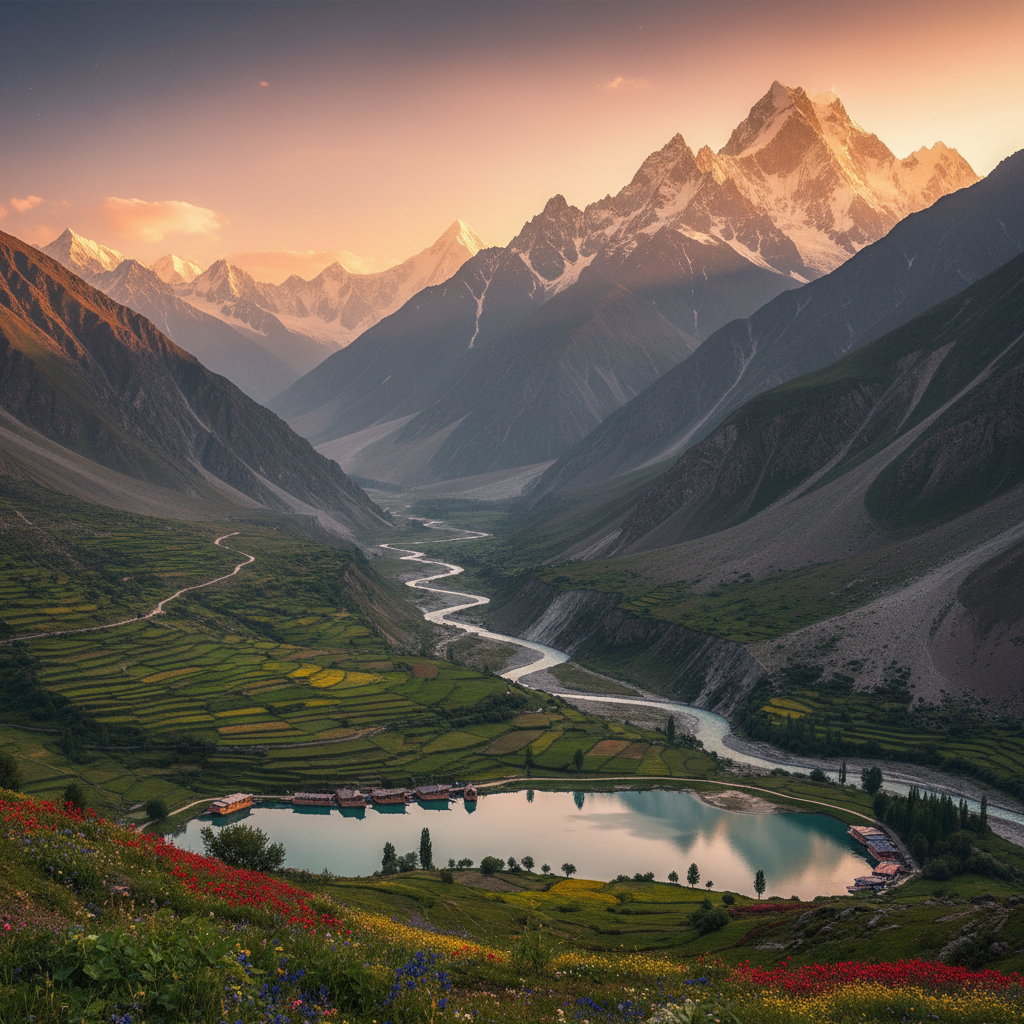
Stok Kangri Trek Guide: An Overview of Ladakh's Iconic Peak
The Stok Kangri Trek is an ambitious adventure, leading you to the summit of a magnificent 6,153-meter (20,187 ft) peak in the Ladakh range. Often considered a 'trekking peak' due to its non-technical nature, it demands significant physical fitness, proper acclimatization, and mental fortitude. It is not for the faint of heart or those new to high-altitude trekking. This guide is crafted for experienced trekkers looking for a serious challenge and a truly rewarding Himalayan experience. While it doesn't require advanced mountaineering skills like ice climbing or extensive rope work, the altitude itself is the primary hurdle, making adequate preparation absolutely crucial. The panoramic views from the summit, encompassing the Karakoram range, Zanskar range, and the vast expanse of the Tibetan Plateau, are simply unparalleled and make every strenuous step worthwhile. This journey offers a deep dive into the stark beauty of Ladakh, from its ancient monasteries to its remote villages, all while pushing your physical and mental limits. Remember, Stok Kangri is a serious high-altitude endeavor, not just a casual hike, and should be approached with respect and thorough planning.
Who is the Stok Kangri Trek For? Assessing Your Readiness
This isn't a trek for beginners. The Stok Kangri Trek is best suited for individuals with prior high-altitude trekking experience, who are in excellent physical condition, and possess a strong understanding of acclimatization. Ideal candidates have successfully completed treks above 4,500-5,000 meters (15,000-16,500 ft) before and are comfortable with multi-day expeditions carrying their own day packs. You should be able to walk for 6-8 hours daily over varied and often challenging terrain, including scree, moraine, and snow, at high altitudes. Cardiovascular fitness is paramount, as is the ability to cope with extreme cold, unpredictable weather, and basic camping conditions. If you've never trekked at 5,000 meters or higher, or if you struggle with long hikes, Stok Kangri might be too ambitious as a first major high-altitude summit. This trek is an endurance test, both physically and mentally, requiring resilience and a realistic assessment of your own capabilities. Honesty in self-assessment is key to a safe and successful summit attempt.
Best Time to Tackle Stok Kangri: Weather Windows and Seasonal Challenges
The optimal window for the Stok Kangri Trek is from late June to early September. During these months, the weather is generally more stable, and the snowline is at its highest, making the ascent less technically challenging. July and August typically offer the warmest temperatures and clearest skies, though afternoon clouds are common. However, even within this window, weather in the high Himalayas can be unpredictable, with sudden drops in temperature, snowfall, and strong winds possible at any time. Earlier in June, there might be more snow on the higher reaches, requiring more careful navigation and potentially crampons/ice axes for longer stretches. By late September, the weather can become significantly colder, with increased chances of heavy snowfall and freezing temperatures, making the trek considerably more difficult and risky. It's crucial to be prepared for all four seasons in a single day, regardless of the month you choose. Always consult up-to-date weather forecasts before and during your trek, and be flexible with your itinerary if conditions demand it. This approach ensures safety and a higher chance of success.
Stok Kangri Itinerary: A Sample 9-Day Plan for Acclimatization and Summit
A typical Stok Kangri itinerary spans 9 days, including acclimatization in Leh. Day 1: Arrive in Leh (3,500m / 11,500ft), rest and acclimatize. Day 2: Acclimatization day in Leh, explore local monasteries like Hemis or Thiksey. Day 3: Trek from Stok Village (3,600m) to Chang Ma (3,980m), roughly 4-5 hours. Day 4: Chang Ma to Mankorma (4,380m), 3-4 hours. Day 5: Mankorma to Stok Base Camp (4,980m), 4-5 hours, a crucial acclimatization day. Day 6: Rest day at Base Camp, practice basic mountaineering skills if needed. Day 7: Summit Push! Start around midnight from Base Camp, ascend to Stok Kangri Summit (6,153m), then descend back to Base Camp. This is a very long day, 12-16 hours. Day 8: Descend from Base Camp back to Stok Village, then drive back to Leh. Day 9: Depart from Leh. This itinerary provides a realistic pace for acclimatization, which is paramount for high-altitude success. Skipping acclimatization days significantly increases the risk of acute mountain sickness (AMS) and can jeopardize your summit attempt and overall health. The specific timings for each section can vary based on individual fitness and group pace, but the overall structure prioritizing acclimatization remains standard.
Essential Gear for Stok Kangri: What to Pack for the Summit
Packing smart is non-negotiable for Stok Kangri. Your gear list should focus on layering, warmth, and protection against the elements. Key items include a robust 60-70 liter trekking backpack, a smaller daypack for the summit push, and sturdy, broken-in trekking boots. For clothing, think in layers: thermal base layers (top and bottom), fleece jacket, down jacket, waterproof and windproof outer shell jacket and trousers. Crucial accessories are warm gloves (inner and outer), a warm hat, neck gaiter, and quality sunglasses with UV protection. You'll also need a sleeping bag rated for -15°C to -20°C (0°F to -5°F), a headlamp with spare batteries, a trekking pole (or two), and a first-aid kit with personal medications, blister plasters, and altitude sickness medication (Diamox). Technical gear may include crampons and an ice axe, which your expedition leader will likely provide or advise on renting depending on snow conditions. Don't forget high-energy snacks, a water bottle or hydration bladder, and a good sun block. Keep your gear as light as possible without compromising safety or comfort. A detailed packing list will be provided by your tour operator, but this gives you a strong starting point.
Stok Kangri Permits and Logistics: Navigating Regulations and Support
To undertake the Stok Kangri Trek, several permits are required. You'll need an Inner Line Permit (ILP) for foreign nationals and some Indian states (though less common now), a Wildlife Protection Fee (as it falls within Hemis National Park), and a Trekking Permit specifically for Stok Kangri. These permits are usually handled by your trekking agency, but it's wise to confirm this beforehand. For foreign nationals, passport and visa copies are essential. Logistics are complex, involving transport from Leh to Stok Village, porters or ponies for gear, camping equipment, and experienced guides and support staff. Given the high altitude and potential risks, attempting Stok Kangri independently is strongly discouraged. A reputable local trekking agency provides crucial support, including experienced guides trained in high-altitude medicine, cooks, porters, all necessary permits, and emergency backup. Their knowledge of the terrain, weather patterns, and local conditions is invaluable. Ensure your agency is well-regarded, has good safety records, and provides comprehensive services including medical support. This partnership is vital for a safe and successful expedition.
Stok Kangri Trek Cost: What to Expect for Your Expedition
The cost of a Stok Kangri trek can vary significantly based on the duration, services included, and the trekking agency. Generally, for a 9-day expedition, you can expect to pay anywhere from INR 35,000 to INR 65,000 per person for an Indian operator. International operators might charge more, sometimes upwards of USD 1000-1500 (approx. INR 80,000-120,000). This cost typically covers permits, ground transportation from Leh to the trailhead and back, accommodation in Leh (usually 2 nights on twin-sharing basis), all meals during the trek, camping equipment (tents, sleeping bags, mattresses), an experienced trek leader, support staff (cooks, porters), and sometimes basic first aid and emergency oxygen. It usually does not include your flight to and from Leh, personal trekking gear (which can be rented), travel insurance, personal expenses, or any emergency evacuation costs. Always clarify what is included and excluded with your chosen operator. Budget for potential extra costs like renting crampons/ice axes if not provided, tips for the support staff (a customary practice), and any additional food or drinks. Investing in a reputable and comprehensive package is crucial for safety and a well-supported experience.
Related Kashmir Guides & Services
<p>Planning the rest of your trip? These Mid Holidays guides pair well with this article:</p><ul><li><a href="/blog/leh-ladakh-best-time-to-visit-month-wise">Leh Ladakh Best Time to Visit Month-Wise: Your Ultimate Guide</a></li><li><a href="/blog/zanskar-river-rafting-guide">Zanskar River Rafting Guide: Your Ultimate Adventure with Mid Holidays</a></li><li><a href="/blog/ladakh-trekking-season-guide">Ladakh Trekking Season Guide: Best Time to Hit the Trails</a></li><li><a href="/blog/markha-valley-trek-guide">Markha Valley Trek Guide: Your Ultimate Journey to Ladakh's Heart</a></li><li><a href="/blog/leh-local-sightseeing-1-day-itinerary">Leh Local Sightseeing: Your Perfect 1-Day Itinerary Guide</a></li></ul>
Frequently Asked Questions
Is Stok Kangri suitable for first-time trekkers?
No, Stok Kangri is not recommended for first-time trekkers. Its high altitude (6,153m), long summit push, and challenging conditions demand prior experience in high-altitude trekking (above 5,000m) and excellent physical fitness. It's crucial to understand your body's response to altitude before attempting a peak of this magnitude to ensure a safe and enjoyable experience.
What kind of physical preparation is needed for Stok Kangri?
Intensive physical preparation is vital. Start training at least 3-4 months in advance, focusing on cardiovascular endurance (running, cycling, swimming for 1-2 hours, 4-5 times a week), strength training (especially core and legs), and long hikes with a loaded backpack. Incorporate stair climbing or hill walking to simulate ascent conditions. Aim to be able to comfortably hike for 8-10 hours with elevation gain.
How severe is altitude sickness on Stok Kangri, and how can it be managed?
Altitude sickness is a significant risk on Stok Kangri due to the rapid ascent to high altitudes. Symptoms can range from mild (headache, nausea) to severe (HACE, HAPE). Management involves gradual ascent, proper acclimatization days, staying hydrated, avoiding alcohol/smoking, and potentially carrying Diamox (prescription required). Listen to your body and your guide; descent is the only cure for severe AMS.
Do I need technical climbing skills for Stok Kangri?
Stok Kangri is generally considered a 'trekking peak' and does not require advanced technical climbing skills like rock climbing or extensive rope work. However, depending on snow conditions, basic use of crampons and an ice axe might be necessary for certain sections, particularly on the summit day. Your guide will provide instruction or confirm if conditions require them.
What are the common challenges faced during the summit push?
The summit push is the most challenging part, typically starting at midnight and lasting 12-16 hours. Common challenges include extreme cold, strong winds, walking on loose scree or snow in the dark, sheer exhaustion, and the relentless effects of high altitude. Mental resilience and maintaining a slow, steady pace are key to overcoming these difficulties and reaching the summit.
Is travel insurance necessary for the Stok Kangri Trek?
Absolutely. Comprehensive travel insurance is highly recommended and often mandatory for high-altitude treks like Stok Kangri. Ensure your policy specifically covers high-altitude trekking up to 6,500 meters, emergency medical evacuation (including helicopter rescue), and medical expenses. The cost of a high-altitude emergency can be astronomical without proper insurance coverage.