Markha Valley Trek Guide: Your Ultimate Journey to Ladakh's Heart
Ladakh Trekking Guides
Embark on an unforgettable adventure with our Markha Valley Trek guide. Discover routes, costs, best seasons, and essential tips for this iconic Ladakh trek.
Markha Valley Trek: An Overview and Who It Suits
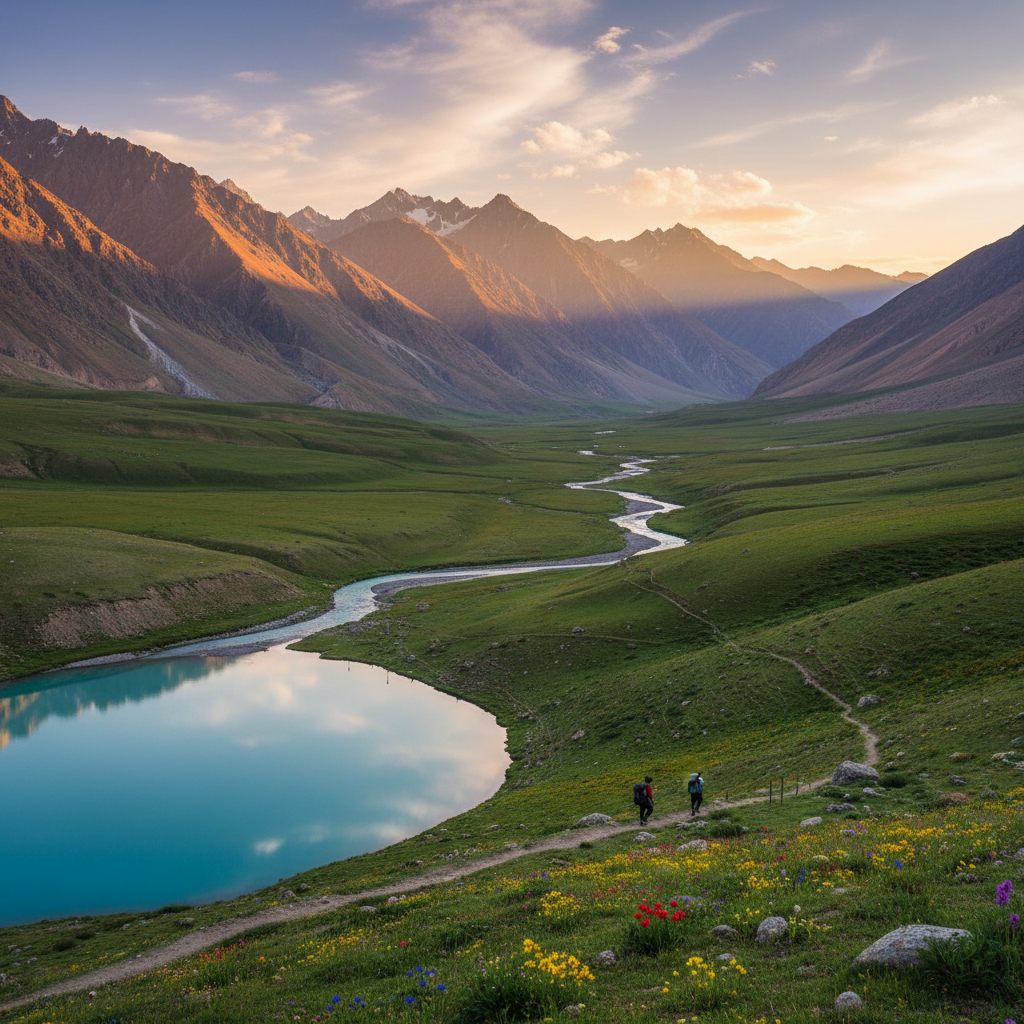
The Markha Valley Trek, often dubbed the 'tea house trek' of Ladakh, is a classic Himalayan adventure that offers a stunning blend of remote wilderness, traditional Ladakhi culture, and dramatic landscapes. This 7-9 day journey takes you deep into the Hemis National Park, traversing high mountain passes, lush green valleys, and quaint villages nestled beside the Markha River. It's an experience that appeals to adventurous trekkers looking for more than just scenic views; it's an immersion into a unique way of life. This trek is best suited for individuals with moderate to good physical fitness and some prior trekking experience. While not technically challenging, the high altitude (up to 5,200m at Kongmaru La) and daily walking durations of 5-7 hours require stamina and acclimatization. It's an excellent choice for those who appreciate cultural interaction, as much of the accommodation is in local homestays, providing a genuine glimpse into Ladakhi hospitality and daily routines. If you're someone who thrives on breathtaking vistas of snow-capped peaks, encounters with diverse wildlife like blue sheep and marmots, and the serenity of remote monasteries, then the Markha Valley Trek is calling your name. It's a journey that combines the raw beauty of the Himalayas with the warmth of local communities, creating memories that last a lifetime.
Best Time to Undertake the Markha Valley Trek
The optimal window for the Markha Valley Trek is from late May to early October. During these months, the high passes are typically clear of snow, and the weather is generally stable and pleasant, making for ideal trekking conditions. Let's break down the seasonal nuances to help you plan. Late May to June offers vibrant green landscapes as the valley awakens from winter, with blooming wildflowers and moderate temperatures. This is a popular time, but some passes might still hold patches of snow early on. July and August coincide with the monsoon season across much of India, but Ladakh lies in a rain shadow region, meaning it experiences very little rainfall. The weather remains mostly dry, sunny, and warm, making it a fantastic time for the trek. The river crossings can be higher during this period due to glacial melt, adding an exciting element to the journey. September to early October is another excellent period, characterized by crisp, clear skies, cooler temperatures, and autumn colours beginning to tint the landscape. The crowds tend to thin out towards the end of this season, offering a more serene experience. It's crucial to avoid trekking during the winter months (November to April) as heavy snowfall makes the passes impassable and conditions extremely challenging. Always keep an eye on local weather forecasts closer to your departure date, as mountain weather can be unpredictable.
Markha Valley Trek Itinerary: A Typical 7-Day Journey
A typical Markha Valley Trek unfolds over 6-7 days, starting and ending in Leh. Here’s a popular itinerary, offering a balanced pace for acclimatization and exploration: Day 1: Leh to Spituk (3,200m) – Trek to Zingchen (3,380m) & Drive to Yurutse (4,100m). Start with a short drive to Spituk, then a gentle trek to Zingchen. From there, another drive takes you to the higher altitude village of Yurutse, preparing your body for the ascent. Day 2: Yurutse to Ganda La (4,980m) – Trek to Skiu (3,400m). Ascend to the challenging Ganda La pass, offering panoramic views. Descend steeply to the lush village of Skiu, where the Markha River meets the Shingo River. Day 3: Skiu to Markha (3,760m). A relatively flat walk along the Markha River, passing through charming villages like Chalak and meeting local shepherds. This day offers a good rest for your legs before higher altitudes. Day 4: Markha to Hankar (4,000m) or Thachungtse (4,250m). Continue upstream, visiting the ancient Techa monastery. The trail gradually gains altitude, offering views of Kang Yatse peak. Day 5: Thachungtse to Nimaling (4,800m). This is a significant ascent to the high-altitude pasture of Nimaling, the base camp for Kang Yatse. The views here are spectacular, surrounded by towering peaks. Day 6: Nimaling to Kongmaru La (5,200m) – Trek to Chogdo (3,500m) & Drive to Leh. Conquer the highest point of the trek, Kongmaru La, then a steep descent into the Martselang Valley. A waiting vehicle at Chogdo brings you back to Leh for a well-deserved rest. This itinerary can be adjusted for more acclimatization or to include a summit attempt on Kang Yatse I or II.
Costs and Budget Breakdown for the Markha Valley Trek
The cost of the Markha Valley Trek can vary significantly depending on whether you opt for a guided tour, independent trekking, and your personal spending habits. Here’s a breakdown of potential expenses: Permits: The primary permit you'll need is the Hemis National Park entry fee, which is approximately INR 200-300 for Indian nationals and INR 400-600 for foreigners, valid for multiple days. Additionally, if you're a foreign national, you'll need an Inner Line Permit (ILP) for certain areas of Ladakh, though for the standard Markha Valley route, it's generally not required as much as it once was, but always check the latest regulations. Guide and Porter: For a 7-day trek, a local guide can cost INR 2,000-3,500 per day, and a porter/pony for luggage can be INR 1,200-2,000 per day. These are crucial for safety and local knowledge. Accommodation: Homestays along the route typically charge INR 1,000-1,500 per person per night, which often includes dinner and breakfast. Camping costs can be similar if you rent gear or use your own. Food: Beyond homestay meals, expect to spend INR 300-500 per meal at smaller tea houses for lunch or snacks. Transportation: Taxis from Leh to Spituk/Chogdo are around INR 1,500-2,500 one way. Miscellaneous: This includes bottled water (carrying a water filter is recommended), snacks, personal trekking gear, and any emergency supplies. A rough estimate for a budget-conscious trekker doing it semi-independently (with a guide/porter for parts) would be INR 15,000-25,000 for the 7 days, excluding flights to Leh. For an all-inclusive guided package, expect INR 35,000-60,000 per person.
How to Reach Leh and Trek Transport Options
Your adventure to the Markha Valley begins with reaching Leh, the capital of Ladakh. The most common and convenient way to get to Leh is by air. Leh Kushok Bakula Rimpochee Airport (IXL) is well-connected to major Indian cities like Delhi, Mumbai, and Srinagar. Due to its high altitude (3,500m), it's crucial to spend at least 2-3 days in Leh upon arrival to acclimatize properly before attempting any strenuous activity like trekking. This helps prevent acute mountain sickness (AMS), which can severely impact your trip. Alternatively, you can reach Leh by road, which is a fantastic journey in itself, allowing for gradual acclimatization. The two main road routes are the Manali-Leh Highway and the Srinagar-Leh Highway. These highways are usually open from late May/early June to October, depending on snow conditions. Both routes offer breathtaking scenery and take approximately 2 days, with an overnight stop. Once in Leh, local taxis are the primary mode of transport for reaching the trek's starting point at Spituk and for pick-up from the endpoint, usually Chogdo or Martselang. You can easily hire a taxi from Leh market or through your hotel or trekking agency. Shared taxis might be an option if you can find fellow trekkers, but private taxis offer more flexibility. For an organised trek, your tour operator will handle all ground transportation from Leh.
Where to Stay and Eat Along the Trail
One of the most charming aspects of the Markha Valley Trek is the reliance on local homestays (known as 'ghars' in Ladakhi) for accommodation and food. This provides a truly authentic cultural experience, allowing trekkers to interact directly with local families and witness their traditional way of life. The homestays are generally basic but comfortable, offering a warm bed, usually a shared dry composting toilet, and simple, hearty meals. In villages like Skiu, Markha, Hankar, and sometimes Nimaling (though Nimaling is more often tented camps or basic shelters), you'll find these welcoming homes. Prices for a homestay typically include dinner and breakfast, and packed lunches can often be arranged for an extra charge. Expect traditional Ladakhi cuisine: thukpa (noodle soup), momos (dumplings), skyu (local pasta dish), rice with dal and vegetables, and plenty of butter tea. The food is wholesome and energising for the trek ahead. At higher campsites like Nimaling, permanent tented camps with basic facilities are often set up during the peak season by local families or tour operators. It's always a good idea to carry some extra snacks like energy bars, nuts, and dried fruit, especially if you have specific dietary needs, though the homestay food is usually sufficient. Remember that you are in remote villages, so expect basic amenities and embrace the simplicity of the experience.
Essential Packing List for the Markha Valley Trek
Packing smartly is key to a comfortable and safe Markha Valley Trek. Given the varied terrain, unpredictable mountain weather, and high altitudes, layering is essential. Here’s a comprehensive packing list: Clothing: Start with good quality thermal base layers (tops and bottoms), a few quick-drying trekking shirts, a warm fleece or down jacket for cold evenings and high passes, waterproof and windproof outer shell jacket and trousers, and comfortable trekking pants. Footwear: Sturdy, well-broken-in waterproof trekking boots with good ankle support are crucial. Carry a pair of camp shoes or sandals for evenings. Headgear: A wide-brimmed hat for sun protection, a warm woollen hat or beanie for cold nights, and a buff or bandana. Gloves: Warm, waterproof gloves are essential, especially for high passes. Backpacks: A main trekking backpack (50-60 litres) and a smaller daypack (20-30 litres) for essentials you need during the day. Sleeping Bag: Even if staying in homestays, a good quality sleeping bag (rated to -10°C to 0°C) is highly recommended for added warmth and hygiene. Trekking Poles: Highly beneficial for stability, especially on ascents and descents. Water Management: A reusable water bottle (1-2 litres) and a water purification system (tablets, filter, or Steripen) are vital. Toiletries: Sunscreen (high SPF), lip balm with SPF, biodegradable soap, toothbrush, toothpaste, small towel. First Aid: Personal medications, basic first-aid kit (band-aids, antiseptic wipes, pain relievers, blister treatment, rehydration salts, altitude sickness medication like Diamox if prescribed by a doctor). Miscellaneous: Headlamp with extra batteries, sunglasses (UV protective), camera, power bank, cash (small denominations), passport/ID, and a small garbage bag to carry out your waste. Remember to pack light but wisely!
Safety, Acclimatization, and Local Etiquette
Safety on the Markha Valley Trek largely revolves around proper acclimatization and respecting the high-altitude environment. Upon arrival in Leh, dedicate at least 2-3 full days to rest and light activity to allow your body to adjust to the altitude. Drink plenty of fluids (water, herbal tea), avoid alcohol and smoking, and eat light meals. Listen to your body and never hesitate to inform your guide or fellow trekkers if you feel unwell. Common symptoms of AMS include headache, nausea, dizziness, and fatigue. Descend immediately if symptoms worsen. Carrying prescribed altitude sickness medication like Diamox is a personal choice, but consult a doctor beforehand. River crossings are a notable feature of this trek, especially during July and August. They can be waist-deep and have strong currents, so always follow your guide's instructions or cross with caution, linking arms with fellow trekkers if necessary. For local etiquette, dress modestly, especially when visiting monasteries or local homes. Always ask for permission before taking photos of people. Greet locals with 'Julley' (pronounced Joo-lay), which means hello, thank you, and goodbye. Be mindful of your environmental impact: carry out all your waste, avoid plastic, and stick to established trails. Respecting local culture and the pristine environment ensures a harmonious and enjoyable experience for everyone. Always trek with a local guide or an experienced group; attempting this trek completely solo can be risky given the remote nature of parts of the trail and river crossings.
Related Kashmir Guides & Services
<p>Planning the rest of your trip? These Mid Holidays guides pair well with this article:</p><ul><li><a href="/blog/zanskar-valley-travel-guide">Zanskar Valley Travel Guide: A Journey to Ladakh's Remote Heart</a></li><li><a href="/blog/pampore-saffron-fields-visit-guide">Pampore Saffron Fields Visit Guide: Kashmir's Golden Bloom</a></li><li><a href="/blog/warwan-valley-tour">Warwan Valley Tour: Your Ultimate Guide to Kashmir's Hidden Gem</a></li><li><a href="/blog/leh-to-turtuk-taxi-your-ultimate-border-village-guide">Leh to Turtuk Taxi: Your Ultimate Border Village Guide</a></li><li><a href="/blog/tulail-valley-tour-kashmir-hidden-paradise">Tulail Valley Tour: Your Guide to Kashmir's Hidden Paradise</a></li></ul>
Frequently Asked Questions
Is the Markha Valley Trek suitable for beginners?
While not technically difficult, the Markha Valley Trek involves high altitudes (up to 5,200m) and daily trekking of 5-7 hours. It's best suited for trekkers with moderate physical fitness and some prior trekking experience. Beginners who are physically fit and take proper acclimatization seriously can attempt it, but it's advisable to go with a reputable tour operator and guide.
Do I need a special permit for the Markha Valley Trek?
Yes, you will need a permit to enter the Hemis National Park, which covers the Markha Valley. This permit can be obtained in Leh through a trekking agency or directly from the wildlife department office. Foreign nationals also historically needed an Inner Line Permit for some areas of Ladakh, but for the standard Markha Valley route, this requirement has been relaxed, though it's always wise to check the latest regulations before your trip.
What kind of accommodation can I expect on the trek?
Along the Markha Valley Trek, accommodation primarily consists of local homestays in villages like Skiu, Markha, and Hankar. These offer a unique cultural experience with basic but comfortable lodging, often including dinner and breakfast. At higher altitudes like Nimaling, tented camps or basic shelters are common. Expect simple amenities, dry composting toilets, and hearty Ladakhi meals.
Are there river crossings on the Markha Valley Trek?
Yes, the Markha Valley Trek involves several river crossings, particularly the Markha River itself. Depending on the season, especially during July and August when glacial melt is high, these crossings can be challenging, with water sometimes reaching waist-deep and having strong currents. It's essential to follow your guide's instructions and exercise caution.
What is the highest point reached on the Markha Valley Trek?
The highest point reached on the standard Markha Valley Trek is Kongmaru La pass, which stands at an elevation of approximately 5,200 meters (17,060 feet) above sea level. This pass offers spectacular panoramic views of the surrounding mountains, including the towering Kang Yatse peak, but requires good physical fitness and proper acclimatization.
How do I acclimatize for the high altitude of the Markha Valley Trek?
Proper acclimatization is crucial for the Markha Valley Trek. Upon arrival in Leh (3,500m), spend at least 2-3 full days resting and engaging in very light activity. Drink plenty of water, avoid alcohol and strenuous exercise, and eat light meals. Gradually increase your altitude each day of the trek and listen to your body for any signs of acute mountain sickness (AMS).
Can I do the Markha Valley Trek independently?
While it is technically possible to trek the Markha Valley independently, especially if you are an experienced high-altitude trekker, it is highly recommended to go with a local guide or as part of an organised group. The trail can be remote, river crossings challenging, and cellular network limited. A guide enhances safety, helps with navigation, and facilitates cultural interactions.