Kolahoi Glacier Trek Guide: An Unforgettable Kashmir Adventure
Kashmir Trekking Guide
Embark on an epic journey to the source of Kashmir's Lidder River. Our Kolahoi Glacier Trek Guide covers routes, costs, permits, and what to expect on this…
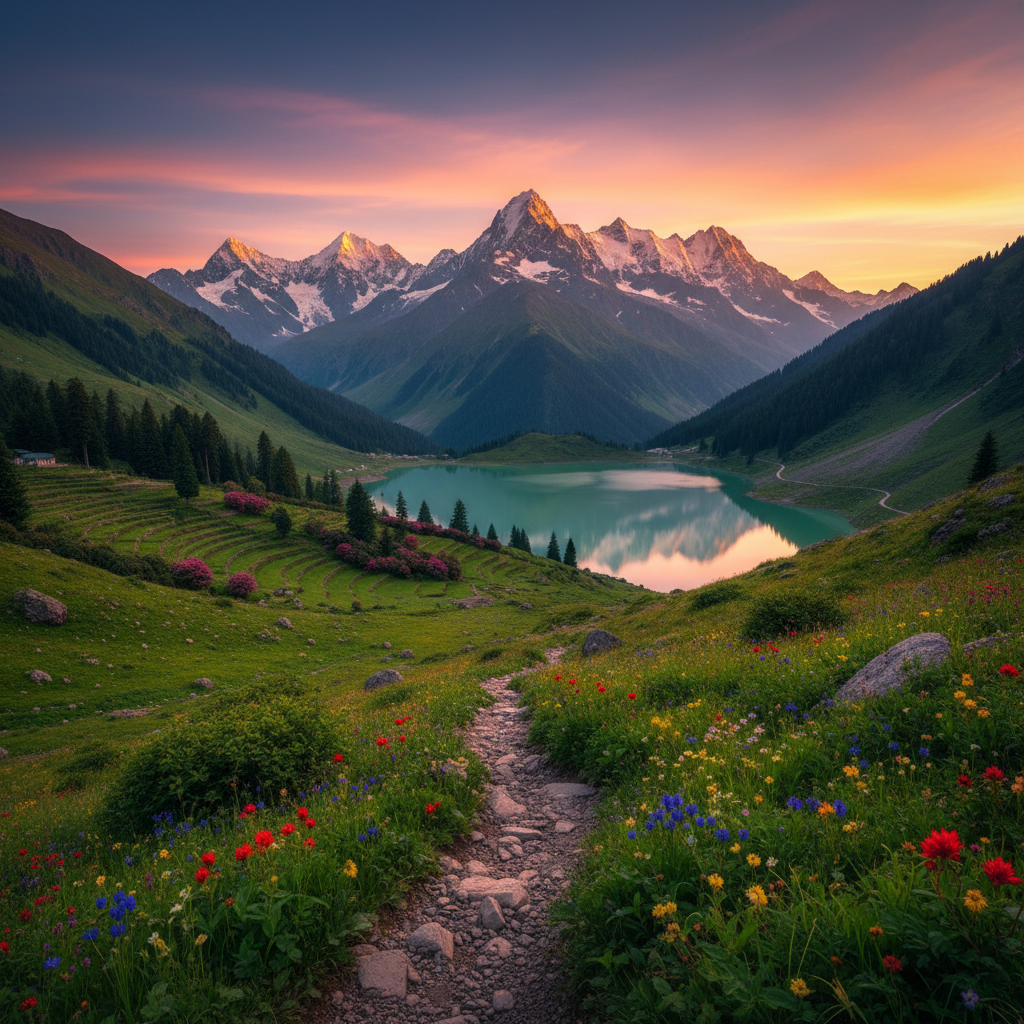
Kolahoi Glacier Trek Overview: Journey to the 'Goddess of Light'
The Kolahoi Glacier, often reverently called the 'Goddess of Light', is a majestic, albeit receding, valley glacier nestled beneath Kolahoi Peak (5425m) in the Greater Himalayas. It’s the primary source of the Lidder River, which carves its way through the picturesque Lidder Valley, feeding towns like Pahalgam. This trek is not for the faint of heart; it's a challenging multi-day expedition that demands good physical fitness and a spirit of adventure. You'll traverse diverse landscapes, from dense pine forests and rolling alpine meadows to rocky moraines, all while gaining significant altitude. The reward is the awe-inspiring sight of the glacier itself, a stark reminder of nature's power and fragility, and panoramic views of some of Kashmir's most dramatic peaks. This expedition typically starts from Aru Valley, a charming village near Pahalgam. While the glacier has significantly retreated over the decades, reaching its snout is still a profound experience. Trekkers are drawn by the pristine wilderness, the opportunity to witness a living glacier, and the raw beauty of an unspoiled Himalayan landscape. It’s a journey that combines physical endurance with profound natural beauty, offering a deep immersion into Kashmir's high-altitude environment. Expect crisp mountain air, gurgling streams, and the distinct silence of the Himalayas, broken only by the sounds of nature. This trek is a true test of grit and a gateway to understanding the fragile ecosystem of the region.
Who is the Kolahoi Glacier Trek Suited For and Best Season to Visit
The Kolahoi Glacier Trek is best suited for experienced trekkers or those with good physical fitness who have some prior high-altitude trekking experience. It involves long walking days, steep ascents, and camping in remote areas. While not highly technical, navigating the moraine near the glacier can be tricky, and the weather at altitude can be unpredictable. Families with young children or individuals seeking a leisurely stroll should consider other, less strenuous treks in Kashmir. This trek is ideal for nature lovers, photographers, and adventurers seeking a genuine wilderness experience away from crowded tourist spots. The best time to undertake the Kolahoi Glacier Trek is during the summer months, specifically from late May to early October. In late May and June, the meadows are lush green, dotted with wildflowers, and the weather is generally pleasant. July and August offer warmer temperatures, but also a higher chance of monsoon showers, which can make trails muddy and river crossings more challenging. September and early October bring crisp air, clear skies, and vibrant autumn colours, making it another excellent period, though nights start getting colder. Avoid trekking during winter (November to April) due to heavy snowfall, treacherous conditions, and inaccessible trails. Always check local weather forecasts before planning your trek, as conditions can change rapidly in the mountains.
Kolahoi Glacier Trek Itinerary: A Detailed 3-Day Plan
A typical Kolahoi Glacier trek spans 3 days, starting and ending in Aru Valley. Here’s a detailed plan: Day 1: Aru Valley to Lidderwat (Approx. 10-11 km, 5-6 hours) – Your trek begins from the picturesque Aru Valley (around 2400m). The trail is well-defined, initially passing through dense pine and fir forests alongside the Lidder River. You'll cross small wooden bridges and open meadows. The ascent is gradual, making it a pleasant start. Lidderwat (around 3050m) is a beautiful alpine meadow, serving as a popular camping site with fresh water sources. Set up camp, enjoy the serene surroundings, and acclimatize to the altitude. Day 2: Lidderwat to Kolahoi Glacier and Back to Lidderwat (Approx. 12-14 km return, 7-9 hours) – This is the most challenging day. From Lidderwat, the trail continues upwards through open meadows towards Satlanjan, another beautiful campsite. Beyond Satlanjan, the terrain becomes rockier and more challenging, gradually climbing towards the snout of the Kolahoi Glacier. The final approach involves navigating moraine fields. Reaching the glacier (around 3400m-3500m) offers breathtaking views. Spend some time absorbing the grandeur before beginning your descent back to Lidderwat. This is a long day, so an early start is crucial. Day 3: Lidderwat to Aru Valley (Approx. 10-11 km, 4-5 hours) – On your final day, enjoy a leisurely breakfast at Lidderwat, pack up camp, and begin your descent back to Aru Valley. The return journey is mostly downhill and generally quicker than the ascent. Relish the familiar landscapes with a new perspective, carrying memories of your high-altitude adventure. Upon reaching Aru, you can arrange for a taxi to take you back to Pahalgam or Srinagar. Remember, these timings are approximate and depend on individual fitness levels and weather conditions. Always have a buffer day in your schedule if possible.
Costs and Budget Breakdown for the Kolahoi Glacier Trek
The cost of the Kolahoi Glacier Trek can vary significantly based on your preferred style of travel and whether you opt for a guided tour or organize it independently. For a typical 3-day trek, here's an approximate breakdown in INR: Permits: While there aren't formal trekking permits for Indian nationals to Kolahoi, you might encounter local forest department checks. Carrying valid ID is always advisable. For foreign nationals, certain areas may require registration; check with local authorities in Pahalgam. Budget a nominal amount, if any, for this. Transportation: Taxi from Srinagar to Pahalgam costs around INR 2500-3500 one-way. From Pahalgam to Aru, a local taxi will cost INR 700-1000 one-way. If you book a round trip, it might be slightly cheaper. This can be shared if you are in a group. Guide and Porter Services: A local trek guide is highly recommended for safety and navigation. A guide typically charges INR 2000-3000 per day. Porters (for carrying gear, tents, food) charge INR 1000-1500 per day per porter, depending on the load. Mules can also be hired for luggage at a similar rate per day. For a 3-day trek, this would be roughly INR 6000-9000 for a guide and INR 3000-4500 per porter/mule. Camping Gear & Food: If you're renting tents, sleeping bags, and cooking equipment, budget INR 500-1000 per person per day. If you're buying rations and cooking yourself, INR 300-500 per person per day. Guided tours usually include this. A basic package for 3 days, including guide, porter, food, and basic camping, can range from INR 10,000 to INR 18,000 per person for a small group (2-4 people), excluding transport to and from Aru. Independent trekkers will find it slightly cheaper but require more planning. Expect fluctuations in prices based on demand and seasonality.
How to Reach Aru Valley: Your Trek Starting Point
Aru Valley serves as the picturesque base camp for the Kolahoi Glacier Trek. It's a small, charming village located about 12 kilometres from Pahalgam in the Anantnag district of Kashmir. Here’s how you can reach it: By Air: The nearest airport is Sheikh ul-Alam International Airport (SXR) in Srinagar. It's well-connected to major Indian cities like Delhi, Mumbai, and Bangalore. From Srinagar airport, you can hire a prepaid taxi directly to Aru Valley. This journey takes approximately 3.5 to 4.5 hours, covering about 100-110 km. A private taxi from Srinagar to Aru will cost around INR 3500-5000, depending on the vehicle type and season. By Road from Srinagar: If you're already in Srinagar, you can take a shared taxi or a private cab to Pahalgam first. Shared taxis to Pahalgam are available from Batamaloo or Dal Gate in Srinagar and typically cost INR 200-300 per person. From Pahalgam, you'll need to hire a local taxi to Aru Valley. This 12 km stretch takes about 30-40 minutes and costs between INR 700-1000 for a dedicated cab. There are no shared transport options directly to Aru from Pahalgam due to local taxi union regulations. Self-Drive is an option if you are comfortable driving on hilly roads, but given the regulations and the nature of the trek, hiring a local driver is generally more convenient. Parking is available in Aru Valley. It's advisable to reach Aru a day before your trek to acclimatize and finalize any last-minute arrangements like porters or guides.
Where to Stay and Eat Around Aru Valley and Lidderwat
Accommodation options are primarily available in Aru Valley and Pahalgam, as Lidderwat is a designated campsite. In Aru Valley, you'll find a few basic guesthouses and homestays that offer a comfortable night's rest before or after your trek. These range from INR 1500 to INR 3000 per night for a double room, often including breakfast. Pre-booking, especially during peak season, is advisable. There are also designated camping grounds in Aru where you can pitch your own tent for a nominal fee, or rent one locally. For more upscale options, Pahalgam (12 km away) offers a wider range of hotels, from budget-friendly to luxury resorts, costing anywhere from INR 3000 to INR 15,000+ per night. When it comes to food, Aru Valley has a few small eateries (dhabas) that serve simple Kashmiri and Indian meals like Rajma Chawal, Aloo Paratha, and Maggie noodles. Expect to pay INR 200-400 per meal. For the trek itself, your guide or trekking agency will usually arrange for food. This typically involves simple but nutritious meals cooked at the campsite – often rice, dal, vegetables, and chapatis. It's essential to carry high-energy snacks like dry fruits, energy bars, and chocolates for consumption during the trek. In Lidderwat, there are no permanent structures, so all food and supplies must be carried in. Basic tea stalls might appear during peak season, but don't rely on them. Always carry sufficient water, though natural spring water is available at campsites like Lidderwat; it's wise to filter or purify it.
What to Pack for Your Kolahoi Glacier Trek Adventure
Packing smart is crucial for a comfortable and safe Kolahoi Glacier Trek. Here’s a comprehensive list: Clothing: Layering is key. Pack moisture-wicking base layers (2-3 sets), warm mid-layers (fleece jacket), and a waterproof and windproof outer shell jacket. Also, warm trekking trousers (2 pairs), thermal leggings for nights, warm socks (4-5 pairs, wool or synthetic), a warm hat, gloves, and sunglasses. Even in summer, evenings and mornings are cold, and weather can change quickly. Footwear: Sturdy, waterproof trekking boots with good ankle support are essential. Ensure they are broken in to prevent blisters. Carry a pair of comfortable camp shoes or sandals. Gear: A good quality 50-60 litre backpack, a smaller daypack for daily essentials, a 3-season sleeping bag (comfortable down to 0 degrees Celsius), a lightweight tent (if not provided by tour operator), headlamp with extra batteries, trekking poles, water bottles/hydration pack (2 litres minimum), and a water filter or purification tablets. First-Aid & Toiletries: Personal medications, pain relievers, antiseptic wipes, bandages, blister plasters, insect repellent, high-SPF sunscreen, lip balm, and basic toiletries. A small quick-dry towel is also useful. Food & Snacks: High-energy snacks (energy bars, dry fruits, nuts, chocolates) are vital. While food is provided on guided treks, extra snacks are always welcome. Carry sufficient water or a reliable purification method. Remember to pack all waste out. Documents: Valid ID proof, copies of any permits, cash (as ATMs are non-existent beyond Pahalgam), and a basic power bank for charging electronics.
Safety Tips and Local Etiquette for Trekkers
Safety is paramount on any high-altitude trek. Always trek with a certified local guide; their knowledge of the terrain, weather patterns, and local customs is invaluable. Inform someone reliable about your itinerary before you go. Listen to your body and recognize symptoms of Acute Mountain Sickness (AMS); descend immediately if symptoms worsen. Carry a well-stocked first-aid kit and know how to use it. Stay hydrated by drinking plenty of water and avoid alcohol. The weather in the Himalayas can be unpredictable, so be prepared for sudden changes, including rain, snow, or fog. Respecting local customs and the environment is crucial. Kashmir is predominantly a Muslim region, so dress modestly, especially when passing through villages. Always ask for permission before photographing people. Do not litter; carry all your waste back with you. Avoid disturbing wildlife or damaging flora. Keep noise levels down, particularly at campsites, to maintain the tranquility of the mountains. Bargain respectfully when hiring porters or taxis, but don't undervalue their services. A friendly 'Assalamu Alaikum' (peace be upon you) will always be appreciated. Remember, you are a guest in their land, and showing respect ensures a positive experience for everyone. In case of any emergency, your guide will be the primary contact for local assistance. Maintain a flexible attitude, as mountain plans can change.
Related Kashmir Guides & Services
<p>Planning the rest of your trip? These Mid Holidays guides pair well with this article:</p><ul><li><a href="/blog/pampore-saffron-fields-visit-guide">Pampore Saffron Fields Visit Guide: Kashmir's Golden Bloom</a></li><li><a href="/blog/warwan-valley-tour">Warwan Valley Tour: Your Ultimate Guide to Kashmir's Hidden Gem</a></li><li><a href="/blog/kishtwar-travel-guide-kashmir-hidden-paradise">Kishtwar Travel Guide: Explore Kashmir's Hidden Paradise with Mid Holidays</a></li><li><a href="/blog/tulail-valley-tour-kashmir-hidden-paradise">Tulail Valley Tour: Your Guide to Kashmir's Hidden Paradise</a></li><li><a href="/blog/best-time-to-visit-bangus-valley-kashmir">Best Time to Visit Bangus Valley: Your Ultimate Guide to Kashmir's Hidden Gem</a></li></ul>
Frequently Asked Questions
Is the Kolahoi Glacier Trek suitable for beginners?
No, the Kolahoi Glacier Trek is not generally recommended for absolute beginners. It involves significant altitude gain, long walking distances over challenging terrain including rocky moraines, and requires good physical stamina. Prior trekking experience, especially at higher altitudes, is highly advisable. Beginners should consider easier treks in Kashmir before attempting Kolahoi to build strength and experience.
What kind of terrain can I expect on the Kolahoi Glacier Trek?
The trek offers diverse terrain. You'll start with gradual ascents through dense pine and fir forests from Aru, transitioning into lush alpine meadows with river crossings. As you gain altitude, especially beyond Lidderwat, the landscape opens up into more rocky, exposed areas, culminating in challenging moraine fields as you approach the glacier's snout. Expect uneven paths and potential for mud if it rains.
Do I need a local guide for the Kolahoi Glacier Trek?
Yes, hiring a local guide is strongly recommended for the Kolahoi Glacier Trek. The trails, especially closer to the glacier, can be less defined, and weather conditions can change rapidly, leading to disorientation. A local guide provides essential navigation, ensures safety, helps with local communication, and often carries necessary camping and cooking equipment, making your trek much smoother and safer.
Are there any age restrictions for the Kolahoi Glacier Trek?
While there aren't official age restrictions, the trek's difficulty and high altitude make it unsuitable for very young children or elderly individuals with health concerns. It's generally advised for individuals between 15 and 55 years of age who are in excellent physical condition. Consult a doctor before planning if you have any pre-existing medical conditions, regardless of age.
What are the nearest medical facilities available during the trek?
Beyond Pahalgam, medical facilities are extremely limited. There is a primary health centre in Pahalgam. During the trek itself, there are no medical facilities. Your guide will carry a basic first-aid kit. In case of a serious emergency, evacuation might be required, which can be time-consuming and expensive. This emphasizes the importance of a good first-aid kit and a reliable guide.
Can I do the Kolahoi Glacier Trek independently without a tour operator?
Yes, it is possible to do the Kolahoi Glacier Trek independently, but it requires significant planning and experience. You would need to arrange your own transportation to Aru, hire a guide and porters locally, rent or carry all your camping gear, and manage your food provisions. For a safer and more convenient experience, especially for first-timers to the region, booking through a reputable local tour operator like Mid Holidays is often preferred.
What is the average altitude reached on the Kolahoi Glacier Trek?
The trek starts from Aru Valley at approximately 2400 meters (7,874 feet). The highest point reached during the trek is the snout of the Kolahoi Glacier, which stands at an approximate altitude of 3400 to 3500 meters (11,155 to 11,483 feet) above sea level. This significant altitude gain requires proper acclimatization.