Ladakh Trekking Season Guide: Best Time to Hit the Trails
Ladakh Trekking Guide
Planning a trek in Ladakh? Our comprehensive Ladakh Trekking Season Guide details the best time to visit, routes, weather, and essential tips for an…
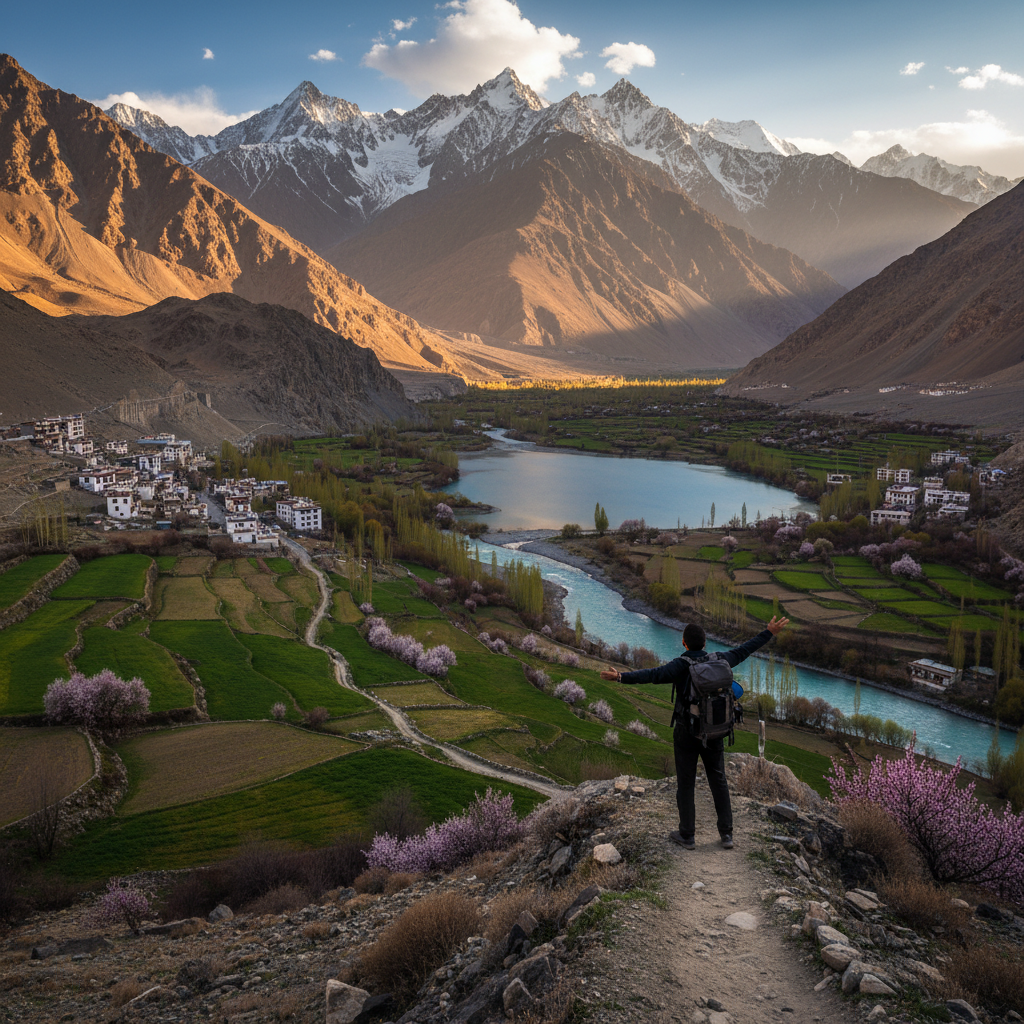
Ladakh Trekking Season Guide: An Overview for Adventurers
Ladakh, the 'Land of High Passes,' offers some of the most breathtaking and challenging trekking experiences in the world. Its dramatic landscapes, ancient monasteries, and unique culture draw adventurers from across the globe. However, planning a Ladakh trek isn't just about picking a route; the season you choose is paramount to both your safety and enjoyment. Unlike other Himalayan regions, Ladakh has a very distinct trekking window, largely dictated by its extreme weather conditions and high altitudes. Understanding these seasonal nuances is crucial for an unforgettable journey. This guide will walk you through the various trekking seasons in Ladakh, detailing what to expect in terms of weather, accessibility, and the types of treks suitable for each period. From the vibrant green valleys of summer to the stark, frozen rivers of winter, each season offers a unique perspective of this majestic region. We'll cover everything from the popular Markha Valley Trek to the legendary Chadar Trek, providing practical insights based on years of local experience. Remember, proper acclimatization is always key in Ladakh, regardless of the season, but choosing the right time for your trek will significantly enhance your adventure and mitigate risks. Let's delve into when and how to best explore Ladakh's incredible trails.
Summer (June to September): The Peak Trekking Season
Summer, spanning from June to September, is unequivocally the peak trekking season in Ladakh. During these months, the snow has largely melted from the high passes, making most trekking routes accessible. The weather is generally pleasant, with daytime temperatures ranging from 15°C to 25°C in the valleys, though nights can still be cool, dropping to 5°C. This period is ideal for a wide range of treks, from moderate multi-day journeys like the Markha Valley Trek, where you can witness vibrant greenery and blooming wildflowers, to challenging expeditions like the Kang Yatse II ascent. The clear skies offer stunning panoramic views of the Himalayan and Karakoram ranges, and the stable weather makes for safer passage across high altitudes. You'll find teahouses and homestays along popular routes fully operational, providing essential support and a chance to experience Ladakhi hospitality. However, be prepared for more trekkers on the trails and potentially higher prices for services. While Ladakh falls in a rain shadow region, occasional light showers can occur, especially in July and August, so a good rain jacket is always a wise addition to your packing list. This is the prime time to explore the diverse landscapes of Ladakh on foot, offering the best conditions for most trekkers.
Monsoon (Late July to Mid-September): A Unique Window for Ladakh
While the rest of India experiences heavy monsoon rains from late July to mid-September, Ladakh, situated in a rain-shadow zone, remains relatively dry. This makes it a unique and viable trekking destination during a time when most other Himalayan regions are inaccessible or risky due to landslides. The 'monsoon' in Ladakh is characterized by occasional, short bursts of rain rather than continuous downpours, often limited to the afternoon or evening. The landscape transforms during this period; the usually arid mountains take on a subtle green hue, and streams swell, adding to the dramatic beauty. Temperatures remain pleasant, similar to early summer. However, trekkers should be aware that while heavy rain is rare, melting glaciers and occasional cloudbursts can cause flash floods in narrow valleys, particularly in areas like the Zanskar region. It's crucial to stay updated on local weather forecasts and consult with experienced local guides. Treks like the Lamayuru to Alchi or Spituk to Basgo routes are particularly enjoyable during this time, offering lush valley views and fewer crowds compared to early summer. Always carry waterproof gear and be mindful of river crossings, which can be more challenging. This season offers a distinct and often less crowded experience for those seeking Ladakh's unique charm.
Autumn (Late September to October): Golden Hues and Clear Skies
As September draws to a close and October begins, Ladakh transitions into a spectacular autumn season. This is a favorite time for many experienced trekkers, known for its incredibly clear skies, stable weather, and fewer crowds. The daytime temperatures are comfortably cool, ranging from 10°C to 20°C, but nights become significantly colder, often dropping below 0°C, especially at higher altitudes. The willow and poplar trees in the valleys turn a brilliant golden, providing a stark and beautiful contrast to the barren brown mountains and the deep blue sky. This period offers some of the best photographic opportunities. Most trekking routes remain open, though some of the highest passes might see early snowfall by late October, making them more challenging or even inaccessible. Homestays and teahouses, especially in popular routes like Markha Valley, may start closing down towards the end of October as the season winds down. Trekkers venturing out in autumn should be self-sufficient or hire experienced local guides, as support services become sparser. Layered clothing is essential to cope with the significant temperature fluctuations between day and night. Autumn in Ladakh is perfect for those who appreciate crisp air, stunning autumnal colors, and a more serene trekking experience away from the peak season rush.
Winter (November to March): The Frozen Frontier and Chadar Trek
Winter in Ladakh, from November to March, transforms the landscape into an ethereal, frozen wonderland, accessible primarily to experienced winter trekkers and those seeking unique adventures. Daytime temperatures often hover around freezing, while nights can plunge to a frigid -25°C or even lower. Most high-altitude passes are completely blocked by heavy snowfall, cutting off road access and making traditional summer treks impossible. However, this season is legendary for the iconic Chadar Trek, a challenging and unforgettable journey across the frozen Zanskar River. This trek is usually viable from mid-January to mid-February, depending on the ice formation. Other winter trekking opportunities are limited and require specialized gear, extensive planning, and expert local guides. These might include snow treks to lower-altitude monasteries or frozen lake explorations, but they are not for the faint of heart. Trekkers considering winter must be prepared for extreme cold, limited facilities, and the inherent risks associated with such harsh conditions. Acclimatization is even more critical in winter. While the challenges are immense, the reward is an unparalleled experience of Ladakh's stark beauty, pristine snowscapes, and the profound silence of a truly isolated wilderness. This season offers a truly off-the-beaten-path adventure for the intrepid.
Choosing Your Trek: Routes Suited to Each Season
The choice of your trekking route in Ladakh should align directly with the season you plan to visit. In summer (June-September), virtually all treks are accessible, from short, gentle monastery walks to strenuous high-altitude expeditions. The Markha Valley Trek, a classic multi-day circuit offering diverse landscapes and cultural immersion, is perfect for this period. Other popular options include the Lamayuru to Chilling trek or the Stok Kangri base camp trek (though Stok Kangri summit attempts have specific permits and regulations). During the monsoon period (late July-mid-September), treks in the drier regions are ideal. Consider routes like Lamayuru to Alchi, which generally stays clear of heavy rain, or shorter day treks around Leh that offer stunning views of the greening valleys. For autumn (late September-October), the clear weather and vibrant colors make treks like Sham Valley (the 'Apricot Valley') particularly beautiful. Longer treks like Padum to Darcha or the challenging Kang Yatse II also remain viable, though with colder nights. Winter (November-March) is almost exclusively for the Chadar Trek, a unique experience on the frozen Zanskar River. Other winter options are niche and require extreme caution and local expertise. Always check with local operators like Mid Holidays for the most current route conditions and recommendations before finalizing your plans.
Essential Packing and Preparation for Ladakh Treks
Regardless of the season, packing smart and preparing your body are paramount for a successful Ladakh trek. For summer and autumn treks, layered clothing is key: moisture-wicking base layers, warm mid-layers (fleece or down jacket), and a waterproof and windproof outer shell. Sturdy, broken-in trekking boots with good ankle support are a must, along with extra socks. A good quality sleeping bag (comfort rating around -5°C to -10°C even in summer for higher camps) is recommended if camping. Essentials also include a wide-brimmed hat, sunglasses, high-SPF sunscreen, lip balm, a headlamp, a first-aid kit with personal medications, and a water purification method. Winter treks, especially the Chadar, demand specialized gear: extreme cold-weather clothing (multiple layers of thermal wear, heavy down jacket, waterproof outer shell), insulated waterproof boots, gaiters, heavy-duty gloves, and a sub-zero sleeping bag. Physical preparation is equally important; start cardiovascular training (running, swimming, cycling) several months in advance. Crucially, always plan for at least two to three days of acclimatization in Leh before starting any high-altitude trek. Stay hydrated by drinking plenty of water, avoid alcohol and smoking, and eat light, nutritious meals. Consulting with experienced local operators will help you tailor your packing list and preparation to your chosen trek and season.
Safety, Acclimatization, and Local Etiquette
Safety in Ladakh trekking revolves heavily around proper acclimatization. Leh, at an altitude of approximately 3,500 meters (11,500 feet), requires a minimum of 2-3 days for your body to adjust before ascending to higher altitudes. During this period, engage in light activities, drink plenty of fluids, and listen to your body. Acute Mountain Sickness (AMS) can affect anyone, regardless of fitness level, so be aware of symptoms like headache, nausea, and dizziness. Never hesitate to descend if symptoms worsen. Traveling with a local guide or porter is highly recommended, as they possess invaluable knowledge of the terrain, weather patterns, and local emergency procedures. Local etiquette is also crucial. Ladakh is a deeply spiritual region, predominantly Buddhist. When visiting monasteries, remove your shoes before entering prayer halls, walk clockwise around stupas and prayer wheels, and dress modestly (shoulders and knees covered). Always ask for permission before taking photos of people, especially monks. Respect local customs and traditions, and be mindful of your environmental impact – 'Leave No Trace' principles are paramount. Support local communities by choosing homestays and purchasing local crafts. By respecting the land and its people, you ensure a richer, safer, and more meaningful trekking experience in Ladakh.
Planning Your Ladakh Trek with Mid Holidays
Choosing the right season is just the first step in planning your dream Ladakh trek. With Mid Holidays, a licensed Kashmir-based tour operator, you can rest assured that every detail of your high-altitude adventure will be meticulously planned and executed. Our local experts possess an intimate knowledge of Ladakh's diverse trekking routes, seasonal variations, and safety protocols. Whether you dream of a challenging winter Chadar trek, a vibrant summer exploration of the Markha Valley, or an autumn journey through golden landscapes, we have a package tailored to your preferences and experience level. We provide experienced local guides, reliable equipment, comfortable accommodation (from camps to homestays), and comprehensive support to ensure your safety and enjoyment. Our itineraries prioritize proper acclimatization, a critical factor for high-altitude trekking in Ladakh. Don't leave your Ladakh trekking adventure to chance; let Mid Holidays navigate the complexities, allowing you to immerse yourself fully in the breathtaking beauty and unique culture of this 'Land of High Passes.' Visit Mid Holidays to explore our range of Ladakh trekking packages and start planning your unforgettable journey today.
Related Kashmir Guides & Services
<p>Planning the rest of your trip? These Mid Holidays guides pair well with this article:</p><ul><li><a href="/blog/kashmir-during-autumn-season-ultimate-guide">Kashmir During Autumn Season: Your Ultimate Guide by Mid Holidays</a></li><li><a href="/blog/best-time-vaishno-devi-yatra">Best Time for Vaishno Devi Yatra: Your Ultimate Guide (2026)</a></li><li><a href="/blog/best-month-to-visit-gurez-valley">Best Month to Visit Gurez Valley: Your Ultimate Mid Holidays Guide</a></li><li><a href="/blog/leh-ladakh-best-time-to-visit-month-wise">Leh Ladakh Best Time to Visit Month-Wise: Your Ultimate Guide</a></li><li><a href="/blog/zanskar-river-rafting-guide">Zanskar River Rafting Guide: Your Ultimate Adventure with Mid Holidays</a></li></ul>
Frequently Asked Questions
When is the absolute best time for general trekking in Ladakh?
The absolute best time for general trekking in Ladakh is from June to September. During these months, the weather is most stable, high passes are clear of snow, and temperatures are pleasant for hiking. This period offers access to the widest range of treks, from easy day hikes to challenging multi-day expeditions, with all support services like teahouses and homestays fully operational. The landscapes are vibrant, and the skies are generally clear, providing excellent visibility for stunning mountain views.
Is the Chadar Trek the only trekking option during winter in Ladakh?
While the Chadar Trek is by far the most famous and popular winter trekking option in Ladakh, it is not the only one. Experienced winter trekkers can also explore shorter snow treks to lower-altitude monasteries or embark on specialized expeditions across frozen lakes or less-known winter routes. However, these require advanced preparation, specialized gear, and highly experienced local guides due to the extreme cold, limited facilities, and inherent risks associated with severe winter conditions.
What kind of temperatures can I expect during an autumn trek in Ladakh?
During an autumn trek in Ladakh (late September to October), you can expect comfortably cool daytime temperatures ranging from 10°C to 20°C. However, nights become significantly colder, especially at higher altitudes, often dropping to below 0°C. There can be a considerable temperature fluctuation between day and night, so layering your clothing is crucial for staying comfortable and safe throughout your trek.
Is it safe to trek in Ladakh during the monsoon season?
Yes, it is generally safe to trek in Ladakh during the monsoon season (late July to mid-September) because it lies in a rain-shadow region and experiences minimal rainfall compared to other parts of the Himalayas. However, trekkers should be aware of occasional cloudbursts or flash floods in narrow valleys, especially in the Zanskar region. Always consult local weather forecasts and trek with experienced guides, carrying waterproof gear for unexpected light showers.
How many days should I allocate for acclimatization before starting a high-altitude trek?
It is strongly recommended to allocate a minimum of two to three full days for acclimatization in Leh (or a similar altitude) before starting any high-altitude trek in Ladakh. Leh is situated at approximately 3,500 meters (11,500 feet), and allowing your body to adjust to this elevation is crucial for preventing Acute Mountain Sickness (AMS). During this time, engage in light activities and stay well-hydrated.
What are some popular treks suitable for the summer season in Ladakh?
In the summer season (June to September), popular treks suitable for Ladakh include the classic Markha Valley Trek, known for its diverse landscapes and cultural encounters, and the Lamayuru to Chilling trek. Other options include the challenging Stok Kangri base camp trek or easier monastery walks around Leh and Spituk. These routes are fully open, offering stunning views and operational support services.
Do I need special permits for trekking in Ladakh?
For most popular trekking routes in Ladakh, especially those in restricted or protected areas, you will need permits. Indian nationals typically require an Inner Line Permit (ILP) for certain areas, while foreign nationals might require a Protected Area Permit (PAP). These can usually be obtained through licensed tour operators or at the Leh District Magistrate's office. Always check the latest regulations as they can change.
Can I trek independently in Ladakh or is a guide necessary?
While experienced trekkers might attempt shorter, well-marked routes independently during peak season, it is highly recommended to trek with a local guide or porter, especially for multi-day or high-altitude treks. Guides possess invaluable knowledge of the terrain, weather changes, local culture, and emergency procedures. This significantly enhances safety and provides a deeper cultural experience. For winter treks, a guide is absolutely essential.