Peer Ki Gali Road Trip: A Journey Through Kashmir's Majestic Pass
Kashmir Scenic Drives
Embark on an unforgettable Peer Ki Gali road trip with our expert guide. Discover routes, timings, costs, and essential tips for this stunning Pir Panjal…
Embarking on the Peer Ki Gali Road Trip: An Overview
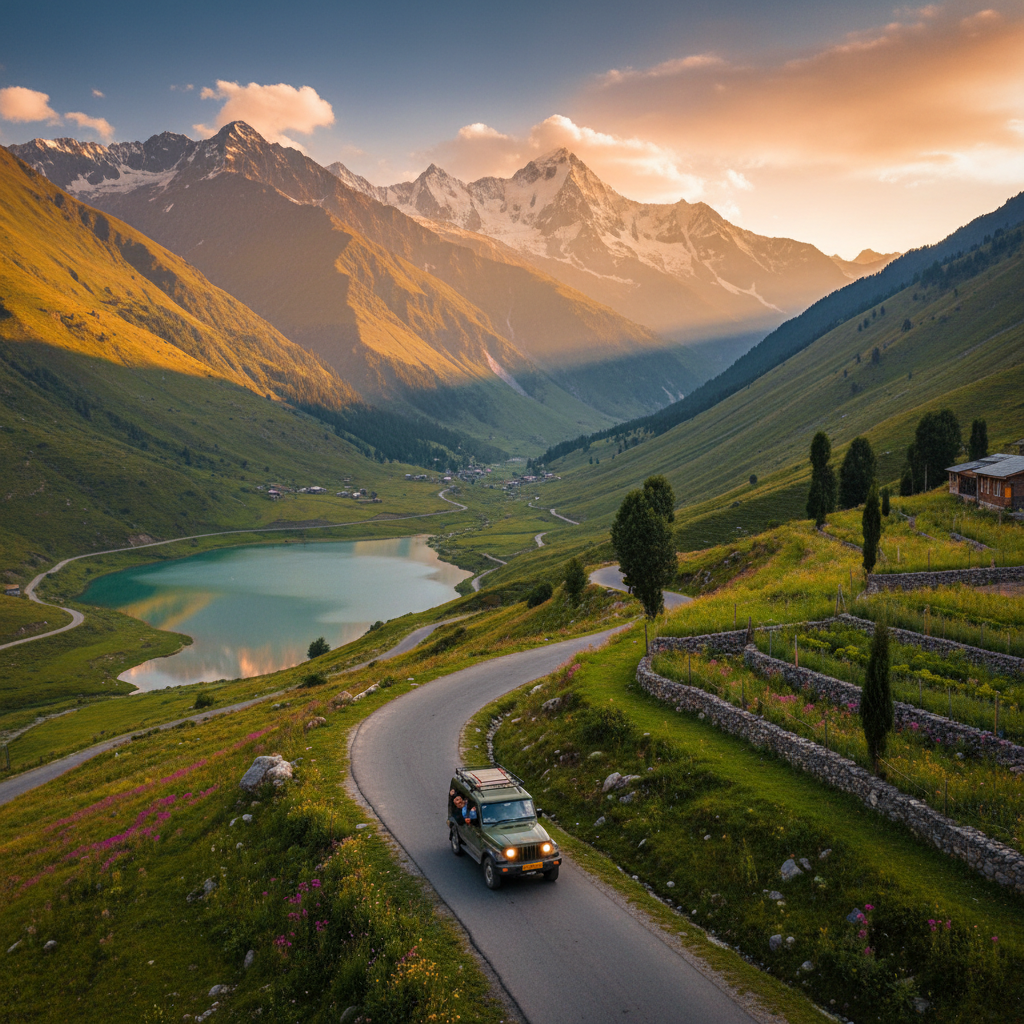
The Peer Ki Gali road trip offers an incredible opportunity to traverse the historic Mughal Road, an ancient route that once connected Kashmir with the rest of India. This journey takes you through the heart of the Pir Panjal mountain range, with 'Peer Ki Gali' (the 'Pass of Saints') being its highest and most iconic point. Situated at an elevation of approximately 3,485 meters (11,434 feet) above sea level, the pass is less about commercial hustle and more about serene natural beauty and historical resonance. It's a fantastic alternative for those who’ve already explored the more frequented routes like the Srinagar-Jammu National Highway and are seeking a more rugged, picturesque, and less congested mountain driving experience. The road is typically open from late spring to late autumn, offering spectacular views of alpine meadows, thick deodar forests, and a sense of profound tranquility. This trip is ideally suited for adventurers, nature photographers, and anyone who appreciates raw Himalayan beauty away from the usual tourist trails, requiring a full day to fully appreciate the journey and its many stops.
Best Time and Season for Your Peer Ki Gali Adventure
Timing is crucial for a successful Peer Ki Gali road trip. The Mughal Road, including Peer Ki Gali, is usually open for traffic from late April or early May until late October or early November. This window can vary slightly each year depending on the snowmelt and onset of winter snowfall. For lush greenery, blooming wildflowers, and clear skies, the months of May, June, and September are particularly splendid. June through August offers a vibrant landscape with a good chance of pleasant weather, although afternoon showers can occur. Visiting in September and early October provides crisp air, golden autumn foliage, and generally stable conditions, making it ideal for photography. Avoid planning this trip between December and April, as heavy snowfall renders the pass impassable, and the road is officially closed. Always check local road conditions and weather forecasts just before your intended travel date, as mountain weather can be unpredictable. We recommend consulting with local drivers or the J&K Traffic Police for the latest updates on the Mughal Road's status.
Planning Your Peer Ki Gali Itinerary: A Day Trip from Srinagar or Rajouri
A Peer Ki Gali road trip can be conveniently planned as a full-day excursion. Most travelers either start from Srinagar and head towards Rajouri/Poonch, or vice versa. If starting from Srinagar, allow at least 10-12 hours for the round trip, including generous stops for photographs, refreshments, and soaking in the views. The journey from Srinagar to Peer Ki Gali itself takes approximately 4-5 hours, covering around 100-120 kilometers, depending on road conditions and traffic. You'll pass through Shopian, Dubjan, and then begin the ascent. Alternatively, if coming from the Jammu side, you'd typically start from Rajouri or Poonch, heading upwards through Bafliaz and Surankote. From Rajouri to Peer Ki Gali, it's roughly 2-3 hours of driving, covering about 80-90 kilometers. Consider packing a picnic lunch as dining options are sparse along the actual pass. The highlight is the shrine of Peer Baba Sheikh Ahmed Karim at the top, a revered spot where travelers often pause to offer prayers, alongside simply enjoying the panoramic views of the surrounding peaks and valleys. Don't rush; the beauty lies in the journey as much as the destination.
Estimated Costs and Budget Considerations for Your Trip
Budgeting for your Peer Ki Gali road trip is relatively straightforward. The primary cost will be transportation. If you hire a private taxi from Srinagar, expect to pay anywhere from INR 5,000 to INR 8,000 for a full day's round trip, including driver allowance and fuel. This cost can vary based on the type of vehicle (e.g., Alto, Innova, Tempo Traveller) and bargaining skills. From Rajouri or Poonch, a taxi might cost between INR 3,000 to INR 5,000 for a return journey. There are no entry fees for the pass itself. Food will be another variable; if you pack your own, it's minimal. Otherwise, expect to spend INR 300-500 per person at local dhabas along the way in towns like Shopian or Bafliaz. Keep a buffer of INR 500-1000 for miscellaneous expenses, such as snacks, beverages, and any unexpected detours or halts. Remember, these are approximate figures and can fluctuate. Solo travelers might find shared taxis a cheaper option if available, though these are less common for direct trips to Peer Ki Gali and usually operate only between major towns.
Reaching Peer Ki Gali: Transport Options and Road Conditions
The only practical way to reach Peer Ki Gali is by road, predominantly via the Mughal Road. While public buses ply between Srinagar and Poonch/Rajouri, they often do not stop specifically for sightseeing at Peer Ki Gali, making a private or hired vehicle the most convenient choice. Shared taxis might be available for segments of the route but direct services to the pass for tourism without multiple stops are rare. The road surface is generally well-maintained, but as with any high mountain pass, expect some rough patches, especially after heavy rains, and narrow sections. It’s a two-lane road in most parts, but hairpin bends and steep inclines require a skilled and experienced driver. During peak season, traffic can be moderate, particularly around the towns. Drivers should be prepared for varying weather conditions; fog can descend quickly, and temperatures can drop significantly at the pass. Always ensure your vehicle is in good condition, especially brakes and tires, and carry basic emergency tools. It's advisable to start early in the morning to avoid afternoon traffic and potential weather changes.
What to Pack for Your Mountain Pass Journey
Packing smart is essential for a comfortable Peer Ki Gali road trip. Even if you're traveling in summer, the altitude at Peer Ki Gali means temperatures will be significantly cooler than in the plains, often windy, and capable of changing rapidly. Layered clothing is highly recommended: a light base layer, a warm fleece or sweater, and a waterproof and windproof jacket. A warm hat and gloves are also good to have, especially if you plan to spend time outdoors at the pass. Comfortable walking shoes with good grip are a must, as you might want to wander off the road for better views or explore the shrine. Don't forget sunglasses, sunscreen, and a lip balm, as the sun at high altitudes can be intense. Carry a small daypack with essentials like water bottles, high-energy snacks, a basic first-aid kit (including altitude sickness medication if you're prone to it), and personal medications. A camera with extra batteries and memory cards is indispensable for capturing the breathtaking scenery, and binoculars can enhance your wildlife spotting opportunities. Keep all documents, including ID, handy.
Safety, Local Etiquette, and Common Mistakes to Avoid
Safety on the Mughal Road is paramount. Always ensure your driver is experienced with mountain terrain. Drive cautiously, adhere to speed limits, and be mindful of local traffic and livestock on the road. The region is largely safe for tourists, but it's always wise to inform someone of your itinerary. Regarding local etiquette, the shrine at Peer Ki Gali is a sacred place; dress modestly, remove your shoes before entering, and respect the religious sentiments of others. Photography inside the inner sanctuary might be restricted. Avoid littering; carry all your waste back down. Common mistakes include underestimating the travel time and the changeable mountain weather, leading to rushing or being caught unprepared. Many travelers also forget to carry sufficient cash, as ATMs are scarce along the route. Another mistake is not bringing enough water and snacks, given the limited facilities. Lastly, ignoring road signs or local advice about conditions can be risky. Always prioritize safety and local wisdom for a smooth and enjoyable Peer Ki Gali experience.
Experiencing the Serenity: Beyond the Drive
While the drive to Peer Ki Gali is an experience in itself, take the time to truly immerse yourself in the environment once you arrive. The pass is revered due to the shrine of Peer Baba Sheikh Ahmed Karim, a Sufi saint. Many locals and travelers stop here to pray and partake in community meals (langar), which are often served. The panoramic views from the top are simply breathtaking, offering glimpses of the surrounding Pir Panjal range, deep valleys, and verdant meadows below. Look out for local shepherds (Gujjars and Bakarwals) with their flocks, a common sight during the warmer months. You might even spot some unique Himalayan flora and fauna if you're lucky and patient. Instead of just driving through, pause, breathe the crisp mountain air, and absorb the tranquility. It’s a place that invites reflection and appreciation for nature's grandeur. For a truly hassle-free and deeply enriching exploration of this stunning pass and other hidden gems of Kashmir, consider booking a bespoke road trip package with Mid Holidays. Our local experts ensure a smooth journey, comfortable transport, and insights into the region’s culture and natural beauty, allowing you to focus purely on the experience.
Related Kashmir Guides & Services
<p>Planning the rest of your trip? These Mid Holidays guides pair well with this article:</p><ul><li><a href="/blog/how-to-plan-kashmir-trip-from-delhi">How to Plan a Dream Kashmir Trip from Delhi: A Local's Guide</a></li><li><a href="/blog/leh-to-chang-la-taxi-service">Leh to Chang La Taxi Service: Your Ultimate High-Altitude Journey Guide</a></li><li><a href="/blog/kashmir-travel-plan-ultimate-guide">Your Ultimate Kashmir Travel Plan: A 7-Day Itinerary Guide</a></li><li><a href="/blog/tulail-valley-tour-kashmir-hidden-paradise">Tulail Valley Tour: Your Guide to Kashmir's Hidden Paradise</a></li><li><a href="/blog/peer-ki-gali-kashmir-travel-guide">Peer Ki Gali Kashmir: The Ultimate Travel Guide to Pir Panjal Pass</a></li></ul>
Frequently Asked Questions
Is Peer Ki Gali suitable for all types of travelers?
Peer Ki Gali is best suited for adventure enthusiasts, nature lovers, and those seeking an offbeat experience. While generally safe, the mountain roads can be challenging, and facilities are basic. It's not ideal for those who prefer luxurious comfort or have motion sickness issues, but perfectly enjoyable for families and groups who appreciate scenic drives and historical significance.
Are there any accommodation options near Peer Ki Gali?
There are no formal accommodation options directly at Peer Ki Gali itself, as it's a high mountain pass. The nearest towns with guesthouses and hotels are Shopian on the Kashmir side (approximately 2-3 hours away) and Rajouri or Poonch on the Jammu side (approximately 2-3 hours away). Most travelers visit Peer Ki Gali as a day trip from Srinagar, Rajouri, or Poonch.
What is the significance of the Peer Baba shrine at the pass?
The shrine at Peer Ki Gali is dedicated to Peer Baba Sheikh Ahmed Karim, a revered Sufi saint. It holds great spiritual significance for both locals and travelers, who often stop to offer prayers and seek blessings for a safe journey. Many believe the saint protects those who traverse the pass. It's a place of peace and spiritual solace amidst the rugged mountains.
Can I drive my own car to Peer Ki Gali?
Yes, you can drive your own car to Peer Ki Gali, provided it's a vehicle suitable for mountain roads, preferably an SUV with good ground clearance. However, it's highly recommended to have an experienced driver familiar with Himalayan terrains due to winding roads, steep gradients, and sometimes challenging conditions. Ensure your vehicle is well-serviced before embarking on the trip.
Are there petrol pumps or workshops along the Mughal Road to Peer Ki Gali?
Petrol pumps and basic workshops are available in larger towns like Shopian on the Kashmir side and Rajouri/Poonch on the Jammu side. However, once you start ascending towards Peer Ki Gali, facilities become extremely sparse. It’s crucial to fill up your fuel tank and check your vehicle in these towns before proceeding to the pass. Carry sufficient fuel if you plan extensive detours.
What kind of food and refreshments are available at Peer Ki Gali?
At Peer Ki Gali, you'll mainly find small tea stalls and local vendors offering basic refreshments like tea, biscuits, and sometimes Maggi noodles. During peak season, some dhabas might offer simple meals. It's highly advisable to carry your own packed snacks and water, especially if you have specific dietary preferences or are traveling with children. Community meals (langar) are occasionally offered at the shrine.
Is Kashmir safe for such a remote road trip to Peer Ki Gali?
Generally, Kashmir is safe for tourists, and the Mughal Road, while less frequented than major highways, is a well-traveled route during its operational season. Local authorities ensure safety. However, like any remote mountain area, it's wise to travel during daylight hours, inform someone of your route, and follow local advice. The presence of pilgrimage sites like the shrine also ensures a certain level of security and community vigilance.