Mughal Road Shopian Poonch Guide: Your Journey Through Kashmir's Historic Path
Kashmir Offbeat Travel
Explore the historic Mughal Road connecting Shopian and Poonch with our ultimate guide. Discover scenic routes, travel tips, and hidden gems along this…
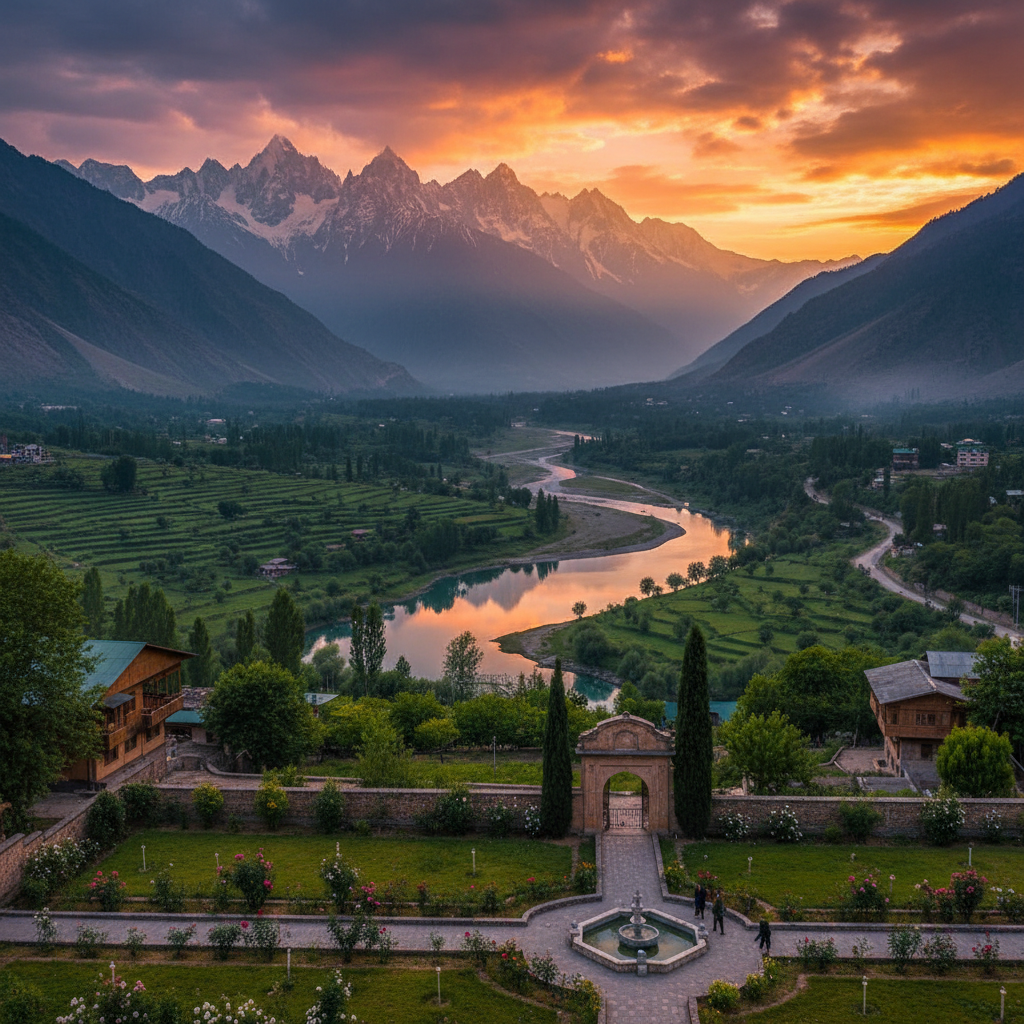
Discovering the Mughal Road: A Journey Through History and Nature
The Mughal Road is more than just a road; it's a historical artery winding through the Pir Panjal mountain range, connecting the Kashmir Valley (specifically Shopian) with the Pir Panjal region (Poonch and Rajouri). This ancient route was famously used by Mughal emperors, including Emperor Jahangir, to travel between Lahore and Kashmir, offering a cooler, more scenic alternative to the conventional Jammu-Srinagar highway. Today, it stands as a testament to engineering marvels of a bygone era and a lifeline for the people residing in these remote mountainous areas. For travellers, it offers an unparalleled journey into the heart of untouched Kashmir, far from the usual tourist circuit. Think winding roads through dense forests, pristine meadows, and breathtaking vistas that change with every turn. The road typically remains open from late spring to late autumn, closing during heavy snowfall in winter, usually between November and April. It's a route for those who seek adventure, history, and an intimate connection with nature, offering a raw and authentic Kashmir experience that the regular highways simply cannot provide. The total length of the Mughal Road is approximately 84 kilometers, from Shopian to Bafliaz in Poonch, with Peer Ki Gali being its highest and most iconic point.
Who is the Mughal Road Journey For? Unveiling a Unique Perspective
The journey along the Mughal Road is ideally suited for adventurous travellers, history enthusiasts, and nature lovers who prefer offbeat paths over crowded tourist spots. If you're someone who appreciates serene landscapes, wants to delve deeper into Kashmir's rich past, and isn't afraid of winding mountain roads, this route is definitely for you. It's an excellent option for those looking to explore beyond the classic Srinagar-Gulmarg-Pahalgam circuit and experience a different facet of the region. This road is also a vital link for local communities, so you'll encounter a mix of local traffic, including trucks and private vehicles. Photography enthusiasts will find endless opportunities to capture stunning vistas, from panoramic mountain views to charming pastoral scenes. Families with older children who enjoy road trips and historical narratives will also find it engaging. However, it might not be the best choice for those prone to motion sickness or seeking luxury amenities at every turn, as facilities along the route are basic but functional. The Mughal Road offers a true sense of exploration and discovery, making it perfect for those who cherish authentic travel experiences and wish to connect with Kashmir's heartland.
Best Time to Traverse the Mughal Road: Seasons and Experiences
The Mughal Road is generally accessible from late April or early May until late October or early November, depending on the severity of the winter snow. Each season offers a distinct charm. Spring (May to June) brings lush greenery, blooming wildflowers, and clear skies, making it an ideal time for photography and enjoying the fresh mountain air. The melting snow feeds numerous streams, and the landscape is vibrant and alive. Summer (July to August) offers pleasant temperatures, though occasional rains can make the roads a bit slippery. This is a popular time for local picnickers and families. Autumn (September to October) is arguably the most spectacular time to travel the Mughal Road. The entire valley transforms into a canvas of golden and russet hues as the chinar and poplar trees change colour. The air is crisp, and the views are often exceptionally clear, offering breathtaking panoramas. Winters (November to April) see the road completely shut due to heavy snowfall, especially around Peer Ki Gali, making it inaccessible for vehicular traffic. Therefore, plan your journey during the late spring, summer, or autumn months for the best experience. Always check local weather reports and road conditions before embarking, as unexpected weather can sometimes lead to temporary closures even during the open season.
Your Step-by-Step Journey: Shopian to Poonch via Mughal Road
Embarking on the Mughal Road from Shopian to Poonch is an adventure best broken down into key segments. Your journey begins in Shopian, a district headquarters known for its apple orchards. From Shopian, you'll head towards Dubjan, a picturesque area marking the ascent into the Pir Panjal mountains. The road then winds its way up to Peer Ki Gali, the highest point on the Mughal Road, situated at an altitude of approximately 11,500 feet (3,500 meters). This is often a significant stop for travellers, featuring the tomb of Baba Ghulam Shah Badshah, a revered Sufi saint, which attracts devotees and offers panoramic views. The journey from Shopian to Peer Ki Gali typically takes around 2-3 hours, covering roughly 40-45 kilometers, depending on road conditions and stops. After Peer Ki Gali, the descent begins towards Buffliaz, a town in Poonch district. The landscape gradually shifts from alpine meadows to more forested, lower-altitude terrain. From Buffliaz, you can continue towards Poonch town, which is another 25-30 kilometers away. The entire stretch from Shopian to Poonch via Mughal Road, covering approximately 84-90 kilometers, can take anywhere from 4 to 6 hours, excluding significant stops, due to the winding nature of the mountain roads and potential for local traffic. Road conditions are generally good but can vary, especially after rainfall or during the shoulder seasons. Ensure your vehicle is in good condition, and consider hiring a local driver familiar with the route.
Cost and Budget Breakdown for Your Mughal Road Trip
A journey along the Mughal Road can be quite budget-friendly, especially if planned well. For transport, hiring a taxi from Srinagar to Poonch via Mughal Road would be the primary cost. A private taxi (like a Sedan or SUV) could range from INR 6,000 to INR 10,000 for a one-way trip, depending on the type of vehicle, duration, and negotiation. If you start from Shopian, the cost would be less, perhaps INR 3,000 to INR 5,000 to Poonch. Shared taxis are less common on this specific route but can be found between major towns like Shopian and Peer Ki Gali, offering a much cheaper option for local travel, perhaps INR 200-500 per person for a segment. Fuel costs for a private car will depend on your vehicle's mileage and current fuel prices, but budget around INR 1,500-2,500 for a full round trip from Srinagar. Accommodation options along the Mughal Road itself are very limited and basic, primarily small guesthouses or homestays in places like Buffliaz or Poonch, costing INR 1,000-2,500 per night. In Shopian or Poonch town, you might find slightly better hotels. Food is generally inexpensive, with local dhabas offering meals for INR 150-300 per person. Overall, a day trip could cost INR 3,000-5,000 per person if sharing a taxi, or INR 8,000-12,000 for a private car including basic food, making it an accessible adventure for various budgets. Remember to carry cash, as ATMs are scarce once you leave major towns.
Navigating the Route: How to Reach and Transport Options
To embark on the Mughal Road journey, you typically start from the Kashmir Valley side, with Shopian as the gateway. If you're coming from Srinagar, you can hire a private taxi directly to Poonch via Mughal Road. This is the most convenient option, offering flexibility for stops and photography. The drive from Srinagar to Shopian itself is about 1.5 to 2 hours. Alternatively, you can take a shared taxi or local bus from Srinagar to Shopian. From Shopian, you might be able to find shared taxis going towards Peer Ki Gali or even further towards Buffliaz, though these are less frequent and might require changes. Public bus services are limited and primarily cater to local commuters, making them a less practical choice for tourists covering the entire scenic route. Self-driving is an option for those comfortable with mountain roads, but ensure your vehicle is well-maintained and you have sufficient fuel, as petrol pumps are sparse on the route. It's always advisable to start your journey early in the morning to allow ample time for travel and unforeseen delays, especially during daylight hours. Local drivers are often the best choice as they are familiar with the terrain, weather conditions, and any potential road issues. Always inform your hotel or local contacts about your travel plans for safety reasons.
Where to Stay and Savor Local Flavors Along the Way
Accommodation options directly on the Mughal Road are quite limited, reflecting its offbeat nature. Most travellers choose to do it as a day trip from Srinagar, or they plan to stay in either Shopian or Poonch at the beginning or end of their journey. In Shopian, you'll find a few basic guesthouses and local hotels, often used by business travellers, offering comfortable but no-frills stays for around INR 1,500-3,000. In Poonch, there are slightly more options, including government guesthouses and private hotels, ranging from INR 1,800-4,000, some offering better amenities. Along the actual road, particularly around Peer Ki Gali or Buffliaz, you might come across very basic homestays or dhabas that offer overnight stays for travellers in a pinch, but these should not be relied upon for advance bookings or comfort. For dining, the Mughal Road is a treasure trove of authentic Kashmiri and regional cuisine served in local dhabas. At Peer Ki Gali, you'll find several small eateries serving hot tea, Kahwa, and simple meals like Rajma Chawal (kidney beans with rice) and local bread, which are a must-try. In Buffliaz and Poonch, you can enjoy more extensive meals, including traditional Kashmiri wazwan dishes in larger restaurants, though options will still be more local than tourist-oriented. Embrace the opportunity to taste the simple, hearty mountain food, often prepared with fresh, local ingredients. Always carry some snacks and water, especially if you plan extended stops, as facilities can be far apart.
Essential Packing, Safety, and Local Etiquette for a Smooth Trip
For a trip on the Mughal Road, sensible packing is key. Carry layers of clothing, as temperatures can vary significantly between Shopian, Peer Ki Gali, and Poonch, even in summer. A good quality jacket, warm sweaters, and rain gear are advisable, regardless of the season, due to unpredictable mountain weather. Comfortable walking shoes are essential if you plan to explore any spots. Don't forget sunscreen, sunglasses, a hat, and a basic first-aid kit, including any personal medications. For safety, always travel with a reliable vehicle and an experienced driver. Inform someone about your itinerary. Mobile network connectivity can be patchy in certain sections, so be prepared for intermittent signal. Avoid travelling after dark, as road conditions can be challenging. Local etiquette is important: dress modestly, especially when visiting shrines or interacting with locals. Respect local customs and traditions. Photography is generally welcomed, but always ask for permission before taking pictures of individuals, especially women. The people in this region are known for their hospitality and warmth, so engaging with them respectfully can enhance your experience. Remember to keep the environment clean; do not litter, and respect the pristine natural beauty of the Pir Panjal range. Carrying sufficient cash is also crucial, as digital payment options and ATMs are limited outside major towns.
Common Mistakes to Avoid on Your Mughal Road Adventure
While the Mughal Road offers an enchanting journey, avoiding common pitfalls can ensure a smoother and more enjoyable experience. One frequent mistake is underestimating the travel time; this is not a highway, and winding roads, potential livestock, and occasional landslides can extend your journey significantly. Always add buffer time to your estimates. Another error is not checking road conditions beforehand; heavy rains or early/late snowfall can close sections of the road without much notice. A quick call to local taxi unions or Mid Holidays can provide the latest updates. Over-reliance on mobile network coverage is another pitfall; signal can be sporadic, so download offline maps and inform your contacts about your travel plans before you leave areas with connectivity. Not carrying enough cash is a major inconvenience, as ATMs are scarce. Forgetting essential warm clothing, even in summer, can lead to discomfort at higher altitudes like Peer Ki Gali where temperatures drop suddenly. Lastly, neglecting to respect local customs and the environment can detract from the experience; always be mindful of local sensibilities and practice responsible tourism. By being prepared and informed, you can fully immerse yourself in the historical and natural beauty of the Mughal Road. For a meticulously planned and hassle-free journey through such unique routes, consider exploring Mid Holidays' custom Kashmir packages which often include such offbeat destinations with expert local guidance.
Related Kashmir Guides & Services
<p>Planning the rest of your trip? These Mid Holidays guides pair well with this article:</p><ul><li><a href="/blog/peer-ki-gali-road-trip-guide">Peer Ki Gali Road Trip: A Journey Through Kashmir's Majestic Pass</a></li><li><a href="/blog/kishtwar-travel-guide-kashmir-hidden-paradise">Kishtwar Travel Guide: Explore Kashmir's Hidden Paradise with Mid Holidays</a></li><li><a href="/blog/razdan-pass-kashmir-travel-guide">Razdan Pass Kashmir: Your Ultimate Guide to a Hidden Gem</a></li><li><a href="/blog/yusmarg-day-trip-itinerary">Your Ultimate Yusmarg Day Trip Itinerary from Srinagar</a></li><li><a href="/blog/pampore-saffron-fields-visit-guide">Pampore Saffron Fields Visit Guide: Kashmir's Golden Bloom</a></li></ul>
Frequently Asked Questions
Is the Mughal Road safe for tourists?
Yes, the Mughal Road is generally safe for tourists. It's a vital artery for local communities and sees regular traffic. However, like any mountain road, it's essential to travel during daylight hours, ensure your vehicle is well-maintained, and ideally have an experienced local driver. Road conditions can change with weather, so checking updates before you go is always recommended. Overall, it offers a secure and beautiful journey.
What is the main highlight of the Mughal Road?
The main highlight of the Mughal Road is undoubtedly Peer Ki Gali. This high mountain pass offers stunning panoramic views of the Pir Panjal range and is home to the revered shrine of Baba Ghulam Shah Badshah. It's a natural breaking point for travellers, providing an opportunity to soak in the majestic landscape, breathe the crisp mountain air, and experience a spiritual sense of peace. The entire journey itself, with its historical significance and scenic beauty, is a major draw.
Are there any permits required to travel on the Mughal Road?
No, as of the current regulations, there are no special permits required for Indian citizens or foreign tourists to travel on the Mughal Road. It is a public road connecting two districts. However, visitors are always advised to carry valid identification documents. In rare cases of security concerns or extreme weather, local authorities might temporarily restrict movement, so it's wise to stay informed about local conditions.
How long does it take to cover the Mughal Road from Shopian to Poonch?
The journey from Shopian to Poonch via the Mughal Road, covering approximately 84-90 kilometers, typically takes between 4 to 6 hours of actual driving time. This duration can vary significantly based on road conditions, traffic, weather, and the number of stops you make for photography or rest. It's a winding mountain road, so speeds are generally lower than on highways. Starting early is advisable to complete the journey comfortably in daylight.
Can I find petrol pumps or repair shops on the Mughal Road?
Petrol pumps and vehicle repair shops are very scarce directly on the Mughal Road itself, especially between Shopian and Buffliaz. You will find facilities in Shopian and then again in Buffliaz or Poonch town. It is crucial to ensure your vehicle has a full tank of fuel and is in excellent mechanical condition before starting the journey. Carrying a basic toolkit and spare tyre is also highly recommended for self-drivers.
What kind of vehicle is best suited for the Mughal Road?
A robust vehicle with good ground clearance is best suited for the Mughal Road. While sedans can manage during peak season when the roads are well-maintained, an SUV or a similar sturdy vehicle offers a more comfortable and safer ride, especially given the occasional rough patches or unpaved sections. Four-wheel drive is not typically necessary but can provide extra confidence, particularly during shoulder seasons or after rainfall. Always ensure your vehicle's tyres are in good condition.
Are there restrooms available along the Mughal Road?
Restroom facilities along the Mughal Road are extremely limited and basic. You might find public restrooms at the main stops like Peer Ki Gali, often attached to dhabas or small tea stalls, but they might not always meet Western standards of cleanliness. It's advisable to use facilities in Shopian or Poonch before and after your journey, and be prepared for 'nature breaks' in secluded areas along the route. Carrying hand sanitiser is always a good idea.
Can I trek or hike on the Mughal Road route?
Yes, the region around the Mughal Road offers excellent opportunities for trekking and hiking, particularly in the meadows and forests surrounding Peer Ki Gali and the higher reaches. Many local shepherds and villagers use these trails. However, it's advisable to undertake any significant treks with a local guide who knows the terrain and weather patterns. Short, leisurely walks near Peer Ki Gali or designated picnic spots are also popular and perfectly safe for most travellers.