How to Reach Peer Ki Gali: Your Ultimate Guide to This Scenic Pass
Kashmir Travel Guide
Planning a trip to Peer Ki Gali? Discover how to reach Peer Ki Gali with this ultimate guide covering routes, transportation, best time to visit, and local…
Peer Ki Gali: An Overview and Who It Suits
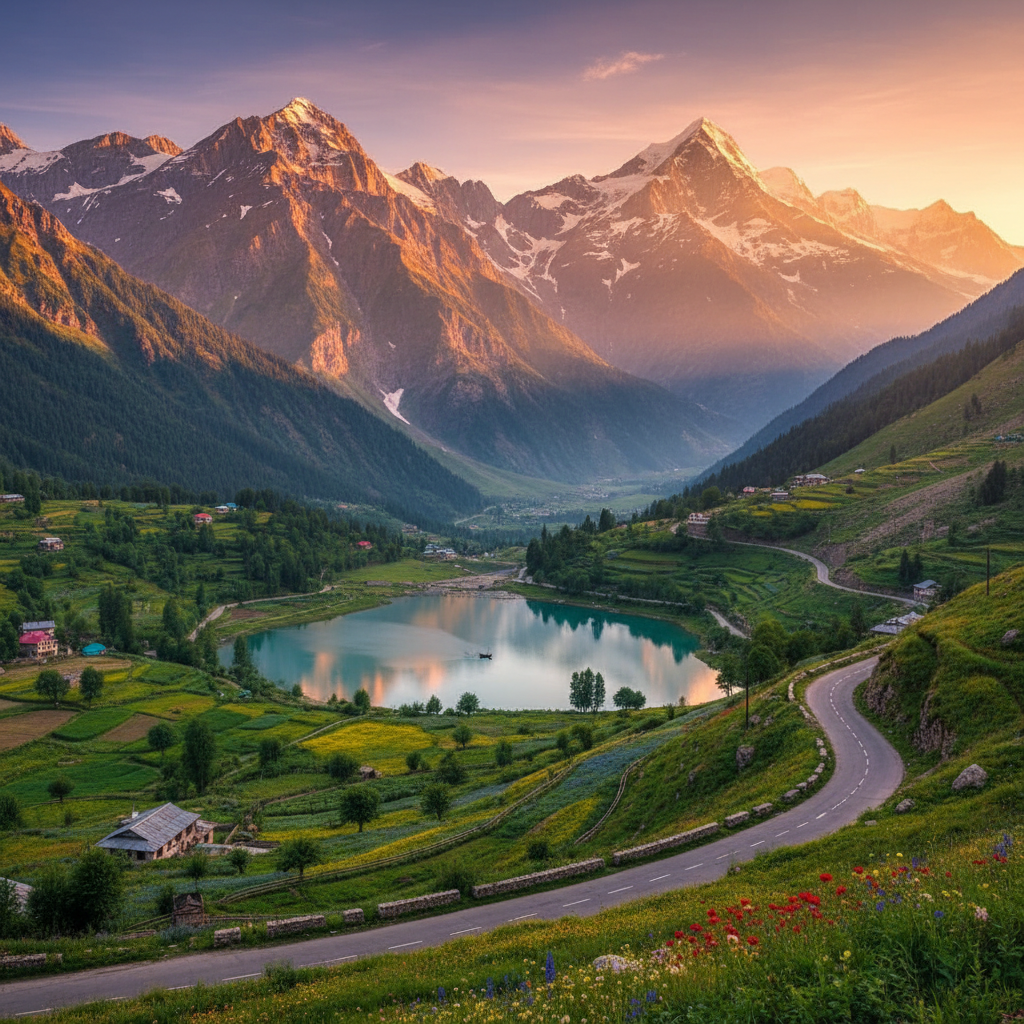
Peer Ki Gali, nestled high in the Pir Panjal mountain range at an elevation of approximately 3,489 meters (11,447 feet) above sea level, is not just a pass but an experience. It forms a crucial part of the historic Mughal Road, connecting the Shopian district in Kashmir to the Poonch and Rajouri districts in the Jammu division. This ancient route, once traversed by Mughal emperors, is now a breathtaking journey through lush meadows, dense forests, and pristine alpine landscapes. The pass itself is named after a revered local saint, Peer Baba, whose shrine stands majestically at the summit, offering a sense of spiritual calm amidst the rugged beauty. Peer Ki Gali is particularly suited for intrepid travelers who appreciate scenic drives, offbeat destinations, and a touch of history. It's ideal for those looking to escape the more crowded tourist circuits and immerse themselves in Kashmir's raw, untouched natural beauty. Adventure enthusiasts, photographers, and anyone yearning for a serene escape will find this journey deeply rewarding. The winding roads, punctuated by panoramic views, make for an unforgettable road trip, often leading to deep reflections on the region's rich past and present.
Best Time to Visit Peer Ki Gali and Road Conditions
The best time to experience Peer Ki Gali is generally from late May to early October. During these months, the snow has largely melted, making the Mughal Road accessible and the landscapes vibrant with greenery. Spring (May-June) offers blossoming meadows and pleasant temperatures, while summer (July-August) provides clear skies and comfortable travel conditions. Autumn (September-early October) transforms the hillsides into a riot of golden and crimson hues, presenting spectacular photographic opportunities. However, it's crucial to note that the road to Peer Ki Gali, being a high-altitude pass, is susceptible to heavy snowfall during winter months, typically from late October or November until April or even May. This means the Mughal Road is usually closed for traffic during this period. Always check the latest road conditions with local authorities or reliable tour operators like Mid Holidays before planning your trip, especially if traveling in the shoulder seasons. The road is asphalted but can be narrow and winding in places, with occasional rough patches. It requires careful driving, and local drivers are highly recommended for their familiarity with the terrain.
Detailed Routes: How to Reach Peer Ki Gali
Reaching Peer Ki Gali primarily involves traversing the historic Mughal Road. The most common starting points are either from Srinagar or Jammu. If you're coming from Srinagar, the journey typically begins by heading towards Shopian. From Srinagar, you would first travel about 50-60 kilometers southwest to Shopian town (approximately 1.5-2 hours drive). Once in Shopian, the Mughal Road begins its ascent towards the Pir Panjal range. From Shopian, Peer Ki Gali is another 40-50 kilometers, which can take approximately 2-3 hours due to the winding mountainous terrain and higher altitudes. The entire drive from Srinagar to Peer Ki Gali can take around 4-5 hours, depending on road conditions and stops. From the Jammu side, the route is longer and less frequented by tourists heading directly to Peer Ki Gali, as it involves crossing through Rajouri and Poonch districts before ascending. This route is typically chosen by those traveling the entire Mughal Road stretch. Whichever direction you choose, the journey is incredibly scenic, offering uninterrupted views of the Kashmir Valley on one side and the Poonch Valley on the other. Ensure your vehicle is in good condition, and hiring a local experienced driver is always advisable for navigating the challenging mountain roads.
Transportation Options and Costs
The most practical way to reach Peer Ki Gali is by hiring a private taxi or car. Public transport like buses is limited and irregular on the Mughal Road, especially for direct access to the pass itself, usually only operating between major towns like Shopian and Rajouri/Poonch. From Srinagar, a private taxi (a sedan like a Tata Indica or Dzire, or an SUV like an Innova) will be your best bet. The cost for a round trip to Peer Ki Gali from Srinagar can range from INR 4,500 to INR 7,000, depending on the vehicle type, your negotiation skills, and the duration of your stopovers. This typically includes the driver and fuel for a day trip. It's always wise to clarify whether the quoted price includes waiting charges and any potential toll fees, though tolls are uncommon on this specific stretch. For travelers on a tighter budget, you might consider taking a shared sumo or bus from Srinagar to Shopian and then trying to find a local taxi or shared sumo specifically heading up the Mughal Road, but this can be time-consuming and less reliable. Mid Holidays can arrange comfortable and experienced drivers for your Peer Ki Gali excursion, ensuring a hassle-free journey. Always confirm the final price before starting your trip to avoid any last-minute misunderstandings.
Where to Stay and Eat Around Peer Ki Gali
Peer Ki Gali itself is a high-altitude pass with very limited facilities, so you won't find hotels or restaurants directly at the summit. This is typically a day trip destination. The nearest accommodation and dining options are available in Shopian town on the Kashmir side or Rajouri/Poonch on the Jammu side. In Shopian, you can find basic guesthouses and local eateries serving Kashmiri cuisine. Don't expect luxury, but you'll get comfortable, clean stays and authentic local food. Expect to pay around INR 1,500 to INR 3,000 for a night's stay in a decent guesthouse or hotel in Shopian. For meals, local dhabas offer delicious Kashmiri Wazwan items, Rista, Gushtaba, and Rogan Josh, along with vegetarian options like Palak Paneer and Rajma Chawal, with a meal costing approximately INR 200-400 per person. It's advisable to carry packed lunches, snacks, and plenty of water when you embark on the journey to Peer Ki Gali, as there are no formal restaurants along the winding Mughal Road. You might find small tea stalls or vendors selling basic refreshments near the Peer Baba shrine during peak season, but these are intermittent. Plan your meals strategically, enjoying a hearty breakfast before you leave and saving your main meal for your return to Shopian or Srinagar.
What to Pack for Your Journey
Given the high altitude and unpredictable mountain weather of Peer Ki Gali, packing smart is essential. Even during summer months, temperatures can drop significantly, especially at the pass. Layered clothing is key: bring a warm fleece or sweater, a waterproof and windproof jacket, and comfortable trousers. Good quality walking shoes are crucial, as you might want to explore the surrounding meadows or walk a short distance from the road. Don't forget essentials like sunscreen, sunglasses, and a wide-brimmed hat to protect against the strong UV rays at high altitudes. A basic first-aid kit containing pain relievers, band-aids, antiseptic wipes, and any personal medications is highly recommended. Carry a small backpack with sufficient water, high-energy snacks like nuts, energy bars, and chocolates, as amenities are scarce. A power bank for your phone and camera, along with spare batteries, will ensure you capture the stunning landscapes. Binoculars can enhance your experience, allowing you to spot distant peaks and wildlife. Lastly, remember to carry identification documents and keep a printout of your itinerary and taxi details handy.
Safety, Permits, and Local Etiquette
Safety is paramount when traveling to Peer Ki Gali. Always travel during daylight hours, as the road can be challenging, and visibility can diminish rapidly. During peak season, security forces maintain a presence, but it's always wise to check the prevailing local conditions before your trip. No special permits are generally required for Indian tourists to visit Peer Ki Gali, but carrying valid identification is always a good practice. For international tourists, standard travel documents are sufficient. When interacting with locals, always be respectful and courteous. The shrine of Peer Baba at the pass is a sacred place; remove your shoes before entering and dress modestly as a sign of respect. Photography is usually permitted outside, but always ask before taking pictures of individuals. Avoid littering and help preserve the pristine environment of the Pir Panjal range. Keep a comfortable distance from wild animals if you encounter any. Follow your driver's advice regarding safe driving practices and local customs. By being mindful of these points, you can ensure a safe, respectful, and enjoyable journey to Peer Ki Gali.
Common Mistakes to Avoid
To ensure a smooth and memorable trip to Peer Ki Gali, be aware of common pitfalls. Firstly, never underestimate the mountain weather; checking forecasts and bringing appropriate layers is critical, even if the valley seems sunny. Secondly, avoid self-driving unless you are highly experienced with challenging mountain roads; local drivers are invaluable for their knowledge of terrain and conditions. Thirdly, expecting readily available food and accommodation at the pass is a mistake; Peer Ki Gali is remote, so pack your own refreshments. Fourthly, rushing your journey diminishes the experience. Allow ample time for stops to soak in the views and the tranquility. Fifthly, failing to confirm taxi fares upfront can lead to disputes. Always agree on a clear price, including all potential charges, before starting. Lastly, neglecting to check road accessibility reports, especially in shoulder seasons, can result in delays or even cancellations due to snow. Mid Holidays provides up-to-date information and well-planned itineraries to help you avoid these issues, making your journey to Peer Ki Gali as seamless as possible. Consider exploring our curated Kashmir packages that include such unique destinations for a truly hassle-free experience.
Related Kashmir Guides & Services
<p>Planning the rest of your trip? These Mid Holidays guides pair well with this article:</p><ul><li><a href="/blog/peer-ki-gali-kashmir-travel-guide">Peer Ki Gali Kashmir: The Ultimate Travel Guide to Pir Panjal Pass</a></li><li><a href="/blog/leh-to-chang-la-taxi-service">Leh to Chang La Taxi Service: Your Ultimate High-Altitude Journey Guide</a></li><li><a href="/blog/peer-ki-gali-road-trip-guide">Peer Ki Gali Road Trip: A Journey Through Kashmir's Majestic Pass</a></li><li><a href="/blog/how-to-reach-lolab-valley">How to Reach Lolab Valley: Your Ultimate Travel Guide to Kashmir's Hidden Gem</a></li><li><a href="/blog/best-time-to-visit-bangus-valley-kashmir">Best Time to Visit Bangus Valley: Your Ultimate Guide to Kashmir's Hidden Gem</a></li></ul>
Frequently Asked Questions
Is Peer Ki Gali open all year round?
No, Peer Ki Gali, part of the Mughal Road, is typically closed during the winter months due to heavy snowfall. The pass usually opens from late May or early June and remains accessible until late October or early November, depending on the weather. Always check the latest road status with local authorities or a reliable tour operator like Mid Holidays before planning your visit during shoulder seasons to avoid disappointment.
Are there any viewpoints or attractions along the way to Peer Ki Gali?
Absolutely! The entire Mughal Road journey to Peer Ki Gali is incredibly scenic. You'll pass through charming villages, dense pine forests, and vast meadows. Major attractions include the Shopian Apple Orchards (seasonal), numerous small waterfalls, and stunning panoramic views of the Kashmir Valley on one side and the Pir Panjal range on the other. The ascent itself offers continuous picturesque vistas, making the journey an attraction in itself.
Can I visit Peer Ki Gali as a day trip from Srinagar?
Yes, Peer Ki Gali is very much feasible as a day trip from Srinagar. The drive typically takes about 4-5 hours one way, depending on road conditions and your starting point in Srinagar. This allows for a few hours at the pass to explore the shrine, enjoy the views, and have a packed lunch, before returning to Srinagar by evening. Starting early in the morning is recommended to make the most of your day.
Is it safe for families with children to visit Peer Ki Gali?
Yes, it is generally safe for families with children to visit Peer Ki Gali, provided the weather and road conditions are favorable. The journey can be long and winding, so ensure children are comfortable in the car. Carry enough snacks, water, and warm clothing for them. The high altitude might cause mild discomfort for some, so stay hydrated and avoid strenuous activities at the summit. Local drivers are usually very careful on these routes.
What kind of vehicle is best suited for the Mughal Road to Peer Ki Gali?
An SUV (Sports Utility Vehicle) like a Toyota Innova, Mahindra Scorpio, or similar, is generally preferred for the Mughal Road to Peer Ki Gali due to its higher ground clearance and robust build. While sedans can also navigate the route, an SUV offers greater comfort and stability on the occasionally uneven mountain roads. Always ensure the vehicle is well-maintained and driven by an experienced local driver.
Are there any medical facilities near Peer Ki Gali in case of an emergency?
Medical facilities are very limited or non-existent directly at Peer Ki Gali. The nearest basic medical aid posts or hospitals would be in Shopian on the Kashmir side or Rajouri/Poonch on the Jammu side, which are several hours away. It's crucial to carry a personal first-aid kit and any necessary personal medications. For serious emergencies, immediate evacuation to Srinagar would be required, highlighting the importance of cautious travel and having a local guide.
Can I trek around Peer Ki Gali?
Yes, there are opportunities for short, informal treks and walks around Peer Ki Gali. The meadows and gentle slopes around the pass invite exploration, offering stunning views and a chance to immerse yourself in nature. However, it's not a place for extensive, marked hiking trails. If you plan to venture off the main area, inform your driver and stay within visible range, as the terrain can be rugged and paths undefined. Always prioritize safety and exercise caution.