Banihal Qazigund Tunnel Travel Guide: Your Smooth Journey Through Kashmir
Kashmir Travel Guide
Navigate the Pir Panjal mountains with ease using our Banihal Qazigund Tunnel travel guide. Discover routes, timings, and tips for a seamless Kashmir journey.
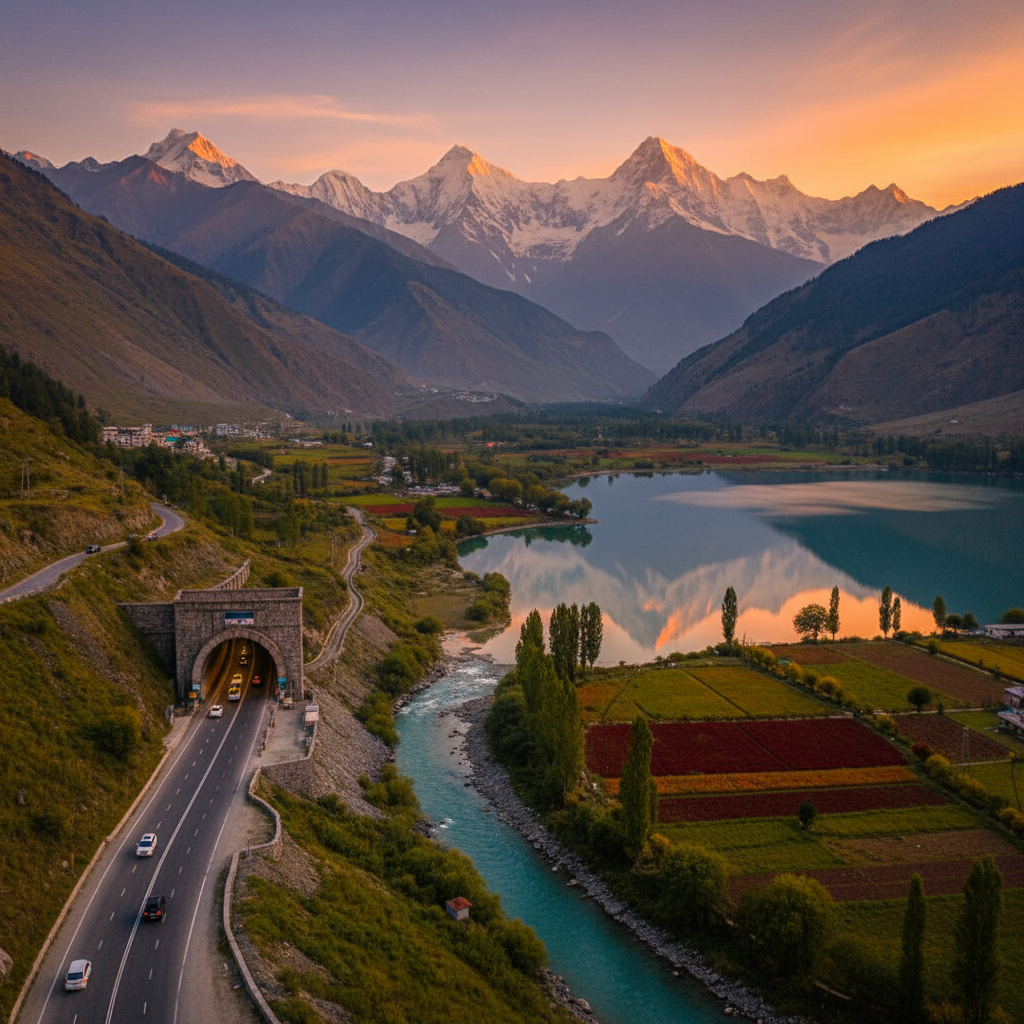
Navigating the Banihal Qazigund Tunnel: An Overview
The Banihal Qazigund Road Tunnel, often referred to as the Pir Panjal Tunnel or the Navayuga Tunnel, is a marvel of engineering that has dramatically reshaped travel to and within the Kashmir Valley. Spanning approximately 8.5 kilometers (5.3 miles), this twin-tube tunnel bypasses the treacherous Jawahar Tunnel and the challenging Banihal Pass, offering a safer, quicker, and more comfortable journey. Before its completion, the old National Highway 44 (NH44) route involved navigating steep climbs, sharp turns, and often perilous road conditions, especially during winter months when snow and landslides could close the pass for days. This new tunnel has reduced travel time between Banihal and Qazigund by a significant margin, from several hours to a mere 15-20 minutes, making it a critical lifeline for both locals and tourists alike. It's a game-changer for accessing the beauty of Kashmir, allowing for more reliable travel schedules and a less stressful experience. The tunnel operates 24/7, subject to weather and security advisories, and is equipped with modern safety features, including CCTV surveillance, ventilation systems, and emergency exits, ensuring a high standard of security and convenience for all commuters. Understanding its role and impact is the first step to planning your Kashmir journey.
Why the Banihal Qazigund Tunnel is a Game Changer for Kashmir Travel
For anyone traveling to or from the Kashmir Valley, the Banihal Qazigund Tunnel isn't just another road; it's a revolutionary bypass that addresses long-standing challenges. Historically, the journey over Banihal Pass via the Jawahar Tunnel was fraught with difficulties. Heavy snowfall during winter would often lead to road closures, isolating the valley and causing immense logistical issues for tourism and essential supplies. Landslides were a frequent occurrence, further disrupting travel and posing safety risks. The new twin-tube tunnel largely mitigates these issues. Its lower elevation ensures it remains operational even during heavy snowfall, providing an all-weather link. The modern engineering means a smoother, faster drive, drastically cutting down travel time and fuel consumption. For tourists, this translates into more predictable itineraries, less travel fatigue, and more time to enjoy Kashmir's attractions. For local businesses, it means a more consistent flow of goods and visitors, boosting the regional economy. This infrastructure upgrade is pivotal in making Kashmir a more accessible and appealing destination year-round, significantly improving the overall travel experience by offering enhanced safety, efficiency, and reliability.
Understanding the Route and Key Locations
The Banihal Qazigund Tunnel is a crucial segment of the Udhampur-Srinagar-Baramulla Railway Line (USBRL) project and a vital part of National Highway 44 (NH44). Approaching from Jammu, vehicles typically pass through Ramban and Banihal town before entering the southern portal of the tunnel. Once inside, you'll experience a well-lit, smooth ride for approximately 8.5 kilometers. Exiting the northern portal, you find yourself directly in Qazigund, a significant gateway town to the Kashmir Valley. From Qazigund, the highway continues towards Anantnag, Bijbehara, Pampore, and eventually Srinagar, the summer capital. The old road over Banihal Pass, though scenic, was characterized by its winding nature and high altitude. The tunnel, in contrast, offers a direct and largely flat passage through the Pir Panjal mountains, significantly reducing the ascent and descent. For those traveling by car or bus, the approach roads to both tunnel portals are clearly marked and well-maintained. Always keep an eye on road signs for any specific diversions or instructions, especially during peak seasons or adverse weather conditions, though the tunnel itself is designed for all-weather operation.
Travel Timings and Road Conditions Through the Tunnel
One of the greatest advantages of the Banihal Qazigund Tunnel is its consistent availability and relatively stable road conditions. Unlike the old Banihal Pass which was frequently subject to closures due to heavy snowfall, landslides, or ice, the tunnel operates almost year-round, 24 hours a day. However, it's always prudent to check local advisories or traffic updates before embarking on your journey, particularly during monsoon season (July-August) when heavy rains could affect approach roads, or during extreme winter conditions when road clearing efforts might be ongoing in other parts of NH44. The tunnel itself is excellently maintained, with smooth tarmac, good lighting, and regular surveillance. Inside the tunnel, the speed limit is strictly enforced, usually around 60 km/h, and overtaking is prohibited. Traffic is managed efficiently, with designated lanes for each direction, ensuring a steady flow. The journey through the tunnel typically takes about 15 to 20 minutes. While the tunnel drastically improves travel reliability, the broader NH44 route still passes through mountainous terrain, so be prepared for varying road conditions outside the tunnel, particularly between Jammu and Banihal. Always drive cautiously and respect traffic regulations.
Cost of Travel and Toll Information
Traveling through the Banihal Qazigund Tunnel, as part of the National Highway network, does involve toll charges, though these are typically included in your overall fare if you're traveling by shared taxi or bus. For private vehicles, two-way toll plazas are located near the tunnel entrances. The toll rates are subject to revision by the National Highways Authority of India (NHAI) but generally range from approximately INR 100-150 for cars for a single journey, and slightly higher for return journeys or for larger vehicles like buses and trucks. These rates can vary, so it's always a good idea to have some cash on hand or ensure your FASTag is recharged, as electronic toll collection is widely implemented. The savings in fuel, time, and vehicle wear and tear often outweigh the toll cost. Always check the latest NHAI guidelines or local sources for the most current toll charges before your trip. While the tunnel does incur a toll, the immense benefits it offers in terms of safety, reduced travel time, and year-round accessibility make it a worthwhile investment for a smooth journey to the Kashmir Valley.
Safety, Security, and Local Regulations
Safety and security are paramount when traveling through the Banihal Qazigund Tunnel. The tunnel is equipped with a state-of-the-art surveillance system, including numerous CCTV cameras monitored round the clock. Emergency call boxes and fire fighting equipment are strategically placed throughout. In case of a breakdown or emergency, stay calm, turn on your hazard lights, and use the emergency call box to alert tunnel authorities. Never attempt to walk out of the tunnel or cross lanes. Adhering to speed limits, maintaining a safe distance from other vehicles, and avoiding sudden lane changes are crucial. Overtaking is strictly prohibited inside the tunnel. Security personnel, including traffic police and armed forces, are often stationed at both ends of the tunnel and patrol the highway, ensuring traveler safety. It is advisable to carry valid identification documents as security checks can occur anywhere along the NH44. Follow all instructions from traffic authorities and respect local rules. Photography inside the tunnel is generally discouraged for security reasons. Your cooperation with these regulations ensures a safe and smooth passage for everyone.
What to Expect: An Experience Through the Pir Panjal
The experience of traveling through the Banihal Qazigund Tunnel is a stark contrast to the winding, high-altitude journey it replaced. As you approach the southern portal near Banihal, you'll notice the modern infrastructure guiding you into the mountain. Once inside, the well-lit, smooth concrete walls and efficient ventilation system create a comfortable environment. The dual-tube design means one tube for each direction, eliminating oncoming traffic and enhancing safety. You'll hear the hum of your vehicle and perhaps the gentle whoosh of air from the ventilation. The journey feels surprisingly quick, usually lasting about 15-20 minutes, offering a moment of quiet contemplation within the heart of the Pir Panjal mountains. Emerging from the northern portal, you are greeted by the picturesque landscape of Qazigund, often referred to as the 'Gateway of Kashmir'. The transition is seamless, and you immediately feel the difference in altitude and temperature compared to the higher pass. For many, it's a feeling of relief and modern convenience, replacing the anxiety of navigating difficult mountain roads. This tunnel transforms what was once a challenging segment of the journey into an effortless and efficient passage, setting the tone for a pleasant exploration of the Kashmir Valley.
Planning Your Trip: Essential Tips for Tunnel Travel
When planning your journey through the Banihal Qazigund Tunnel, a few essential tips can ensure a smoother experience. Firstly, ensure your vehicle is in good condition, especially if driving your own car, as breakdowns inside the tunnel can cause disruptions. Always check your fuel level before entering, as there are no services within the tunnel itself. Secondly, keep your vehicle documents, personal identification, and any travel permits (if applicable for specific regions beyond Qazigund) readily accessible, as security checks are common on NH44. Thirdly, while the tunnel is generally open, it's wise to check for any travel advisories or road closures on NH44 due to extreme weather or security situations, although these are less likely to affect the tunnel directly. Utilize resources like local traffic police updates or reliable travel apps. Maintain a calm and patient demeanor, especially during peak travel times. If you're hiring a taxi or taking a bus, confirm that your driver is experienced with the route and follows all tunnel regulations. Finally, remember that while the tunnel is a significant upgrade, the journey from Jammu to Banihal still involves mountainous terrain, so allocate sufficient travel time. For a completely hassle-free experience, consider booking a comprehensive package with Mid Holidays, which takes care of all transportation and itinerary details, allowing you to relax and enjoy the scenic journey.
Related Kashmir Guides & Services
<p>Planning the rest of your trip? These Mid Holidays guides pair well with this article:</p><ul><li><a href="/blog/khardung-la-pass-complete-guide">Khardung La Pass Complete Guide: Conquering the Himalayan Giant</a></li><li><a href="/blog/jammu-to-katra-distance-route-guide">Jammu to Katra Distance Route Guide: Your Vaishno Devi Journey</a></li><li><a href="/blog/zanskar-valley-travel-guide">Zanskar Valley Travel Guide: A Journey to Ladakh's Remote Heart</a></li><li><a href="/blog/zoji-la-pass-travel-guide">Zoji La Pass Travel Guide: Conquering Kashmir's Himalayan Gateway</a></li><li><a href="/blog/leh-to-chang-la-taxi-service">Leh to Chang La Taxi Service: Your Ultimate High-Altitude Journey Guide</a></li></ul>
Frequently Asked Questions
What is the primary benefit of the Banihal Qazigund Tunnel for travelers?
The Banihal Qazigund Tunnel significantly reduces travel time and enhances safety for those journeying to and from the Kashmir Valley. It bypasses the treacherous Jawahar Tunnel and Banihal Pass, cutting down travel from several hours to about 15-20 minutes. This ensures year-round accessibility, even during heavy snowfall, making Kashmir a more reliable destination for tourists and facilitating smoother movement of goods.
Are there any specific speed limits or driving rules inside the tunnel?
Yes, strict speed limits are enforced inside the Banihal Qazigund Tunnel, typically around 60 km/h. Overtaking is strictly prohibited, and drivers must maintain a safe distance from other vehicles. Lane discipline is crucial, and sudden lane changes should be avoided. These rules are in place to ensure the smooth flow of traffic and prevent accidents within the confined space of the tunnel.
Is the Banihal Qazigund Tunnel open 24/7, and does it close in winter?
The Banihal Qazigund Tunnel is designed for all-weather operation and remains open 24/7 throughout the year, including during heavy winter snowfall. Its lower elevation and modern construction prevent the closures that frequently affected the old Banihal Pass. However, external factors like severe weather impacting approach roads on NH44 might occasionally lead to temporary traffic advisories.
What kind of safety and security measures are in place within the tunnel?
The tunnel is equipped with advanced safety and security features, including round-the-clock CCTV surveillance, efficient ventilation systems to maintain air quality, emergency call boxes, and fire fighting equipment. Emergency exits are also strategically located. Security personnel and traffic police are regularly present at the portals and patrol the highway to ensure safety and enforce regulations.
Are there any toll charges for using the Banihal Qazigund Tunnel?
Yes, there are toll charges for using the Banihal Qazigund Tunnel, as it is part of the National Highway 44 network. The rates vary depending on the vehicle type (car, bus, truck) and whether it's a single or return journey. These charges are subject to revision by NHAI, so it's advisable to have a recharged FASTag or cash for payment.
Can I take photos or videos inside the Banihal Qazigund Tunnel?
While there are no explicit signs strictly forbidding photography, it is generally discouraged to take photos or videos inside the Banihal Qazigund Tunnel for security reasons. It's best to focus on driving safely and avoiding distractions. Respecting this unwritten rule helps maintain security protocols and ensures a smooth passage for all commuters.