Peer Ki Gali Kashmir: The Ultimate Travel Guide to Pir Panjal Pass
Kashmir Offbeat Travel Guide
Discover Peer Ki Gali in Kashmir, the majestic Pir Panjal Pass, with this ultimate travel guide. Learn about its history, best time to visit, and how to…
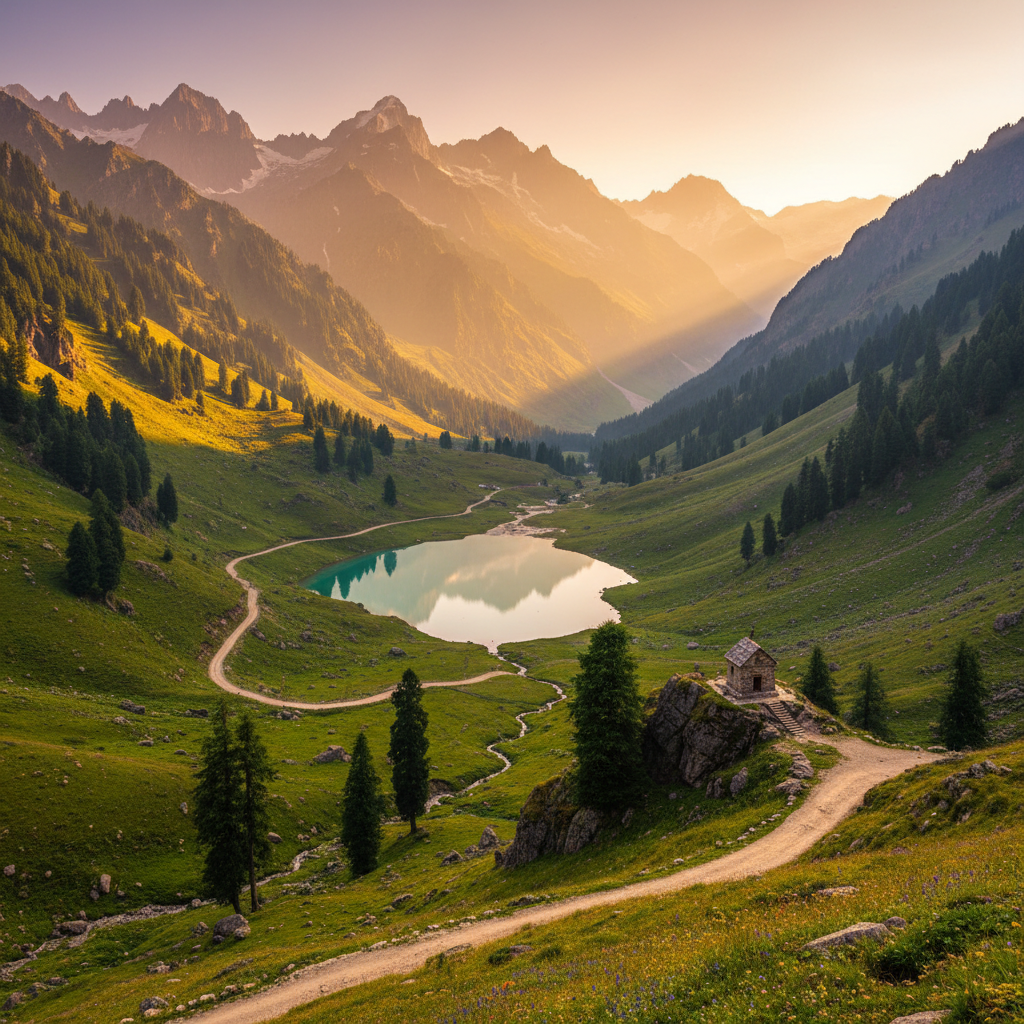
Unveiling Peer Ki Gali: The Majestic Heart of Mughal Road
Peer Ki Gali, nestled at an altitude of approximately 3,489 meters (11,447 feet) in the Pir Panjal mountain range, is not just a pass; it's a journey through history and breathtaking natural beauty. This iconic spot on the historic Mughal Road connects the Kashmir Valley with the Rajouri and Poonch districts, offering a dramatic alternative to the Jammu-Srinagar National Highway. Locals often refer to it simply as Pir Ki Gali, deriving its name from the revered Sufi saint, Peer Baba Sheikh Ahmed Karim. His shrine, located atop the pass, is a place of deep spiritual significance, drawing pilgrims from various communities. The road itself, a masterpiece of ancient engineering, was once the primary route for Mughal emperors, hence its name. Traversing Peer Ki Gali offers an experience unlike any other in Kashmir, characterized by winding roads, dense deodar and pine forests, clear streams, and expansive alpine meadows. It's a destination for those who seek adventure, solitude, and a deep connection with Kashmir's rich cultural and natural heritage, far from the bustling tourist circuits of Srinagar or Gulmarg. The views from the top, especially during sunrise or sunset, are simply mesmerizing, showcasing the raw grandeur of the Himalayas.
Best Time to Traverse Peer Ki Gali: Seasons and Road Access
The window for visiting Peer Ki Gali is relatively short due to heavy snowfall. The pass is typically open for light motor vehicles from late April or early May, right after the snow melts, until late October or early November, before the winter snows set in. During this period, the weather is most favorable, offering clear skies and pleasant temperatures. Each season within this window provides a unique experience. From May to June, the meadows are carpeted with vibrant wildflowers, and lingering snow patches create stunning photographic opportunities. July and August see lush greenery, perfect for leisurely drives and picnics, though occasional monsoons can bring light rain. September and October are arguably the best months, as the autumn foliage paints the entire landscape in hues of gold, red, and brown, with crisp air and excellent visibility. It's crucial to check local road conditions and official advisories, often disseminated by the traffic police and local administration, before planning your trip, as unexpected weather shifts can lead to temporary closures. The road quality can vary; while mostly well-maintained, some sections can be challenging, especially after heavy rains.
Planning Your Peer Ki Gali Journey: A Day-Wise Itinerary (Srinagar/Shopian Base)
While Peer Ki Gali can be experienced as a long day trip, it's best integrated into a multi-day itinerary to fully appreciate the Mughal Road and its surroundings. Here’s a suggested plan starting from Srinagar or Shopian: Day 1 involves travel from Srinagar to Shopian, a journey of approximately 50-60 km (about 1.5-2 hours). Spend the afternoon exploring Shopian's apple orchards and local markets, and overnight there. Shopian offers simpler guesthouses and hotels. Day 2 is dedicated to Peer Ki Gali. Start early from Shopian, heading towards Dubjan and then onto Peer Ki Gali. The drive from Shopian to Peer Ki Gali is about 40-50 km, taking roughly 2-3 hours depending on road conditions and stops. Allow sufficient time to soak in the views at the pass, visit the Peer Baba shrine, and enjoy the serene atmosphere. You can carry packed lunches as food options are scarce. After descending from the pass, you can either return to Shopian or continue towards Rajouri/Poonch if you're planning a longer journey. Returning to Shopian allows for a more relaxed pace. Day 3 could be used to explore local areas around Shopian, like Aharbal Waterfall, before returning to Srinagar. Remember, the key is flexibility, as mountain weather can be unpredictable.
Estimated Costs and Budget for a Peer Ki Gali Trip
A trip to Peer Ki Gali, especially as a day trip from Srinagar or Shopian, can be quite budget-friendly. Transportation will likely be your largest expense. Hiring a private taxi (a Sedan or an SUV like a Bolero or Scorpio, suitable for mountain roads) from Srinagar for a round trip to Peer Ki Gali and back would cost approximately INR 6,000-9,000, depending on the type of vehicle, duration, and negotiation. If you base yourself in Shopian, taxi costs will be lower, perhaps INR 3,000-5,000 for the Peer Ki Gali leg. Fuel costs need to be factored in if you're driving your own vehicle, estimated at INR 1,500-2,500 for a round trip from Srinagar, depending on vehicle mileage and current fuel prices. Accommodation in Shopian for one night might range from INR 1,500-3,000 for a decent guesthouse or budget hotel. Food expenses are minimal as there are very limited eateries directly at Peer Ki Gali. Carrying packed snacks and water is highly recommended. A simple meal in Shopian could cost INR 200-400 per person. Overall, for a 2-day trip including one overnight stay, a moderate budget for two people could be in the range of INR 10,000-15,000, excluding personal shopping. Always carry some cash, as digital payment options might not be available in remote areas.
Reaching Peer Ki Gali: Transport Options and Road Conditions
The primary way to reach Peer Ki Gali is by road, specifically via the historic Mughal Road, also known as the Pir Panjal Pass Road (National Highway 444). The most common starting points are Srinagar, moving south through Shopian, or from Jammu, heading north through Rajouri and Poonch. From Srinagar, the route goes via Pampore, Pulwama, and Shopian. From Shopian, the road ascends through villages like Dubjan and then climbs steadily to the pass. The distance from Srinagar to Peer Ki Gali is approximately 90-100 km, taking about 3.5-4.5 hours, contingent on traffic and road conditions. From Jammu, it's a longer journey through Rajouri and Poonch, about 240-260 km, taking 7-8 hours. The Mughal Road is generally well-maintained, especially during the open season. However, it is a mountain road with numerous sharp turns and steep gradients, making careful driving essential. Portions can be narrow, and landslides or rockfalls are not uncommon, particularly during heavy rainfall. For those without personal vehicles, hiring a local taxi from Srinagar or Shopian is the most convenient option. Shared sumos or jeeps might run on sections of the Mughal Road but are less reliable for Peer Ki Gali directly. Always ensure your vehicle is in good condition and the driver is experienced with mountain terrain.
Where to Stay and Savor Local Flavors Near Peer Ki Gali
Due to its remote nature and high altitude, there are no commercial hotels or guesthouses directly at Peer Ki Gali itself. Accommodations are best sought in the nearest towns. Shopian, located closer to the Kashmir Valley side, offers a few basic hotels and guesthouses, providing comfortable but no-frills stays. Expect prices to range from INR 1,500 to INR 3,000 per night. On the other side, Rajouri and Poonch districts have more options, including a few forest rest houses and modest hotels, if you plan to extend your journey. Booking in advance is always advisable, especially during peak season, as options are limited. When it comes to food, Peer Ki Gali has extremely limited facilities, primarily small tea stalls (dhabas) that operate seasonally, offering basic tea, maggi, and perhaps some local bread. It is highly recommended to carry your own packed meals, snacks, and plenty of water for your time at the pass. In Shopian, you can enjoy local Kashmiri cuisine, including favorites like Goshtaba, Rogan Josh, and various vegetable preparations. Look for small, authentic eateries (wazwan) in the town for a true taste of the region. Embrace the simplicity of the offerings, as this journey is more about the natural beauty and less about gourmet dining experiences.
Packing Essentials, Safety Tips, and Local Etiquette for Peer Ki Gali
For a trip to Peer Ki Gali, smart packing is crucial. Even in summer, evenings and mornings at this altitude can be chilly, so layer your clothing: warm jackets, sweaters, and thermals are essential. Sturdy, waterproof walking shoes are recommended. Don't forget sunscreen, sunglasses, and a wide-brimmed hat to protect against strong mountain sun. A basic first-aid kit, including medicines for altitude sickness, headaches, and common ailments, is vital. Carry a power bank for your phone and camera batteries, as charging points are scarce. For safety, always inform someone of your itinerary. Travel in a reliable vehicle with an experienced driver. Drive cautiously, especially on winding roads. Avoid traveling late in the evening. Respect the local culture: dress modestly, especially when visiting the Peer Baba shrine. Remove your shoes before entering the shrine and maintain a respectful silence. Engage with locals politely; they are known for their hospitality. Keep the area clean by not littering; carry all your waste back. Remember that beyond the natural beauty, Peer Ki Gali holds deep spiritual significance for many, so act accordingly to preserve its sanctity.
Common Pitfalls to Avoid on Your Peer Ki Gali Pilgrimage
To ensure a smooth and enjoyable trip to Peer Ki Gali, it's wise to be aware of common mistakes. Firstly, not checking road conditions: The Mughal Road, including Peer Ki Gali, is highly weather-dependent. A common error is assuming it's open without verifying, leading to wasted time and disappointment. Always confirm road status from local traffic police or reliable sources before setting out. Secondly, overlooking fuel and food: There are very few petrol pumps or eateries between Shopian and Rajouri via Peer Ki Gali. Not filling up your tank or carrying sufficient water and snacks is a frequent oversight. Thirdly, underestimating the weather: Even during summer, sudden drops in temperature, rain, or even unexpected snowfall can occur at high altitudes. Packing only light clothing is a common mistake that can lead to discomfort. Fourthly, rushing the journey: The Mughal Road is meant to be savored. Tourists often rush through, missing the subtle beauty and historical significance of the stops along the way. Allow ample time for photography and soaking in the views. Lastly, disrespecting the shrine: The Peer Baba shrine is a sacred place. Failing to observe local customs like modest dress or silent reverence is a mistake that shows insensitivity. Being prepared and respectful will significantly enhance your experience of Peer Ki Gali.
Embark on Your Mughal Road Adventure with Mid Holidays
Peer Ki Gali offers an unparalleled blend of natural splendor, historical significance, and spiritual serenity, making it a truly unique Kashmir experience. From its stunning alpine landscapes and the ancient aura of the Mughal Road to the peaceful sanctity of Peer Baba's shrine, this route promises memories that linger long after your journey. While planning an offbeat trip like this requires careful consideration of road conditions, accommodation, and seasonal variations, the rewards are immeasurable. Whether you're a history enthusiast, a nature lover, or a spiritual seeker, Peer Ki Gali holds a special charm. Don't let the planning discourage you from discovering this hidden jewel of Kashmir. For a seamless and enriching exploration of Peer Ki Gali and the wider Kashmir region, let Mid Holidays handle the details. Our expert team at kashmir.midholidays.in specializes in crafting personalized itineraries that take into account local conditions and your specific interests, ensuring a comfortable, safe, and truly unforgettable journey through the heart of Kashmir, off the beaten path.
Related Kashmir Guides & Services
<p>Planning the rest of your trip? These Mid Holidays guides pair well with this article:</p><ul><li><a href="/blog/leh-to-chang-la-taxi-service">Leh to Chang La Taxi Service: Your Ultimate High-Altitude Journey Guide</a></li><li><a href="/blog/kashmir-travel-plan-ultimate-guide">Your Ultimate Kashmir Travel Plan: A 7-Day Itinerary Guide</a></li><li><a href="/blog/how-to-plan-kashmir-trip-mid-holidays">How to Plan Kashmir Trip: Your Ultimate Guide by Mid Holidays</a></li><li><a href="/blog/kashmir-solo-trip-women">Kashmir Solo Trip for Women: A Safe & Empowering Journey with Mid Holidays</a></li><li><a href="/blog/kashmir-taxi-rates-2026-your-ultimate-guide">Kashmir Taxi Rates 2026: Plan Your Budgeted Trip with Ease</a></li></ul>
Frequently Asked Questions
What is the significance of Peer Ki Gali?
Peer Ki Gali is a high-altitude mountain pass on the historic Mughal Road in the Pir Panjal range. Its significance stems from both its natural beauty and its spiritual importance. It is named after the Sufi saint Peer Baba Sheikh Ahmed Karim, whose shrine at the pass attracts devotees. Historically, it was a crucial route for Mughal emperors, making it a blend of pilgrimage site, scenic viewpoint, and a testament to Kashmir's rich heritage.
Is Peer Ki Gali safe for tourists to visit?
Yes, Peer Ki Gali is generally safe for tourists when the road is officially open. However, as it is a high-altitude mountain pass, weather conditions can change rapidly. It's crucial to check local advisories on road conditions before traveling, especially regarding snow or heavy rain. Traveling in a well-maintained vehicle with an experienced driver is always recommended, and adhering to local advice ensures a safe journey.
Can private vehicles access Peer Ki Gali?
Yes, private vehicles can access Peer Ki Gali when the Mughal Road is open. However, it's essential that the vehicle is suitable for mountain terrain – preferably an SUV or a vehicle with good ground clearance – and in excellent working condition. The driver should also be experienced in navigating steep and winding mountain roads. Always carry all necessary vehicle documents and be aware of any traffic restrictions.
Are there any food or lodging options at Peer Ki Gali?
No, there are no formal hotels or guesthouses directly at Peer Ki Gali. Accommodation should be planned in nearby towns like Shopian (on the Kashmir Valley side) or Rajouri/Poonch (on the Jammu side). At the pass itself, you might find a few small, seasonal tea stalls offering basic refreshments like tea and instant noodles. It is highly advisable to carry your own packed meals, snacks, and sufficient water.
What is the Mughal Road, and how is it related to Peer Ki Gali?
The Mughal Road is an ancient road connecting the Kashmir Valley with the Rajouri and Poonch districts in the Pir Panjal range. It earned its name because it was used by Mughal emperors to travel to Kashmir. Peer Ki Gali is the highest point and a critical pass on this historic route, offering stunning views and a direct link between the regions, serving as a picturesque alternative to the Jammu-Srinagar highway.
What should I pack for a trip to Peer Ki Gali?
For a trip to Peer Ki Gali, pack layered clothing, including warm jackets, sweaters, and thermals, even during summer months, as temperatures can drop significantly. Sturdy, waterproof walking shoes, sunglasses, sunscreen, a hat, and a personal first-aid kit are essential. Carry sufficient water, snacks, and a power bank for your electronic devices, as amenities are sparse.
Are there any permits required to visit Peer Ki Gali?
No specific tourist permits are required to visit Peer Ki Gali for Indian citizens. However, due to its proximity to sensitive border areas, identity proof is always recommended. For foreign nationals, standard Indian visa regulations apply. Always stay informed about any local security advisories or temporary restrictions that might be in place due to unforeseen circumstances.