Tulail Valley Tour: Your Guide to Kashmir's Hidden Paradise
Kashmir Offbeat Destinations
Embark on an unforgettable Tulail Valley tour with Mid Holidays. Discover this hidden gem in Kashmir, understand routes, costs, and plan your perfect…
Unveiling the Serenity of Tulail Valley: A Hidden Gem Tour
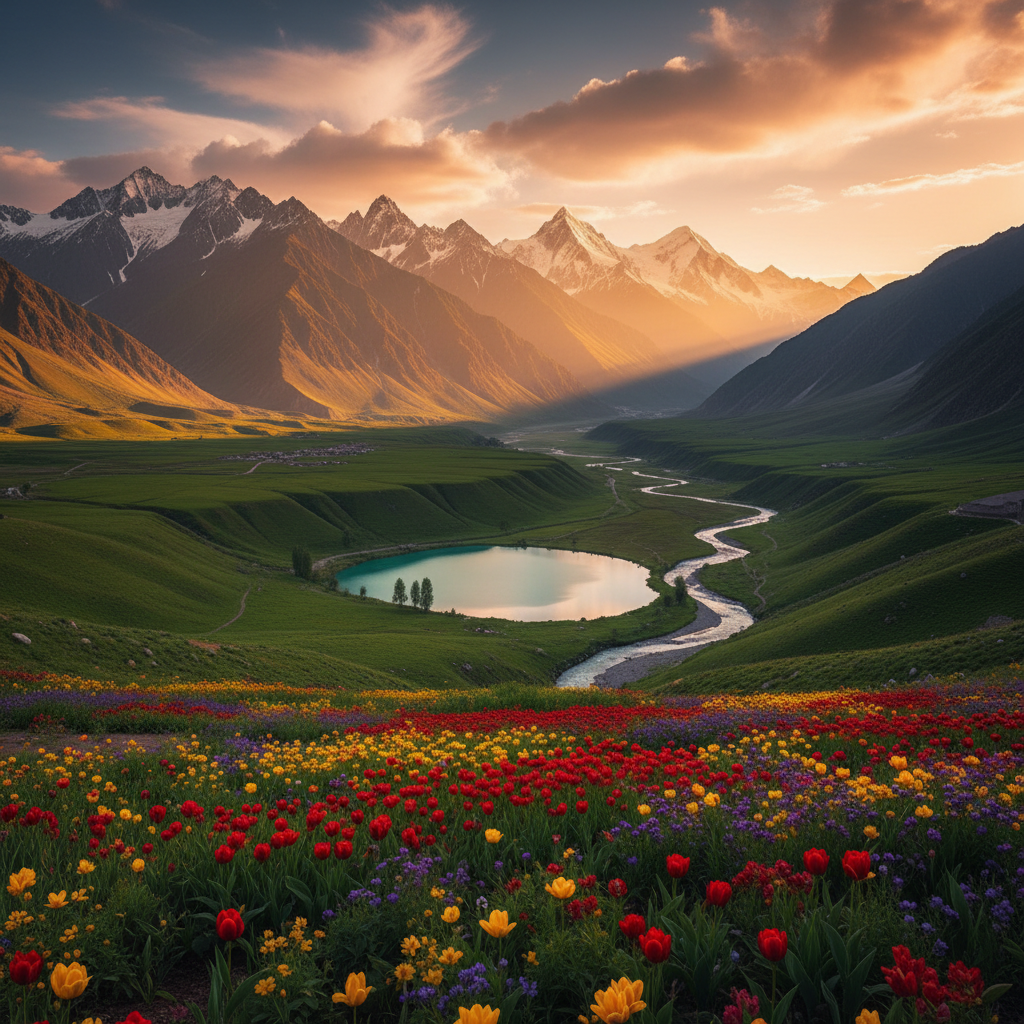
The Tulail Valley, an emerald expanse nestled deep within the Gurez region of North Kashmir, remains a relatively untouched paradise, largely unfamiliar to mainstream tourists. For those seeking a genuine escape from the crowds and an immersion into pristine natural beauty and unique Dardic culture, a Tulail Valley tour offers an unparalleled experience. This isn't just a destination; it's a journey into a different rhythm of life, where towering Himalayan peaks cradle traditional wooden villages, and the Kishanganga River (known locally as the Neelum River) carves its path through lush meadows. Unlike the more frequented spots like Gulmarg or Pahalgam, Tulail presents an authentic, offbeat adventure, ideal for nature lovers, trekkers, and cultural enthusiasts ready to explore beyond the usual. The air here is crisp, the silence profound, punctuated only by the sounds of nature and distant sheep bells. You'll encounter warm, hospitable locals, many of whom are ethnically Dards, preserving ancient customs and languages. Planning a Tulail Valley tour requires a bit more preparation and an adventurous spirit, but the rewards—stunning vistas, cultural immersion, and deep tranquility—are immeasurable.
Best Time for Your Tulail Valley Tour: Seasons of Serenity
The ideal time for a Tulail Valley tour is from late May to early October. During these months, the Gurez-Tulail road, which remains closed for about six to seven months due to heavy snowfall, is accessible. Late May and June welcome you with vibrant green meadows and the last vestiges of melting snow on higher peaks, making for spectacular views and pleasant temperatures, typically ranging from 15°C to 25°C. July and August are peak summer months, offering lush landscapes and comfortable weather, perfect for exploring and trekking. However, be prepared for occasional rainfall during the monsoon, which can sometimes impact road conditions; while Kashmir generally receives less monsoon rainfall than other parts of India, it's still wise to check forecasts. September and early October bring an autumnal charm, with golden hues painting the valleys and a crispness in the air, though evenings start to get chilly. Temperatures can drop to 5°C-10°C at night. Visiting outside this window, especially from late October to April, is extremely challenging as the roads are completely snow-bound, cutting off the valley from the rest of Kashmir. Always check local road status updates before planning your trip, particularly for the Razdan Pass.
Planning Your Tulail Valley Itinerary: A 4-Day Immersion
A minimum of four days is recommended for a meaningful Tulail Valley tour, accounting for travel and exploration. Day 1 would begin with an early morning drive from Srinagar, heading towards Gurez Valley via the scenic Razdan Pass. This journey itself is captivating, offering dramatic views. You'll reach Dawar, the main town of Gurez, by afternoon, where you can settle into your accommodation and explore the local market. Day 2 is dedicated to the heart of Tulail. From Dawar, you'll drive further into the valley, past villages like Purana Tulail, Burnai, and culminating at Chakwali. The road conditions can be rough in places, adding to the adventure. Spend your day soaking in the untouched landscapes, interacting with locals, and perhaps a short trek to a vantage point. Day 3 could involve exploring more remote areas of Tulail, like the exquisite Sheikhpora village known for its traditional wooden houses, or embarking on a moderate hike along the Kishanganga. Alternatively, dedicate time to birdwatching or simply relaxing by the river. Day 4 marks your return journey from Tulail back to Srinagar, making sure to allocate enough time for the drive through Razdan Pass, especially if you plan to catch an evening flight or have other commitments. This itinerary ensures a balance of travel, exploration, and cultural immersion without feeling rushed.
Costs and Budget Breakdown: Making Your Tulail Valley Tour Affordable
A Tulail Valley tour can be surprisingly affordable, especially compared to more commercial destinations, though costs can vary. Transportation is a significant factor. A private taxi from Srinagar to Gurez (including onward travel into Tulail) can range from INR 7,000 to INR 10,000 for a round trip over several days, depending on the vehicle type (like a Sumo or Bolero) and your negotiation skills. For a more budget-friendly option, shared taxis are available from Bandipora to Dawar (the main town in Gurez) for around INR 500-800 per person, but onward travel into Tulail would require another local shared jeep or private hire. Accommodation in Tulail Valley is basic but comfortable. Expect guesthouses or homestays in Dawar or some Tulail villages, costing approximately INR 1,500 to INR 3,000 per night, often including meals. Food costs are minimal, with local eateries offering simple, delicious meals for INR 200-400 per person per day. Permits are required for foreign nationals and also for Indian citizens to some border-adjacent areas within Tulail (though not usually for most popular tourist access), which typically cost a nominal fee, if any, and are generally processed at local checkpoints. Factor in around INR 500-1000 for miscellaneous expenses, making a 4-day trip for two people roughly INR 20,000 to INR 35,000, excluding any major adventure activities or high-end services.
How to Reach Tulail Valley and Local Transport Options
Reaching Tulail Valley primarily involves a multi-stage journey. Your starting point will likely be Srinagar, Kashmir's capital. From Srinagar, the most common and convenient way is to hire a private taxi directly to Dawar in Gurez Valley. The drive is roughly 5-6 hours, covering about 120-130 kilometers, and takes you over the spectacular Razdan Pass (check road status before departing). Alternatively, you can take a shared sumo or bus from Srinagar to Bandipora (approximately 2.5-3 hours), and from Bandipora, catch a shared taxi or jeep specifically for Dawar or Gurez (another 3-4 hours over Razdan). Once you arrive in Dawar, the main hub of Gurez, you'll need to arrange local transport to venture deeper into Tulail Valley. Shared jeeps operate regularly between Dawar and various villages within Tulail, such as Burnai and Chakwali. These are the most economical option, typically costing INR 100-200 per seat, depending on the distance. For more flexibility, you can negotiate with local taxi drivers in Dawar to hire a private vehicle for the day to explore Tulail's specific hamlets. Keep in mind that road conditions within Tulail can be uneven, and smaller, sturdy vehicles like Boleros or Sumos are best suited for the terrain. Public bus services are very limited, unreliable for tourists, and mostly operate only part-way during summer months, making shared or private taxis the primary and most practical modes of transportation.
Where to Stay and Eat in Tulail Valley: Authentic Experiences
Accommodation options in Tulail Valley are predominantly basic yet comfortable, reflecting the region's untouched nature. Most visitors opt to stay in Dawar, the largest settlement in Gurez Valley, which serves as a gateway to Tulail. Here, you'll find a few government-run tourist rest houses and a handful of privately-owned guesthouses. These provide clean rooms with essential amenities, and many offer delicious home-cooked meals as part of the package or for an additional charge. Staying in Dawar allows easier access to local facilities and a broader range of food choices. As you venture deeper into Tulail Valley itself, past villages like Purana Tulail and Barnoi towards Chakwali, accommodation becomes even more rustic. Homestays are the most authentic option, where local families open their homes to visitors, offering a unique opportunity to experience Dardic culture firsthand. These typically provide basic bedding, warm hospitality, and simple, wholesome Kashmiri meals cooked with local ingredients, usually over a wood fire. For food, expect traditional Kashmiri cuisine – rice, local vegetables, pulses, and occasionally chicken or mutton. Due to the remote nature, fancy restaurants are non-existent. Embrace the local fare for a true taste of the valley, and remember to carry some snacks and water for day trips into the remotest parts.
What to Pack and Essential Safety & Etiquette Tips for Tulail
Packing smart is crucial for a Tulail Valley tour. Layered clothing is essential, as temperatures can vary significantly between day and night, even in summer. Include warm jackets, sweaters, thermals, and waterproof outer layers, especially if traveling in spring or autumn. Sturdy waterproof trekking shoes are a must, as roads can be rough and trails muddy. Carry a basic first-aid kit, personal medications, sunscreen, insect repellent, a power bank, and a flashlight. Due to limited ATM access, carry sufficient cash. Safety in Tulail is generally high, with locals known for their hospitality. However, it's a border area, so always carry your identification documents (Aadhar, driving license, etc.) and be prepared for checkpoints. Permits are often required for Indian nationals to go beyond certain points in Tulail, and definitely for foreign nationals to visit the Gurez region; these are usually obtained locally at security checkpoints. Always follow instructions from local authorities. When interacting with locals, dress modestly, respect their customs, and ask for permission before taking photographs, especially of women. The Dardi language is unique, but many locals, particularly younger generations, understand Hindi and basic English. The valley's fragile ecosystem needs protection, so avoid littering and carry back all your waste. This unique experience will undoubtedly leave you with cherished memories.
Common Mistakes to Avoid on Your Tulail Valley Tour
One of the biggest mistakes tourists make is assuming Tulail Valley is easily accessible like other popular Kashmiri destinations. Not checking the status of Razdan Pass before starting your journey is a critical error, as heavy snow can close it for days. Another common pitfall is underestimating the need for permits; foreign nationals specifically require Inner Line Permits for Gurez, which should be secured in advance from the Deputy Commissioner's office in Bandipora or Srinagar. For Indian citizens, permits may be needed for certain specific border-adjacent villages within Tulail, so enquire at every checkpoint. Relying solely on card payments or online transactions is another mistake; connectivity is sporadic, and ATMs are scarce, so carrying ample cash is vital. Overpacking is also a common error; stick to essentials for easier movement on challenging roads. Failing to carry sufficient personal snacks and water for day trips means you might be unprepared for remote areas with no shops. Neglecting to inform local authorities or your guesthouse owner about your daily plans if you're venturing off path is unsafe. Lastly, not respecting local customs and failing to engage with the unique Dardic culture in a humble manner detracts from the richness of the experience. Embrace the slow pace, prepare for the journey, and the Tulail Valley will reward you handsomely. For a seamless and expertly guided experience through this hidden paradise, Mid Holidays offers bespoke Tulail Valley tour packages tailored to your interests and comfort.
Related Kashmir Guides & Services
<p>Planning the rest of your trip? These Mid Holidays guides pair well with this article:</p><ul><li><a href="/blog/warwan-valley-kashmir-hidden-paradise-trek">Warwan Valley Kashmir: Your Guide to a Hidden Paradise Trek</a></li><li><a href="/blog/warwan-valley-tour">Warwan Valley Tour: Your Ultimate Guide to Kashmir's Hidden Gem</a></li><li><a href="/blog/10-mistakes-tourists-make-in-kashmir-avoid-these">10 Mistakes Tourists Make in Kashmir: Avoid These for a Perfect Trip</a></li><li><a href="/blog/lolab-valley-tour">Lolab Valley Tour: Your Ultimate Guide to Kashmir's Hidden Gem</a></li><li><a href="/blog/tulail-valley-kashmir-secret-paradise-trekking-guide">Tulail Valley Kashmir: Your Secret Paradise Trekking Guide</a></li></ul>
Frequently Asked Questions
Is Tulail Valley safe for tourists?
Yes, Tulail Valley is generally considered very safe for tourists. The locals are warm and hospitable. However, it is a border area, so security checks are frequent. Always carry your identification documents and adhere to any instructions from military personnel at checkpoints. Planning your trip with a local expert like Mid Holidays can also enhance your safety and peace of mind by ensuring all permits and routes are well managed.
Do I need a special permit to visit Tulail Valley?
Yes, foreign nationals require an Inner Line Permit (ILP) to visit the Gurez Valley region, which includes Tulail. This permit is typically obtained from the Deputy Commissioner's office in Bandipora or Srinagar. For Indian citizens, general entry to Gurez does not usually require a permit, but specific border-adjacent villages within Tulail might, which are generally processed at local military checkpoints with your ID proof. It's always best to reconfirm the latest regulations.
What kind of accommodation is available in Tulail Valley?
Accommodation in Tulail Valley is modest but comfortable. In Dawar, the main town in Gurez, you'll find a few government rest houses and private guesthouses. Deeper within Tulail, options are more limited, primarily consisting of basic guesthouses or authentic homestays with local families. These offer a unique cultural immersion experience, often including simple, freshly prepared meals. Luxury hotels are not available in this remote region.
What is the road condition like to Tulail Valley?
The road to Gurez Valley, via Razdan Pass, is mostly paved but can be narrow and winding in sections. From Dawar into Tulail Valley, the road conditions can vary significantly. Parts are unpaved, uneven, and can become muddy, especially after rain. It's an adventurous drive that requires a sturdy vehicle like a Bolero or Sumo. The road is completely closed during winter months due to heavy snowfall.
Can I find ATMs or mobile network in Tulail Valley?
Mobile network connectivity in Tulail Valley is extremely limited and sporadic, especially for non-BSNL operators. It's advisable to carry a BSNL SIM card, though even that might have patchy service. ATMs are scarce; it's safest to withdraw sufficient cash from Srinagar or Bandipora before embarking on your journey, as financial transactions are predominantly cash-based in Tulail.
Are there trekking opportunities in Tulail Valley?
Absolutely! Tulail Valley offers fantastic trekking opportunities for various fitness levels. From leisurely walks along the Kishanganga River to more challenging hikes to higher vantage points offering panoramic views, there's something for everyone. The trails are mostly untouched, providing a pristine trekking experience amidst stunning natural beauty and unique flora. Local guides can be arranged to enhance your trekking adventure.
What unique cultural experiences can I expect in Tulail?
Tulail Valley is home to the Dards, an ancient Indo-Aryan ethnic group with a distinct culture and language. Visitors can experience their unique wooden architecture, observe their traditional way of life, and savor local Gurezi cuisine. Staying in a homestay allows for direct interaction, offering insights into their customs, music, and festivals. It's a rare chance to witness a preserved Himalayan culture firsthand.