Tarsar Marsar Trek Guide: Your Ultimate Kashmir Trekking Adventure
Kashmir Trekking Guide
Embark on an unforgettable Tarsar Marsar Trek with our ultimate guide. Discover routes, costs, best seasons, and expert tips for this stunning Kashmir…
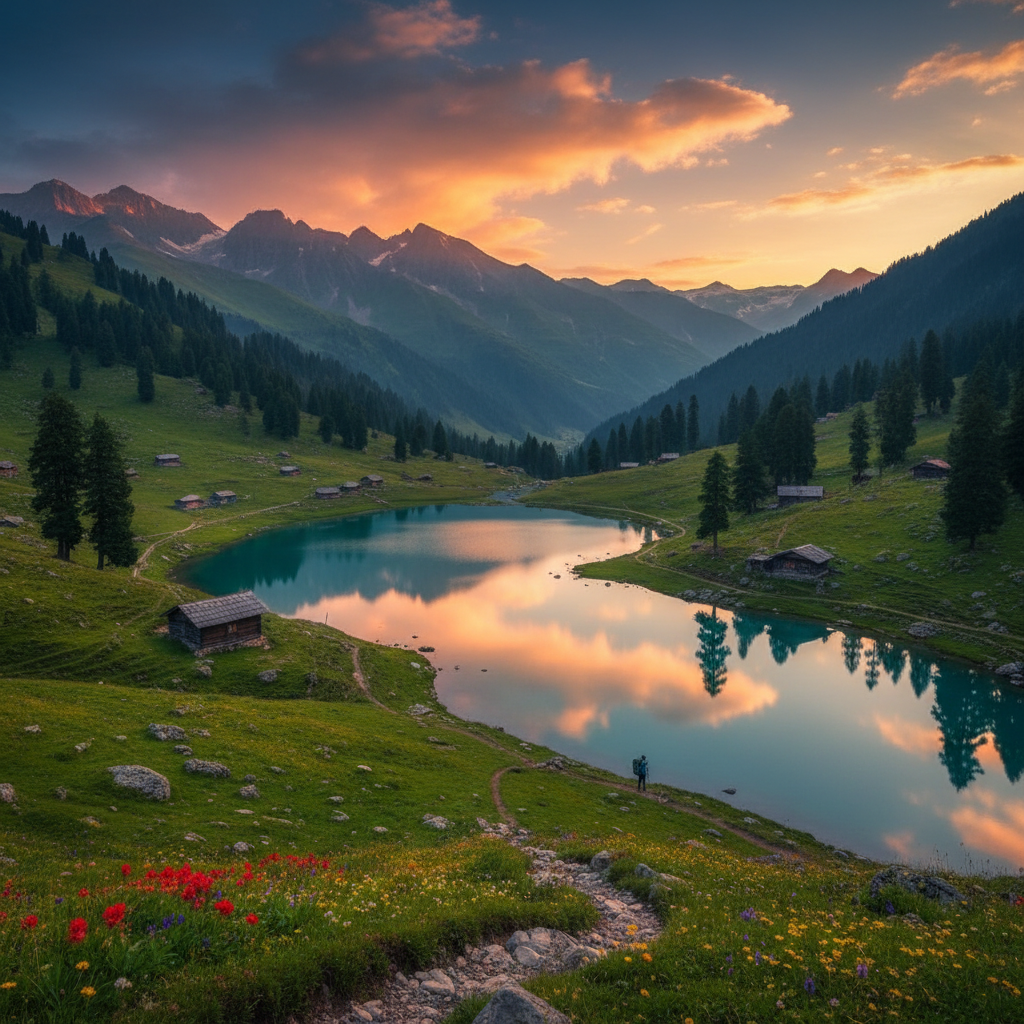
Tarsar Marsar Trek: An Overview of Kashmir's Pristine Alpine Lakes
The Tarsar Marsar Trek is an exhilarating journey through the pristine alpine meadows and breathtaking lake systems of South Kashmir. Often hailed as the 'Lake District of Kashmir,' this trek showcases two magnificent almond-shaped lakes, Tarsar and Marsar, along with the equally stunning Sundersar Lake. Unlike the more frequented Kashmir Great Lakes Trek, Tarsar Marsar offers a quieter, more intimate encounter with nature, making it ideal for those seeking solitude amidst grand Himalayan vistas. The trek typically spans 6-7 days, beginning from Aru Valley near Pahalgam and culminating back at Sumbal or similar. It’s a moderate to challenging trek, suitable for experienced trekkers or enthusiastic beginners with good physical fitness. You'll traverse lush green pastures, dense pine forests, cross gurgling streams, and camp beside crystal-clear lakes, all under the watchful gaze of towering peaks. The ever-changing landscape, from verdant valleys to rugged rocky terrain, keeps the adventure fresh and exciting each day. Expect to cover distances of 10-15 km daily, with significant elevation gains and descents, culminating at altitudes of up to 4,000 meters. This trek truly captures the essence of Kashmir's untamed beauty, providing panoramic views that etch themselves into memory.
Who is the Tarsar Marsar Trek For and Best Time to Visit?
The Tarsar Marsar Trek is perfect for adventure seekers who have some prior trekking experience or are reasonably fit and active. It's not an extreme high-altitude expedition, but it does involve sustained walking over varied terrain at moderate altitudes. If you love camping under starry skies, waking up to stunning lake views, and immersing yourself in untouched natural beauty, this trek is definitely for you. Families with older, adventurous children (12+) who have trekking experience might also find it rewarding, though it’s generally more suited for adults. The trail offers solitude compared to some other popular treks, appealing to those who prefer a tranquil experience. The best time to undertake the Tarsar Marsar Trek is from July to mid-September. During July and August, the meadows are at their greenest, wildflowers are in full bloom, and the weather is generally pleasant with daytime temperatures ranging from 15-20°C. Nights can be cool, dropping to 5-10°C. By mid-September, the monsoon recedes, giving way to clearer skies and the beginning of autumn hues, making for stunning photography opportunities. However, temperatures start dropping, especially at night, and chances of early snowfall at higher elevations increase towards late September. Avoid late June, as snow melt can make river crossings challenging, and post-September due to increasingly harsh weather conditions and potential early winter snows.
A Detailed 7-Day Tarsar Marsar Trek Itinerary from Aru
Our recommended 7-day itinerary offers a balanced pace, allowing for acclimatization and ample time to soak in the beauty of each location. It typically starts and ends in Srinagar. Day 1: Srinagar to Aru Valley (Pahalgam) and Trek to Lidderwat (Approx. 10 km, 4-5 hours). Drive from Srinagar to Aru (3-4 hours), then begin your trek through pine forests along the Lidder River to the vast meadows of Lidderwat. Camp by the river. Day 2: Lidderwat to Sekiwas (Approx. 6 km, 3-4 hours). A relatively shorter day, traversing gentle slopes and crossing a few streams. Sekiwas offers magnificent views of snow-capped peaks and is a perfect spot for acclimatization. Day 3: Sekiwas to Tarsar Lake (Approx. 5 km, 3-4 hours). A gradual ascent brings you to the first jewel, Tarsar Lake. Spend the afternoon exploring its shores and simply enjoying the serene atmosphere. Camp beside the lake. Day 4: Tarsar Lake to Sundersar Lake (Approx. 5 km, 3-4 hours). Today involves crossing the Tarsar Pass (around 4,000m), offering spectacular panoramic views, before descending to the picturesque Sundersar Lake. Camp at Sundersar. Day 5: Sundersar Lake to Marsar Lake and Return to Homwas (Approx. 12 km, 7-8 hours). An early start to visit Marsar Lake, the twin of Tarsar. The trail to Marsar can be challenging due to its rocky terrain and sometimes involves scrambling. After soaking in the views, retrace your steps past Sundersar and continue to Homwas for camping. Day 6: Homwas to Aru Valley (Approx. 13 km, 5-6 hours). A long but mostly downhill descent, retracing your path through Lidderwat and back to Aru Valley. Enjoy your last night in the wilderness. Day 7: Aru Valley to Srinagar. Drive back to Srinagar (3-4 hours) for departure or onward travel. This itinerary is a general guide and can be adjusted based on weather, group fitness, and specific arrangements with your trekking agency.
Trekking Costs and Budget Breakdown (INR)
The cost of the Tarsar Marsar Trek can vary significantly based on the duration, services included, and the trekking agency you choose. For a 6-7 day guided trek, you can expect a cost range of INR 14,000 to INR 25,000 per person. This typically includes a qualified trek leader, support staff (cooks, porters/ponies), all meals during the trek, camping equipment (tents, sleeping bags, sleeping mats), forest permits, and basic first-aid. Some packages might also include transportation from Srinagar to Aru and back. Budget breakdown usually looks like this: Trekking agency package (80-90% of total cost). Personal expenses (10-20%): This covers travel to and from Srinagar, any pre/post-trek accommodation in Srinagar or Aru, personal snacks, water bottles, tips for the trekking crew (highly recommended, INR 1000-2000 per trekker), and any unforeseen expenses. Flight tickets to Srinagar are separate. For example, if your trek package is INR 18,000, plan for an additional INR 2,000-4,000 for personal costs. Always clarify what is included in your package before booking. Be wary of extremely low-priced packages as they might compromise on safety, equipment quality, or food provisions. It's an investment in a safe and enjoyable experience.
How to Reach Aru Valley and Essential Transport Information
The Tarsar Marsar Trek typically commences from Aru Valley, a picturesque village nestled near Pahalgam in the Anantnag district of Kashmir. The nearest major city and transportation hub is Srinagar. By Air: The most convenient way to reach Srinagar is by flying into Sheikh ul-Alam International Airport (SXR). There are direct flights from major Indian cities like Delhi, Mumbai, Bengaluru, and Chennai. From Srinagar airport, you can hire a prepaid taxi or book one through your trekking agency to reach your accommodation in Srinagar or directly to Aru if you plan to start the trek immediately. By Road: Srinagar is well-connected by road to other parts of India, though road travel via the Jammu-Srinagar National Highway (NH44) can be unpredictable due to weather conditions or landslides. Public buses and shared taxis operate regularly between Jammu and Srinagar. From Srinagar, Aru Valley is approximately 100-110 km away, a drive of about 3-4 hours. You can hire a private taxi (costs around INR 3,000-4,000 for a one-way trip, depending on negotiation and season) or take a shared taxi from Srinagar to Pahalgam, and then another local taxi from Pahalgam to Aru. Most trekking agencies include this Srinagar-Aru-Srinagar transfer in their package, which is the most hassle-free option.
Packing for Tarsar Marsar: What to Bring for a Comfortable Trek
Packing strategically is crucial for a comfortable and safe Tarsar Marsar Trek. Remember, every kilogram counts, as your luggage will be carried by ponies or porters. Clothing: Layering is key. Pack 3-4 quick-dry T-shirts, 2-3 fleece or wool layers (mid-weight and heavy), waterproof and windproof jacket and trousers, 2 trekking trousers (no jeans!), a warm hat, sun cap, warm gloves, and 3-4 pairs of woollen socks. A pair of thermal innerwear is essential for chilly nights. Footwear: Sturdy, waterproof trekking boots with good ankle support are non-negotiable. Break them in before the trek. Also, pack camp sandals or crocs for use at campsites. Essentials: Headlamp with extra batteries, UV-protected sunglasses, sunscreen (SPF 50+), lip balm, small quick-dry towel, personal toiletries (biodegradable options preferred), basic first-aid kit (painkillers, band-aids, antiseptic wipes, any personal medications), water bottles (2 litres capacity minimum), and water purification tablets/filter. A trekking pole is highly recommended for stability and reducing strain on knees. Miscellaneous: Small daypack (20-30L) for daily essentials, large backpack (50-60L) to be carried by porters, camera, power bank, trash bags to carry out all waste, and a small amount of cash for emergencies or tips. Avoid carrying too many valuables.
Safety and Local Etiquette on the Trail
Safety on the Tarsar Marsar Trek starts with physical preparation. Ensure you are fit enough for multi-day trekking at moderate altitudes. Always trek with a reputable agency that provides experienced guides and proper equipment. Listen to your guide regarding trail conditions, weather, and acclimatization. Stay hydrated, eat regular meals, and inform your guide immediately if you experience any symptoms of altitude sickness (headache, nausea, dizziness). The trail can be rocky and slippery in places, so watch your footing. Carry a fully charged phone, but expect limited network connectivity. Respecting local customs and the environment is paramount. Kashmir is predominantly Muslim, so dress modestly, especially when passing through villages (shoulders and knees covered). Always ask permission before photographing people. Do not litter; carry all your waste, including non-biodegradable items, back to Aru or Srinagar. Avoid loud music or excessive noise that might disturb local wildlife or fellow trekkers. Be respectful of the local flora and fauna; do not pluck flowers or disturb animals. Your responsible behaviour helps preserve the pristine beauty of the region for everyone to enjoy. A polite 'Salaam alaikum' will always be met with a warm smile.
Common Mistakes to Avoid for a Flawless Tarsar Marsar Experience
To ensure your Tarsar Marsar Trek is as smooth as possible, be aware of these common pitfalls: 1. Underestimating the physical demands: While moderate, it’s not a walk in the park. Insufficient pre-trek fitness can lead to exhaustion and discomfort. Start a fitness regime at least 4-6 weeks prior, including cardio and strength training. 2. Not breaking in trekking shoes: New shoes can cause painful blisters. Wear your trekking boots for a few weeks before the trek to ensure they are comfortable and broken in. 3. Overpacking or underpacking: Too much luggage weighs down ponies and makes your daypack heavy. Too little means you might lack essential layers or gear. Follow a comprehensive packing list. 4. Ignoring acclimatization: Rapid ascent without proper acclimatization is a recipe for altitude sickness. Choose an itinerary that allows for gradual altitude gain, and don't push yourself too hard on the initial days. 5. Not staying hydrated or nourished: Dehydration and inadequate calorie intake can severely impact your energy levels and susceptibility to AMS. Drink plenty of water and eat all meals provided. 6. Disregarding guide's instructions: Your local guide knows the terrain, weather patterns, and potential hazards best. Always follow their advice, especially regarding routes, timings, and safety. 7. Leaving waste behind: Littering spoils the pristine environment. Carry out all your trash, including food wrappers and plastic bottles. Leave no trace. 8. Relying solely on phone for navigation/photos: Batteries drain quickly in cold weather. Carry a power bank and consider a separate camera. Physical maps can also be useful as backup. By avoiding these common mistakes, you're setting yourself up for an incredible and memorable journey through Kashmir's stunning Tarsar Marsar region. For a truly seamless and expertly guided adventure, consider exploring Mid Holidays' curated trekking packages for Kashmir. We handle all the logistics, allowing you to focus purely on the breathtaking beauty of the Himalayas.
Related Kashmir Guides & Services
<p>Planning the rest of your trip? These Mid Holidays guides pair well with this article:</p><ul><li><a href="/blog/kishtwar-travel-guide-kashmir-hidden-paradise">Kishtwar Travel Guide: Explore Kashmir's Hidden Paradise with Mid Holidays</a></li><li><a href="/blog/warwan-valley-tour">Warwan Valley Tour: Your Ultimate Guide to Kashmir's Hidden Gem</a></li><li><a href="/blog/tulail-valley-tour-kashmir-hidden-paradise">Tulail Valley Tour: Your Guide to Kashmir's Hidden Paradise</a></li><li><a href="/blog/pampore-saffron-fields-visit-guide">Pampore Saffron Fields Visit Guide: Kashmir's Golden Bloom</a></li><li><a href="/blog/best-time-to-visit-bangus-valley-kashmir">Best Time to Visit Bangus Valley: Your Ultimate Guide to Kashmir's Hidden Gem</a></li></ul>
Frequently Asked Questions
What is the difficulty level of the Tarsar Marsar Trek?
The Tarsar Marsar Trek is generally rated as moderate. It involves daily trekking of 5-15 km over varied terrain, including meadows, forests, rocky paths, and gradual ascents to high passes around 4,000 meters. While not technically challenging, good physical fitness and stamina are required. Previous multi-day trekking experience is beneficial, but enthusiastic beginners with adequate preparation can also complete it successfully.
Is Tarsar Marsar Trek suitable for solo trekkers?
While solo trekking is generally discouraged in remote Himalayan regions due to safety concerns and lack of communication, you can join a group trek as a solo traveller. Reputable trekking agencies regularly organize fixed-departure treks for Tarsar Marsar, allowing solo individuals to join a guided group. This offers the camaraderie of fellow trekkers and the safety net of experienced guides and support staff.
What kind of food can I expect on the Tarsar Marsar Trek?
Trekking agencies typically provide nutritious and wholesome vegetarian meals on the Tarsar Marsar Trek. Breakfast usually includes options like Poha, Upma, or Parathas. Lunch, often packed as a parcel for consumption on the trail, might be Puri-sabzi or sandwiches. Dinners are hot meals served at campsites, consisting of rice, dal, sabzi, roti, and sometimes a sweet dish. Tea and snacks are also provided. Dietary restrictions should be communicated to your agency in advance.
Are there any permits required for the Tarsar Marsar Trek?
Yes, permits are required for trekking in the Tarsar Marsar region, as it falls within forested and protected areas. These typically include forest permits and sometimes wildlife permits. Reputable trekking agencies will handle all the necessary permit applications on your behalf. It's essential to trek with a valid permit to avoid any legal issues and to contribute to the conservation efforts of the region.
What is the mobile network and electricity availability like on the trek?
Mobile network connectivity is very sparse and unreliable once you leave Aru Valley. Expect little to no signal for most of the trek beyond the initial few kilometers from Aru. It's advisable to inform your family and friends about this limited connectivity beforehand. There is no electricity available at campsites; you will rely on headlamps and power banks. Ensure all your devices are fully charged before starting the trek, and carry extra power banks.
How do Tarsar and Marsar Lakes differ from each other?
Tarsar and Marsar are twin alpine lakes but possess distinct characteristics. Tarsar Lake is famously almond-shaped, surrounded by lush meadows, making it more accessible and offering picturesque camping spots. Marsar Lake, on the other hand, is generally larger and more elusive, often guarded by a steep, rocky wall, making it a bit more challenging to reach its shores. Both are fed by glacial melt and offer stunning reflections of the surrounding peaks.