Ladakhi Cuisine Guide: Traditional Dishes & Authentic Flavors
Culinary Journey
Explore the authentic flavors of Ladakhi cuisine with our comprehensive guide. Discover traditional dishes, local ingredients, and where to savor them in…
Welcome to the Culinary Heart of Ladakh: An Overview
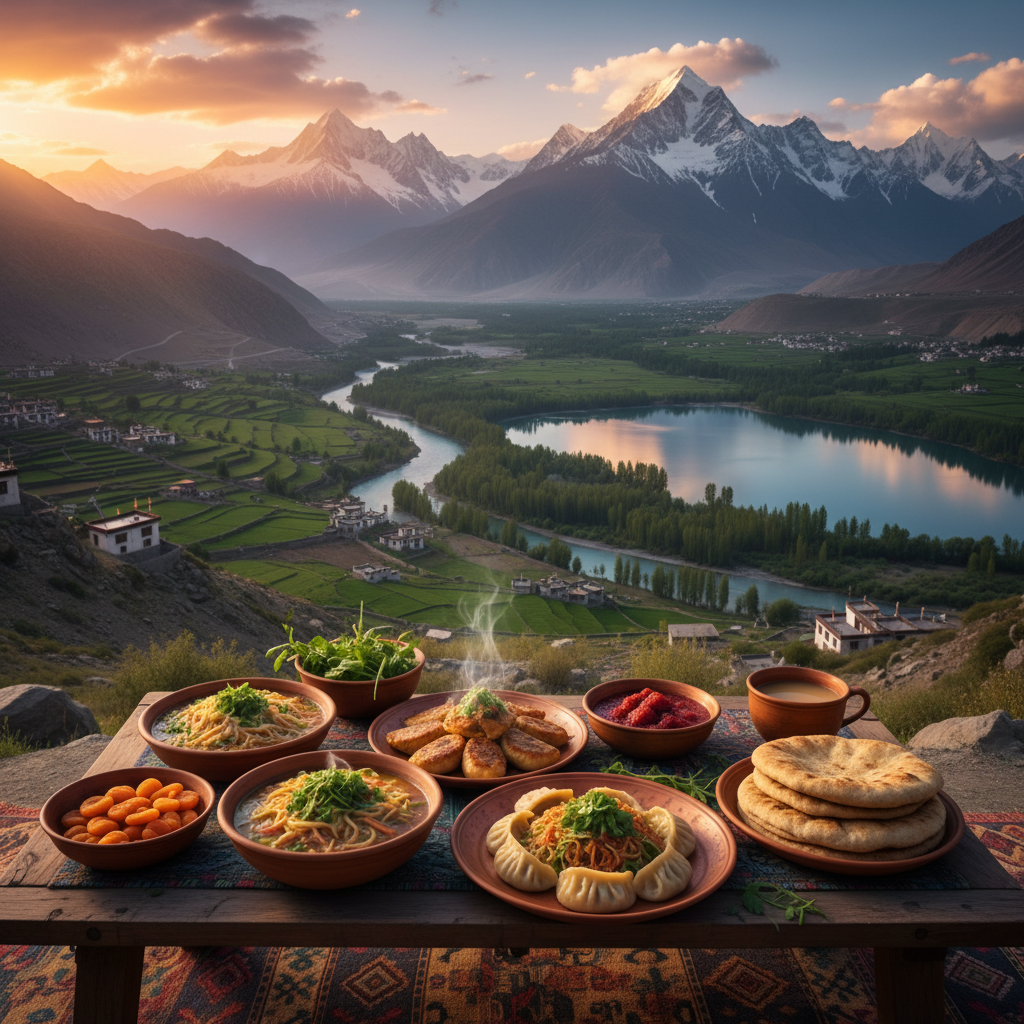
Ladakhi cuisine is a delightful revelation for many travelers, a true reflection of the region's harsh climate, vibrant culture, and historical trade routes. Far from being just sustenance, Ladakhi food is an integral part of daily life, offering warmth, energy, and a connection to the land. Rooted in Tibetan and Central Asian culinary traditions, it emphasizes locally sourced ingredients, hearty grains, fresh vegetables (often seasonal), and robust meats like yak and mutton. Think steaming bowls of thukpa, wholesome momos, and the unique, energizing butter tea. This isn't fine dining in the conventional sense, but rather honest, soul-satisfying fare that nourishes both body and spirit. For those venturing into this high-altitude desert, understanding Ladakhi cuisine isn't just about eating; it's about experiencing the very essence of Ladakh's resilience and hospitality. Every meal tells a story of survival and celebration in one of the world's most spectacular, yet challenging, landscapes.
The Staples and Essential Flavors of Ladakhi Food
The foundation of Ladakhi cuisine lies in its staple ingredients, shaped by what can be cultivated in the high-altitude, arid terrain. Barley (locally known as 'grim') is paramount, often roasted and ground into 'sattu' or 'tsampa,' which forms the base for numerous dishes. Wheat is also common, used for various breads and noodles. Vegetables like potatoes, carrots, spinach, and peas are grown in terraced fields, often preserved for winter months. For non-vegetarians, mutton and yak meat are widely consumed, providing essential protein and fat for energy. Dairy products, especially from yaks and dzos (yak-cow hybrids), such as cheese and butter, are also vital. Spices are generally mild, focusing on enhancing natural flavors rather than overpowering them. Salt, garlic, ginger, and a hint of green chili are frequently used. The overarching principle is to create dishes that are nourishing, warming, and easy to digest at altitude, making Ladakhi food both practical and immensely satisfying.
Must-Try Traditional Ladakhi Dishes and Beverages
No Ladakhi culinary journey is complete without sampling its iconic dishes. Thukpa, a hearty noodle soup, comes in various forms, often with vegetables or meat, offering immense comfort. Momos, the ubiquitous steamed dumplings, are filled with minced meat (mutton or yak) or vegetables and served with a spicy chili sauce. Tingmo, a soft, steamed bread, is perfect for soaking up gravies or eating with vegetables. Skyu, a staple stew made with small, thumb-sized pieces of pasta, root vegetables, and meat, is incredibly filling and flavourful. Chutagi, often called 'Ladakhi pasta,' features butterfly-shaped pasta cooked in a rich vegetable or meat broth. Then there's the famous Butter Tea, or Gur Gur Chai, a creamy, salty brew made with yak butter, tea leaves, and salt – an acquired taste for some, but essential for warmth and hydration at altitude. Apricot Nectar, made from locally grown apricots, is a refreshing and delicious drink, showcasing Ladakh's unique fruit produce. Don't forget Khambir, a traditional Ladakhi bread, often served with butter tea or apricot jam, offering a dense, wholesome texture.
Where to Savor Authentic Ladakhi Cuisine in Leh and Beyond
While commercialization has brought diverse cuisines to Ladakh, finding authentic local food is still relatively easy. In Leh, look for smaller, family-run eateries away from the main market's tourist traps. Restaurants like Leh Cafe or Gesmo Restaurant, while catering to tourists, often have good Ladakhi options on their menu. For a truly local experience, seek out home-stays or guesthouses in villages like Stok, Hemis, or even around Leh's old town, where hosts often cook traditional meals for their guests. Many smaller cafes, especially those run by local women, will offer fresh thukpa, momos, and traditional breakfasts. Don't shy away from street vendors for quick snacks like momos or noodle preparations, but always ensure hygiene. In areas further afield, like Nubra Valley or Pangong, food options become more limited, often centered around guesthouse meals. These are typically simpler but offer genuine Ladakhi flavors. Always ask locals for their recommendations; they will often point you to the best hidden gems for an authentic culinary experience.
The Role of Organic Farming and Sustainability in Ladakhi Food
Ladakh has a long-standing tradition of organic farming, largely out of necessity due to its remote location and limited access to chemical fertilizers and pesticides. This makes much of the local produce inherently organic. The severe climate and short growing season mean that every harvest is precious, leading to sustainable practices and minimal waste. Many communities practice traditional methods of crop rotation, natural pest control, and water management. With increasing tourism, there's a growing awareness and effort to promote and certify organic produce, supporting local farmers and preserving the pristine environment. Several initiatives encourage 'farm-to-table' experiences, connecting travelers directly with the source of their food. When you eat Ladakhi food, you are often consuming ingredients that have been grown with deep respect for the land and its delicate ecosystem. This commitment to organic and sustainable practices not only makes the food healthier but also richer in flavor and cultural significance, offering a truly wholesome experience for visitors.
Dining Etiquette and Cultural Significance of Meals in Ladakh
Dining in Ladakh is often a communal and hospitable experience. Guests are highly valued, and refusing food or drink can be seen as impolite. Always accept at least a small portion and finish what you take. Meals are typically eaten sitting on the floor around a low table, fostering a sense of togetherness. While not strictly enforced for tourists, traditionally, food is eaten with the right hand. Before eating, a small offering (usually a few drops of butter tea or a pinch of food) might be made to the local deities. Butter tea is served frequently, and it’s polite to sip it slowly. If your cup is emptied, it will usually be refilled promptly; if you've had enough, leave a little tea at the bottom of your cup. Sharing is common, and it’s an excellent way to connect with locals. Engaging in conversation during meals is encouraged, and it’s a wonderful opportunity to learn more about Ladakhi culture and traditions. Remember, food in Ladakh is not just about hunger; it’s about community, warmth, and an ancient way of life.
Navigating Dietary Needs and Food Safety at High Altitudes
When exploring Ladakhi cuisine, especially at high altitudes, it's crucial to consider your dietary needs and prioritize food safety. For vegetarians, Ladakhi cuisine offers a good variety, with many dishes centered around barley, wheat, and local vegetables. However, always confirm ingredients, as some broths might be meat-based. If you have allergies, clearly communicate them; however, remember that English proficiency can vary, so visual aids or a local guide can be helpful. Regarding food safety, stick to freshly cooked, hot meals. Avoid uncooked salads or unpeeled fruits unless you are sure of their cleanliness. Drink bottled water or water purified using a reliable filter. While Ladakhi food is generally hearty, introduce new foods gradually to avoid upsetting your stomach, especially in the initial days of acclimatization. Smaller, frequent meals are often better than large, heavy ones at altitude. Always choose establishments that appear clean and busy, indicating fresh turnover of ingredients. Mid Holidays prioritizes your well-being on our tours, ensuring hygienic food options are available throughout your journey.
Related Kashmir Guides & Services
<p>Planning the rest of your trip? These Mid Holidays guides pair well with this article:</p><ul><li><a href="/blog/kashmir-wazwan-food-guide">Kashmir Wazwan Food Guide: A Culinary Journey with Mid Holidays</a></li><li><a href="/blog/best-kashmiri-street-food-guide">Best Kashmiri Street Food Guide: A Local's Culinary Journey</a></li><li><a href="/blog/altitude-sickness-guide-ladakh-kashmir">Altitude Sickness Guide Ladakh Kashmir: Staying Safe at High Altitudes</a></li><li><a href="/blog/ladakh-for-solo-female-travelers-guide">Ladakh for Solo Female Travelers: Your Ultimate Safety & Adventure Guide</a></li><li><a href="/blog/kashmiri-shopping-guide-pashmina-saffron">Kashmiri Shopping Guide: Pashmina, Saffron & Local Crafts</a></li></ul>
Frequently Asked Questions
Is Ladakhi cuisine suitable for vegetarians?
Yes, Ladakhi cuisine offers a good number of vegetarian options. Staples like Thukpa, Momos, Tingmo, and Skyu can all be prepared in vegetarian versions using local vegetables, potatoes, and spinach. While meat is common, you'll find plenty of delicious choices based on grains and legumes. Always specify your dietary preference when ordering, especially in smaller, local eateries.
What is 'tsampa' and how is it consumed in Ladakh?
Tsampa is a fundamental staple in Ladakhi and Tibetan cuisine, made from roasted barley flour. It's highly nutritious and versatile. Traditionally, it's mixed with butter tea (or water/milk) and kneaded into a dough-like consistency, then eaten by hand. It can also be added to soups, stews, or simply eaten dry as a quick energy snack, making it a vital food source in the high-altitude environment.
Can I find non-Ladakhi food options in Leh?
Absolutely. Leh, being a popular tourist hub, has a wide array of non-Ladakhi food options. You'll find numerous restaurants offering Indian (North Indian, South Indian), Continental, Israeli, Chinese, and even Italian cuisines. While exploring local flavors is recommended, you won't struggle to find familiar dishes if you crave them. The main market area is particularly rich in diverse dining choices.
What is butter tea, and does it taste like regular tea?
Butter tea, or Gur Gur Chai, is a traditional Ladakhi beverage made with yak butter, black tea leaves, water, and salt. It has a distinct savory and slightly salty flavor, which is very different from regular sweet or milky tea. It's an acquired taste for many but is crucial for hydration and energy at high altitudes, and it's deeply embedded in Ladakhi culture and hospitality.
Are there any specific fruits or vegetables unique to Ladakh?
Yes, Ladakh is famous for its apricots, often considered some of the sweetest in the world. You'll find them fresh in season (July-August), dried throughout the year, and used to make delicious apricot nectar or jam. Seabuckthorn, a tart berry rich in vitamins, is another unique local produce, often made into juice or jams. Local greens like buckwheat leaves and a variety of root vegetables also thrive in the high-altitude climate.
Is it safe to eat street food in Leh?
Eating street food in Leh can be a delightful experience, particularly for momos and various noodle preparations. However, it's always wise to exercise caution. Look for vendors who have a steady flow of customers, indicating fresh turnover of food. Observe hygiene practices and ensure the food is cooked thoroughly and served hot. If you have a sensitive stomach, it might be better to stick to established restaurants.
What is the best way to experience Ladakhi home cooking?
The best way to experience authentic Ladakhi home cooking is by opting for a homestay experience, particularly in the villages surrounding Leh or even in the old town. Many homestay hosts are delighted to share their traditional meals with guests, often involving them in the preparation process. This not only offers delicious food but also provides a deeper cultural immersion and insight into local life.