Kashmir Cooking Class: Master the Wazwan Experience
Kashmiri Culinary Journey
Dive into Kashmir's rich culinary traditions with our Wazwan cooking class guide. Learn authentic recipes, spices, and techniques for a true Kashmiri feast.
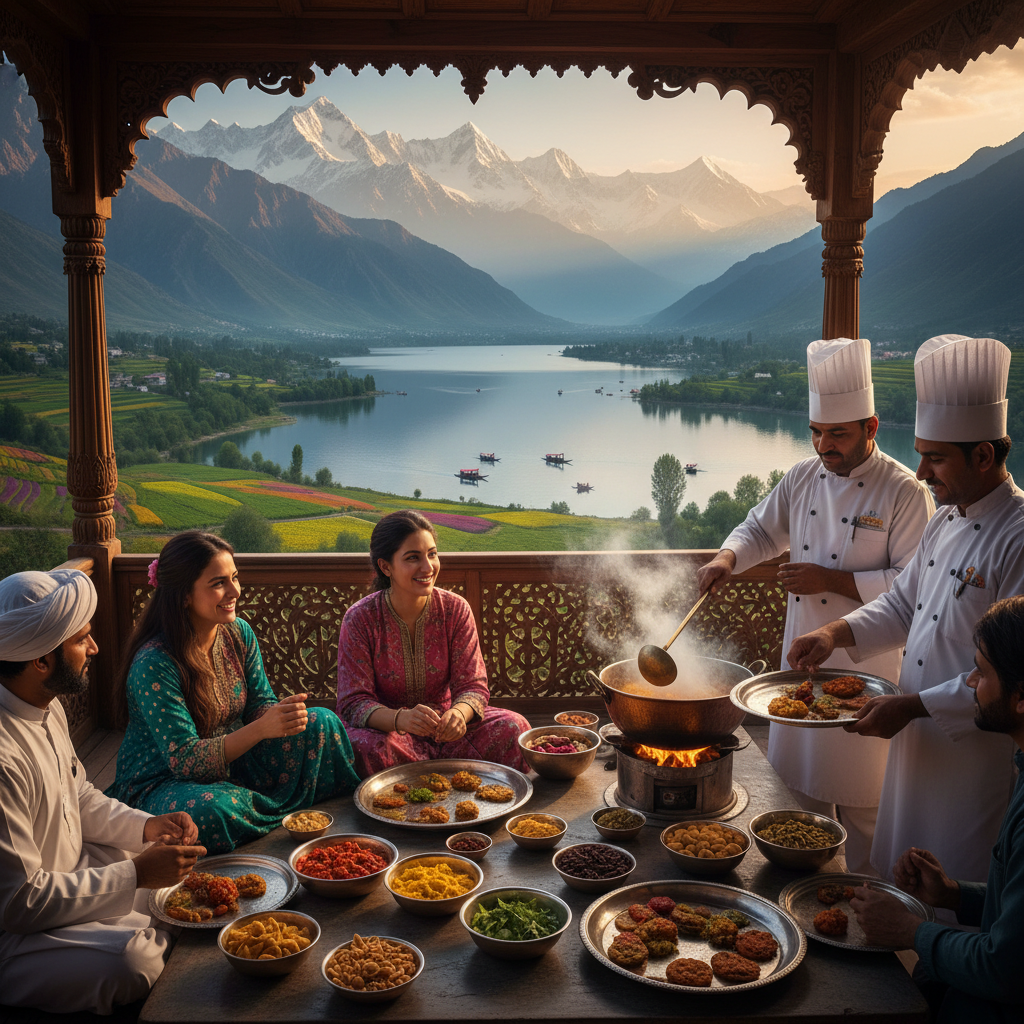
Savoring Kashmir: An Introduction to the Wazwan Cooking Experience
Imagine yourself amidst the aroma of cardamom, saffron, and slow-cooked lamb, learning the ancient culinary secrets of Kashmir. The Kashmiri Wazwan isn't just a meal; it's a multi-course ceremonial feast, a cornerstone of Kashmiri culture and hospitality. For centuries, this elaborate spread has been prepared by wazas (hereditary chefs), passed down through generations, making it one of the most sophisticated and royal cuisines in the world. As a guest in Kashmir, understanding and experiencing the Wazwan is essential to truly grasping the valley's soul. A hands-on cooking class offers an unparalleled opportunity to peel back the layers of this culinary masterpiece, far beyond just tasting it. You'll not only learn to cook a few iconic dishes but also delve into the philosophy behind each ingredient, the rhythm of its preparation, and its significance in Kashmiri life. This isn't just about recipes; it's about connecting with a tradition that embodies warmth, artistry, and an incredible depth of flavor. Whether you're a seasoned chef or a curious foodie, a Wazwan cooking class promises an enriching, memorable, and delicious journey.
Why a Wazwan Cooking Class is a Must-Do in Kashmir
While you can certainly enjoy the Wazwan in many restaurants across Kashmir, participating in a cooking class elevates the experience to an entirely different level. It transforms you from a mere consumer into an active participant in a living tradition. You get to interact directly with local chefs or home cooks who share not just techniques, but also personal stories, family secrets, and cultural anecdotes that are otherwise inaccessible. This intimate setting allows for a deeper understanding of Kashmiri ingredients – from the fiery Kashmiri red chilies (which aren't just about heat but color and flavor) to the subtle nuances of saffron and fennel. You'll learn the art of slow cooking, the precise blending of spices, and the meticulous preparation that goes into each dish. It's a sensory immersion: you'll feel the texture of ground spices, smell the simmering stews, and taste the progression of flavors as you cook. This hands-on experience provides a unique cultural exchange, fostering a connection with local life that goes beyond standard sightseeing. Plus, you'll leave with practical skills and authentic recipes, allowing you to recreate a piece of Kashmir's culinary magic in your own kitchen.
Choosing Your Perfect Wazwan Cooking Class: Options and Booking Tips
When it comes to Wazwan cooking classes in Kashmir, options range from intimate home-based experiences to more structured workshops offered by boutique hotels or cultural centers. For the most authentic and personal experience, we highly recommend seeking out classes offered by local families in Srinagar. These often provide a warm, hospitable environment where you learn family recipes passed down through generations. Some guesthouses or heritage stays also organize dedicated culinary sessions for their guests, sometimes even including a trip to a local market for ingredients. The typical duration for such classes can be anywhere from 3 to 5 hours, depending on the number of dishes you're learning. As for cost, expect a range of INR 3,500 to INR 7,000 per person, varying by the number of dishes, exclusivity, and inclusions (like market visits). It's always best to book your cooking class in advance, especially during peak tourist seasons, as spots can be limited. Many operators will require a minimum of two participants, so if you're a solo traveler, consider joining a small group or opting for a more private arrangement at a slightly higher cost. Always inquire about what dishes will be taught, dietary accommodations if needed, and what's included in the price – typically, this covers ingredients, instruction, and enjoying the meal you've prepared.
A Glimpse into the Wazwan Menu: Dishes You Might Learn
The Wazwan is a grand affair, traditionally comprising 7 to 36 courses, though a cooking class will focus on a select, representative few. You can expect to learn how to prepare some of the most iconic dishes. Rista, tender meatballs pounded to a fine texture and cooked in a rich red gravy, is almost always a highlight. Gushtaba, another celebrated meatball dish, is prepared with finely minced mutton and cooked in a creamy yogurt-based gravy, often served towards the end of the feast. Rogan Josh, a quintessential Kashmiri lamb curry known for its vibrant red color and aromatic spices, is another likely candidate. You might also delve into Yakhni, a fragrant yogurt-based curry, or Palak Rista, a spinach variation. Vegetarian options, though fewer in a traditional Wazwan, are gaining popularity, and some classes may offer preparing dishes like Dum Aloo or Paneer Rogan Josh. The selection often depends on the season, the chef's expertise, and the duration of the class. Regardless of the specific dishes, the focus will be on the traditional techniques, the layered spices, and the slow, patient cooking methods that define Kashmiri cuisine, ensuring every bite is an explosion of flavor and history.
Essential Kashmiri Spices and Ingredients: The Heart of Wazwan
The soul of Wazwan lies in its unique blend of spices and fresh, local ingredients. A good cooking class will introduce you to these foundational elements. You'll quickly learn that Kashmiri red chili powder is paramount, not just for its mild heat but for its incredible natural color, which gives many Wazwan dishes their signature hue without relying on artificial dyes. Fennel powder (saunf) and dried ginger powder (soonth) are non-negotiable, providing a warm, aromatic base. Cardamom (both green and black), cinnamon, cloves, and bay leaves contribute to the complex fragrance. Saffron, locally grown in Pampore, adds a luxurious aroma and delicate color to select dishes like Gushtaba. Meat, primarily lamb or mutton, is the star of most Wazwan dishes, and understanding how to select and prepare it is crucial. Local yogurt, often homemade and thick, is another vital component, especially for dishes like Yakhni and Gushtaba, adding tang and creaminess. Fresh herbs like mint and coriander are used sparingly but effectively. The class will also emphasize the importance of pure mustard oil for frying and a generous hand with ghee (clarified butter) for richness. These ingredients, combined with traditional cooking vessels, form the bedrock of an authentic Kashmiri culinary experience.
What to Expect: Your Day at a Wazwan Cooking Class
Your Wazwan cooking class experience typically begins with a warm welcome, perhaps over a cup of traditional Kahwa tea. The instructor, often a home cook or a seasoned waza, will introduce themselves and provide an overview of the Wazwan tradition and the dishes you'll be preparing. Many classes start with an explanation of the key ingredients and spices, often allowing you to smell and touch them, understanding their role in the flavor profile. Then, it's time to get hands-on. You'll be guided through the meticulous preparation steps – from pounding meat for Rista, finely chopping onions, blending spices, to slow-cooking curries. Don't be afraid to ask questions; these instructors are usually passionate about sharing their heritage. The atmosphere is generally relaxed and interactive, fostering a sense of camaraderie. As the dishes simmer, the aroma fills the air, building anticipation. Once everything is cooked to perfection, the best part arrives: sitting down to savor the multi-course meal you've helped create. This shared dining experience is a highlight, allowing you to appreciate the fruits of your labor and often accompanied by more stories and insights from your host. It's a day of learning, laughter, and unforgettable flavors.
Tips for a Rewarding Culinary Journey and Avoiding Common Pitfalls
To make the most of your Wazwan cooking class, come prepared to engage. Wear comfortable clothes, as you'll be standing and moving around, and closed-toe shoes are advisable. Don't hesitate to get your hands dirty – it's part of the experience! Listen attentively to the instructions, especially regarding spice blending and cooking times, as these are critical for authentic flavors. If you have any dietary restrictions or allergies, communicate them clearly when booking. While traditional Wazwan is very meat-heavy, some instructors can offer vegetarian alternatives for certain dishes if informed beforehand. Be open to new flavors and techniques; Kashmiri cooking is quite distinct. A common mistake is trying to rush the process; Wazwan emphasizes slow cooking, so embrace the patience. Also, remember to take notes or photos if allowed, to help you recreate the magic back home. Don't forget to practice basic hygiene, like washing hands before handling food. Finally, remember to be respectful of the local culture and traditions being shared with you. This isn't just a cooking lesson; it's an invitation into a Kashmiri home and heritage.
Beyond the Class: Bringing Kashmiri Flavors Home
After immersing yourself in the rich culinary traditions of Kashmir through a Wazwan cooking class, you'll undoubtedly want to replicate those incredible flavors back home. The best way to do this is to source authentic Kashmiri spices. Many classes will offer recommendations on where to buy these locally in Srinagar, perhaps even guiding you to a trusted spice merchant in Lal Chowk or other local markets. Look for genuine Kashmiri red chili powder, saffron from Pampore, and high-quality dried ginger and fennel. Bringing back a small quantity of these essential spices will make a significant difference in your home cooking. Additionally, many instructors will share detailed recipes or a recipe booklet, so keep these safe. Practice is key; don't be discouraged if your first attempt isn't perfect. With time and a little patience, you'll be able to bring the warmth and richness of a Kashmiri Wazwan to your own table, sharing a taste of the valley with friends and family. For those inspired to explore more of Kashmir's beauty, Mid Holidays offers bespoke packages that can integrate unique cultural experiences like these cooking classes into your itinerary. Visit Mid Holidays to discover our curated tours that blend adventure, culture, and culinary delights, making your Kashmiri journey truly unforgettable.
Related Kashmir Guides & Services
<p>Planning the rest of your trip? These Mid Holidays guides pair well with this article:</p><ul><li><a href="/blog/kashmir-wazwan-food-guide">Kashmir Wazwan Food Guide: A Culinary Journey with Mid Holidays</a></li><li><a href="/blog/best-kashmiri-street-food-guide">Best Kashmiri Street Food Guide: A Local's Culinary Journey</a></li><li><a href="/blog/ladakhi-cuisine-guide-traditional-dishes-flavors">Ladakhi Cuisine Guide: Traditional Dishes & Authentic Flavors</a></li><li><a href="/blog/10-mistakes-tourists-make-in-kashmir-avoid-these">10 Mistakes Tourists Make in Kashmir: Avoid These for a Perfect Trip</a></li><li><a href="/blog/dal-lake-houseboat-booking-guide-kashmir-travel">Dal Lake Houseboat Booking Guide for Kashmiri Travellers</a></li></ul>
Frequently Asked Questions
What is Wazwan and why is it so significant in Kashmir?
Wazwan is a multi-course meal, traditionally comprising 7 to 36 dishes, considered a culinary art form and an integral part of Kashmiri culture. It is prepared by specialist chefs called wazas, often for weddings and festivals. Its significance lies in its elaborate preparation, the use of unique spices, and its role as a symbol of hospitality and community, reflecting the rich heritage of the valley. It's not just food, but a ceremonial experience.
Do I need prior cooking experience to join a Wazwan cooking class?
No, prior cooking experience is generally not required to join a Wazwan cooking class. These classes are typically designed to accommodate all skill levels, from beginners to experienced cooks. Instructors guide participants through each step, explaining techniques and ingredients in detail. The focus is on learning and enjoying the cultural experience, rather than culinary mastery on day one.
Are vegetarian options available in a Wazwan cooking class?
While traditional Wazwan is predominantly meat-based, many cooking classes in Kashmir are now adapting to offer vegetarian options. It's crucial to communicate your dietary preferences when booking. Some classes might teach you to prepare vegetarian Kashmiri dishes like Dum Aloo (potato curry), Kashmiri Haak (collard greens), or Paneer Rogan Josh, ensuring you still get a rich culinary experience.
What is the typical duration and cost of a Wazwan cooking class?
The typical duration for a Wazwan cooking class can range from 3 to 5 hours, depending on the number of dishes being taught and the depth of the experience, which might include a market visit. Costs vary, but you can expect to pay anywhere from INR 3,500 to INR 7,000 per person. This usually covers ingredients, instruction, and the meal you prepare.
What key spices are used in Kashmiri Wazwan that I should look out for?
The heart of Kashmiri Wazwan lies in its distinctive spices. Key ones to look out for include Kashmiri red chili powder (for color and mild heat), dried ginger powder (soonth), fennel powder (saunf), green and black cardamom, cinnamon, cloves, and bay leaves. Saffron, especially from Pampore, is also a prized ingredient, adding unique aroma and color to select dishes.
Can I arrange a private Wazwan cooking class for my family or group?
Yes, most Wazwan cooking class providers in Kashmir are happy to arrange private sessions for families or groups. This often allows for more personalized instruction, a tailored menu based on your preferences, and a more intimate cultural exchange. It's best to inquire about private class availability and any associated differential pricing when making your booking.
Will I receive recipes to take home after the class?
Absolutely! A significant benefit of participating in a Wazwan cooking class is receiving authentic recipes to take home. Most instructors provide either printed recipe cards or a small booklet detailing the steps and ingredients for the dishes you've learned. This allows you to recreate the magic of Kashmiri cuisine in your own kitchen and share it with others.