Ladakh Homestay Village Experience Guide: Authentic Local Stays
Homestays & Local Culture
Discover authentic Ladakh homestay village experiences with our comprehensive guide. Immerse yourself in local culture, food, and hospitality for a truly…
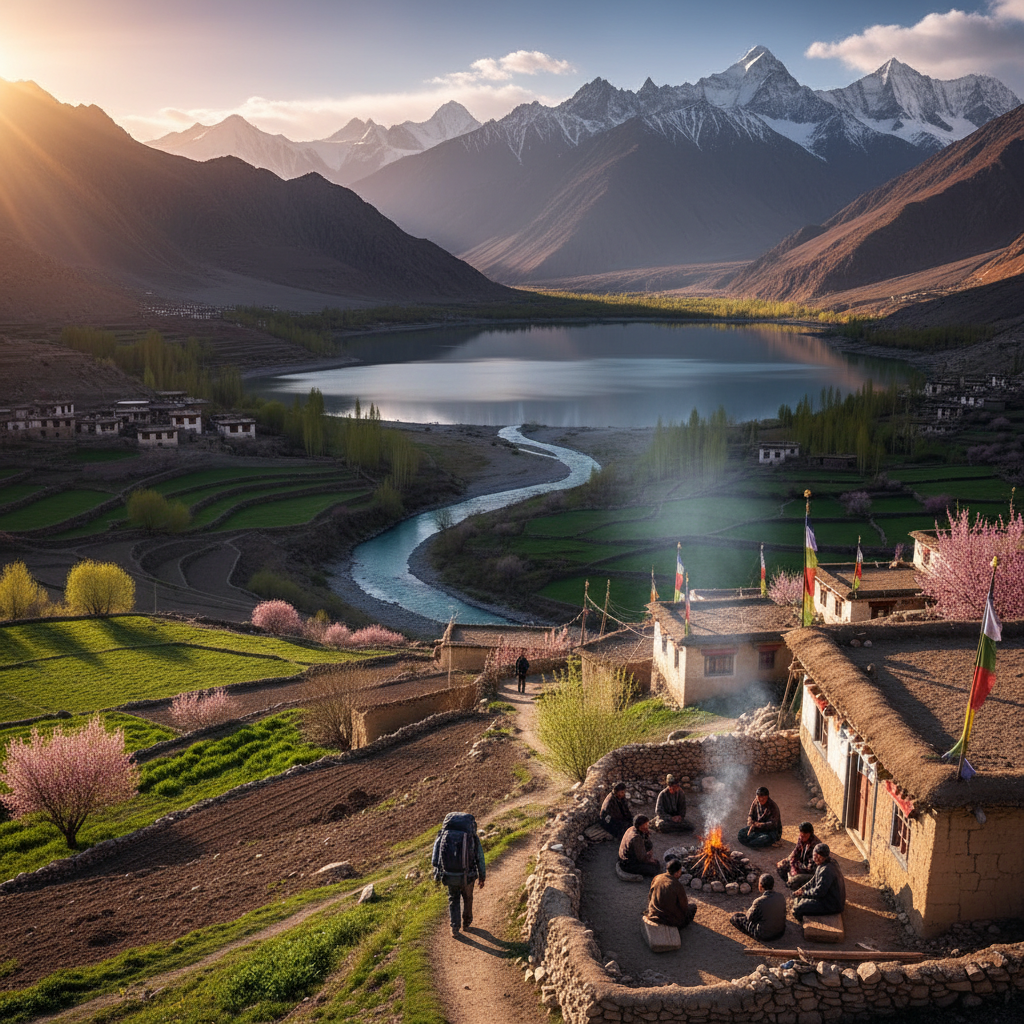
Embracing Local Life: Why Choose a Ladakh Homestay?
Choosing a homestay in Ladakh offers a profoundly different experience than staying in a hotel or guesthouse. It's an invitation to step beyond the typical tourist trail and immerse yourself in the authentic daily life of a Ladakhi family. As someone who has spent significant time traversing the region, from the bustling markets of Leh to the serene corners of remote villages, I can attest that homestays provide an unparalleled window into the local culture, traditions, and the warm-hearted hospitality Ladakh is famous for. You won't just be a guest; you'll be treated as part of the family, sharing meals, stories, and even daily chores if you're inclined. This isn't about luxury in the conventional sense, but about richness in human connection and cultural exchange. You'll learn firsthand about their agricultural practices, observe their unique Buddhist way of life, and witness the resilience of a community living in one of the world's highest inhabited regions. It's ideal for culturally curious travelers, solo adventurers, and small groups seeking genuine interaction rather than mere sightseeing. Prepare for simple comforts, incredible home-cooked food, and memories that far outlast any fancy hotel stay.
Best Villages for an Authentic Homestay Experience
While homestays are becoming more common across Ladakh, certain villages truly stand out for their authentic experiences and welcoming communities. For those seeking proximity to Leh but a taste of village life, Phyang and Stok offer excellent options. Phyang is known for its monastery and vibrant masked dances, while Stok provides stunning views and the opportunity to visit the Stok Palace Museum. Further afield, but well worth the journey, the villages in the Sham Valley like Likir, Alchi, and Basgo offer deep cultural dives with ancient monasteries and traditional houses. My personal favourite for a truly offbeat and serene experience is the remote village of Garkone in the Aryan Valley, where you can stay with the Brokpa community, believed to be descendants of Alexander's army. Another fantastic choice is the homestays around Turtuk, a village close to the Line of Control, offering a unique Balti culture experience. For those venturing towards Pangong Lake, villages like Spangmik or Maan offer basic but incredibly rewarding stays with unparalleled lake views. Remember, these are working villages, so expect early mornings and a slower pace of life.
Planning Your Homestay Journey: When to Go & How to Book
The best time for a Ladakh homestay village experience largely aligns with the main tourist season, from May to October. During these months, the weather is pleasant, roads are open, and village life is in full swing with agricultural activities. May and June offer lush greenery and blooming flowers, while September and October bring crisp air, clear skies, and autumnal colours, which can be breathtaking. Winter (November to April) homestays are possible in some villages, but require significant preparation for extreme cold and limited access, often only suitable for experienced trekkers and those specifically seeking a winter wonderland experience. Booking a homestay can be done in a few ways. For established villages and those listed with community-based tourism initiatives, you can often find them through online platforms or local tourism offices in Leh. However, for a truly spontaneous and authentic experience, I often recommend arriving in a village and asking around. Villagers are incredibly hospitable and will usually direct you to a home offering accommodation. If you prefer to plan ahead, contacting a local tour operator like Mid Holidays, who has strong connections with village communities, can ensure a pre-arranged, comfortable, and ethical homestay. They can help you navigate permits for restricted areas and arrange transport. Always confirm inclusions like meals and amenities upfront.
What to Expect: Accommodation, Food, and Amenities
Homestay accommodation in Ladakh is typically simple, clean, and comfortable, reflecting the traditional Ladakhi home. You'll usually have a private room, often with basic bedding laid out on the floor, and sometimes a small table and chair. Don't expect luxury hotel amenities; instead, anticipate a more rustic charm. Bathrooms are generally shared and can be either dry compost toilets or basic flush toilets, sometimes located outside the main house. Hot water, if available, might be limited to a bucket of water heated on a traditional stove, rather than an instant geyser. Food is undoubtedly a highlight of any Ladakhi homestay. You'll savour authentic, freshly prepared meals, often using organic, locally grown ingredients. Staple dishes include thukpa (noodle soup), skyu (local pasta stew), momos (dumplings), and various vegetable curries served with rice or barley bread (pampa). Breakfast usually includes butter tea, bread, and perhaps some local jam. Dietary restrictions should be communicated in advance, though options might be limited in remote areas. Electricity might be intermittent, with solar power being common, so carrying a power bank is advisable. Mobile network connectivity can be spotty or non-existent in many villages, offering a welcome digital detox.
Interacting with Your Hosts: Etiquette and Cultural Sensitivity
Respecting local customs and traditions is paramount when staying in a Ladakhi homestay. The Ladakhi people are generally warm and welcoming, but a little cultural sensitivity goes a long way. Always remove your shoes before entering a home or any religious space. When offered food or tea, accept it graciously. If you cannot finish, it's acceptable to leave a small amount, but wasting food is generally frowned upon. Dress modestly, especially when visiting monasteries; shoulders and knees should be covered. Asking for permission before taking photographs of people, especially women and children, is always a good practice. Learning a few basic Ladakhi phrases like 'Julley' (hello, thank you, goodbye) can open doors and bring smiles. Engage with your hosts, ask about their daily lives, and share stories about your own. Offer to help with small chores if appropriate, but never intrude. Remember, you are a guest in their home and community. A small gift from your home country, such as local sweets or a souvenir, can be a thoughtful gesture, but it is by no means expected. The most important thing is to be open-minded, humble, and genuinely interested in their way of life.
Budgeting for Your Homestay Experience: Realistic Costs
One of the advantages of choosing a homestay is that it's generally more affordable than hotels, while offering a richer experience. The cost for a homestay in Ladakh can vary significantly based on the village's remoteness, the amenities offered, and whether you've booked directly or through an operator. On average, expect to pay around INR 1000 to INR 2500 per person per night. This usually includes dinner and breakfast, and sometimes lunch if you're staying put for the day. For instance, a homestay in a well-known village like Alchi might cost towards the higher end of this range, perhaps INR 1800-2500 per person, especially if it includes a heated room or a more modern bathroom. In more remote areas like a small village near Changthang, you might find options for INR 1000-1500 per person. These prices are indicative and can change with the season or specific arrangements. Always clarify what's included before committing. Transportation to and from the village will be an additional cost, whether you opt for a shared taxi, private vehicle, or local bus. Factor in an additional INR 500-1000 per day for miscellaneous expenses like snacks, entrance fees, or small purchases. A local guide, if desired for treks or cultural insights, would also be a separate expense.
Essential Packing for a Comfortable Homestay Trip
Packing smart is crucial for a comfortable homestay experience in Ladakh, as amenities are basic and shops might be far. First and foremost, layers are key. Even in summer, evenings can be chilly, and days can be warm under the sun. Include thermal underwear, fleece jackets, warm sweaters, and a windproof outer shell. Comfortable walking shoes or hiking boots are a must for exploring villages and nearby trails. Don't forget personal hygiene items like a toothbrush, toothpaste, soap, and shampoo, as these might not be provided by your hosts. A quick-drying towel is also very useful. A headlamp or small flashlight is essential for evenings, especially if electricity is unreliable or bathrooms are outside. Carry a personal first-aid kit with basic medicines for headaches, stomach upsets, altitude sickness (Diamox if prescribed), and antiseptic. A power bank for your devices, a good book, and a journal to capture your experiences will complete your bag. Reusable water bottles are highly encouraged to reduce plastic waste; your hosts can often refill them with boiled water. And of course, your camera to capture the stunning landscapes and warm smiles of Ladakh.
Making the Most of Your Stay: Activities and Immersion
A homestay is not just about a bed and meals; it's an opportunity for deep cultural immersion. Start your day early, just like your hosts. Participate in their morning rituals, which might include prayers or helping with breakfast preparations. During the day, explore the village on foot. Wander through fields, observe local artisans, and visit the village monastery or gompa. Your hosts can often guide you or connect you with someone who can. Engage in conversations, even if through gestures or limited English. You'll learn about Ladakhi history, folklore, and their unique adaptations to the high-altitude environment. Offer to help with simple tasks like fetching water or tending to animals – it's a great way to bond and understand their daily struggles and joys. In the evenings, gather around the bukhari (traditional stove) with your hosts, sharing stories over butter tea. Some homestays might even offer cooking classes for traditional Ladakhi dishes. This isn't a checklist tourism experience; it's about slowing down, observing, and truly connecting. For a tailor-made experience that aligns with your interest in local culture and village life, consider reaching out to Mid Holidays. Our local expertise allows us to connect you with authentic homestays and unique cultural activities that enrich your Ladakhi journey.
Related Kashmir Guides & Services
<p>Planning the rest of your trip? These Mid Holidays guides pair well with this article:</p><ul><li><a href="/blog/kishtwar-travel-guide-kashmir-hidden-paradise">Kishtwar Travel Guide: Explore Kashmir's Hidden Paradise with Mid Holidays</a></li><li><a href="/blog/kashmir-wazwan-food-guide">Kashmir Wazwan Food Guide: A Culinary Journey with Mid Holidays</a></li><li><a href="/blog/best-kashmiri-street-food-guide">Best Kashmiri Street Food Guide: A Local's Culinary Journey</a></li><li><a href="/blog/ladakhi-cuisine-guide-traditional-dishes-flavors">Ladakhi Cuisine Guide: Traditional Dishes & Authentic Flavors</a></li><li><a href="/blog/leh-to-lamayuru-taxi-guide">Leh to Lamayuru Taxi: Your Ultimate Guide to a Scenic Journey</a></li></ul>
Frequently Asked Questions
Is it safe to stay in a homestay in remote Ladakhi villages?
Yes, it is generally very safe to stay in homestays in remote Ladakhi villages. Ladakh has an extremely low crime rate, and the local people are known for their honesty and hospitality. You are often treated like a family member, and your hosts will look out for your well-being. Always trust your instincts, but overall, homestays offer a secure and welcoming environment.
Do I need to speak Ladakhi to communicate with my hosts?
While speaking a few basic Ladakhi phrases like 'Julley' (hello, thank you, goodbye) is greatly appreciated and can enhance your experience, it is not strictly necessary. Many younger Ladakhis and those in more frequently visited villages speak some Hindi and basic English. Communication often happens through gestures, smiles, and mutual goodwill, which is part of the charm of the experience.
Are homestays suitable for families with young children?
Homestays can be a wonderful experience for families with young children, offering an immersive cultural education. However, be aware that amenities are basic – shared toilets, no cribs, and limited child-friendly food options. Ensure your children are adaptable and comfortable with simple living. Discuss these aspects with your booking agent or hosts beforehand to ensure it's a good fit for your family.
What if I have dietary restrictions or allergies?
It is crucial to communicate any dietary restrictions or allergies well in advance, preferably during the booking process or upon arrival. While Ladakhi cuisine is relatively simple and vegetarian-friendly, options for specific allergies (like gluten or nuts) might be limited in remote areas. Your hosts will do their best to accommodate, but flexibility on your part will also be helpful.
How do I deal with altitude sickness in a homestay setting?
Altitude sickness (AMS) can be a concern in Ladakh. Acclimatise properly for 2-3 days in Leh before heading to higher villages. Inform your hosts immediately if you feel unwell; they often have traditional remedies and can guide you. Carry prescribed medication like Diamox and stay hydrated. If symptoms worsen, you may need to descend to a lower altitude and seek medical attention.
Can I volunteer or help with daily chores at a homestay?
Many homestay hosts appreciate a helping hand, but it's important to offer respectfully and not assume. You can always ask your hosts if there are any small chores you can assist with, such as preparing vegetables, fetching water, or helping in the fields. This can be a fantastic way to connect and understand their daily lives, but ensure it's genuinely helpful and not intrusive.
What is the policy on alcohol consumption in Ladakhi homestays?
Ladakh is predominantly a Buddhist region, and while alcohol is consumed, especially local barley beer (chang), it's generally done in moderation and often reserved for special occasions. It is best to avoid bringing or consuming alcohol openly in your homestay, out of respect for your hosts' home and cultural norms. Always observe and follow your hosts' lead in such matters.
Is internet and mobile connectivity available in homestays?
Internet and mobile connectivity are often limited or non-existent in most Ladakhi villages, especially those offering authentic homestay experiences. Expect to be largely offline. While some villages might have a single BSNL network spot, it's unreliable. Consider this an opportunity for a digital detox and immerse yourself fully in the present moment and the surrounding nature and culture.