Kashmir Wazwan Food Guide: A Culinary Journey with Mid Holidays
Kashmiri Cuisine Exploration
Explore the rich culinary heritage of Kashmir with our ultimate Wazwan food guide. Discover traditional dishes, etiquette, and where to experience an…
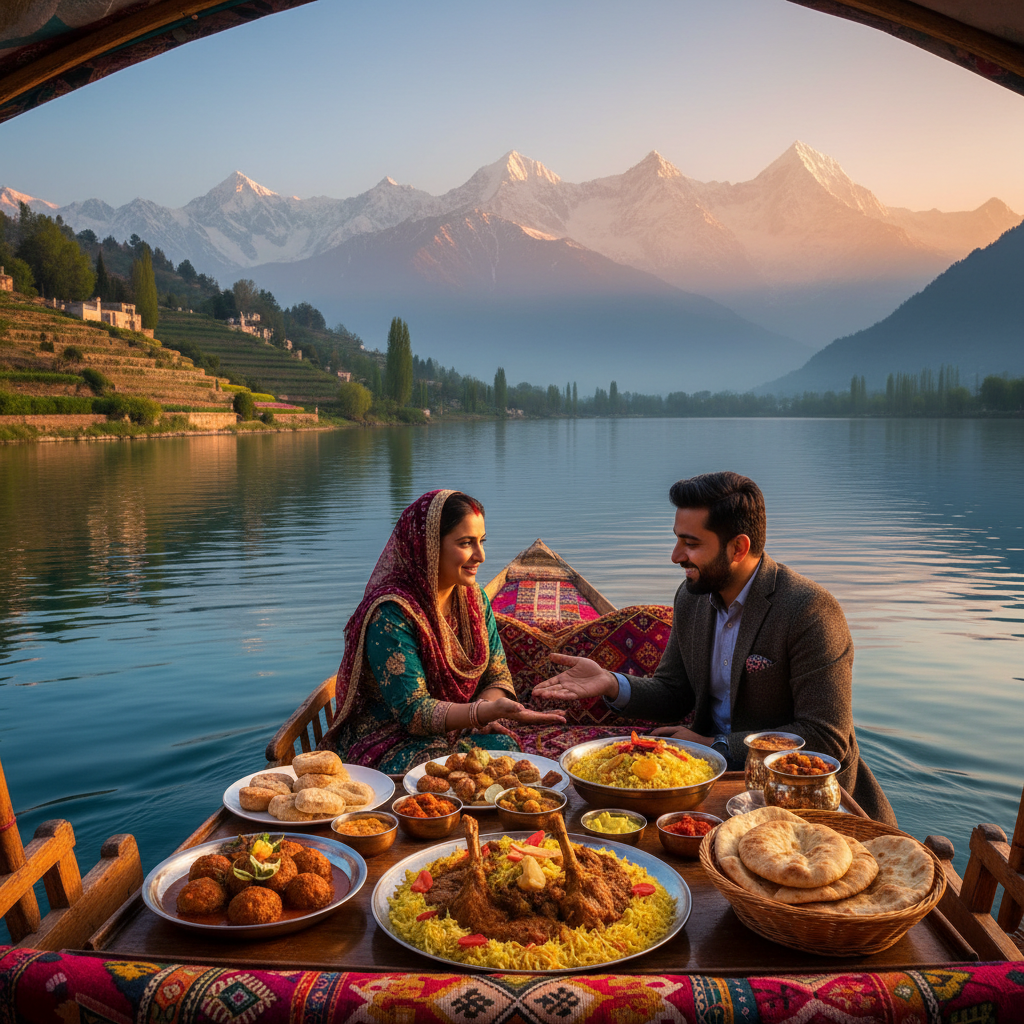
An Introduction to Wazwan: Kashmir's Grand Culinary Tradition
Wazwan is far more than just a meal; it's a multi-course ceremonial feast that stands as the pride of Kashmir's rich cultural heritage. Originating from Central Asia, this grand culinary art form has been perfected over centuries by the Wazas, the hereditary master chefs of Kashmir. A true Wazwan typically comprises 7 to 36 dishes, predominantly non-vegetarian, cooked overnight and served on a large copper plate called a 'Trami'. This communal dining experience, where four people share a single Trami, fosters togetherness and reflects the warmth of Kashmiri hospitality. While traditionally reserved for weddings and special occasions, its fame has grown, making it a must-try for any visitor wanting to delve deep into the region's gastronomic soul. The sheer variety of flavors, aromas, and textures, from the fiery red Rogan Josh to the delicate white Yakhni, makes every bite a discovery. Understanding Wazwan means appreciating not just the food, but the elaborate process of its creation and the cultural significance it holds for the Kashmiri people.
The Waza: Masters of the Kashmiri Kitchen
At the heart of every authentic Wazwan is the Waza, the hereditary master chef whose skills are passed down through generations. These culinary artisans are revered figures in Kashmiri society, entrusted with the immense responsibility of preparing this elaborate feast. A Waza's training begins at a young age, often as an apprentice to an elder, learning the intricate techniques, secret spice blends, and precise cooking times that define each dish. They are not merely cooks; they are artists who transform simple ingredients into edible masterpieces. From dawn till dusk, sometimes even overnight, the Waza and his team work tirelessly over traditional firewood hearths, meticulously preparing each component of the Wazwan. Their expertise extends beyond cooking; they also oversee the entire dining experience, ensuring every detail, from the arrangement of the Trami to the sequence of serving, is flawless. Experiencing Wazwan is an ode to the Waza's dedication and unparalleled culinary prowess, making it a truly unique dining event.
Signature Dishes of the Wazwan Feast: A Delectable Journey
The true magic of Wazwan lies in its diverse array of dishes, each with its distinct flavour profile and preparation method. The feast typically begins with Seekh Kababs, succulent minced meat skewered and grilled, followed by Tabakh Maaz, crispy lamb ribs. Rogan Josh, a rich, aromatic lamb curry in a vibrant red gravy, is arguably the most famous, its colour traditionally derived from dried Kashmiri chillies and cockscomb flower. Another staple is Rista, tender meatballs pounded to a fine paste and cooked in a fiery red gravy. Gustaba, creamy white meatballs in a thick yogurt gravy, often marks the end of the main course, signifying the meal's conclusion. Yakhni, a delicate lamb or chicken curry in a white yogurt-based sauce, offers a milder contrast. Other delightful inclusions might be Aab Gosht (lamb cooked in milk), Marchwangan Korma (spicy lamb korma), or Dhaniwal Korma (coriander-based lamb curry). For vegetarians, though less prominent, there are dishes like Ruwangan Chaman (paneer in tomato gravy) and various vegetable preparations, usually served on separate plates. Each dish contributes to the symphony of flavours that defines a complete Wazwan.
The Ritual of Wazwan: Etiquette and Experience
The Wazwan is as much about the ritual as it is about the food. It's a communal affair, typically served on a large copper plate called a 'Trami' to groups of four diners. Before the meal begins, guests wash their hands in a basin called a 'Tash-t-Nari', which is passed around, signifying purification and respect. The Trami arrives laden with a mound of rice, topped with a generous assortment of dishes: two Seekh Kababs, a piece of Tabakh Maaz, four pieces of Methi Korma, and usually one or two portions of Rogan Josh, Rista, and Gustaba. Diners then proceed to eat together, using their right hand, a practice that enhances the shared experience. It's considered polite to take small portions from the dishes closest to you and to ensure everyone at the Trami gets a fair share. The feast progresses slowly, with new dishes often added as the meal unfolds, ensuring a continuous flow of flavour and conversation. The atmosphere is usually lively, filled with laughter and camaraderie, making the Wazwan a memorable cultural immersion.
Where to Experience an Authentic Wazwan in Kashmir
While Wazwan is traditionally served at Kashmiri weddings and special events, several establishments in Srinagar now offer a taste of this grand feast to visitors. For a truly authentic experience, it's best to inquire with local hotels or reputable tour operators like Mid Holidays who can arrange a Wazwan tasting at a local guesthouse or a specialized restaurant. Some of the well-known places that serve a refined version of Wazwan include Mughal Darbar, Ahdoos, and Shamyana Restaurant, all located in Srinagar. These restaurants often offer a 'mini-Wazwan' or a selection of Wazwan dishes on their regular menu, making it accessible for individuals or smaller groups. Expect the prices to range from INR 800 to INR 2500 per person for a comprehensive Wazwan experience, depending on the number of dishes and the establishment. It's always advisable to call ahead and confirm availability, especially if you're looking for the full, elaborate service. Remember that a true Wazwan takes time to prepare, so patience is key to enjoying this unparalleled culinary journey.
Planning Your Culinary Journey: Tips for a First-Time Wazwan Eater
Embarking on your first Wazwan experience can be exciting. Here are some tips to make the most of it: Firstly, come hungry! Wazwan is a substantial meal, so ensure you have ample appetite. It's a communal dining experience, so be prepared to share your Trami with three other people. Don't be shy; embrace the traditional way of eating with your right hand, though cutlery will usually be provided if preferred. Pace yourself through the many courses; it's a marathon, not a sprint. Remember to try a little of everything, but don't feel obligated to finish every dish entirely. The 'Waza' or servers are generally attentive and happy to explain the dishes. If you have dietary restrictions, it's wise to communicate them in advance, though vegetarian options are limited within the traditional Wazwan structure. For hygiene, carry a small hand sanitiser, though hand-washing rituals are always observed. Finally, be open to the experience; it’s not just about the food but the cultural immersion and shared joy that comes with this unique Kashmiri tradition.
The Evolution and Future of Wazwan: Preserving a Legacy
Wazwan, while steeped in tradition, is not immune to the currents of change. Historically, it was a celebratory meal cooked entirely over wood fires in open-air kitchens. Today, while many Wazas still adhere to these methods, some modern kitchens incorporate gas burners for convenience. The number of dishes, once potentially stretching to thirty-six, is often condensed for smaller gatherings or restaurant settings, offering a more manageable, yet still authentic, experience. There's also a growing awareness of vegetarian preferences, leading to the inclusion of more elaborate paneer and vegetable dishes, though these are typically served separately from the main meat-centric Trami. Efforts are being made by cultural organizations and chefs to preserve the original artistry of Wazwan, training new generations of Wazas and documenting traditional recipes. This ensures that the intricate techniques and unique flavour profiles continue to thrive, allowing visitors and locals alike to savour this integral part of Kashmiri identity for years to come. Mid Holidays is committed to promoting and preserving such unique local experiences for our travellers.
Related Kashmir Guides & Services
<p>Planning the rest of your trip? These Mid Holidays guides pair well with this article:</p><ul><li><a href="/blog/best-month-to-visit-gurez-valley">Best Month to Visit Gurez Valley: Your Ultimate Mid Holidays Guide</a></li><li><a href="/blog/kashmir-package-with-houseboat-ultimate-guide">Kashmir Package with Houseboat: Your Ultimate Guide for a Serene Stay</a></li><li><a href="/blog/kashmir-in-march-spring-travel-guide">Kashmir in March: Your Ultimate Spring Travel Guide | Mid Holidays</a></li><li><a href="/blog/katra-to-srinagar-train-time-table-travel-guide">Katra to Srinagar Train Time Table: Your Ultimate Travel Guide</a></li><li><a href="/blog/kashmir-summer-vs-winter-travel-guide">Kashmir in Summer vs Winter: Which Season is Best For Your Trip?</a></li></ul>
Frequently Asked Questions
What is the primary difference between Rogan Josh and Rista in a Wazwan?
Rogan Josh is a rich, aromatic lamb curry known for its vibrant red color and spicy, flavorful gravy. It features tender pieces of lamb. Rista, on the other hand, consists of finely pounded meatballs, often made from mutton, cooked in a thick, fiery red gravy. While both are lamb/mutton based and red, Rogan Josh uses cubed meat, and Rista uses meatballs, offering distinct textures and preparations.
Can I find vegetarian options in a traditional Wazwan?
While traditional Wazwan is predominantly non-vegetarian, focused on lamb and chicken dishes, vegetarian options are increasingly available, especially in restaurant settings. These are typically served on separate plates, not on the communal Trami. Common vegetarian dishes include Ruwangan Chaman (paneer in tomato gravy), Haaq (collard greens), or Nadir Yakhni (lotus stem in yogurt gravy). It's best to inquire about vegetarian alternatives when booking.
Is it customary to eat Wazwan with hands or cutlery?
Traditionally, Wazwan is eaten with the right hand, which is considered a more authentic and intimate way to experience the meal. The communal sharing from a single Trami is part of this custom. However, in most restaurants and tourist-friendly settings, cutlery will also be provided, so you have the option to choose whichever you are most comfortable with. Trying it with your hand is part of the cultural immersion.
How many people usually share a single Wazwan Trami?
A traditional Wazwan Trami, the large copper plate on which the feast is served, is typically shared by four people. This communal dining aspect is central to the Wazwan experience, fostering a sense of togetherness and shared enjoyment. The dishes are arranged in a way that allows each diner to access various preparations, making it a truly interactive meal.
What is the role of a 'Waza' in the Wazwan tradition?
The 'Waza' is the master chef responsible for preparing the entire Wazwan feast. These highly skilled individuals belong to a lineage of hereditary chefs, with their knowledge and techniques passed down through generations. The Waza oversees every aspect of the meal, from sourcing ingredients to the meticulous preparation of each dish, ensuring the authentic taste and presentation of this elaborate culinary tradition.
How long does a typical Wazwan feast last?
A full, traditional Wazwan feast, especially at a wedding, can be a lengthy affair, often lasting several hours. With its numerous courses, communal dining, and the social interaction involved, it's designed to be a leisurely and immersive experience. While a restaurant version might be a bit shorter, expect to spend a good 1.5 to 2 hours to truly savour the different dishes and the atmosphere.
Is Wazwan very spicy, and can the spice level be adjusted for tourists?
Traditional Wazwan dishes are known for their rich spices and often a fiery kick, particularly in dishes like Rista and Rogan Josh, which use Kashmiri red chillies for both colour and heat. While the authentic preparation tends to be spicy, some tourist-oriented restaurants may offer slightly milder versions or cater to requests for reduced spice if informed in advance. However, some inherent spice is central to its flavour profile.