Best Kashmiri Street Food Guide: A Local's Culinary Journey
Kashmiri Cuisine Exploration
Explore the best Kashmiri street food with our local's guide. Discover delicious, authentic flavors and hidden gems across Srinagar and beyond, from Nadir…
Savouring the Soul of Kashmir: An Introduction to Street Food
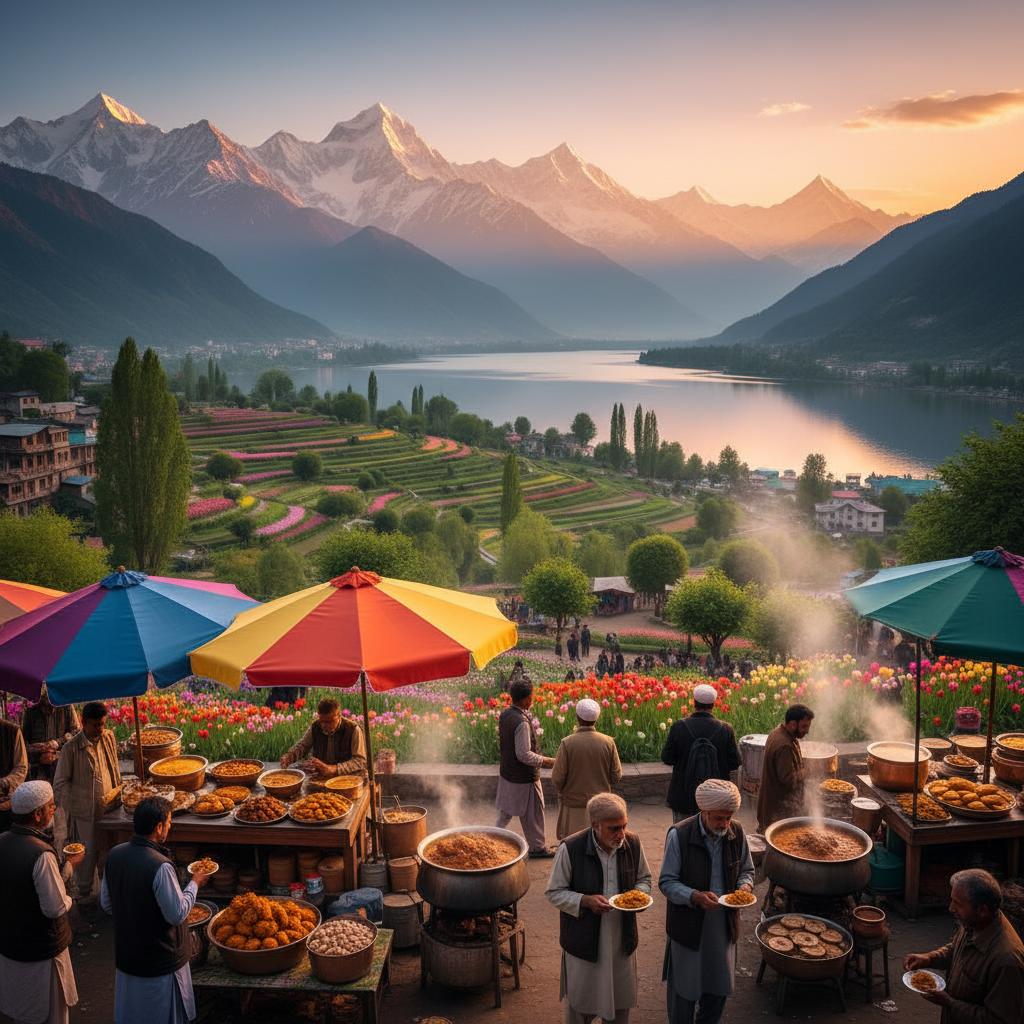
Kashmir is renowned for its breathtaking landscapes, serene lakes, and warm hospitality, but its culinary scene, particularly the vibrant street food culture, often remains a delightful surprise for visitors. Beyond the elaborate Wazwan feasts, Kashmiri street food offers a more immediate, accessible, and equally flavourful glimpse into the region's gastronomic soul. These aren't just quick bites; they are an integral part of daily life, reflecting centuries of tradition, local ingredients, and unique cooking methods. From spicy-sour snacks that awaken your palate to comforting baked goods perfect for a chilly morning, the street food here tells a story. As a local tour operator, Mid Holidays has always encouraged our guests to venture beyond the usual and experience these authentic tastes. You’ll find vendors, locally known as 'rehri wallahs', setting up their stalls in bustling markets, alongside Dal Lake, and even in quieter lanes, each offering a speciality prepared with love and seasoned with local spices. It's an immersive experience that connects you directly with the heart of Kashmiri culture, offering delicious insights one bite at a time. This guide will walk you through the must-try delicacies, where to find them, and what makes them so special.
Morning Delights: Kashmiri Street Breakfast Essentials
A Kashmiri morning begins with distinct aromas wafting from street-side stalls. Forget your typical continental breakfast; here, it’s all about hearty, flavourful combinations that prepare you for the day. One of the most iconic breakfast items is the Kashmiri Bread, locally known as 'baqerkhani' or 'tchot'. These aren't your regular breads; they are artisanal, baked in traditional tandoors by expert bakers called 'kandurs'. Baqerkhani is flaky and layered, often enjoyed with Noon Chai (salt tea) or a rich, creamy Kahwa. Another popular choice is 'Lavasa', a thin, soft bread often eaten with 'Halwa Paratha' – a semolina-based sweet pudding paired with a crispy, fried flatbread. For a more substantial start, look for 'Kanti', small pieces of spiced mutton or chicken, often served with lavasa, providing a burst of flavour and protein. You’ll find these vendors typically opening early, around 7 AM, in areas like Lal Chowk, Residency Road, and the Old City of Srinagar. The average cost for a fulfilling breakfast including bread and a side would range from INR 50 to 150, depending on your choice of accompaniments.
Spicy, Tangy & Irresistible: Savoury Snacks to Savor
Kashmiri street food truly shines in its variety of savoury snacks, each offering a unique blend of spices and textures. Top of the list for many is 'Nadir Monje', thinly sliced lotus stems (nadir) coated in a spiced chickpea flour batter and deep-fried until golden and crispy. These are served hot, often with a sprinkle of salt and a dash of chutney, and are a staple in busy markets like Batamaloo and Hazratbal. Expect to pay around INR 50-100 for a generous plate. Another local favourite, especially during colder months, is 'Monje Gaade', fried fish fritters, usually made from local freshwater fish, seasoned intensely. Look for these near rivers or specific fish markets. Don't miss 'Tujj', skewered and grilled mutton pieces, marinated in a special blend of Kashmiri spices, cooked over open coals. These succulent kebabs are a popular evening snack, especially around Dalgate and Khayam Chowk, costing INR 100-200 per skewer depending on the size. For vegetarians, 'Kashmiri Samosa' (often smaller and filled with mashed potatoes and spices, different from the North Indian version) and 'Paneer Pakoras' (fried cottage cheese fritters) are excellent choices, commonly found in market areas for INR 30-80 per serving.
Sweet Endings: Desserts and Beverages from the Streets
No culinary journey is complete without a taste of local sweets and comforting beverages. While Kashmir is not as renowned for its elaborate street desserts as some other regions, it offers unique sweet treats and signature drinks. The quintessential beverage is 'Kahwa', a traditional green tea infused with saffron, cardamom, cinnamon, and sometimes almonds. It's not just a drink; it's an experience – warming, aromatic, and deeply cultural. You'll find Kahwa served in almost every tea stall and restaurant, but the street versions are often more robust and authentic. A cup typically costs INR 30-70. For a truly unique sweet, try 'Kulcha', a Kashmiri biscuit-like bread. There are various types, from the sweet, crumbly 'Khatai' kulcha to the savoury 'Namkeen' kulcha, often enjoyed with tea. These are sold by kandurs and local bakeries, priced around INR 20-50 per piece. Another popular sweet snack is 'Sheermaal', a slightly sweet, leavened bread, often studded with sesame seeds. While not always strictly 'street food', many local bakeries that double as street stalls sell these. In warmer months, refreshing 'Sharbats' (sweet fruit drinks) made from local fruits like apples or plums can be found, offering a cool respite for around INR 40-80 a glass.
Finding the Best Bites: A Guide to Srinagar's Foodie Hotspots
Srinagar, being the heart of Kashmir, is naturally the epicentre for experiencing the best of Kashmiri street food. To truly dive in, you need to know where the locals go. Khayam Chowk is legendary for its Tujj (mutton kebabs), especially in the evenings when numerous stalls light up, filling the air with smoky aromas. A typical serving of Tujj with Lavasa costs around INR 150-250. Lal Chowk and the surrounding areas like Regal Chowk are excellent for morning bread and bakery items, with many Kandurs setting up shop by 7:30 AM. For Nadir Monje and other fried snacks, head to the bustling markets of Batamaloo or near the Hazratbal Shrine, particularly after 11 AM. The Dalgate area, especially near the main market, also has several vendors selling various snacks and beverages, offering good options for an evening stroll. For a taste of the traditional Kashmiri Halwa Paratha, explore the lanes of the Old City, particularly around Jamia Masjid, where smaller, generations-old stalls maintain age-old recipes. Don't be shy to ask locals for recommendations; they'll often point you to their favourite unassuming spots. Prices are generally very affordable, making it easy to sample a wide array of dishes without breaking the bank.
Beyond Srinagar: Street Food Gems in Other Valleys
While Srinagar offers the widest array, other parts of Kashmir also boast their unique street food offerings, often reflecting local specialities and availability of ingredients. In Gulmarg, especially during the winter months, you’ll find vendors selling hot Kahwa and various pakoras (fritters) to warm up skiers and tourists. The emphasis here is on quick, comforting snacks that provide warmth in the chilly weather. Prices might be slightly higher than in Srinagar due to the tourist influx, typically INR 50-150 for a snack and a drink. Pahalgam, another popular destination, offers a more limited but equally delightful selection. Here, look for local bakery items and freshly made Kahwa. During seasonal festivals or local markets, you might even find unique home-style preparations. In smaller towns and rural areas, the street food scene shifts towards fresh produce and baked goods from local 'kandurs', providing a more rustic and authentic flavour. For instance, in Kupwara or Handwara, you might encounter different types of traditional breads and seasonal fruit-based concoctions that are not readily available in the main cities. Always keep an eye out for local markets; they are often the best places to discover these regional culinary treasures.
Tips for a Safe and Enjoyable Street Food Experience
Embarking on a street food journey in Kashmir is an adventure for your taste buds, but a few practical tips can ensure it's a pleasant and safe one. First, observe hygiene: choose stalls that appear clean, have a steady flow of customers (indicating freshness), and handle food properly. While most Kashmiri street food vendors maintain good standards, it’s always wise to be discerning. Second, be mindful of spice levels. Kashmiri cuisine can be quite flavourful, and some dishes, like certain chutneys or Kanti, can be spicier than what you might be used to. Don't hesitate to ask about the spice level. Third, carry small denominations of Indian Rupees (INR), as most street vendors prefer cash and might not have change for large notes. A budget of INR 200-500 per person per day is usually sufficient for sampling a variety of street foods. Fourth, engage with the vendors; they often have fascinating stories about their craft and the history of their dishes. Finally, don't be afraid to try something new! The beauty of street food lies in its diversity and the unexpected delights it offers. If you're planning a trip to Kashmir and wish to include a curated street food tour, Mid Holidays can arrange personalized experiences, ensuring you taste the very best the valley has to offer. Our local guides know all the hidden gems and can help you navigate the vibrant culinary landscape with ease, adding another rich layer to your Kashmir holiday experience.
Related Kashmir Guides & Services
<p>Planning the rest of your trip? These Mid Holidays guides pair well with this article:</p><ul><li><a href="/blog/kashmir-wazwan-food-guide">Kashmir Wazwan Food Guide: A Culinary Journey with Mid Holidays</a></li><li><a href="/blog/dal-lake-houseboat-booking-guide-kashmir-travel">Dal Lake Houseboat Booking Guide for Kashmiri Travellers</a></li><li><a href="/blog/kashmiri-shopping-guide-pashmina-saffron">Kashmiri Shopping Guide: Pashmina, Saffron & Local Crafts</a></li><li><a href="/blog/pampore-saffron-fields-visit-guide">Pampore Saffron Fields Visit Guide: Kashmir's Golden Bloom</a></li><li><a href="/blog/kashmir-during-apple-season">Kashmir During Apple Season: A Local's Guide to Harvest Delights</a></li></ul>
Frequently Asked Questions
What is the most iconic Kashmiri street food dish to try?
Nadir Monje, crispy fried lotus stem fritters, is arguably the most iconic and beloved Kashmiri street food. Its unique texture and savoury, spiced flavour make it a must-try for any visitor. Served hot with a sprinkle of salt, it's a popular snack found in almost all bustling market areas across Srinagar, particularly around Batamaloo and Hazratbal. A plate typically costs between INR 50 and 100, offering a delightful and authentic taste of the valley.
Is Kashmiri street food generally spicy?
Kashmiri street food often features a rich blend of aromatic spices, but it's not always intensely spicy. Dishes like Tujj (mutton kebabs) and Monje Gaade (fried fish) have a robust, peppery kick. However, many items like traditional breads (Baqerkhani, Lavasa) and Kulcha are mild. Kahwa tea is fragrant but not spicy. It's always a good idea to ask the vendor about the spice level if you are sensitive, and they can often guide you to milder options.
What is Noon Chai and where can I find it on the street?
Noon Chai, also known as Pink Tea or Salt Tea, is a traditional Kashmiri beverage made with green tea leaves, milk, and baking soda, giving it a distinctive pink hue and slightly salty taste. It's a staple of Kashmiri breakfasts and often accompanies various breads. You can find Noon Chai widely available at almost any tea stall or bakery shop in Srinagar, particularly in busy market areas like Lal Chowk and the Old City, usually costing INR 20-50 per cup.
Are there vegetarian options available in Kashmiri street food?
Yes, absolutely! Kashmiri street food offers several delicious vegetarian options. Popular choices include Nadir Monje (fried lotus stem fritters), various types of Pakoras (fritters made from vegetables or paneer/cottage cheese), and the unique Kashmiri Samosa, which is often filled with spiced potatoes and peas. Traditional breads like Lavasa, Baqerkhani, and various Kulchas are also widely available and make for excellent vegetarian snacks or breakfast items when paired with Kahwa or Noon Chai.
What's the best time of day to explore Kashmiri street food?
The best time to explore Kashmiri street food largely depends on what you're looking for. Mornings, from around 7 AM to 11 AM, are ideal for traditional breakfast items like different breads, Halwa Paratha, and Noon Chai. For savoury snacks like Nadir Monje and Kanti, late mornings and afternoons (11 AM to 4 PM) are perfect. Evenings, especially from 5 PM onwards, come alive with the aroma of Tujj (mutton kebabs) and other fried delicacies, particularly at famous spots like Khayam Chowk. Each time offers a different culinary experience.
Is it safe to consume street food in Kashmir, hygiene-wise?
Generally, it is safe to consume street food in Kashmir, but like anywhere, exercising caution is wise. Look for stalls that appear clean, have fresh ingredients visible, and attract a good number of local customers – this often indicates freshness and good hygiene practices. Stick to freshly cooked and hot items. While most vendors maintain good standards, if you have a sensitive stomach, it's always best to be discerning and observe the preparation process before making a purchase. Most locals rely on these vendors daily, which speaks to their general reliability.
What is the average cost for a street food meal in Kashmir?
Kashmiri street food is incredibly affordable, making it easy to sample a wide variety of dishes without overspending. A satisfying street food meal, including a snack and a beverage, can range anywhere from INR 100 to INR 300 per person. For example, a plate of Nadir Monje costs INR 50-100, while a skewer of Tujj is around INR 100-200. A cup of Kahwa or Noon Chai is typically INR 20-70. Carrying small cash denominations is recommended as most vendors do not accept digital payments.