Ladakh Snow Leopard Spotting Guide: Your Ultimate Mid Holidays Trip
Wildlife Adventure Travel
Uncover the secrets of spotting the elusive snow leopard in Ladakh with our expert guide. Plan your ultimate wildlife adventure with Mid Holidays, including…
Introduction to Ladakh's Elusive Snow Leopards
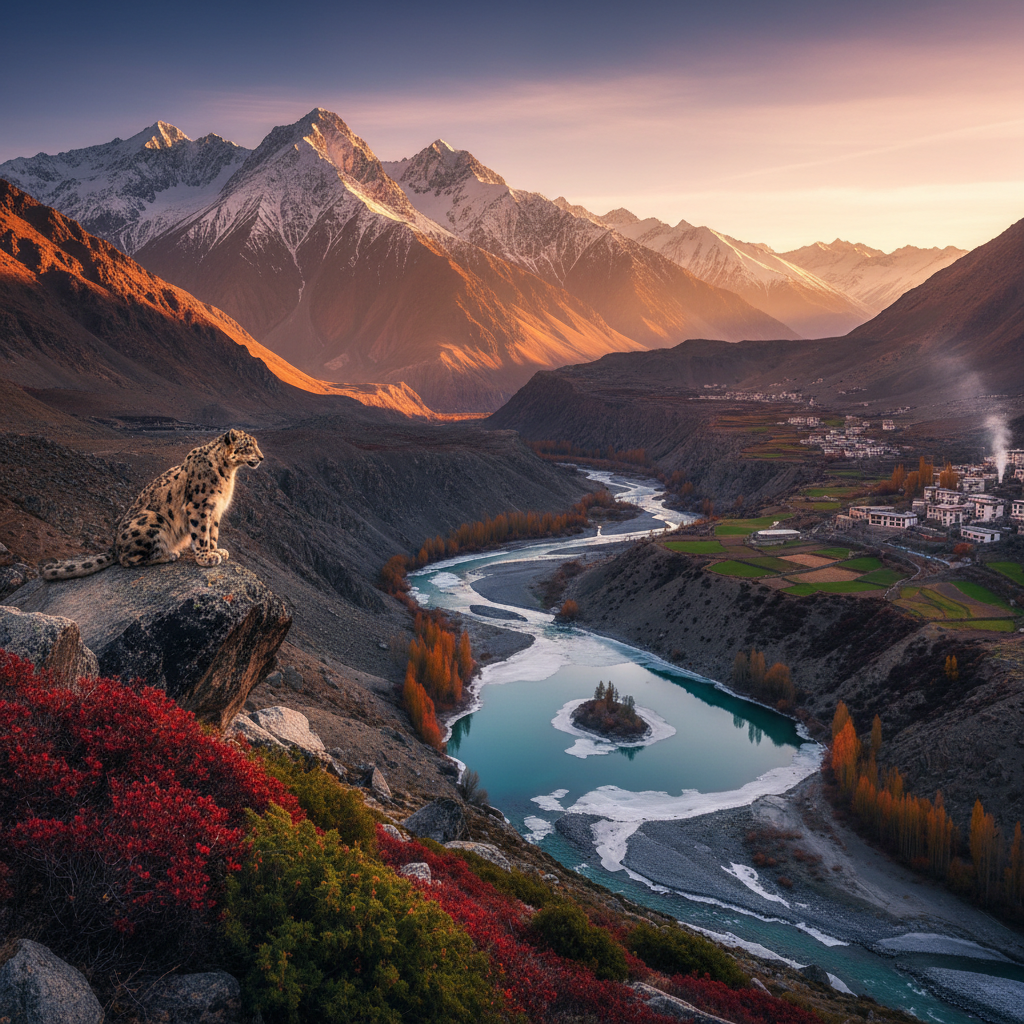
Ladakh, often called 'The Last Shangri-La' or 'Little Tibet,' is a high-altitude desert renowned for its stark beauty, ancient monasteries, and unique culture. But for a select few, its real allure lies in the chance to witness one of the planet's most magnificent and enigmatic creatures: the snow leopard. These 'ghosts of the mountains' are perfectly adapted to the harsh, cold environment, with thick fur, powerful limbs, and an incredible camouflage that makes spotting them a true challenge and an unforgettable privilege. Unlike a typical safari, snow leopard spotting in Ladakh is not about ticking off an animal from a list. It's an immersive, often arduous journey into their pristine habitat, requiring patience, respect for nature, and a bit of luck. This guide is designed to prepare you for such an expedition, detailing the best practices, locations, and timings to maximize your chances of an encounter while ensuring a responsible and ethical experience. Mid Holidays, with our deep local roots and experienced guides, understands the nuances of such a specialized trip, ensuring your adventure is both thrilling and sustainable.
Best Time and Season for Snow Leopard Spotting
The prime window for snow leopard spotting in Ladakh is during the harsh winter months, specifically from late November to early March. During this period, heavy snowfall at higher altitudes drives the snow leopards, and their primary prey such as the Himalayan blue sheep (Bharal) and Asiatic ibex, down to lower elevations in search of food. This migration to accessible valleys and slopes significantly increases the chances of a sighting. The colder it is, and the more snow there is, the better your odds. Temperatures can plummet well below freezing, often ranging from -15°C to -30°C, so proper extreme cold weather gear is not just recommended, but essential for survival and comfort. While the winter conditions are challenging, the stark, snow-covered landscapes create a dramatic backdrop for photography and offer an unparalleled sense of wilderness. Early mornings and late afternoons are typically the most active times for snow leopards, as they hunt during these cooler periods. Planning your trip within this specific winter window is crucial for a successful snow leopard expedition.
Key Locations: Hemis National Park and Surrounding Valleys
The undisputed heartland for snow leopard sightings in Ladakh is Hemis National Park, one of India's largest national parks and a high-altitude sanctuary specifically established to protect these majestic felines and their prey. Within Hemis, the valleys of Rumbak, Husing, Neb, and Tarbungs are particularly renowned. These areas offer excellent opportunities due to their abundant prey populations and the presence of experienced local spotters and guides who know the terrain intimately. Beyond Hemis, other promising areas include the Markha Valley, which traverses parts of the national park, and parts of the Sham Valley. While the exact location of a sighting can never be guaranteed, focusing your efforts in these well-known habitats, especially around areas where Bharal and ibex herds are active, significantly boosts your chances. Staying in local homestays within these villages, such as Rumbak or Zingchen, provides not only an authentic cultural experience but also puts you right in the heart of snow leopard territory, allowing for early starts and immediate access to prime viewing spots.
Planning Your Expedition: Permits, Guides, and Logistics
A snow leopard expedition to Ladakh requires meticulous planning. Firstly, Inner Line Permits (ILPs) are mandatory for all foreign nationals and some Indian states to visit certain protected areas, including parts of Hemis National Park. These can be obtained online or through registered tour operators. Secondly, engaging an experienced local guide and spotter is non-negotiable. Their knowledge of the terrain, animal behaviour, and local conditions is invaluable. They possess the keen eyesight and tracking skills developed over generations, significantly increasing your chances of a sighting. Many guides also carry powerful spotting scopes, which are essential for viewing these camouflaged animals from a distance. Accommodation during a snow leopard trip is typically in traditional Ladakhi homestays in villages like Rumbak or Zingchen. These offer basic but warm and hospitable lodging, allowing you to experience local culture firsthand. Meals are usually simple, hearty Ladakhi fare. Transport from Leh to the trailheads, such as Zingchen, is typically by private vehicle, followed by treks on foot into the valleys. Given the remote nature and challenging conditions, having all logistics handled by a reputable operator like Mid Holidays ensures a smooth and safe trip.
A Typical Snow Leopard Spotting Itinerary (7-10 Days)
A typical snow leopard expedition is not a quick trip; it's an investment of time and patience, usually spanning 7 to 10 days to allow for acclimatization and ample tracking opportunities. Day 1-2: Arrive in Leh (3,500m / 11,500 ft) and focus solely on acclimatization to the high altitude. Explore Leh market and monasteries gently. Day 3: Drive to Zingchen (approx. 1 hour from Leh) and trek into Rumbak Valley (approx. 3-4 hours trek), settling into your homestay. Day 4-8: Dedicate these days entirely to tracking snow leopards. This involves daily treks from your homestay, often covering several kilometres over challenging, snow-covered terrain, accompanied by your guide and spotters. You'll spend hours patiently scanning ridges and valleys with binoculars and scopes, waiting for that magical moment. Your guide will interpret tracks, scat, and other signs of wildlife. Day 9: Trek back to Zingchen and drive to Leh. Day 10: Depart from Leh. This itinerary is flexible, adjusting daily based on wildlife movements, weather conditions, and group fitness. The focus remains on immersing yourself in the environment and patiently searching for the 'ghosts' rather than rushing between locations. The cost for such an itinerary, including permits, guide, food, accommodation, and transport from Leh, can range from INR 1,50,000 to INR 2,50,000 per person for a group of 2-4, depending on the level of service and duration.
Essential Gear and Packing List for Winter Ladakh
Packing for a winter snow leopard expedition to Ladakh is critical for comfort, safety, and enjoyment. Layering is key due to fluctuating temperatures. Start with thermal base layers (merino wool is excellent), followed by mid-layers like fleece jackets, and then a waterproof and windproof outer shell jacket and trousers (gore-tex or similar). Don't forget an extra warm down jacket for evenings and early mornings. For footwear, sturdy, waterproof, insulated trekking boots are a must, along with multiple pairs of wool socks. Accessories include a warm woolly hat, neck gaiter, and at least two pairs of gloves (thin inner gloves and thick outer waterproof mittens). Other essentials are a high-quality pair of binoculars (8x42 or 10x42), a powerful spotting scope (provided by most guides but good to know), sunglasses, high SPF sun cream, lip balm, a headlamp with extra batteries, a small daypack, and a refillable water bottle (hot water will be provided). A personal first-aid kit with basic medications for headaches, altitude sickness, and minor injuries is also important. Remember that temperatures are extreme, so prioritize warmth and protection over fashion.
Safety, Acclimatization, and Responsible Wildlife Viewing
Safety is paramount in high-altitude environments. Acclimatization is non-negotiable; spend at least 2 full days in Leh upon arrival before venturing higher. Stay hydrated, avoid alcohol and strenuous activity during acclimatization. Inform your guide immediately if you experience symptoms of Acute Mountain Sickness (AMS). Responsible wildlife viewing means maintaining a respectful distance from the animals, never disturbing their natural behaviour, and minimizing your impact on their habitat. Never attempt to approach a snow leopard, and always follow your guide's instructions. Keep noise to a minimum and avoid bright clothing. Support local communities by choosing homestays and local guides. Do not leave any trash behind. Remember, you are a visitor in their home. The goal is to observe, appreciate, and contribute to their conservation, not to interfere. Mid Holidays emphasizes ethical tourism, ensuring that your adventure benefits both you and the fragile Ladakhi ecosystem. Photography should be done with long lenses to avoid close encounters, and flash photography should be avoided at all times.
Beyond the Leopard: Cultural Encounters and Winter Landscapes
While the snow leopard is undoubtedly the star attraction, a winter trip to Ladakh offers so much more. The pristine, snow-laden landscapes are breathtakingly beautiful, transforming the rugged mountains into a silent, ethereal wonderland. The frozen rivers, especially parts of the Zanskar (famous for the Chadar Trek), and snow-dusted monasteries perched on hillsides create surreal photographic opportunities. This season also offers a unique glimpse into Ladakhi winter life. You'll experience the warmth of Ladakhi hospitality in traditional homestays, sharing meals and stories with local families. The pace of life slows down significantly, allowing for deeper cultural immersion. You might witness local festivals if your timing aligns, or simply enjoy the quiet contemplation offered by the monasteries like Hemis, Thiksey, or Diskit, which remain open. Beyond the snow leopard, keep an eye out for other fascinating winter wildlife such as the Himalayan wolf, red fox, Eurasian lynx, golden eagle, and various migratory birds. This journey is a holistic experience, blending thrilling wildlife tracking with rich cultural exchange and awe-inspiring natural beauty. For an adventure that combines wildlife with the soul of Ladakh, explore Mid Holidays' specialized winter tours.
Related Kashmir Guides & Services
<p>Planning the rest of your trip? These Mid Holidays guides pair well with this article:</p><ul><li><a href="/blog/leh-ladakh-best-time-to-visit-month-wise">Leh Ladakh Best Time to Visit Month-Wise: Your Ultimate Guide</a></li><li><a href="/blog/ladakh-7-days-itinerary-ultimate-guide">Ladakh 7-Days Itinerary: Your Ultimate Adventure Guide by Mid Holidays</a></li><li><a href="/blog/kashmir-snowfall-time-guide-best-season">Kashmir Snowfall Time Guide: Best Season & Planning Your Trip</a></li><li><a href="/blog/how-to-plan-kashmir-trip-mid-holidays">How to Plan Kashmir Trip: Your Ultimate Guide by Mid Holidays</a></li><li><a href="/blog/stok-kangri-trek-guide">Stok Kangri Trek Guide: Conquering Ladakh's Iconic Peak</a></li></ul>
Frequently Asked Questions
How likely am I to actually see a snow leopard in Ladakh?
Spotting a snow leopard is incredibly challenging due to their elusive nature and perfect camouflage. While dedicated expeditions significantly increase your chances, it's never guaranteed. Patience, a good local guide, quality optics, and spending sufficient time in prime habitats during winter (late November to early March) are key factors that improve your odds. Many visitors do succeed, but a 'guarantee' is impossible with truly wild animals.
What kind of physical fitness is required for a snow leopard trip?
A moderate to good level of physical fitness is required. You'll be trekking daily for several hours over uneven, often snow-covered or icy terrain at high altitudes (3,500m to 4,500m). Prior trekking experience and regular exercise to improve cardiovascular endurance are highly recommended. While strenuous, the pace is generally slow, prioritizing acclimatization and careful navigation.
What is Acute Mountain Sickness (AMS) and how can I prevent it?
Acute Mountain Sickness (AMS) is a common condition at high altitudes, characterized by headaches, nausea, dizziness, and fatigue. To prevent it, acclimatize properly by spending at least two full days resting in Leh upon arrival. Stay hydrated, avoid alcohol and smoking, and don't exert yourself too much initially. Descend immediately if symptoms worsen, as it can be life-threatening.
Are homestays comfortable and what amenities can I expect?
Homestays in Ladakhi villages are basic but offer a warm, authentic cultural experience. You can expect simple, clean rooms, usually with mattresses on the floor and thick blankets. Heating often comes from a bukhari (wood-burning stove) in the common area, making rooms chilly at night. Toilets are typically dry pits or basic compost toilets, and running water for bathing is scarce in winter. Expect hearty local meals prepared by your hosts.
What are the common challenges faced during a snow leopard expedition?
The main challenges include extreme cold temperatures (often below -20°C), the physical demands of high-altitude trekking in snow, the constant threat of AMS, and the sheer patience required to spot the elusive animal. Limited amenities in remote areas and unpredictable weather conditions can also add to the difficulty. Proper preparation and a flexible mindset are crucial.
Can I bring my own spotting scope or binoculars?
Yes, absolutely! While most reputable guides and tour operators will provide high-quality spotting scopes, having your own pair of good binoculars (8x42 or 10x42) is highly recommended for personal scanning and observation. Ensure they are robust and suitable for cold weather. Your guide will appreciate having extra pairs for the group.
What is the role of a local guide and spotter in this trip?
A local guide and spotter are indispensable. They possess intimate knowledge of the terrain, animal behavior, and tracking skills passed down through generations. They can identify subtle signs like footprints, scat, and prey movements. Their sharp eyes, often aided by powerful scopes, significantly increase your chances of spotting a snow leopard and ensure your safety in the challenging environment.
Is snow leopard tourism helping or harming the species?
Responsible snow leopard tourism, when managed ethically, can significantly contribute to conservation efforts. It provides economic incentives for local communities to protect the habitat and the leopards themselves, shifting perspectives from hunting to preservation. It also funds research and anti-poaching initiatives. Choosing operators committed to sustainable practices, like Mid Holidays, is crucial to ensure positive impact.