Ladakh Nomadic Changpa Culture Guide: A Journey with Mid Holidays
Cultural Travel Guide
Explore Ladakh's nomadic Changpa culture with Mid Holidays. This guide covers traditions, lifestyle, best times to visit, and how to respectfully engage…
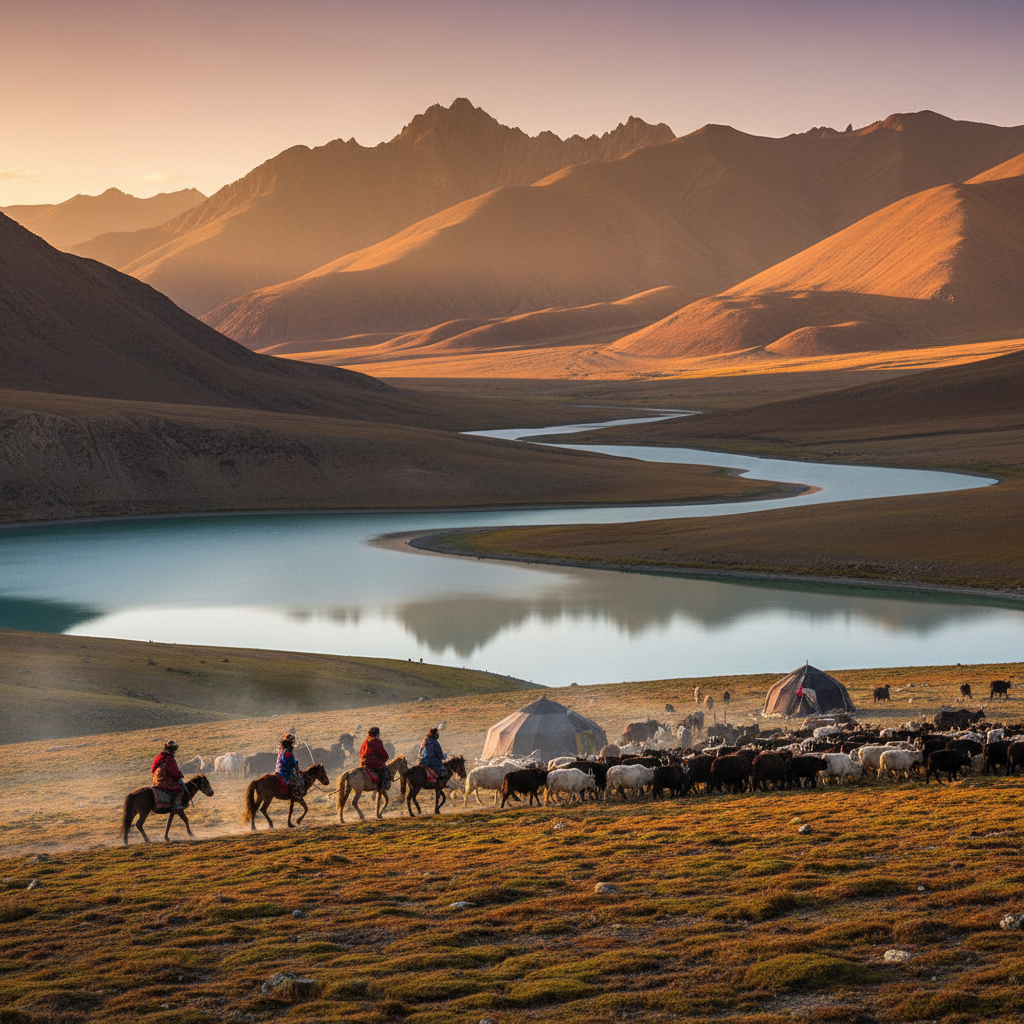
Unveiling the Enduring Spirit of Ladakh's Nomadic Changpa Culture
Ladakh, a land often called 'Little Tibet', is home to a myriad of vibrant cultures, but perhaps none are as captivating and resilient as that of the nomadic Changpa community. These hardy pastoralists, known for their distinctive way of life and mastery over the harsh high-altitude environment, inhabit the vast, windswept plains of the Changthang plateau, primarily in eastern Ladakh. Their existence is intrinsically linked to their prized livestock, particularly the Changra goat, the source of the world-renowned Pashmina wool. For centuries, the Changpa have migrated seasonally, following ancient routes in search of pasture for their herds, their iconic 'rebo' tents dotting the stark landscape. This guide from Mid Holidays aims to offer a respectful and insightful look into their unique culture, providing practical advice for travellers seeking an authentic immersion while ensuring minimal disruption to their traditional ways. Understanding their deep connection to the land and their animals is key to appreciating the Changpa way of life, a testament to human adaptability and resilience in one of the planet's most challenging environments.
Life on the Changthang Plateau: A Nomadic Existence
The heart of Changpa culture beats on the Changthang plateau, a cold desert region averaging over 14,000 feet (4,200 meters) in elevation. Life here is dictated by the seasons and the needs of their animals. Their settlements are not permanent; instead, they live in portable black yak-hair tents called 'rebos', which can be dismantled and reassembled within hours. A typical 'rebo' is a marvel of indigenous engineering, offering shelter from the biting winds and extreme temperatures. Inside, a small stove provides warmth, and sleeping areas are arranged around the perimeter. The family's entire existence revolves around their livestock – mainly Pashmina goats, yaks, and sheep. These animals provide milk, meat, wool, and transportation, forming the bedrock of their economy and daily sustenance. Children grow up learning the ancient skills of herding, milking, and processing wool, ensuring the continuity of their ancestral traditions. This constant movement, driven by the search for optimal grazing, fosters a strong sense of community and self-reliance among the Changpa, who often live miles from the nearest village.
The Priceless Pashmina: Core of the Changpa Economy
The Changpa are globally recognised for their role in producing Pashmina, one of the finest and most luxurious natural fibres. The Changra goat, indigenous to this high-altitude region, develops an incredibly soft undercoat as protection against the harsh winter cold. This undercoat is meticulously hand-combed from the goats in spring, a labour-intensive process that yields small quantities of raw wool. This raw Pashmina is then either traded directly with merchants or spun and woven by Changpa women into exquisite shawls and textiles. The sale of Pashmina is the primary source of income for most Changpa families, enabling them to purchase necessities not readily available on the plateau. The quality of Pashmina is directly linked to the extreme cold, meaning the colder the winter, the finer and more abundant the undercoat. This deep economic connection to their livestock underscores the sustainable and symbiotic relationship the Changpa have with their environment, making them custodians of this precious resource.
Respectful Cultural Immersion: How to Engage with the Changpa
For travellers wishing to experience Changpa culture, respectful engagement is paramount. Firstly, always seek permission before taking photographs, especially of people, and be prepared for them to decline. A simple 'Julley' (hello/thank you) and a warm smile go a long way. If invited into a 'rebo', accept gracefully and perhaps offer a small, thoughtful gift like tea, sugar, or candles – avoid giving money directly. Observe their customs, such as sitting cross-legged and not pointing your feet towards anyone. Be mindful of their livestock; do not disturb the animals, especially the young ones. Sustainable tourism is key; choose tour operators like Mid Holidays who prioritise ethical interactions and contribute to local communities. Remember, you are a guest in their home and their way of life. By approaching with humility and genuine curiosity, you can have an incredibly enriching and unforgettable experience, gaining insights into a lifestyle far removed from urban complexities. Supporting local handicrafts, if available, is another excellent way to contribute directly to their economy.
Best Time to Visit Changthang and Practical Travel Tips
The best time to visit the Changthang region and potentially encounter Changpa nomads is during the warmer months, typically from June to September. During this period, the weather is milder, and the passes leading to the plateau, such as Chang La, are open. Outside of this window, heavy snowfall can make many areas inaccessible, and temperatures drop drastically. Expect cold nights even in summer, so layered clothing is essential. Altitude sickness (AMS) is a significant concern due to the high elevation; acclimatise properly in Leh for at least 2-3 days before venturing into Changthang. Carry sufficient water, snacks, and any necessary medications, as facilities are extremely limited. Permits, specifically the Inner Line Permit, are required for foreign nationals and sometimes for Indian citizens for certain areas of Changthang. These can be obtained online or through a registered travel agent in Leh. While some areas might have limited guesthouses, staying with a Changpa family in a homestay situation is rare and should only be facilitated through responsible tour operators who have established connections and protocols for such interactions. Always travel with a local guide who understands the nuances of the region and its people.
Challenges and the Future of Changpa Nomadic Life
The Changpa nomads face numerous challenges in preserving their traditional way of life. Climate change is impacting grazing patterns, with unpredictable weather and diminishing pastures. Increased modernisation, access to education, and aspirations for a different life are drawing younger generations towards urban centres like Leh, leading to a decline in those pursuing nomadic pastoralism. Government policies, while sometimes aiming to support, can inadvertently disrupt their traditional practices. Furthermore, the growing influx of tourism, if not managed sustainably, poses a threat to their cultural integrity and pristine environment. Despite these pressures, the Changpa demonstrate remarkable resilience. Many continue to uphold their traditions, and efforts are underway by local organisations and responsible tourism initiatives to empower them and find ways to integrate their ancient wisdom with modern needs. The future of Changpa culture depends on a delicate balance of adaptation, preservation, and thoughtful engagement from the outside world, ensuring their unique heritage continues to thrive amidst the changing landscapes of Ladakh.
Planning Your Changthang Journey with Mid Holidays
Embarking on a journey to the Changthang region to experience the Changpa culture requires careful planning and a responsible approach. Mid Holidays, with our deep local roots and commitment to sustainable tourism, can help you craft an itinerary that offers an authentic and respectful cultural immersion. We work with local guides who have strong community ties, ensuring your visit benefits the Changpa people directly. Our packages typically include acclimatisation days in Leh, necessary permits, appropriate transportation for the rugged terrain, and accommodations that prioritise local experiences. While direct homestays within 'rebos' are rare and delicate to arrange, we can facilitate interactions in a way that respects their privacy and daily routines. From understanding the nuances of Pashmina rearing to witnessing their annual rituals, Mid Holidays ensures your adventure into the heart of Ladakh's nomadic Changpa culture is not just a trip, but a truly meaningful and responsible expedition. Let us help you navigate this incredible landscape and connect with its enduring people.
Related Kashmir Guides & Services
<p>Planning the rest of your trip? These Mid Holidays guides pair well with this article:</p><ul><li><a href="/blog/best-month-to-visit-gurez-valley">Best Month to Visit Gurez Valley: Your Ultimate Mid Holidays Guide</a></li><li><a href="/blog/leh-to-chang-la-taxi-service">Leh to Chang La Taxi Service: Your Ultimate High-Altitude Journey Guide</a></li><li><a href="/blog/kashmir-in-march-spring-travel-guide">Kashmir in March: Your Ultimate Spring Travel Guide | Mid Holidays</a></li><li><a href="/blog/leh-ladakh-best-time-to-visit-month-wise">Leh Ladakh Best Time to Visit Month-Wise: Your Ultimate Guide</a></li><li><a href="/blog/kashmir-summer-vs-winter-travel-guide">Kashmir in Summer vs Winter: Which Season is Best For Your Trip?</a></li></ul>
Frequently Asked Questions
What is the primary occupation of the Changpa nomads?
The primary occupation of the Changpa nomads is pastoralism, specifically the rearing of livestock in the high-altitude Changthang plateau of Ladakh. Their herds primarily consist of Changra goats, which produce the fine Pashmina wool, as well as yaks and sheep. These animals are crucial for their economic sustenance, providing milk, meat, wool, and serving as beasts of burden for their seasonal migrations across the vast plateau.
What are 'rebos' and why are they important to the Changpa?
'Rebos' are the traditional black tents made from yak hair that serve as the portable homes for the Changpa nomads. These ingenious structures are vital because they can be easily dismantled and reassembled, allowing the Changpa to follow their herds across the Changthang plateau in search of fresh pastures. They provide essential shelter from the extreme weather conditions, including fierce winds and freezing temperatures, which are common in their high-altitude environment.
How can visitors ensure a respectful interaction with the Changpa community?
To ensure respectful interaction, visitors should always ask for permission before taking photographs, especially of individuals. Offering a sincere 'Julley' (hello/thank you) and a friendly smile is appreciated. If invited into a 'rebo', accept gracefully and consider a small, practical gift like tea or candles. Maintain a quiet demeanor, avoid disturbing livestock, and understand that you are guests in their traditional homeland. Engaging through a responsible local guide is highly recommended.
What are the main challenges faced by the Changpa nomads today?
The Changpa nomads face several significant challenges. Climate change impacts grazing lands and water availability, affecting their livestock. Modernisation and the allure of urban life lead some younger generations to leave traditional pastoralism. There are also pressures from increasing tourism, which, if not managed sustainably, can disrupt their way of life and environment. Balancing tradition with the need for adaptation is a constant struggle for their community.
Is it possible to experience a homestay with a Changpa family?
Direct homestays within a Changpa 'rebo' are generally rare and require careful, ethical arrangements. Their nomadic lifestyle means they are constantly moving, and their living spaces are typically private family units. While some responsible tour operators with established community relationships might facilitate brief, respectful interactions or even rudimentary stays in specific, more settled areas, it is not a common or easily arranged tourist activity. Prioritise responsible tour companies like Mid Holidays for such sensitive cultural experiences.
What specific preparations are needed for visiting the Changthang region?
Visiting Changthang requires thorough preparation. Due to the high altitude (over 14,000 feet), acclimatisation in Leh for at least 2-3 days is crucial to prevent altitude sickness. Essential packing includes warm layered clothing, a good quality sleeping bag (even in summer), sunscreen, sunglasses, and a first-aid kit. An Inner Line Permit is mandatory for most areas, which can be obtained online or through a travel agent. Always carry enough water, snacks, and fuel if travelling independently, as services are extremely limited.