Gujjar Tribe Culture Experience Guide: Immerse in Nomadic Kashmir
Cultural Travel Guide
Discover the unique Gujjar Tribe culture with our in-depth experience guide. Learn about their nomadic lifestyle, traditions, and how to respectfully engage…
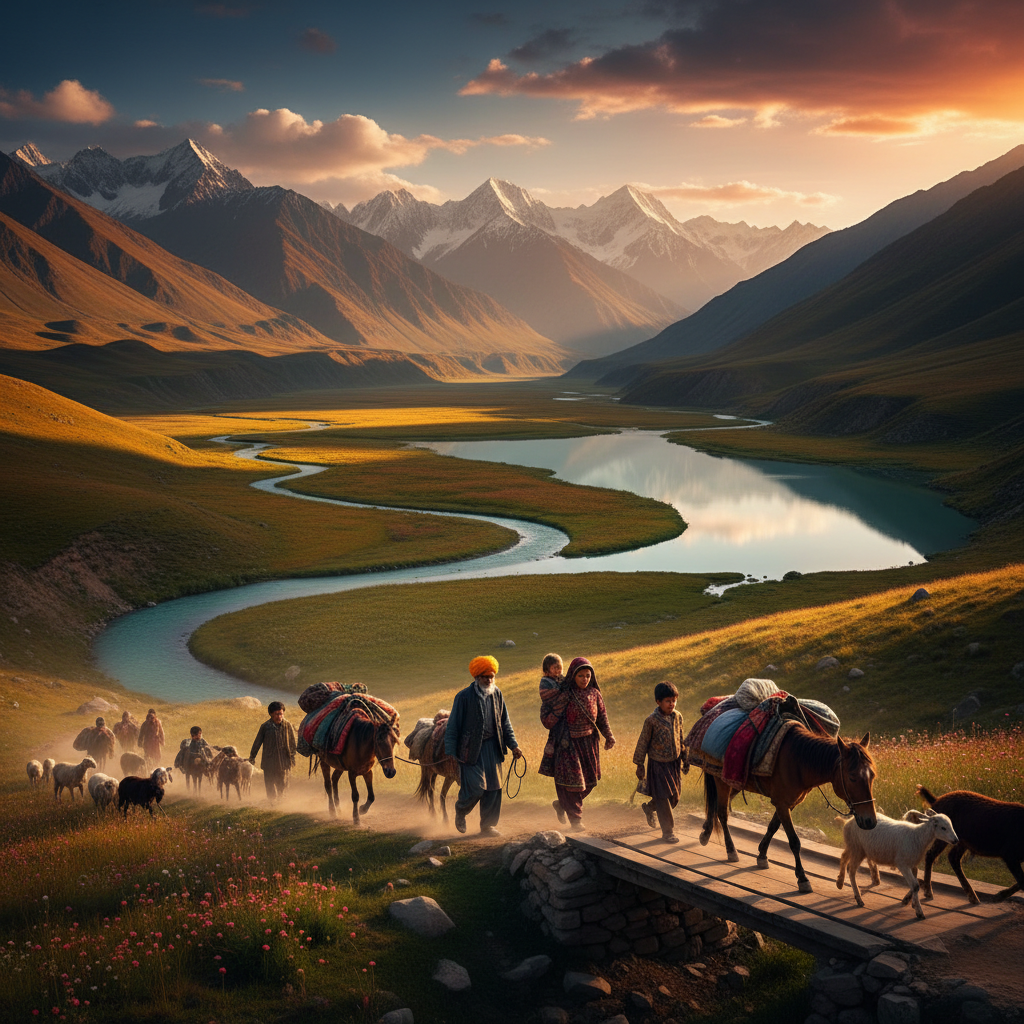
Embracing the Gujjar Tribe Culture: A Unique Kashmir Experience
Kashmir is often celebrated for its stunning landscapes, but beneath the surface of its valleys and mountains lies a vibrant tapestry of cultures, none more distinct than that of the Gujjar and Bakarwal tribes. These nomadic pastoral communities have traversed the Himalayas for centuries, maintaining a way of life deeply intertwined with nature and their livestock. This guide is designed for the curious traveler seeking more than just sightseeing; it's for those who wish to respectfully immerse themselves in a living, breathing culture. Engaging with the Gujjar tribe offers an unparalleled insight into Kashmir's heritage, traditions, and the resilience of its people. You'll learn about their seasonal migrations, their unique language (Gojri), their exquisite handicrafts, and their profound connection to the land. Unlike a typical tourist visit, experiencing Gujjar culture requires sensitivity, patience, and an open heart. It's not about pre-packaged tours, but about understanding and sharing moments. We'll delve into how you can ethically encounter this fascinating community, whether through specific homestays, guided treks into their summer pastures, or simply by observing their daily rhythms with respect. This journey promises to be one of the most authentic and enriching experiences you can have in Kashmir, leaving you with memories far beyond the scenic postcards. It's an opportunity to step outside your comfort zone and connect with humanity in a truly remarkable setting.
Understanding the Gujjar and Bakarwal Way of Life: Nomadic Rhythms
The Gujjar and Bakarwal are primarily pastoral communities, meaning their lives revolve around herding livestock, mainly sheep, goats, and buffalo. This dictates their fascinating nomadic lifestyle. As winter snows begin to melt in the lower plains of Jammu, around April-May, the tribes commence their arduous journey upwards, often walking hundreds of kilometers with their entire families and herds to the high-altitude meadows (known as 'margs') of Kashmir. Here, they spend the summer months, allowing their animals to graze on rich, nutritious grasses. As autumn approaches, typically around September-October, they begin their descent back towards the warmer regions, reversing their journey. This seasonal migration is known as 'transhumance' and is a deeply ingrained part of their identity and survival. Their temporary dwellings, called 'kothas' (mud and timber huts) or 'dhoks' (tents made from woven goat hair), dot the landscape during their stay. This cyclical movement ensures the well-being of their livestock and, consequently, their own sustenance. Understanding this fundamental rhythm is key to appreciating their culture and resilience.
Best Time and Seasons for Cultural Engagement
The optimal time to experience Gujjar tribe culture closely aligns with their nomadic movements. The peak season for interacting with them in their summer pastures is from late May to early September. During these months, the Gujjars and Bakarwals are settled in the high meadows of Kashmir, such as those around Gulmarg, Sonamarg, Yusmarg, and beyond into more remote regions like Doodhpathri or Gurez Valley. The weather is generally pleasant, making trekking and outdoor interactions comfortable. You'll find their dhoks and kothas in these areas, and witnessing their daily routines – milking, herding, making traditional butter or cheese – is a common sight. Visiting during this period offers the best chance for sustained interaction. As a licensed tour operator, Mid Holidays often includes opportunities to encounter these communities during our trekking packages or offbeat explorations. We prioritize respectful engagement, often arranging for our guides to facilitate brief, polite interactions. The shoulder months of April and October might offer glimpses of them during their migration, but these encounters are typically fleeting as they are on the move. Winter is generally not suitable for direct interaction, as most migrate to lower altitudes or more inaccessible areas.
Planning Your Gujjar Cultural Experience: Routes and Stays
Directly 'booking' a Gujjar cultural experience isn't like reserving a hotel; it’s about respectful integration. The most authentic way to experience their culture is through responsible trekking or specifically organized homestay experiences with local communities who have established relationships with Gujjar families. While direct homestays with nomadic Gujjars in their dhoks are rare and should always be facilitated by a trusted local, some villages on their migratory routes offer cultural exchange opportunities. Areas like Yusmarg, Doodhpathri, and certain parts of the Gurez Valley often have Gujjar settlements or summer pastures nearby where respectful interactions are possible. If you plan a trek, particularly multi-day hikes in regions like the Kashmir Great Lakes Trek or trails around Sonamarg and Pahalgam, you are very likely to encounter Gujjar and Bakarwal encampments. Your local guide can help facilitate a polite exchange, perhaps sharing a cup of chai or observing their crafts. Remember, these are not tourist attractions but living communities. Always seek permission before taking photographs, and respect their privacy. Mid Holidays can advise on treks where such encounters are common and facilitate respectful interactions through our experienced local guides.
Budgeting for Your Cultural Immersion: Realistic Costs
The cost of a Gujjar cultural experience isn't typically itemized separately, as it's often integrated into a broader trekking or offbeat Kashmir tour. However, there are considerations for budgeting. A guided trek, which offers the best chance for authentic encounters, can range from INR 2,500 to INR 6,000 per person per day, depending on the trek's duration, remoteness, and inclusions (guide, porter, camping gear, food). This cost primarily covers logistics rather than a direct payment for cultural interaction. When you encounter Gujjar communities, it's customary to offer small, thoughtful gestures rather than direct monetary payments. These could include purchasing a small handmade item, offering basic provisions like tea, sugar, or biscuits, or even small gifts for children (always cleared with adults first). Budget around INR 500-1000 for such gestures per trip. If you arrange a facilitated homestay or a specific cultural visit through a local contact, expect to pay a fair amount for lodging and food, perhaps INR 1,500-3,000 per night, which directly supports the host family. Always clarify costs beforehand with your local facilitator or tour operator like Mid Holidays to ensure transparency and fairness.
Respectful Engagement and Local Etiquette
Respect is paramount when interacting with the Gujjar tribe. Their hospitality is legendary, but it must be met with sensitivity. Always approach their encampments or individuals with a friendly greeting, such as 'Assalamu Alaikum' (peace be upon you). Do not enter their kothas or dhoks without explicit invitation. Photography, especially of women and children, should always be done only after seeking and receiving clear permission. A simple gesture asking 'Photo le sakta hoon?' (Can I take a photo?) often works. Dress modestly, covering shoulders and knees, as this is a conservative society. Avoid public displays of affection. If you are offered food or chai, accept it graciously. While they may not expect anything in return, a small token of appreciation, as discussed in the budgeting section, is always thoughtful. Remember, you are a guest in their living space and culture. Be patient, observe more than you speak, and listen to their stories if they wish to share them. Your respectful demeanor will open doors to genuine connections and a deeper understanding of their incredible way of life.
What to Pack for Your Gujjar Cultural Immersion
Packing for a Gujjar cultural experience, especially if it involves trekking, requires practical considerations. Comfort and modesty are key. Essential clothing includes loose-fitting, long-sleeved shirts and trousers made of breathable fabric, suitable for varying mountain weather. A warm jacket or fleece is crucial, even in summer, as evenings can be chilly in the high altitudes. Rain gear (waterproof jacket and trousers) is highly recommended, as mountain weather can be unpredictable. Sturdy, broken-in trekking shoes are a must, along with extra socks. Beyond clothing, carry a small backpack with essentials: a water bottle (preferably reusable), basic first-aid kit (band-aids, antiseptic, pain relievers), sunscreen, insect repellent, a hat, and sunglasses. A headlamp or flashlight is invaluable. Consider carrying a power bank for your phone. For cultural interactions, a small notebook and pen might be useful for jotting notes or learning a few Gojri words. If you plan to offer small gifts, consider items like basic stationery for children, non-perishable food items, or simple medicines. Always pack light but efficiently, keeping in mind that you might be carrying your own luggage on treks.
Common Mistakes to Avoid for a Meaningful Experience
To ensure your Gujjar cultural experience is meaningful and respectful, avoid several common pitfalls. First, do not treat the Gujjars as a tourist attraction or exotic spectacle. They are a community living their daily lives, not performing for visitors. Avoid being intrusive, loud, or demanding. Second, never offer direct cash handouts unless it's in exchange for a service (like buying a product) or part of a pre-arranged, facilitated homestay payment. Random cash can disrupt their social fabric and create dependency. Instead, consider thoughtful, practical gifts or purchases of their crafts. Third, do not disregard local customs or dress codes. Dressing immodestly or behaving inappropriately can cause offense. Fourth, avoid making assumptions or generalizing about their way of life. Each family and individual has their unique story. Listen, learn, and be open-minded. Fifth, never leave behind litter. The pristine mountain environment is their home and livelihood. Carry out everything you carry in. Finally, do not venture into remote areas without an experienced local guide. This ensures your safety and helps facilitate proper cultural introductions. Mid Holidays emphasizes responsible tourism, guiding you to avoid these mistakes for an enriching journey.
Related Kashmir Guides & Services
<p>Planning the rest of your trip? These Mid Holidays guides pair well with this article:</p><ul><li><a href="/blog/pampore-saffron-fields-visit-guide">Pampore Saffron Fields Visit Guide: Kashmir's Golden Bloom</a></li><li><a href="/blog/kishtwar-travel-guide-kashmir-hidden-paradise">Kishtwar Travel Guide: Explore Kashmir's Hidden Paradise with Mid Holidays</a></li><li><a href="/blog/10-mistakes-tourists-make-in-kashmir-avoid-these">10 Mistakes Tourists Make in Kashmir: Avoid These for a Perfect Trip</a></li><li><a href="/blog/best-kashmiri-street-food-guide">Best Kashmiri Street Food Guide: A Local's Culinary Journey</a></li><li><a href="/blog/kashmir-shikara-festival-guide">Kashmir Shikara Festival Guide: Dates, Events & Local Tips 2026</a></li></ul>
Frequently Asked Questions
Who are the Gujjar and Bakarwal tribes?
The Gujjar and Bakarwal are nomadic pastoral communities primarily found in the Indian subcontinent, particularly in Jammu & Kashmir. They are known for their distinct culture, language (Gojri), and traditional transhumance lifestyle, migrating with their livestock (sheep, goats, buffalo) between seasonal pastures in the mountains and plains.
Is it safe to interact with the Gujjar tribe?
Yes, it is generally safe to interact with the Gujjar tribe. They are known for their hospitality and warmth. However, it's crucial to approach them with respect, observe local customs, and ideally, have a local guide facilitate initial introductions. Always prioritize safety and respectful engagement.
Do the Gujjars speak Hindi or English?
While many younger Gujjars, especially those who interact with the outside world, may understand some Hindi or even basic English, their primary language is Gojri. Learning a few basic Gojri greetings, like 'Assalamu Alaikum' (hello) or 'Meharbani' (thank you), can greatly enhance your interaction and show respect for their culture.
Can I stay overnight with a Gujjar family?
Overnight stays directly with nomadic Gujjar families in their high-altitude dhoks (tents) are rare and complex to arrange independently due to their transient nature and simple living conditions. It's best facilitated through trusted local guides or tour operators who have established relationships and can ensure respectful, mutually beneficial arrangements, often in more settled village communities.
What kind of gifts are appropriate for Gujjar communities?
Appropriate gifts are practical and non-monetary. Consider items like tea, sugar, biscuits, small stationery (pens, notebooks) for children, or basic medicines (e.g., pain relievers, antiseptic cream) which can be useful in remote areas. Always present gifts respectfully and discreetly, and avoid anything that might be seen as condescending or disrupt their self-sufficiency.
How can Mid Holidays help me experience Gujjar culture?
Mid Holidays specializes in authentic Kashmir experiences. While we don't offer specific 'Gujjar culture' packages, we often integrate respectful encounters with these communities into our trekking and offbeat tour itineraries. Our experienced local guides facilitate polite interactions, explain their way of life, and ensure that any engagement is culturally sensitive and beneficial for both parties. Contact us to discuss how we can tailor your trip to include such experiences.
Where are the best places to find Gujjar encampments?
During the summer months (May-September), you can find Gujjar and Bakarwal encampments in the high-altitude meadows (margs) of Kashmir. Popular areas include the trekking routes around Gulmarg, Sonamarg, Yusmarg, Doodhpathri, and more remote regions like parts of the Gurez Valley. Encounters are more likely during multi-day treks into these pristine grazing lands.
Are there any specific cultural events or festivals of the Gujjars?
The Gujjar and Bakarwal communities primarily follow Islamic traditions, and their festivals align with the Islamic calendar, such as Eid al-Fitr and Eid al-Adha. While they don't have large public 'festivals' in the tourist sense, their daily life, migrations, and community gatherings are rich in cultural significance, often marked by traditional music, dance, and storytelling within their close-knit groups.