Ladakh Photography Tour Guide: Capture the Himalayas with Mid Holidays
Photography Tour
Your ultimate Ladakh photography tour guide. Learn how to capture stunning Himalayan landscapes, monasteries, and culture with tips on gear, locations, and…
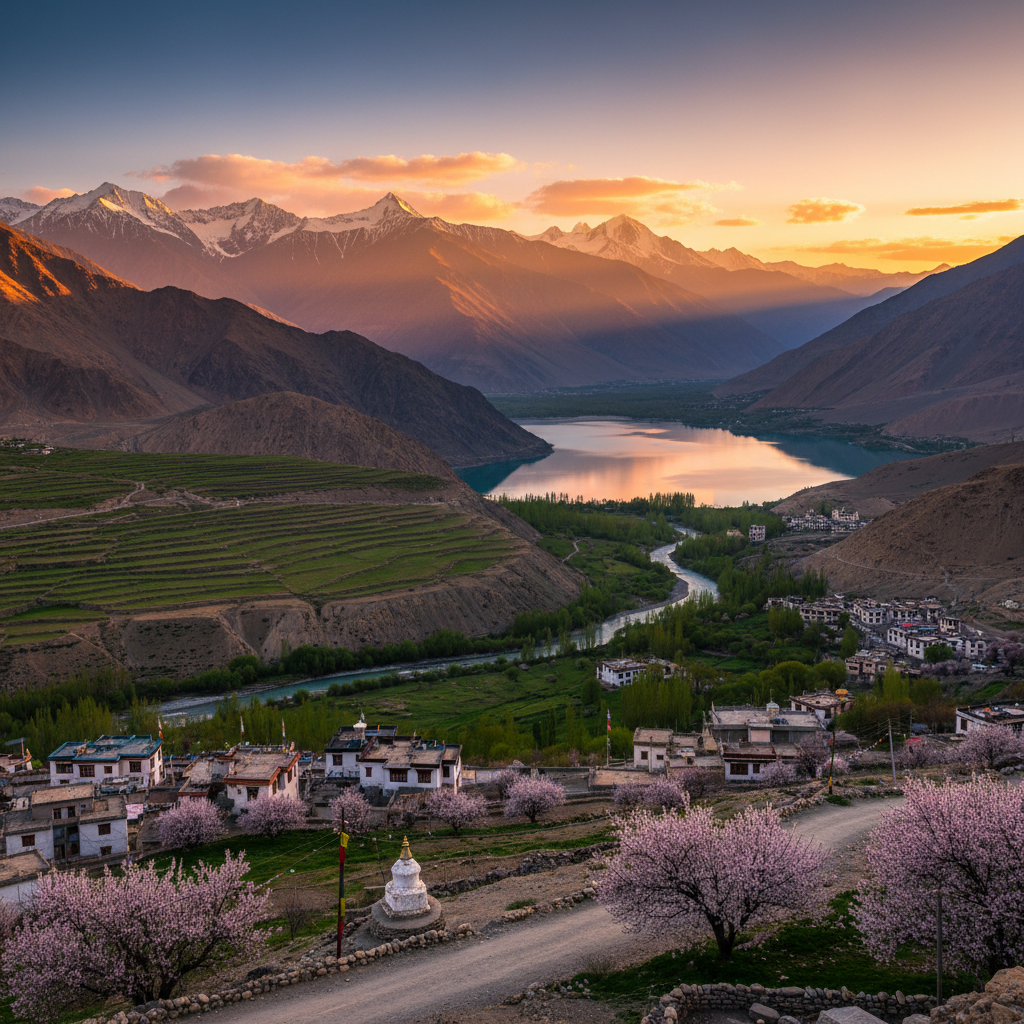
Your Ultimate Ladakh Photography Tour Guide: Framing the Himalayan Grandeur
Ladakh, often dubbed 'The Land of High Passes,' is a photographer's paradise, a canvas of raw, untamed beauty that beckons with its stark landscapes, vibrant culture, and dramatic skies. As senior travel editor and SEO strategist for Mid Holidays, I've spent countless hours traversing its mountain roads, capturing its essence through my lens. This guide is born from that first-hand experience, designed not just to tell you where to go, but how to see, how to feel, and ultimately, how to capture the soul of Ladakh in your photographs. From the otherworldly hues of Pangong Tso to the ancient grandeur of its monasteries, Ladakh offers an unparalleled visual feast. It's a place where every turn presents a new composition, every interaction a story waiting to be told. Whether you're a seasoned pro or an enthusiastic amateur, this guide will equip you with the knowledge to make your Ladakh photography tour truly unforgettable. We'll delve into the best locations, optimal timings, essential gear, and crucial preparation needed for high-altitude shooting, ensuring your images do justice to this magnificent region. Prepare to elevate your photography game amidst the breathtaking backdrop of the Indian Himalayas.
When to Go: Timing Your Ladakh Photography Expedition for Optimal Light and Scenes
Choosing the right time for your Ladakh photography tour is paramount, as each season paints the landscape in dramatically different hues and presents unique photographic opportunities. From late May to early July, Ladakh transitions from winter's embrace to a vibrant summer. The snow-capped peaks are still prominent, contrasting beautifully with emerging greenery in the valleys. This period is excellent for capturing melting glaciers, blooming wildflowers in lower altitudes, and the early rush of glacial rivers. The skies are generally clear, offering fantastic light for landscape shots, and the days are long. However, roads might still be opening up, especially passes like Khardung La and Chang La, so check road conditions closer to your travel date. The monsoon months of July and August, while bringing occasional light showers (Ladakh is a high-altitude desert, so heavy monsoon is rare), often result in dramatic cloud formations, moody skies, and richer, deeper blues in the lakes. The landscape takes on a softer, greener shade, and the interplay of light and shadow on the mountains can be spectacular. September and early October are arguably the best for photography. The skies are exceptionally clear, offering crisp views of the Himalayan ranges, and the trees in the valleys, particularly around Leh, begin to turn golden and crimson, providing a stunning autumnal palette. The air is cool and invigorating, and the tourist crowds start to thin, allowing for more serene shooting. While winter (November to April) offers surreal snowscapes, frozen rivers (like for the Chadar Trek), and unique cultural experiences, it demands specialised gear and expertise due to extreme cold and limited accessibility. For a general photography tour, aim for June to September.
Essential Gear for High-Altitude Photography in Ladakh
Ladakh's extreme conditions, from harsh sunlight to high altitudes and fluctuating temperatures, demand careful consideration for your photography gear. A full-frame or APS-C DSLR/mirrorless camera is recommended for image quality and low-light performance, especially for astrophotography. Lenses are critical: a wide-angle lens (14-24mm or 16-35mm) is indispensable for expansive landscapes, monasteries, and starry skies. A versatile mid-range zoom (24-70mm or 24-105mm) covers most general shooting, while a telephoto lens (70-200mm or 100-400mm) is excellent for wildlife, distant peaks, and compressing landscapes. Consider a fast prime lens (e.g., 50mm f/1.8 or f/1.4) for portraits or very low-light conditions. Crucially, bring a sturdy tripod for sharp landscapes, long exposures of waterfalls, and absolutely essential for astrophotography under Ladakh's pristine dark skies. Graduated Neutral Density (GND) filters and a Circular Polariser (CPL) will help manage the bright skies and intense reflections, especially around lakes. Pack plenty of spare batteries, as cold weather drains them faster, and multiple high-capacity memory cards. A remote shutter release is useful for long exposures. Don't forget a camera bag that is robust, weather-sealed, and comfortable for carrying over varied terrain. Cleaning supplies (lens cloth, air blower) are vital to keep dust and grime off your sensors and lenses. Finally, protect your gear from dust and moisture with rain covers or plastic bags, especially when traversing unpaved roads.
Capturing the Landscapes: Top Photographic Locations and Angles
Ladakh's landscapes are the star of any photography tour. Start with Pangong Tso, the iconic lake whose waters shift from azure to emerald, offering endless compositions. Arrive early morning for soft light and fewer crowds, or stay until sunset to capture the dramatic sky reflecting on the surface. The high passes like Khardung La and Chang La provide panoramic views of snow-capped peaks and winding roads – try long exposure shots of vehicle trails if possible. The dramatic confluence of the Indus and Zanskar rivers near Nimmu presents a striking contrast of colours, best captured from an elevated viewpoint. For stark, moon-like landscapes, head to Lamayuru, especially around sunrise or sunset when the soft light sculpts the unique 'Moonland' formations. The Nubra Valley, with its expansive sand dunes at Hunder and the double-humped Bactrian camels, offers surreal desert-in-the-mountains scenes; experiment with leading lines created by the dunes. Don't forget the vibrantly coloured prayer flags, chortens, and stupas that pepper the landscape, adding cultural context and splashes of colour to your frames. Look for reflections, patterns, and leading lines that naturally occur in this magnificent terrain, and always seek out higher vantage points for sweeping vistas.
Monasteries and Culture: Documenting Ladakh's Spiritual Heart
Ladakh's rich Buddhist heritage is embodied in its ancient monasteries, offering unparalleled opportunities for cultural and architectural photography. Hemis Monastery, one of the largest and wealthiest, is a labyrinth of vibrant murals, prayer wheels, and colossal Buddha statues. Thiksey Monastery, with its tiered structure resembling the Potala Palace, is best photographed in the early morning light as monks gather for prayers, allowing you to capture both the grandeur of the architecture and the spirituality of monastic life. Likir Monastery, perched atop a hill, provides stunning views of the surrounding valley. Diskit Monastery in Nubra Valley boasts a colossal Buddha statue overlooking the valley, ideal for wide-angle shots at sunset. Inside, be respectful and often inquire about photography rules; flash is generally prohibited. Focus on capturing the details – the intricate thangkas, the flickering butter lamps, the expressions of the monks, and the rhythmic chanting. Beyond the monasteries, explore local villages like Alchi or Basgo for a glimpse into traditional Ladakhi life. Capture portraits of the welcoming locals (always ask for permission first), their traditional attire, and daily activities. Festivals like Hemis Tsechu, if your trip aligns, offer an explosion of colour, masked dances, and cultural vibrancy, providing a photographer's dream scenario. Remember to shoot with a sense of empathy and cultural sensitivity, respecting the sacredness of these spaces.
Astrophotography in Ladakh: Shooting the Milky Way and Starry Skies
Ladakh, with its high altitude, minimal light pollution, and clear, dry air, is one of the world's premier destinations for astrophotography. The sheer brilliance of the Milky Way, constellations, and shooting stars visible here is astounding. To capture this cosmic spectacle, a sturdy tripod, a wide-angle lens with a fast aperture (f/2.8 or wider), and a camera with good high ISO performance are essential. Manual mode is a must. Start with your aperture wide open (e.g., f/2.8), ISO between 3200-6400, and a shutter speed determined by the '500 Rule' (500 divided by your focal length for a full-frame sensor, or 300 for APS-C, to avoid star trails). For example, with a 16mm lens on a full-frame, your shutter speed would be around 30 seconds. Focus manually to infinity, often by finding a bright star or distant light source and zooming in on your live view. Prime locations include Pangong Tso, Tso Moriri, Hanle (which houses an Indian Astronomical Observatory and is a designated dark sky reserve), and remote areas of Nubra Valley. These spots offer wide-open skies and often interesting foregrounds like lakes or mountains to frame your shot. Shoot in RAW for maximum post-processing flexibility. Dress warmly, as night temperatures plummet, even in summer. Allow your eyes to adjust to the darkness for at least 15-20 minutes. Consider light painting a foreground element subtly with a flashlight for added depth. The new moon phase is ideal, ensuring the sky is as dark as possible. Be patient, experiment with settings, and be prepared to be awestruck by the celestial display above you.
Practical Tips for a Smooth and Safe Photography Tour
A successful Ladakh photography tour requires practical preparation beyond just camera gear. Acclimatisation to the high altitude is crucial to avoid Acute Mountain Sickness (AMS). Spend at least 1-2 days resting in Leh upon arrival, avoid strenuous activity, and stay hydrated. Your physical well-being directly impacts your ability to focus on photography. Transport within Ladakh is typically by hired taxi, shared jeeps, or motorbike. For photography, hiring a private taxi with a driver who understands photographers' needs (e.g., stopping at scenic spots, waiting for light) is highly recommended. Negotiate rates beforehand, which typically range from INR 2,500 to INR 6,000 per day depending on the route and vehicle type. Road conditions can be challenging, especially over passes, so be prepared for bumpy rides and potential delays. Always carry extra fuel if venturing into very remote areas like Hanle or Tso Moriri. Connectivity is limited; BSNL and Jio are the most reliable networks, primarily in Leh and some parts of Nubra Valley. In remote areas, expect no network. Carry offline maps. Food is generally simple but hearty – try local Ladakhi cuisine like Thukpa, Momos, and Skyu. Accommodation ranges from guesthouses in Leh (INR 1,500-4,000 per night) to basic homestays or tents in remote areas (INR 800-2,500 per night), where electricity might be intermittent. Carry power banks for charging devices. Always carry warm layers, even in summer, as temperatures drop significantly at night. Sunscreen, sunglasses, and a wide-brimmed hat are vital due to the intense UV radiation at altitude. Respect local customs and traditions, particularly in monasteries, and always ask before photographing people. A small first-aid kit with personal medications and AMS remedies is indispensable.
Crafting Your Ladakh Photography Itinerary with Mid Holidays
Designing an effective Ladakh photography itinerary involves balancing key photographic opportunities with acclimatisation and travel time. A typical 7-10 day itinerary allows for sufficient coverage. Day 1-2: Arrive in Leh, acclimatise, and explore local Leh Palace, Shanti Stupa for sunset shots, and Leh market for street photography. Day 3: Drive to Sham Valley – visit Magnetic Hill, Gurudwara Pathar Sahib, the Indus-Zanskar Confluence, and Alchi Monastery. The distinct geological formations and monastery architecture offer diverse shots. Day 4-5: Head to Nubra Valley via Khardung La. Spend a night in Hunder, focusing on sand dunes, Bactrian camels, and astrophotography. Explore Diskit Monastery for architectural and cultural shots. Day 6-7: Proceed to Pangong Tso via Chang La, spending a night by the lake for sunrise, sunset, and astrophotography. Capture the lake's changing colours and reflections. Day 8-9: Return to Leh, perhaps taking a detour to Hemis and Thiksey monasteries for comprehensive cultural coverage. Depending on your interest, an extension to Tso Moriri or Hanle is highly recommended for more remote landscapes and exceptional astrophotography. Mid Holidays specialises in crafting bespoke Ladakh photography tours, ensuring your itinerary is optimized for light, locations, and a comfortable pace, allowing you to focus purely on capturing stunning images. Our local expert guides understand photographers' needs, helping you discover hidden gems and providing insights into local life, making your photographic journey truly unique and hassle-free.
Related Kashmir Guides & Services
<p>Planning the rest of your trip? These Mid Holidays guides pair well with this article:</p><ul><li><a href="/blog/ladakh-bike-trip-guide-royal-enfield-routes-permits-tips">Ladakh Bike Trip Guide Royal Enfield: Routes, Permits & Tips</a></li><li><a href="/blog/leh-cab-service-reliable-journeys">Leh Cab Service: Your Guide to Reliable Journeys in Ladakh with Mid Holidays</a></li><li><a href="/blog/khardung-la-pass-complete-guide">Khardung La Pass Complete Guide: Conquering the Himalayan Giant</a></li><li><a href="/blog/leh-ladakh-best-time-to-visit-month-wise">Leh Ladakh Best Time to Visit Month-Wise: Your Ultimate Guide</a></li><li><a href="/blog/leh-to-chang-la-taxi-service">Leh to Chang La Taxi Service: Your Ultimate High-Altitude Journey Guide</a></li></ul>
Frequently Asked Questions
What kind of lenses are essential for a Ladakh photography trip?
For Ladakh, a versatile lens kit is key. A wide-angle lens (14-24mm or 16-35mm) is crucial for vast landscapes, monasteries, and astrophotography. A mid-range zoom (24-70mm) is excellent for general scenes and portraits. Consider a telephoto (70-200mm or beyond) for wildlife, distant peaks, and compressing landscapes. A fast prime lens (e.g., 50mm f/1.8) can also be useful for low-light situations and portraits.
How important is acclimatisation for photography in Ladakh?
Acclimatisation is extremely important. High altitude can lead to Acute Mountain Sickness (AMS), causing headaches, nausea, and fatigue, which will severely impact your ability to focus and enjoy photography. Plan for at least 1-2 full days of rest in Leh upon arrival, avoid overexertion, and stay hydrated. Your health directly affects your photographic output.
Can I do astrophotography anywhere in Ladakh?
While Ladakh generally has very dark skies, some locations are better than others. Remote areas away from town lights are ideal. Pangong Tso, Tso Moriri, and especially Hanle (a designated dark sky reserve with an observatory) offer exceptional conditions for astrophotography. Ensure you are far from artificial light sources for the best results.
What are the rules for photographing inside monasteries?
Always be respectful inside monasteries. Generally, photography is allowed in most areas, but flash is almost always prohibited as it can damage ancient murals and disturb prayers. Some specific areas or prayer halls might have 'no photography' signs; always respect these. It's polite to ask a monk for permission if unsure, especially before photographing individuals.
What's the best way to protect my camera gear from dust and cold in Ladakh?
Ladakh is dusty, especially on unpaved roads. Keep your camera in a sealed, padded bag when not in use. Use lens caps and filters to protect your glass. Carry a good quality air blower and lens cloth for cleaning. For cold, keep spare batteries warm in an inner pocket, as cold drains them quickly. Protect your camera from sudden temperature changes to prevent condensation.
Is it easy to find charging points for camera batteries in remote areas?
In Leh, charging points are readily available. However, in more remote areas like Nubra Valley, Pangong Tso, or Tso Moriri, electricity can be intermittent or limited. It's crucial to carry multiple spare batteries for all your devices and at least one high-capacity power bank. Charge everything fully whenever you have access to reliable electricity.
Are permits required for photography in certain parts of Ladakh?
No specific photography permits are generally required for tourists in Ladakh. However, an Inner Line Permit (ILP) is mandatory for visiting protected areas like Nubra Valley, Pangong Tso, and Tso Moriri. This permit can be obtained online or through a local travel agent. Without it, you cannot access these areas, so ensure it's sorted well in advance of your trip.