Best Time to Visit Bangus Valley: Your Ultimate Guide to Kashmir's Hidden Gem
Kashmir Unexplored
Uncover the best time to visit Bangus Valley, Kashmir's pristine hidden gem. Our Mid Holidays guide details seasons, permits, and activities for an…
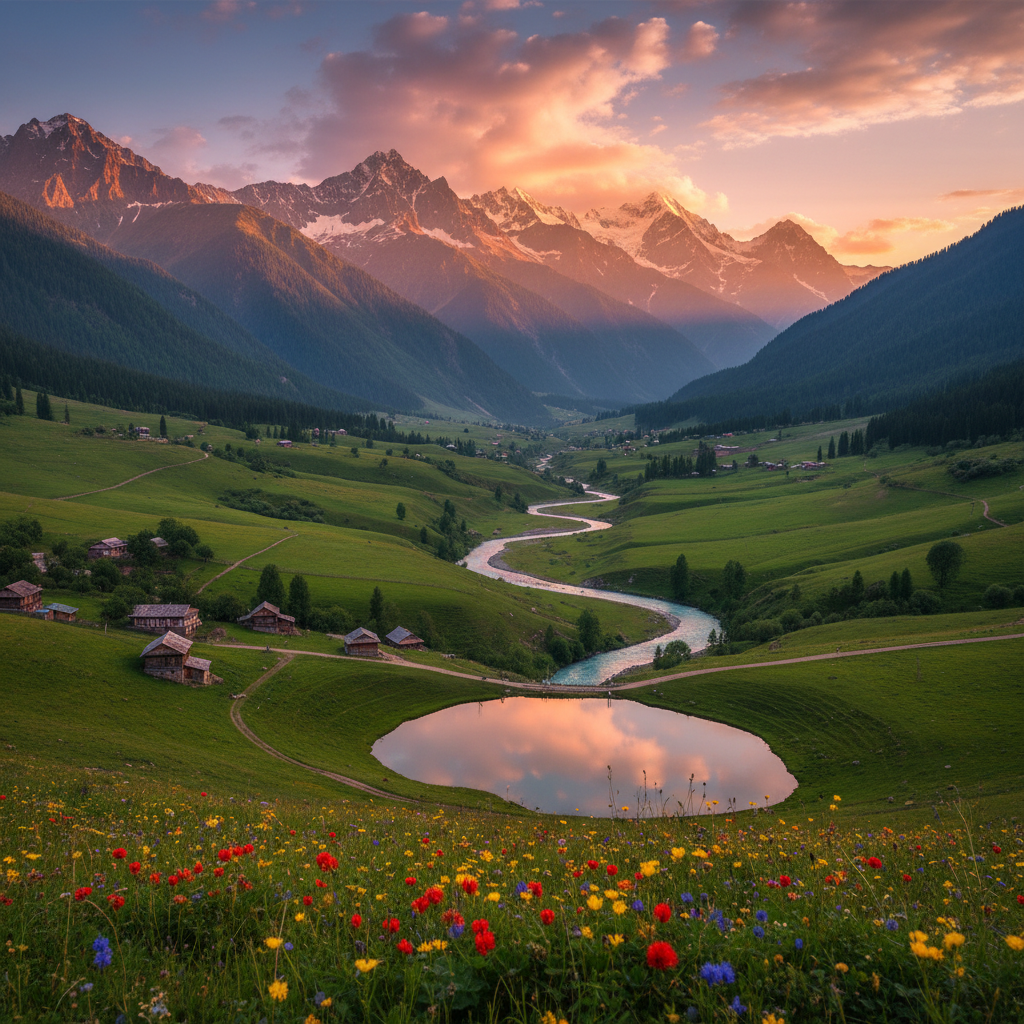
Discovering Bangus Valley: Kashmir's Pristine Alpine Pasture
Bangus Valley, nestled in the Kupwara district of Jammu and Kashmir, is often referred to as Kashmir's best-kept secret. Unlike its more famous counterparts like Gulmarg or Pahalgam, Bangus remains largely untouched by commercial tourism, offering an unparalleled experience of pristine natural beauty. Imagine vast emerald meadows stretching as far as the eye can see, dotted with colourful wildflowers in spring and summer, encircled by towering snow-capped peaks. This high-altitude grassland, locally known as 'Bungus,' is home to diverse flora and fauna, including musk deer, antelopes, and numerous bird species, making it a paradise for nature lovers and wildlife enthusiasts. Its isolation is both its charm and a slight challenge, requiring a bit more planning. However, for those seeking genuine tranquility, breathtaking landscapes, and an escape from the crowds, Bangus Valley provides an experience that resonates deeply with the soul of Kashmir. It's a place where time slows down, and the grandeur of the Himalayas truly sinks in. Getting here requires navigating through scenic, winding roads and obtaining necessary permissions, but the reward is an untamed wilderness that feels entirely your own.
Best Time to Visit Bangus Valley: A Seasonal Breakdown
Determining the best time to visit Bangus Valley largely depends on your priorities and what you wish to experience, as each season offers a distinct charm. For most travellers, the period from May to September is considered ideal. During these months, the valley is fully accessible, adorned with vibrant green meadows and a kaleidoscope of wildflowers. The weather is pleasantly mild, perfect for trekking, camping, and enjoying the serene environment without the extreme cold or heavy snow. Early mornings might still be crisp, but daytime temperatures are comfortable, typically ranging from 15 to 25 degrees Celsius. This window ensures that the high-altitude passes leading to Bangus are open and safe for travel. Local shepherds also bring their flocks to graze during this time, adding a pastoral charm to the landscape. While October can also be beautiful with autumnal hues, accessibility becomes a concern as winter approaches and the first snowfalls can unexpectedly block roads. Visiting outside the May-September window is generally not recommended due to heavy snowfall, treacherous road conditions, and extreme cold, rendering the valley mostly inaccessible and unsafe for tourists.
Spring Awakening (May-June): Floral Paradise
Visiting Bangus Valley in late spring to early summer, specifically May and June, is a truly magical experience, especially if you're a fan of wildflowers and lush greenery. As the last vestiges of winter snow melt away, the valley floor transforms into a vibrant carpet of emerald grass interspersed with countless species of high-altitude flowers. This is when Bangus is at its most verdant and colourful. The air is fresh and crisp, carrying the scent of pine and blooming flora. Temperatures are comfortably cool, ranging from 10 to 20 degrees Celsius during the day, making it perfect for light trekking and leisurely strolls. The accessibility is generally excellent, as roads usually clear up by mid-May. This period is also wonderful for photography, with clear skies and stunning natural light illuminating the vast vistas. You’ll witness local Bakarwal and Gujjar communities migrating with their livestock, adding a cultural layer to the natural splendour. Although it’s a relatively short window before the monsoon, the spring bloom in Bangus Valley is an unforgettable sight, showcasing Kashmir's natural beauty at its finest.
Summer Bliss (July-August): Trekking and Tranquility
Mid-summer, spanning July and August, continues to be an excellent time to explore Bangus Valley, particularly for those interested in trekking, camping, and extended stays amidst nature. While the lush greenery persists from spring, the wildflowers might be less abundant as the season progresses, replaced by a consistent, rich green landscape. Day temperatures are at their warmest but still pleasant, typically between 18 and 25 degrees Celsius, making outdoor activities very comfortable. Nights remain cool, so a light jacket or shawl is advisable. This period usually sees minimal rainfall, ensuring clear skies and excellent visibility for panoramic views of the surrounding mountains. The routes to Bangus Valley are fully open and generally in good condition, making travel relatively smooth. It's a prime time for birdwatching and spotting local wildlife, as many species are active. The tranquility is profound, offering a perfect escape. However, towards the end of August, there's a slight chance of early monsoon showers, which can make some trails slippery, so it's always wise to check local weather forecasts before your trip.
Autumn Hues (September-Early October): Golden Landscapes
As summer wanes, September brings a dramatic transformation to Bangus Valley, painting the landscape in glorious shades of gold, russet, and ochre. This brief autumn window, extending into early October, offers a different kind of beauty than the vibrant green of summer. The weather remains generally pleasant and dry, with daytime temperatures ranging from 10 to 18 degrees Celsius. The air becomes crisper, and the skies are often a brilliant, clear blue, providing stunning contrasts with the changing foliage and snow-dusted peaks. This is an excellent time for photographers seeking unique perspectives and for anyone who appreciates the quiet beauty of transitional seasons. However, accessibility becomes a more pressing concern as October progresses. The chances of early snowfall increase significantly, which can quickly block the high mountain roads, making entry and exit challenging or impossible. Many local shepherds begin their descent by late September. Therefore, if you wish to experience Bangus in its autumnal glory, it's crucial to plan your visit for early September and keep a close eye on weather predictions, as unexpected heavy snowfall can cut off the valley.
Permits and Logistics: Planning Your Trip to Bangus
Visiting Bangus Valley requires meticulous planning due to its location near the Line of Control (LoC) and its remote, underdeveloped infrastructure. The most crucial aspect is obtaining the necessary permits. Travellers, both Indian and foreign nationals, need to acquire a permit from the District Magistrate's office in Kupwara. It's advisable to apply for these permits well in advance, usually a few days to a week before your intended visit, as processing can take time. Sometimes, permits can also be arranged through a reliable local tour operator like Mid Holidays, who has experience navigating the local bureaucracy. Be prepared to submit identification documents such as Aadhar card, passport, or driving license. Once you have your permit, the journey to Bangus typically involves driving to Reshwari or Chowkibal, and then continuing by a 4x4 vehicle or trekking to reach the main valley. There are no hotels or guesthouses in Bangus Valley itself. Therefore, camping is the only accommodation option. Ensure you carry all your own supplies, including food, water, tents, sleeping bags, and first-aid kits, as there are no shops or facilities within the valley. Hiring a local guide is highly recommended for navigation and safety, especially since mobile network coverage is extremely limited or non-existent.
What to Pack and Essential Tips for Bangus Valley
Given Bangus Valley's remote and undeveloped nature, packing smart and being well-prepared is critical for a comfortable and safe trip. Regardless of the season, layers are essential. Even in summer, evenings and mornings can be chilly. Pack warm clothing: thermal wear, fleece jackets, windproof and waterproof outer layers. Sturdy, waterproof trekking shoes with good ankle support are a must, as you'll likely be walking on uneven and potentially muddy terrain. Other essentials include a good quality tent, sleeping bag (rated for lower temperatures than expected), a portable stove, cooking utensils, and enough non-perishable food and water for your entire stay. Don't forget a first-aid kit with personal medications, insect repellent, sunscreen, sunglasses, and a hat. A power bank for charging electronics (though connectivity is rare) and a headlamp or flashlight are also very useful. Always carry multiple copies of your permits and ID. Inform local authorities or your hotel/guest house in Kupwara about your travel plans. Respect the local culture and environment, pack out everything you pack in, ensuring you leave no trace behind. Lastly, a camera is indispensable to capture the breathtaking beauty, but be mindful of battery life.
Getting There and Staying Safe in Bangus Valley
Reaching Bangus Valley is an adventure in itself. The nearest major town is Kupwara, approximately 90-100 kilometers from Srinagar. From Kupwara, you'll need to hire a local 4x4 vehicle to cover the remaining rough terrain. The drive itself offers stunning views but can be challenging due to unpaved roads and steep ascents. The journey from Srinagar to the entry point of Bangus can take anywhere from 4 to 6 hours, depending on road conditions and stops. It's highly recommended to start early in the morning. Once you reach the designated entry point, you can either trek further into the valley or, if the vehicle can proceed, drive to specific camping spots. Due to its proximity to the LoC, safety is paramount. Always adhere to instructions from local authorities and follow your guide's advice. Do not venture off marked trails. Carry a satellite phone if possible, given the lack of mobile network. Politically, the situation is usually stable, but it's wise to check current advisories before planning your trip. The local communities are friendly and hospitable, but always approach with respect and cultural sensitivity. Being prepared for emergencies and having a contingency plan is crucial for a smooth and safe expedition into this untouched paradise.
Embrace the Unseen: Why Bangus Valley Awaits You
Bangus Valley offers a travel experience unlike any other in Kashmir. It's not about luxury resorts or bustling markets; it's about connecting with nature in its rawest, most magnificent form. The vast, undulating meadows, the crystal-clear streams, the imposing mountains guarding its perimeter, and the profound silence broken only by the whispers of the wind or the distant bleating of sheep create an atmosphere of pure serenity. Whether you choose to visit during the vibrant bloom of spring, the comfortable trekking weather of summer, or the golden spectacle of autumn, Bangus promises an escape that rejuvenates the spirit. It's an opportunity to witness Kashmir as it truly is, away from the well-trodden paths, where every vista is a postcard-perfect scene and every breath feels cleaner. This hidden gem beckons adventurers, nature photographers, and anyone yearning for an authentic, peaceful encounter with the Himalayan wilderness. Plan your journey carefully, prepare adequately, and allow Mid Holidays to help you unlock the magic of Bangus, ensuring a seamless and unforgettable exploration of this extraordinary landscape. We craft bespoke itineraries that handle all the complexities, from permits to transportation, so you can focus solely on the awe-inspiring beauty around you.
Related Kashmir Guides & Services
<p>Planning the rest of your trip? These Mid Holidays guides pair well with this article:</p><ul><li><a href="/blog/kashmir-in-october-best-season-travel-guide">Kashmir in October: Your Ultimate Autumn Travel Guide by Mid Holidays</a></li><li><a href="/blog/kashmir-in-march-spring-travel-guide">Kashmir in March: Your Ultimate Spring Travel Guide | Mid Holidays</a></li><li><a href="/blog/kashmir-summer-vs-winter-travel-guide">Kashmir in Summer vs Winter: Which Season is Best For Your Trip?</a></li><li><a href="/blog/kashmir-in-may-summer-travel-guide">Kashmir in May: Your Ultimate Summer Travel Guide from Mid Holidays</a></li><li><a href="/blog/best-time-to-visit-sonmarg-travel-guide">Best Time to Visit Sonmarg: Your Ultimate Travel Guide by Mid Holidays</a></li></ul>
Frequently Asked Questions
Do I need special permits to visit Bangus Valley?
Yes, special permits are mandatory for both Indian and foreign nationals due to Bangus Valley's close proximity to the Line of Control (LoC). These permits must be obtained from the District Magistrate's office in Kupwara. It's advisable to apply several days in advance and carry valid identification documents. A local tour operator can often assist in streamlining this process.
Are there any accommodation options available in Bangus Valley?
No, there are no commercial hotels, guesthouses, or established accommodation facilities within Bangus Valley itself. The only way to stay overnight is by camping. Visitors need to carry their own tents, sleeping bags, and all necessary camping equipment. This contributes to the valley's untouched, pristine nature, offering a truly immersive outdoor experience.
What kind of clothing should I pack for a trip to Bangus Valley?
Layered clothing is crucial for Bangus Valley, regardless of the season. Even during summer, evenings and mornings can be chilly. Pack thermal wear, fleece jackets, and waterproof outer layers. Sturdy, waterproof trekking shoes are essential for navigating the terrain. Don't forget a hat, gloves, sunscreen, and sunglasses to protect against the elements.
Is Bangus Valley suitable for families with young children or elderly travellers?
Bangus Valley's remote location, challenging accessibility, and lack of developed infrastructure make it less suitable for families with very young children or elderly travellers who may have mobility issues. The trip involves rough roads, potential trekking, and camping, demanding a certain level of physical fitness and preparation.
Is mobile network connectivity available in Bangus Valley?
Mobile network connectivity in Bangus Valley is extremely limited to non-existent. You should not rely on your cell phone for communication or data access. It's advisable to inform your family or friends about your limited connectivity and, if absolutely necessary for emergencies, consider carrying a satellite phone.
What are the common challenges when visiting Bangus Valley?
The main challenges include obtaining permits, navigating rough roads, the complete lack of modern facilities (food, water, electricity, accommodation), and limited to no mobile connectivity. Weather can also be unpredictable, with sudden changes and early snowfall in autumn. It requires thorough planning, self-sufficiency, and a spirit of adventure.
Can I trek independently in Bangus Valley, or do I need a guide?
While it's not strictly forbidden for experienced trekkers, hiring a local guide is highly recommended and often essential for a safe and enriching experience. Guides possess invaluable local knowledge of the terrain, weather patterns, and can assist with navigating the remote pathways, especially given the lack of signposts and mobile network.
What wild animals can be spotted in Bangus Valley?
Bangus Valley is a biodiverse region and a haven for wildlife. If you are lucky and patient, you might spot various species, including musk deer, antelopes (like the Himalayan goral), various species of marmots, and numerous high-altitude bird species. Patience, quiet observation, and a keen eye are often rewarded in this pristine natural habitat.