Kashmir Great Lakes Trek Guide: An Unforgettable Alpine Adventure
High-Altitude Trekking in Kashmir
Embark on an unforgettable journey with our Kashmir Great Lakes Trek Guide. Discover routes, costs, best seasons, and expert tips for this stunning alpine…
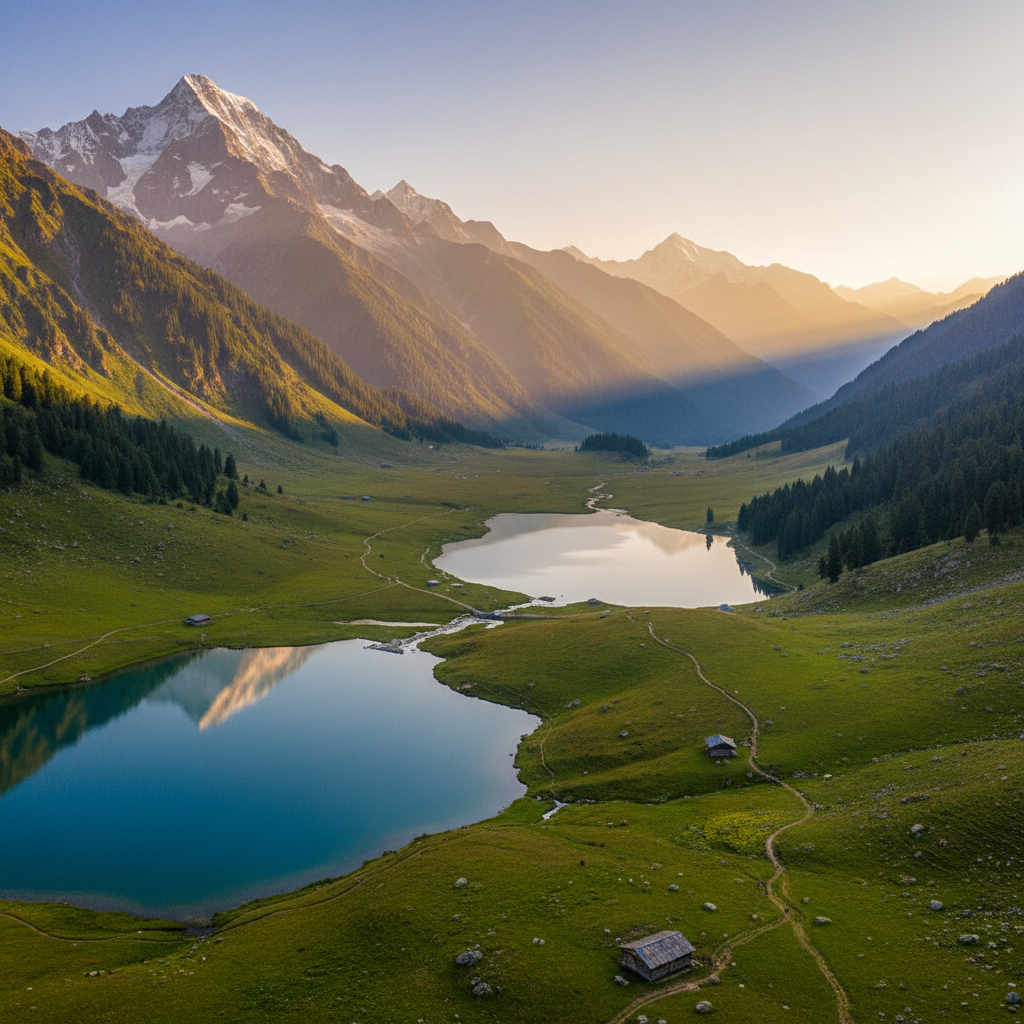
Kashmir Great Lakes Trek: An Overview for Adventurers
The Kashmir Great Lakes Trek is arguably one of the most magnificent alpine treks in India, renowned for its pristine high-altitude lakes, lush meadows, and panoramic Himalayan vistas. This journey takes you through the heart of Kashmir's untouched wilderness, connecting a series of breathtaking glacial lakes including Vishansar, Kishansar, Gadsar, Satsar, and Gangabal. Unlike shorter, more accessible treks, KGL (as it's affectionately known) offers a true wilderness experience, requiring a good level of physical fitness and an adventurous spirit. It's a traverse rather than a summit, meaning you'll move from camp to camp, experiencing diverse landscapes each day. The trek is typically done over 6-8 days, covering approximately 70-80 kilometers, with elevations reaching over 4,000 meters (13,000 feet). While challenging, the rewards are immense: waking up to emerald lakes, traversing vast flower-strewn meadows, and witnessing the sheer grandeur of the Pir Panjal and Zanskar ranges up close. It's an ideal choice for experienced trekkers looking for an immersive and visually stunning high-altitude adventure, and even ambitious beginners with proper preparation. Mid Holidays often organizes groups for this remarkable expedition, ensuring safety and a memorable experience.
Best Time to Undertake the Kashmir Great Lakes Trek
The window for the Kashmir Great Lakes Trek is relatively short, primarily dictated by snowmelt and weather conditions. The absolute best time to go is from mid-July to mid-September. During this period, the snow has largely melted from the high passes, making routes accessible, and the meadows are in full bloom with vibrant wildflowers. The weather is generally stable, offering clear skies and pleasant daytime temperatures, though nights can still be quite chilly, especially at higher camps. July offers the freshest greenery and abundant wildflowers after the monsoon, while August provides consistently good weather. Early September is also fantastic, with slightly crisper air and fewer crowds. Trekkers venturing in late June might encounter more snow on the passes, adding to the challenge but also the beauty, while late September brings the risk of early winter snowfalls and colder conditions. It's crucial to avoid the peak monsoon season (usually July-August in other parts of India) as Kashmir's topography often provides a rain shadow effect, making it suitable for trekking when other regions are drenched. Always check the current weather forecasts before departure, even within the prime season, as mountain weather can be unpredictable.
Detailed Itinerary: A Typical 7-Day Kashmir Great Lakes Trek
Here’s a typical 7-day itinerary for the Kashmir Great Lakes Trek, offering a challenging yet rewarding pace. Keep in mind that exact timings and campsites can vary slightly based on weather, group pace, and guide decisions. Day 1 starts with an early drive from Srinagar to Shitkadi (Sonamarg), the trek's starting point. From Shitkadi, you trek to Nichnai, a gradual ascent through pine forests and meadows, covering about 11 km in 6-7 hours. Day 2 involves crossing the Nichnai Pass (4,100m), offering stunning views, and then descending to Vishansar Lake, a trek of around 12 km over 7-8 hours. Day 3 is a relatively easy day, trekking from Vishansar to Kishansar Lake, a short climb, then crossing Gadsar Pass (4,200m) and descending to Gadsar Lake. This is about 14 km, taking 6-7 hours. Day 4 is from Gadsar to Satsar, a moderate day covering 12 km in 5-6 hours, passing through multiple small lakes. Day 5 is a significant day, trekking from Satsar to Gangabal twin lakes (Gangabal and Nandkol), crossing Zajibal Pass (3,900m), about 15 km in 7-8 hours. Day 6 is a rest day or exploration around Gangabal. Day 7 is the final descent from Gangabal to Naranag, a steep but scenic 13 km descent taking 6-7 hours, where vehicles await for the drive back to Srinagar. This itinerary allows for acclimatization and provides ample time to soak in the beauty of each lake.
Estimated Costs and Budgeting for Your KGL Trek
The cost for the Kashmir Great Lakes Trek can vary significantly depending on whether you opt for a guided package, go with a local outfitter, or attempt a self-organized trip. For a fully guided and supported trek with a reputable operator like Mid Holidays, which includes permits, experienced guides, porters/horses for luggage, all meals on the trek, tents, sleeping bags, and often transfers from Srinagar, expect to pay in the range of INR 18,000 to INR 28,000 per person for a 6-7 day trek. This range reflects variations in group size, quality of services, and inclusions. If you choose to hire a local guide and porters directly, manage your own food, and rent equipment, the cost might come down slightly, but requires more planning. However, for first-timers or those unfamiliar with the region, a package is highly recommended for safety and logistical ease. Additional costs to factor in include your travel to and from Srinagar (flights/trains/buses), personal trekking gear (which can be rented), any accommodation in Srinagar before/after the trek, and personal expenses like snacks, souvenirs, and tips for the trekking staff. Always confirm what's included in your package to avoid hidden costs. Budgeting an extra INR 5,000-10,000 for these miscellaneous expenses is a good practice.
Getting There and Local Transport for KGL
The Kashmir Great Lakes Trek primarily starts from Sonamarg, specifically a place called Shitkadi, which is about 80-90 kilometers northeast of Srinagar. The trek concludes at Naranag, which is roughly 60 kilometers north of Srinagar. Srinagar is your primary gateway to the trek. You can reach Srinagar by: 1. Air: Srinagar International Airport (SXR) is well-connected to major Indian cities like Delhi, Mumbai, and Bangalore. Upon arrival, you can hire a pre-paid taxi or book a cab through Mid Holidays for your transfer to your hotel in Srinagar. 2. Road: National Highway 44 connects Srinagar to the rest of India. Buses and private taxis operate regularly, but the journey can be long and subject to road conditions. From Srinagar, the journey to the trek starting point in Shitkadi (Sonamarg) takes approximately 3-4 hours by car. Similarly, from the trek's endpoint in Naranag, it's about a 2-3 hour drive back to Srinagar. Most organized trek packages, including those by Mid Holidays, will include these transfers from Srinagar. If you are organizing independently, you will need to book private taxis for these legs, which can cost INR 2,500-4,000 one-way for an SUV, depending on negotiation and season. Always arrange transport in advance, especially during peak trekking season.
Packing Essentials for Your Kashmir Great Lakes Trek
Packing smart is crucial for a comfortable and safe Kashmir Great Lakes Trek. Given the varied terrain and high altitudes, weather can change rapidly. Start with a good quality trekking backpack (50-60 litres) and a smaller daypack. Clothing should be layered: thermal innerwear, fleece jacket, waterproof and windproof outer shell jacket and trousers. Pack at least 3-4 pairs of quick-dry trekking pants and T-shirts. Don't forget warm gloves, a woolen cap, and sun cap. Footwear is paramount: sturdy, waterproof trekking boots with good ankle support are a must, along with 2-3 pairs of moisture-wicking trekking socks and camp sandals. Other essentials include a headlamp with extra batteries, trekking poles (highly recommended for descents and stability), a water bottle (minimum 1-litre capacity), and water purification tablets/filter. For personal care, carry sunscreen (SPF 50+), lip balm, hand sanitizer, personal toiletries, and a quick-dry towel. A basic first-aid kit with pain relievers, blister plasters, antiseptic, and any personal medications is non-negotiable. Finally, don't forget sunglasses, camera, power bank, and important documents like ID proof and trek permits. Pack light but comprehensively, as every gram adds to the burden on porters or your own shoulders.
Safety, Permits, and Local Etiquette on the Trail
Safety on the Kashmir Great Lakes Trek is paramount. Always trek with an experienced guide, especially if you are not familiar with high-altitude trekking. Acclimatization is key; listen to your body and inform your guide of any symptoms of altitude sickness (headache, nausea, dizziness). Stay hydrated by drinking plenty of water. The trek route falls within protected forest areas, requiring permits. These permits, issued by the Forest Department, are usually arranged by your tour operator. You will need to carry valid photo identification (Aadhar Card, Driving License, Passport) for verification at various checkpoints. It's advisable to carry multiple copies. Regarding local etiquette, Kashmir is a predominantly Muslim state, and visitors should dress modestly, especially when passing through villages. Respect local customs and traditions. Avoid littering; carry all your waste back to Srinagar or dispose of it responsibly at designated points. The region is generally very safe for tourists and trekkers, but it's always wise to be aware of your surroundings and follow your guide's instructions. Engaging with locals respectfully can enrich your experience significantly. Mid Holidays prioritizes safety and ensures all necessary permits are in order for a hassle-free trek.
Common Mistakes to Avoid and Expert Tips
To ensure a smooth and enjoyable Kashmir Great Lakes Trek, avoid these common pitfalls. First, underestimating the physical demands: the trek involves significant ascents and descents at high altitudes. Start a rigorous fitness regimen (cardio, strength training) at least 2-3 months prior. Second, improper gear: ill-fitting shoes can lead to painful blisters, and inadequate warm clothing can result in hypothermia. Invest in good quality, broken-in trekking boots and appropriate layers. Third, neglecting hydration: dehydration at altitude exacerbates AMS symptoms. Drink water consistently throughout the day. Fourth, not having enough cash: while most trek costs are prepaid, carry some small denominations for emergencies or buying snacks from remote shops. Fifth, ignoring environmental concerns: leave no trace behind. Carry back all non-biodegradable waste. Sixth, relying solely on phone signals: connectivity is sparse on the trail. Inform your family of your itinerary and expected communication gaps. Expert tips include packing an emergency snack stash, carrying a power bank, learning a few basic Kashmiri phrases (like 'Salam Alaikum' for greetings), and most importantly, embracing the journey. The beauty of the KGL trek lies in its raw, untamed nature. For those seeking a truly immersive and professionally organized experience, Mid Holidays offers comprehensive Kashmir Great Lakes Trek packages, taking care of logistics so you can focus on the breathtaking scenery.
Related Kashmir Guides & Services
<p>Planning the rest of your trip? These Mid Holidays guides pair well with this article:</p><ul><li><a href="/blog/pampore-saffron-fields-visit-guide">Pampore Saffron Fields Visit Guide: Kashmir's Golden Bloom</a></li><li><a href="/blog/tulail-valley-tour-kashmir-hidden-paradise">Tulail Valley Tour: Your Guide to Kashmir's Hidden Paradise</a></li><li><a href="/blog/yusmarg-day-trip-itinerary">Your Ultimate Yusmarg Day Trip Itinerary from Srinagar</a></li><li><a href="/blog/kashmir-tour-with-sonamarg-adventure">Kashmir Tour with Sonamarg: Your Ultimate Guide to Alpine Wonders</a></li><li><a href="/blog/zanskar-valley-travel-guide">Zanskar Valley Travel Guide: A Journey to Ladakh's Remote Heart</a></li></ul>
Frequently Asked Questions
How difficult is the Kashmir Great Lakes Trek?
The Kashmir Great Lakes Trek is considered a moderately challenging to difficult trek. It involves long trekking days (6-8 hours) over varied terrain, including steep ascents to high passes (up to 4,200m) and equally steep descents. A good level of cardiovascular fitness, strong legs, and prior trekking experience are highly recommended. Beginners with excellent physical preparation can attempt it, but it's not a 'beginner's trek' in the conventional sense. Acclimatization is crucial, and the trek's length adds to its difficulty.
Is it safe for solo female trekkers to do the KGL trek?
While Kashmir is generally safe for tourists, solo female trekkers might feel more comfortable joining an organized group for the KGL trek, especially given its remote nature. Reputable tour operators like Mid Holidays prioritize safety and provide experienced guides and support staff, creating a secure environment. This also helps with permits and logistics in an unfamiliar region. The local population in trekking areas is known for its hospitality and respect towards visitors.
What kind of accommodation is available on the Kashmir Great Lakes Trek?
Accommodation on the Kashmir Great Lakes Trek is exclusively in tents. You will be camping in designated campsites near the lakes or in meadows. Tour operators typically provide high-quality, weather-resistant tents (usually 2-person or 3-person sharing) along with sleeping bags and insulated sleeping mats. There are no guesthouses or permanent structures along the actual trekking route, emphasizing the trek's wilderness experience. Expect basic but comfortable camping facilities.
Do I need special permits for the Kashmir Great Lakes Trek?
Yes, permits are required for the Kashmir Great Lakes Trek as it passes through protected forest and alpine regions. These include Forest Department permits and sometimes a local police registration. Most reputable tour operators, including Mid Holidays, will arrange all necessary permits on your behalf. You will need to provide valid photo identification (such as Aadhar Card, Driving License, or Passport) to your operator well in advance to facilitate this process. Always carry your ID with you on the trek.
What is the typical group size for this trek?
The typical group size for the Kashmir Great Lakes Trek varies, but usually ranges from 8 to 15 trekkers. Smaller groups allow for more personalized attention from guides, while slightly larger groups can be more cost-effective. Mid Holidays aims for optimal group sizes to ensure a balanced experience, fostering camaraderie among trekkers while maintaining safety and environmental responsibility. It's rare to trek with very large groups (20+) on this particular route.
What are the food arrangements like on the trek?
On a guided Kashmir Great Lakes Trek, food is typically provided by your tour operator. Expect simple, nutritious, and energy-rich vegetarian meals cooked by a dedicated cook accompanying the group. This usually includes breakfast (porridge, eggs, bread), packed lunch (roti, sabzi, sometimes fruit), and dinner (dal, rice, sabzi, chapati). Tea and snacks are also often provided. Specific dietary requirements can sometimes be accommodated if informed in advance. The aim is to fuel your body for the demanding trekking days.
What if I experience altitude sickness during the trek?
Altitude sickness (AMS) is a real concern on the KGL trek due to high elevations. Reputable tour operators ensure proper acclimatization days in the itinerary. Your guide is trained to recognize and manage AMS symptoms. If you feel unwell, immediately inform your guide. Mild symptoms often improve with rest and hydration. For more severe cases, descent to a lower altitude is the most effective treatment. Guides carry basic first-aid and often supplemental oxygen. Always listen to your body and your guide's advice.
Can I do the Kashmir Great Lakes Trek on my own without a guide?
While it's technically possible, attempting the Kashmir Great Lakes Trek without an experienced local guide is strongly discouraged. The trail is remote, with no permanent settlements, and can be challenging to navigate, especially if weather conditions deteriorate. There are stream crossings, high passes, and limited mobile network. For your safety, navigation, and to handle any unforeseen circumstances, having a guide who knows the terrain and local conditions is crucial. Permits are also easier to obtain through an operator.