Kashmiri Kahwa Tea Guide: Sip the Essence of the Valley
Kashmir Food & Drink
Discover the magic of Kashmiri Kahwa tea with Mid Holidays' ultimate guide. Learn about its ingredients, preparation, health benefits, and where to enjoy…
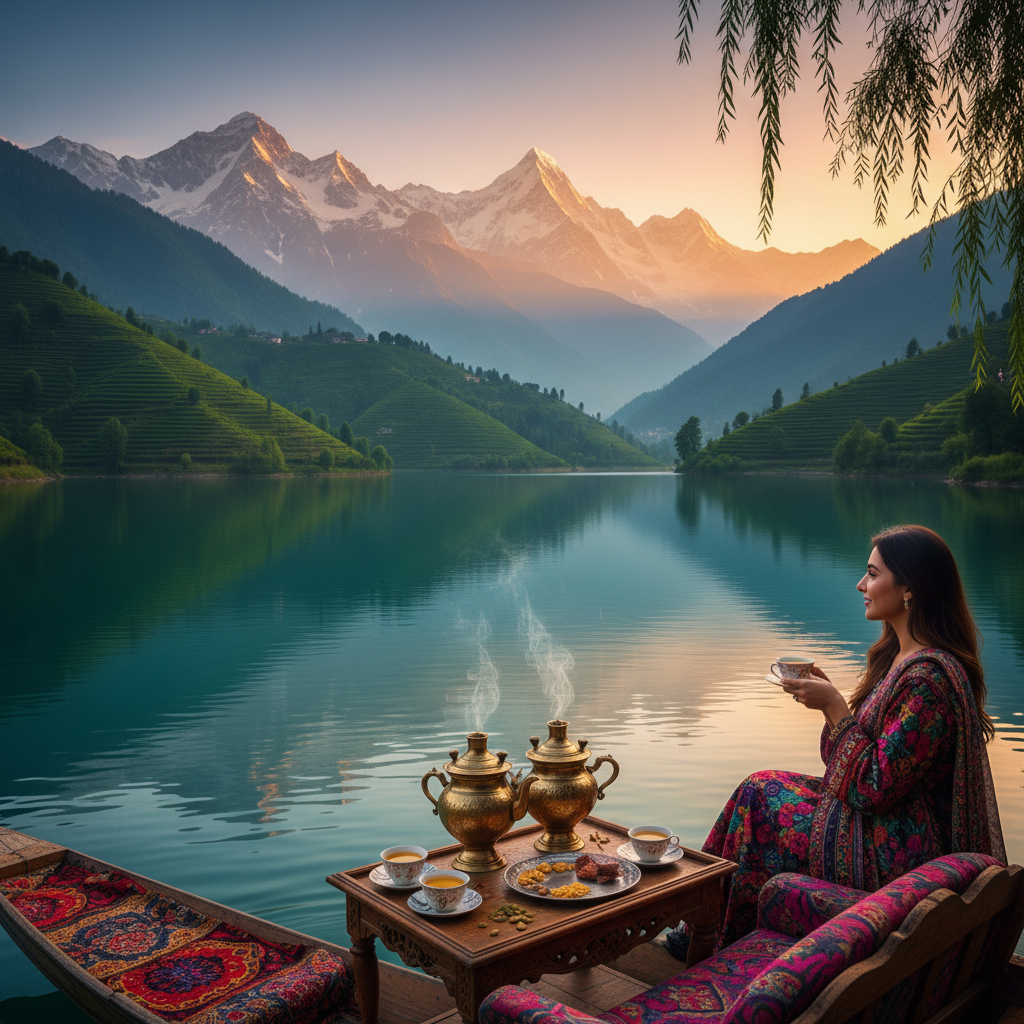
Kashmiri Kahwa Tea: An Introduction to the Valley's Aromatic Brew
Kashmiri Kahwa, often simply called Kahwa, isn't just a beverage; it's an experience, a warm embrace from the heart of the Kashmir Valley. This traditional aromatic green tea, infused with exotic spices and a hint of saffron, holds a cherished place in Kashmiri culture, woven into daily life and special occasions alike. Far from being a mere thirst-quencher, Kahwa serves as a welcoming gesture, a digestif after meals, and a comforting elixir during the chilly Kashmir winters. Its rich history is as captivating as its flavour, believed to have originated in the Yarkand Valley and gradually making its way into the homes and hearts of Kashmiris, adapting and evolving over centuries. When you visit Kashmir, trying authentic Kahwa is as essential as seeing the Dal Lake or exploring the Mughal Gardens. It's a taste that instantly transports you to the serene landscapes and hospitable spirit of the region. This guide by Mid Holidays will walk you through everything you need to know about this iconic Kashmiri tea, from its ingredients and preparation to its cultural significance and health benefits. Prepare to embark on a sensory journey that defines Kashmir.
The Mystical Ingredients: What Makes Kahwa Unique?
The distinctiveness of Kashmiri Kahwa lies in its carefully selected blend of ingredients, each contributing to its unique flavour profile and therapeutic properties. At its core is green tea, typically a local variety known for its delicate aroma. The star spice is undoubtedly saffron (kesar), hand-picked from Pampore, which not only imparts a beautiful golden hue but also a subtle, earthy fragrance. Cardamom (elaichi) pods are crushed to release their sweet, pungent aroma, while cinnamon (dalchini) sticks add a warm, woody note. Cloves (laung) introduce a hint of sharp spice, and sometimes, a few crushed almonds or walnuts are added for texture and an extra layer of nutty flavour. Sugar or honey is used to sweeten the brew to taste, balancing the spices. Unlike other teas, Kahwa is often prepared in a traditional brass kettle called a 'samovar,' which helps in slow brewing and maintaining the temperature, allowing the flavours to meld beautifully. The quality of these ingredients, especially the saffron and spices, directly impacts the final taste, making the choice of source crucial for an authentic Kahwa experience.
Traditional Preparation: Crafting Kahwa the Kashmiri Way
Preparing Kahwa is an art form, often performed with care and tradition. While modern kitchens might use regular pots, the authentic Kashmiri method involves a 'samovar' – a large, ornate brass kettle with a central cavity for burning coals, keeping the tea warm for hours. To begin, water is boiled in the main vessel of the samovar. Once hot, green tea leaves, cardamom pods, cinnamon sticks, and cloves are added. The brew is allowed to simmer gently, not boil vigorously, for several minutes, allowing the spices to infuse thoroughly. Saffron strands, often steeped in a little warm water beforehand to release their colour and flavour, are then added. Sugar or honey is mixed in according to preference. Finally, before serving, a few slivered almonds or walnuts are often placed in the cups (known as 'kahwa cups' or 'kahwa glasses'), and the hot Kahwa is poured over them. This slow brewing process, coupled with the earthen heat from the samovar, results in a perfectly balanced, aromatic, and invigorating tea. While making it at home without a samovar, a heavy-bottomed pot on a low flame can achieve a similar gentle infusion, though the ritualistic charm of the samovar is undeniably part of the experience.
Health Benefits & Cultural Significance of Kashmiri Kahwa
Beyond its delightful taste, Kashmiri Kahwa is revered for its numerous health benefits, making it a functional beverage deeply integrated into Kashmiri life. The green tea base is rich in antioxidants, aiding in detoxification and boosting immunity. Saffron is known for its mood-enhancing properties and is a powerful antioxidant. Cardamom and cinnamon are excellent for digestion, helping to soothe upset stomachs and alleviate nausea, especially after heavy meals. Cloves offer antiseptic and anti-inflammatory benefits. Together, these ingredients create a warming drink that is particularly effective in combating the cold climate of Kashmir. Culturally, Kahwa is far more than just a drink. It's a symbol of Kashmiri hospitality and a staple at every gathering, from weddings and festivals to casual family visits. Offering Kahwa to guests is a gesture of warmth and welcome, reflecting the deep-rooted tradition of 'Mehmandari' (hospitality). It's also believed to be a potent stress-reliever and a natural energiser, often consumed in the mornings or evenings. The simple act of sharing a cup of Kahwa fosters conversation and strengthens bonds, embodying the essence of communal life in the Valley.
Where to Enjoy Authentic Kahwa in Kashmir: Our Local Picks
Experiencing authentic Kashmiri Kahwa is a must-do when you visit the Valley. While every Kashmiri home brews its own version, there are several establishments, particularly in Srinagar, where you can savour a truly memorable cup. Many traditional bakeries (known as 'kandur' shops) and tea stalls around the Dal Lake and in the old city areas serve freshly prepared Kahwa, often accompanied by local breads like 'lavasa' or 'girda'. Look for places that use a samovar; this is a good indicator of traditional preparation. Some of the best spots include smaller, unassuming cafes in the bustling markets of Lal Chowk or around the Jamia Masjid, where the Kahwa is brewed in front of you. While specific shop names can change, asking locals for a good 'Kahwa stall' (kahwa dukaan) will invariably lead you to a gem. For a more refined experience, many houseboats on Dal Lake and higher-end hotels also offer excellent Kahwa. However, the most authentic and atmospheric experience often comes from the smaller, family-run establishments where the aroma of spices wafts through the air and the Kahwa is served with genuine Kashmiri warmth. Don't hesitate to try Kahwa at different places; each might offer a slightly different nuance in flavour, adding to your overall culinary adventure.
Making Kashmiri Kahwa at Home: A Simple Recipe
Bringing the taste of Kashmir to your home is easier than you might think. Here’s a simple recipe for Kashmiri Kahwa you can try, even without a samovar. You'll need: 1 teaspoon green tea leaves (preferably Kashmiri green tea), 2-3 green cardamom pods (lightly crushed), 1 small stick of cinnamon, 2-3 cloves, a few strands of saffron (about 8-10, soaked in 1 tablespoon of warm water), 2-3 slivered almonds per cup, and sugar or honey to taste. Start by boiling 2 cups of water in a saucepan. Once it boils, reduce the heat to low and add the green tea leaves, crushed cardamom, cinnamon, and cloves. Let it simmer gently for about 5-7 minutes; do not let it boil vigorously, as this can make the green tea bitter. Remove from heat, strain the tea into cups. Add the pre-soaked saffron strands and a few slivered almonds to each cup. Sweeten with sugar or honey as per your preference. Stir well and serve hot. This recipe serves two. Adjust the quantity of spices and sweetness to suit your palate. The key is gentle simmering to allow the delicate flavours to infuse without overpowering the green tea base. Enjoy this aromatic brew and let it transport you to the tranquil landscapes of Kashmir.
Storing Kahwa Ingredients & Best Time to Enjoy This Brew
To ensure your homemade Kahwa is as flavourful as possible, proper storage of ingredients is crucial. Green tea leaves should be kept in an airtight container away from direct sunlight and moisture. The same applies to whole spices like cardamom, cinnamon, and cloves; storing them whole and grinding or crushing just before use retains their potency and aroma much better than pre-ground versions. Saffron is delicate and expensive; store it in a cool, dark, airtight container, ideally in a glass jar, to preserve its vibrant colour and distinctive fragrance. Almonds should also be kept in an airtight container to prevent them from turning rancid. As for the best time to enjoy Kahwa, there truly isn't a wrong time! However, it's particularly comforting during the colder months, making it a perfect winter warmer. Many Kashmiris enjoy a cup first thing in the morning to invigorate their senses, or in the evening as a soothing digestif after dinner. It's also a popular choice for afternoon breaks or whenever a moment of calm and warmth is desired. Its light, refreshing quality means it can be enjoyed multiple times a day without feeling heavy, making it a versatile and beloved beverage throughout the year.
Exploring Kashmir with Mid Holidays: Beyond the Kahwa Cup
While savouring a cup of authentic Kashmiri Kahwa is an essential part of the Kashmir experience, the Valley offers a plethora of other breathtaking sights and unforgettable activities. From the tranquil waters of Dal Lake and the vibrant floating markets to the snow-capped peaks of Gulmarg and the lush meadows of Pahalgam, Kashmir truly is paradise on Earth. At Mid Holidays, we specialize in crafting personalized travel experiences that allow you to immerse yourself fully in the beauty and culture of this incredible region. Our expertly designed tours go beyond typical itineraries, connecting you with local traditions, authentic cuisine, and the unparalleled hospitality for which Kashmir is famous. Whether you're seeking a romantic honeymoon, a family adventure, or a serene solo retreat, we have a package tailored to your desires. Let us take care of all the details, from comfortable accommodations to seamless transport, ensuring your trip is not just a vacation but a collection of cherished memories. Explore our range of Kashmir tour packages at kashmir.midholidays.in and let us help you plan your dream escape to the Valley, where every moment, much like a sip of Kahwa, is filled with warmth and wonder.
Related Kashmir Guides & Services
<p>Planning the rest of your trip? These Mid Holidays guides pair well with this article:</p><ul><li><a href="/blog/kashmir-wazwan-food-guide">Kashmir Wazwan Food Guide: A Culinary Journey with Mid Holidays</a></li><li><a href="/blog/kishtwar-travel-guide-kashmir-hidden-paradise">Kishtwar Travel Guide: Explore Kashmir's Hidden Paradise with Mid Holidays</a></li><li><a href="/blog/kashmiri-shopping-guide-pashmina-saffron">Kashmiri Shopping Guide: Pashmina, Saffron & Local Crafts</a></li><li><a href="/blog/pampore-saffron-fields-visit-guide">Pampore Saffron Fields Visit Guide: Kashmir's Golden Bloom</a></li><li><a href="/blog/leh-cab-service-reliable-journeys">Leh Cab Service: Your Guide to Reliable Journeys in Ladakh with Mid Holidays</a></li></ul>
Frequently Asked Questions
Is Kashmiri Kahwa served with milk?
No, traditional Kashmiri Kahwa is typically served without milk. It is a light, aromatic green tea infused with spices like cardamom, cinnamon, cloves, and saffron, often garnished with slivered almonds. Adding milk would significantly alter its delicate flavour profile and is not customary for this particular brew. Kashmiris have other milk-based teas, but Kahwa is enjoyed black.
What is the difference between Kashmiri Kahwa and regular green tea?
While Kashmiri Kahwa uses green tea leaves as its base, the significant difference lies in the infusion of distinct spices like saffron, cardamom, cinnamon, and cloves, which are usually absent in regular green tea. This spice blend gives Kahwa its unique aromatic flavour and often a golden hue from saffron, making it a richer and more complex beverage than plain green tea.
Can I buy Kahwa tea bags or instant Kahwa mixes?
Yes, Kahwa tea bags and instant Kahwa mixes are available, especially in tourist shops and online. While convenient, they often don't replicate the depth and freshness of traditionally brewed Kahwa. For the most authentic experience, it's recommended to purchase whole ingredients and brew it yourself, or seek out places that prepare it fresh from scratch, ideally in a samovar.
Is Kahwa caffeine-free?
Kashmiri Kahwa is not caffeine-free as its base is green tea, which naturally contains caffeine. However, the caffeine content in green tea is generally lower than in black tea or coffee. The precise amount can vary depending on the type of green tea used and the brewing time. If you are sensitive to caffeine, you might want to consume it in moderation.
Are there different varieties of Kashmiri Kahwa?
While the core ingredients remain consistent, there can be subtle variations in Kahwa recipes across different Kashmiri households or regions. Some might add a pinch of dried rose petals for fragrance, while others might adjust the ratio of spices or the amount of sweetener. Occasionally, crushed walnuts might replace almonds. These minor adjustments contribute to the nuanced flavours you might encounter.
What kind of green tea is best for Kahwa?
For an authentic Kashmiri Kahwa, a delicate, unfermented green tea is preferred. Kashmiri green tea varieties, often with a light, floral aroma, work best as they allow the flavours of the spices and saffron to shine without overpowering them. Avoid very strong or smoky green teas, which can clash with the traditional Kahwa flavour profile.
Can Kahwa be made iced or cold?
While Kahwa is traditionally enjoyed hot, especially in the cooler climate of Kashmir, there's no strict rule against chilling it. An iced Kahwa might offer a refreshing twist during warmer weather, though its aromatic spices are truly best appreciated when served warm. If you try it cold, consider reducing the sweetener slightly, as cold beverages often require less to taste sweet.