Kashmir Pottery Making: An Immersive Cultural Experience Guide
Kashmir Arts & Crafts
Discover the timeless art of Kashmir pottery making with our comprehensive guide. Learn about local artisans, workshops, and how to experience this unique…
An Introduction to Kashmir Pottery: More Than Just Clay
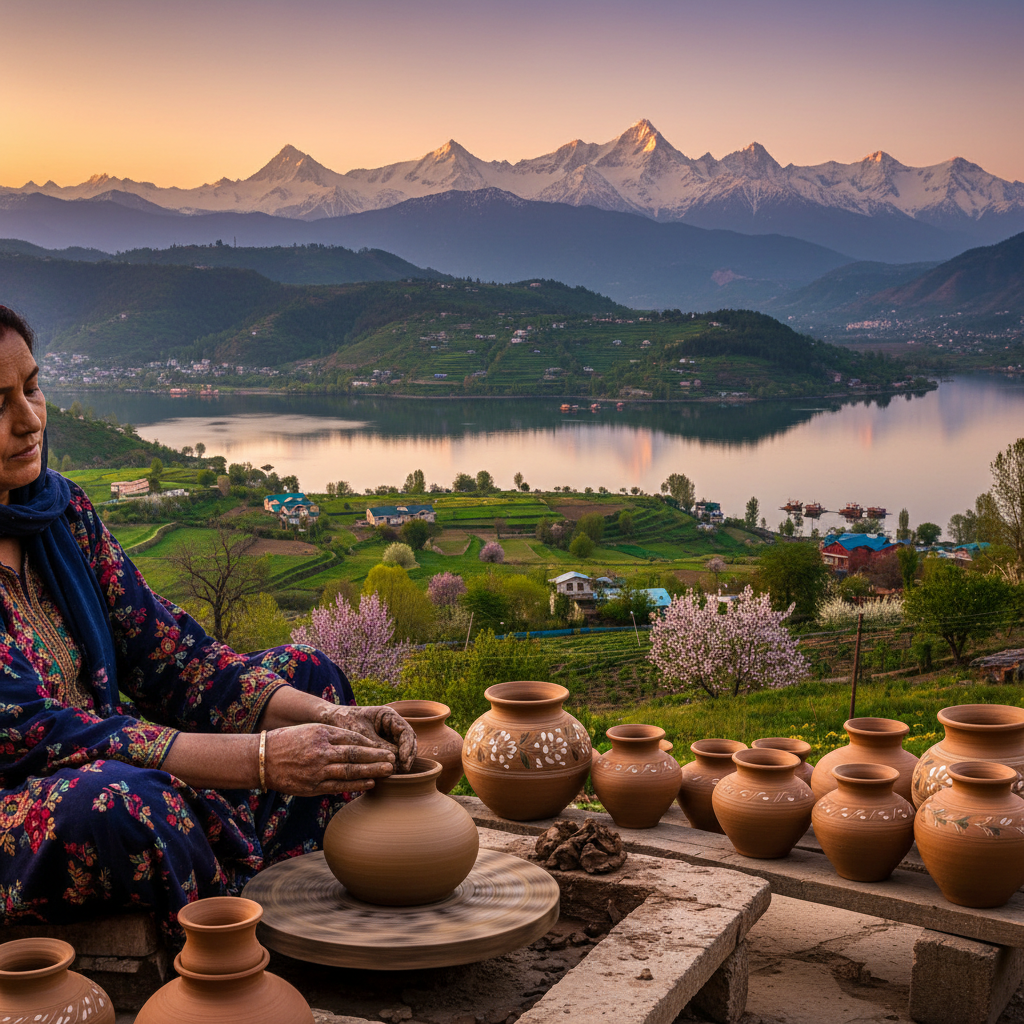
Kashmir's artistic heritage is vast and vibrant, and among its most cherished traditions is pottery making. Often overshadowed by the intricate Pashmina or delicate Papier-mâché, Kashmiri pottery holds a quiet charm, deeply rooted in the daily lives and cultural fabric of the Valley. This isn't just about shaping clay; it's about preserving centuries-old techniques, understanding local materials, and connecting with the rhythm of life that has sustained communities for generations. From utilitarian items like cooking pots and water storage vessels to decorative pieces adorned with motifs inspired by the surrounding nature, each piece tells a story. This guide is your invitation to delve into this less-explored facet of Kashmiri artistry, offering you a chance to not just observe, but to participate and create. It's an experience that appeals to culture enthusiasts, art lovers, and anyone seeking a genuine connection with the heart of Kashmir, far beyond the well-trodden tourist paths. It's a journey into the hands-on world of creation, patience, and the beautiful imperfections that define handmade art.
Why Experience Pottery Making in Kashmir? A Unique Cultural Immersion
Choosing to explore Kashmir through its pottery offers an unparalleled cultural immersion that few other activities can provide. Unlike simply buying a souvenir, engaging in the pottery-making process allows you to understand the effort, skill, and cultural significance behind each item. You'll work alongside local artisans, often in their traditional workshops – small, humble spaces that have witnessed generations of potters at work. This direct interaction offers a rare glimpse into their lives, their stories, and their deep connection to the craft. It's an opportunity to learn about the specific types of clay used in the region, sourced from riverbeds and local hills, and the traditional tools that have changed little over time. You'll gain a profound appreciation for the slow, deliberate pace of traditional craftsmanship in an increasingly fast-paced world. This experience isn't just about learning a skill; it's about making memories, fostering cross-cultural understanding, and taking home not just a piece of pottery, but a piece of Kashmir's soul, crafted by your own hands or inspired by the artisans you meet.
Best Time and Locations for Your Pottery Adventure
While pottery is a year-round craft in Kashmir, certain seasons offer more comfortable conditions for exploring workshops and interacting with artisans. Spring (April to May) and Autumn (September to November) are ideal, with pleasant weather making travel and outdoor exploration comfortable. Winters can be beautiful but may limit accessibility to some remote workshops due to snow. Summers (June to August) are also fine, though midday can be warm. The heart of traditional Kashmiri pottery lies primarily in and around Srinagar. Specific areas like Saida Kadal, located on the banks of Dal Lake, have historically been home to pottery communities. While modern development has altered some of these traditional enclaves, dedicated artisans still operate workshops in these older parts of the city and in some peripheral villages. For the most authentic experience, venturing slightly outside the immediate city centre to smaller villages known for their craft traditions is often rewarding. Your guide can help identify active workshops and arrange visits, as many operate from their homes or small, unmarked studios. Remember, these are often working spaces, not always set up for large tourist groups, so a personalized approach works best.
Planning Your Pottery Making Experience: What to Expect
A Kashmir pottery making experience typically involves a guided visit to an artisan's workshop, followed by a hands-on session. Firstly, you'll observe the artisan at work, demonstrating various stages from preparing the clay to throwing it on the wheel, shaping, and even traditional firing techniques if available. Many workshops still use kick wheels or rudimentary electric wheels, offering a genuine insight into their methods. Following the demonstration, you'll get your chance at the wheel. Don't expect to create a masterpiece on your first try! The focus is on the experience – feeling the clay, understanding the rhythm of the wheel, and the patient guidance of the artisan. Sessions can range from 1 to 3 hours, depending on the depth of the experience you seek. Some may include a simple hand-building activity, allowing you to create a small, personal keepsake. While elaborate firing and glazing might not be part of a short tourist session due to time constraints, some workshops might offer to fire and ship your piece (at an additional cost) or provide a small, pre-fired piece for you to decorate. It’s crucial to communicate your expectations beforehand to ensure the experience aligns with your interests.
Costs and Logistics: Making Your Visit Smooth
The cost for a Kashmir pottery making experience can vary, typically ranging from INR 1,500 to INR 4,000 per person for a dedicated workshop session, depending on the duration, the exclusivity of the artisan, and whether materials are included. This often covers the artisan's time, clay, and basic tools. Larger groups might receive a per-person discount. Transportation to and from the workshop will be an additional cost, usually arranged via a local taxi or shikara if the workshop is accessible by water. For solo travelers, a taxi from Srinagar city center to areas like Saida Kadal or relevant villages could range from INR 500-1000 for a round trip, depending on negotiation and distance. It's advisable to book your experience through a local tour operator like Mid Holidays, who can identify reputable artisans, translate if needed, and handle arrangements. This ensures a fair price for both you and the artisan, and a smooth experience overall. Be prepared to pay cash directly to the artisan or your guide, as card facilities are rare in these traditional settings. Factor in extra time for traffic in Srinagar, especially during peak seasons.
What to Pack and Tips for an Enriching Experience
When preparing for your pottery making experience, practical comfort is key. Wear old clothes or clothes you don't mind getting dirty – clay has a way of finding its way onto everything! Loose-fitting clothing that allows for ease of movement is also recommended. You might want to bring a small towel or wet wipes for quick clean-ups. For footwear, closed-toe shoes are generally better than open sandals. Carry a reusable water bottle, especially during warmer months. Beyond practical items, bring an open mind and a respectful attitude. Engage with the artisan, ask questions about their craft and their life (through your guide if there's a language barrier). Learning a few basic Kashmiri phrases like 'Assalamu Alaikum' (hello) and 'Shukriya' (thank you) can go a long way in building rapport. Remember that these are often working studios, not polished tourist attractions, so embrace the authentic environment. Be patient with yourself and the clay; pottery is a skill that takes years to master. The goal is to enjoy the process and appreciate the journey of creation, rather than striving for perfection on your first attempt.
Beyond the Wheel: Exploring Local Markets and Souvenirs
After your hands-on pottery experience, take some time to explore the local markets in Srinagar, particularly around areas like Lal Chowk or the old city. While specialized pottery shops might be rare, you might find stalls or small shops selling traditional clay items alongside other Kashmiri crafts. Look for terracotta lamps, decorative pots, small bowls, and even traditional Kashmiri utensils. These items often showcase the functional beauty of local pottery. If you created a piece during your session, discuss options for firing and shipping with your artisan or guide. Alternatively, many artisans will have finished pieces for sale directly from their workshop, offering a chance to support their craft directly. This is an excellent way to take home an authentic and meaningful souvenir, knowing that it was either made by your own hands or purchased directly from the person who poured their skill into its creation. It's a tangible reminder of your unique cultural journey in Kashmir and a way to preserve the legacy of these skilled craftspeople. Supporting local artisans helps sustain these ancient traditions for future generations.
Common Mistakes to Avoid for a Perfect Pottery Experience
To ensure your Kashmir pottery making experience is truly memorable, be mindful of a few common pitfalls. First, avoid showing up unannounced. Traditional workshops are often family-run and operate on their own schedule; an appointment (made through a local operator) ensures the artisan is prepared and can dedicate time to you. Second, don't expect a polished, commercial setup. These are authentic working environments, so embrace the rustic charm and potential for a little mess. Third, manage your expectations regarding your own pottery skills. It's about the process and connection, not necessarily creating a perfect pot on your first try. Be patient and enjoy the learning. Fourth, negotiate prices respectfully and fairly, especially if buying items directly. Over-haggling can be seen as disrespectful to the artisan's skill and livelihood. Finally, be mindful of photography. Always ask for permission before taking pictures of the artisans or their workspace. Some may prefer not to be photographed, or might have specific requests. Respecting these nuances will ensure a positive interaction and a genuinely enriching cultural exchange. At Mid Holidays, we specialize in curating such authentic experiences, connecting you with local traditions and skilled artisans for a truly unforgettable Kashmir trip. Consider one of our customized Kashmir packages that can include unique cultural activities like pottery making, allowing you to delve deeper into the Valley's soul.
Related Kashmir Guides & Services
<p>Planning the rest of your trip? These Mid Holidays guides pair well with this article:</p><ul><li><a href="/blog/pampore-saffron-fields-visit-guide">Pampore Saffron Fields Visit Guide: Kashmir's Golden Bloom</a></li><li><a href="/blog/10-mistakes-tourists-make-in-kashmir-avoid-these">10 Mistakes Tourists Make in Kashmir: Avoid These for a Perfect Trip</a></li><li><a href="/blog/kishtwar-travel-guide-kashmir-hidden-paradise">Kishtwar Travel Guide: Explore Kashmir's Hidden Paradise with Mid Holidays</a></li><li><a href="/blog/best-month-to-visit-gurez-valley">Best Month to Visit Gurez Valley: Your Ultimate Mid Holidays Guide</a></li><li><a href="/blog/kashmir-shikara-festival-guide">Kashmir Shikara Festival Guide: Dates, Events & Local Tips 2026</a></li></ul>
Frequently Asked Questions
Is previous pottery experience required to participate in a Kashmir pottery workshop?
No, absolutely no prior experience is required. These workshops are designed to be accessible to beginners and focus on providing an introductory, hands-on experience. The artisans are accustomed to guiding novices and will teach you the basic techniques, allowing you to enjoy the process of working with clay and the potter's wheel, regardless of your skill level. The emphasis is on cultural immersion and personal enjoyment.
Can I take home the pottery piece I create during the workshop?
It depends on the workshop and the type of experience booked. For short tourist sessions, elaborate firing and glazing might not be feasible due to time and process constraints. However, some workshops might offer to fire and ship your piece to you at an additional cost, while others may provide a small, pre-fired piece for you to decorate and take home immediately. Always clarify this before booking your session.
Are there opportunities to buy finished pottery products directly from the artisans?
Yes, most artisans will have a selection of their finished pottery available for purchase directly from their workshop. This is an excellent way to support their traditional craft and acquire authentic, handmade souvenirs. Buying directly from the artisan ensures fair compensation for their skill and effort, and you often get a better insight into the story behind each piece.
How long does a typical pottery making session last in Kashmir?
A typical hands-on pottery making session for tourists usually lasts between 1 to 3 hours. This duration generally includes an introduction to the craft, a demonstration by the artisan, and then your own guided attempt at the potter's wheel or a hand-building activity. Longer, more in-depth workshops might be available if arranged in advance and tailored to specific interests.
What kind of pottery is traditionally made in Kashmir?
Kashmiri pottery is traditionally utilitarian, focusing on items for daily use. This includes various types of earthenware like cooking pots, water storage vessels (often called 'matkas'), bowls, plates, and small lamps. Decorative pieces, sometimes adorned with simple floral or geometric motifs, are also made. The clay used is typically local, giving the pottery its distinctive earthy tones and rustic charm, reflecting the Valley's natural environment.
Is it possible to visit a pottery workshop as part of a larger Kashmir tour package?
Yes, absolutely! Many tour operators, including Mid Holidays, can customize your Kashmir itinerary to include a pottery making experience. It's a wonderful way to add a unique cultural dimension to your trip. We recommend informing your tour operator about your interest in advance so they can arrange a suitable visit to a reputable artisan's workshop and integrate it seamlessly into your travel plan.
Are pottery workshops suitable for families with children?
Yes, pottery workshops can be a fantastic and engaging activity for families with children. It offers a creative, hands-on experience that children often find fascinating. Artisans are usually very patient and good with kids, helping them to shape small pieces of clay. It’s an educational and memorable way for families to connect with local culture and enjoy a unique shared experience in Kashmir.
What is the best way to find and book a reputable pottery workshop in Kashmir?
The best way to find and book a reputable pottery workshop is through a local, experienced tour operator like Mid Holidays. They have established connections with authentic local artisans and can arrange guided visits. This ensures you find genuine craftspeople, helps overcome any language barriers, and ensures a fair and respectful interaction. Booking in advance through an operator makes for a smoother, more enriching experience.