Kashmir Wildlife Safari Permit Guide: Explore Sanctuaries & Parks
Kashmir Wildlife
Planning a wildlife safari in Kashmir? Our comprehensive Kashmir Wildlife Safari Permit Guide covers everything from necessary permits to best times to…
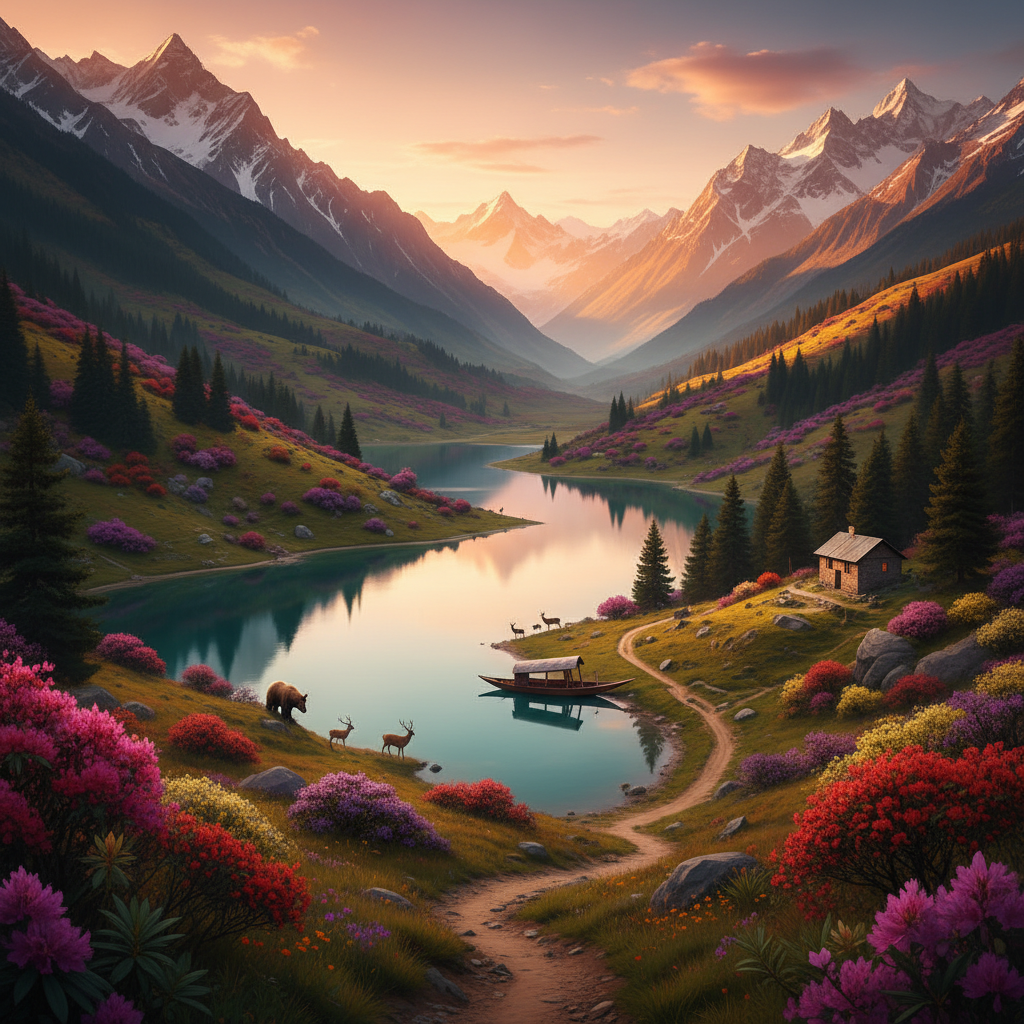
An Introduction to Kashmir's Wildlife Sanctuaries and Permit Essentials
Kashmir, often called 'Paradise on Earth,' is not just about its stunning landscapes and serene lakes; it's also a haven for diverse wildlife, tucked away in its numerous national parks and wildlife sanctuaries. Exploring these natural treasures offers a unique perspective on the region, far removed from the usual tourist trails. However, unlike general sightseeing, venturing into these protected areas requires specific permits and adherence to regulations, designed to safeguard both visitors and the fragile ecosystems. This guide, from Mid Holidays, a licensed local operator, is your go-to resource for understanding the Kashmir Wildlife Safari Permit Guide. We'll demystify the permit process, highlight key sanctuaries, and help you plan an ethical and unforgettable wildlife encounter in the Himalayas. From the elusive Hangul in Dachigam National Park to the rich avifauna of Hokersar, each visit demands respect for nature and strict compliance with local forest department rules. Understanding these steps is crucial for a smooth and responsible trip, ensuring you contribute positively to conservation efforts.
Who Needs a Permit and Why It's Important
Anyone planning to enter a designated National Park or Wildlife Sanctuary in Jammu & Kashmir, whether for trekking, birdwatching, photography, or a general safari, needs a valid entry permit. This applies to both domestic and international tourists. The permit system serves several critical purposes. Firstly, it helps regulate visitor numbers, preventing overcrowding and minimizing human impact on sensitive habitats. Secondly, the fees collected from these permits are vital for funding conservation projects, anti-poaching initiatives, habitat restoration, and supporting local communities involved in conservation. Thirdly, the permit process allows the Forest Department to monitor who is entering and exiting these areas, enhancing safety protocols, especially in remote regions. Without a permit, access will be denied, and attempting to enter illegally can lead to significant fines or legal action. It's a non-negotiable step for any responsible wildlife enthusiast, ensuring your adventure aligns with sustainable tourism practices and protects Kashmir's precious biodiversity for future generations.
Understanding the Permit Application Process: Step-by-Step
Obtaining your Kashmir wildlife safari permit generally involves a few straightforward steps, though specifics can vary slightly depending on the sanctuary. The primary authority is the Jammu & Kashmir Forest, Ecology & Environment Department. Typically, you'll need to apply at the concerned Range Office or Wildlife Warden's office located nearest to the sanctuary. For example, for Dachigam National Park, the office is usually in Srinagar. The application often requires a copy of your valid ID (Aadhaar, Passport, Driving License), details of your visit (dates, duration, number of people), and the purpose of your visit (e.g., wildlife viewing, trekking). It's advisable to apply at least a few days in advance, especially during peak seasons, as permits can be limited. Some popular parks might also offer online application facilities or allow local tour operators, like Mid Holidays, to assist with the process. The permit fee varies; expect it to be in the range of INR 100-500 per person per day for Indian nationals, and potentially higher for foreign nationals, usually quoted in USD or equivalent INR. Always carry the original permit and a copy of your ID during your visit, as it will be checked at entry points.
Key Wildlife Sanctuaries and Their Permit Specifics
Kashmir boasts several significant protected areas, each with unique permit requirements. Dachigam National Park, located near Srinagar, is perhaps the most famous, being the last refuge of the Hangul (Kashmir Stag). Permits for Dachigam are obtained from the Wildlife Warden's office in Srinagar, usually at the Chief Wildlife Warden's office near the Forest Complex. Gulmarg Wildlife Sanctuary, renowned for its diverse birdlife and species like the Musk Deer, requires permits obtainable from the Sanctuary's Range Office in Gulmarg. Overa-Aru Wildlife Sanctuary, near Pahalgam, known for its brown bear population, issues permits from the Forest Department office in Pahalgam. Kishtwar High Altitude National Park, a more remote and challenging destination, demands permits from the Wildlife Warden's office in Kishtwar. It's crucial to note that permit availability can depend on weather conditions, especially for high-altitude parks, and visitor restrictions may be imposed during certain seasons (e.g., breeding season or heavy snowfall). Always check the latest guidelines directly with the Forest Department or through a reliable local tour operator like Mid Holidays before planning your visit, as regulations can change.
Best Time to Visit for Wildlife Viewing and Permit Validity
The best time to visit Kashmir's wildlife sanctuaries largely depends on the species you hope to see and the specific sanctuary. For Dachigam National Park, early spring (March-April) and autumn (October-November) are ideal for spotting the Hangul, as they descend to lower altitudes. During winter, snowfall can restrict access to certain parts of the park, though it offers a chance to see some animals against a white backdrop. Gulmarg Wildlife Sanctuary is excellent for birdwatching during spring and summer (April-September), and for glimpses of mammals during late autumn and winter. Overa-Aru Wildlife Sanctuary is best visited from May to October when the snow has receded, making animal movements more visible. Kishtwar High Altitude National Park is accessible mainly from June to September due to heavy snow cover during other months. Permits are usually issued for specific dates and entry times. They are typically valid for one entry and exit, often for a few hours or a full day, depending on the park's regulations. Multi-day permits for trekking might be available for certain remote sanctuaries. Always confirm the validity period when applying for your permit.
Costs and Budgeting for Your Wildlife Safari Permits
When planning your Kashmir wildlife safari, budgeting for permits is essential. The cost of a permit typically ranges from INR 100 to INR 500 per person per day for Indian nationals, though this is an approximate range and can vary. Foreign nationals usually pay a higher fee, which might be anywhere from USD 10 to USD 30 or its equivalent in INR, depending on the sanctuary and duration. In addition to the entry permit, there might be additional charges for still cameras (INR 50-200), video cameras (INR 200-500), and sometimes for hiring a local guide, which is often mandatory in sensitive zones (INR 500-1500 per day, varying by guide experience and area). Vehicle entry fees, if you're using a private vehicle inside permitted areas, could also apply (INR 100-300). These figures are indicative and can change. Always carry sufficient cash in small denominations as many offices, especially in remote areas, may not have card facilities. Factor in transportation costs to reach the permit office and the sanctuary itself. A local tour operator can often provide a more precise and all-inclusive quote for your entire wildlife experience.
Responsible Wildlife Tourism: Rules and Etiquette
Engaging in responsible wildlife tourism is paramount for protecting Kashmir's natural heritage. Once you have your permit, remember that you are a guest in the animals' home. Always maintain a respectful distance from wildlife; never approach, feed, or provoke animals. Keep noise levels to a minimum to avoid disturbing them. Flash photography is generally prohibited, especially at night or near sensitive species, as it can cause distress. Stick to designated trails and paths; venturing off-road can damage vegetation and disturb habitats. Littering is strictly forbidden; carry out everything you carry in. Smoking and consuming alcohol are also typically prohibited within sanctuary limits. Listen to your guide and follow their instructions diligently, as they possess invaluable knowledge of the local ecosystem and animal behavior. Support local communities by choosing local guides and services. By adhering to these simple rules, you ensure your visit is not only memorable for you but also harmless to the incredible wildlife you've come to observe. Your permit is not just an entry ticket; it's a commitment to conservation.
Common Mistakes to Avoid and Expert Tips for Your Safari
To ensure a smooth and enjoyable wildlife safari in Kashmir, avoid common pitfalls. One significant mistake is assuming permits can be obtained on the spot, especially for popular parks; always apply in advance. Not carrying valid ID proofs is another common error that can lead to denied entry. Ignoring weather conditions and not dressing appropriately can make your experience uncomfortable or even unsafe. Many visitors also underestimate the need for an experienced local guide, who can significantly enhance your chances of spotting wildlife and provide crucial safety instructions. A major tip is to start your safari early in the morning or late in the afternoon, as these are generally the best times for wildlife activity. Be patient; spotting elusive animals requires time and quiet observation. Bring binoculars and a good camera with a zoom lens for better viewing and photography. For remote sanctuaries, ensure your vehicle is suitable for rough terrain. Mid Holidays recommends booking your wildlife safari through a reputable local agency that understands the permit system and can arrange all logistics, including guides and transportation, ensuring you have an authentic and hassle-free experience in Kashmir's wild heart.
Related Kashmir Guides & Services
<p>Planning the rest of your trip? These Mid Holidays guides pair well with this article:</p><ul><li><a href="/blog/tulail-valley-tour-kashmir-hidden-paradise">Tulail Valley Tour: Your Guide to Kashmir's Hidden Paradise</a></li><li><a href="/blog/best-time-to-visit-bangus-valley-kashmir">Best Time to Visit Bangus Valley: Your Ultimate Guide to Kashmir's Hidden Gem</a></li><li><a href="/blog/kashmir-tulip-garden-2026-travel-guide-local">Kashmir Tulip Garden 2026: Your Ultimate Local's Guide to Blooms & Beauty</a></li><li><a href="/blog/kashmir-in-march-spring-travel-guide">Kashmir in March: Your Ultimate Spring Travel Guide | Mid Holidays</a></li><li><a href="/blog/pampore-saffron-fields-visit-guide">Pampore Saffron Fields Visit Guide: Kashmir's Golden Bloom</a></li></ul>
Frequently Asked Questions
Can I obtain a wildlife safari permit online for any sanctuary in Kashmir?
Currently, a centralized online permit system for all wildlife sanctuaries in Kashmir is not universally available. While some national parks or specific areas might offer online applications or pre-booking options, the majority still require in-person applications at the respective Range Office or Wildlife Warden's office. It's always best to confirm the specific procedure for your chosen sanctuary through the official Forest Department website or by contacting a local tour operator like Mid Holidays.
How far in advance should I apply for a Kashmir wildlife permit?
It is highly recommended to apply for your Kashmir wildlife permit at least 2-3 days in advance, especially if you are visiting during peak tourist seasons (spring, autumn) or if you plan to visit a popular sanctuary like Dachigam National Park. For more remote parks or longer treks, applying a week in advance is advisable. This allows time for processing and ensures availability, as daily visitor limits may apply to protect the environment.
Are there different permit fees for Indian and foreign nationals?
Yes, typically there are different permit fees for Indian nationals and foreign nationals. Indian citizens generally pay a lower fee, often in the range of INR 100-500 per person per day. Foreign nationals usually pay a higher fee, which can range from USD 10-30 or its equivalent in INR, per person per day. These fees contribute to conservation efforts and park maintenance. Specific rates should be confirmed at the time of application.
Is it mandatory to hire a local guide for a wildlife safari in Kashmir?
For many wildlife sanctuaries and national parks in Kashmir, particularly in sensitive zones or for trekking routes, hiring a local forest guide is mandatory. Guides provide essential safety, track animals, and offer valuable insights into the local flora and fauna. Their expertise significantly enhances your safari experience and ensures compliance with park regulations. The cost for a guide is usually separate from the permit fee.
What documents do I need to carry for the permit application and during the safari?
For the permit application, you will typically need a valid photo identification document (e.g., Aadhaar card, Passport, Driving License) and photocopies of the same. During your wildlife safari, it is mandatory to carry the original permit document and your original photo ID, as these will be checked at entry points and by forest officials within the sanctuary. For foreign nationals, your passport and visa are essential.
Can I take my personal vehicle inside the Kashmir wildlife sanctuaries?
Whether you can take your personal vehicle inside a Kashmir wildlife sanctuary depends on the specific park's regulations. Some parks allow private vehicles up to a certain point, often with an additional vehicle entry fee, while others may require you to use designated safari vehicles or jeeps provided by the forest department or local operators. It's crucial to inquire about vehicle access rules when obtaining your permit.
Are there any specific restrictions on photography inside the wildlife parks?
Yes, there are often specific restrictions on photography inside Kashmir's wildlife parks and sanctuaries. Flash photography is generally prohibited as it can disturb animals. Professional camera equipment might incur higher fees. Drones are usually not permitted without special permission. Always check with the permit issuing authority or your guide about the specific photography rules for the sanctuary you are visiting to avoid issues.