Kashmir Drone Photography Rules: Your Ultimate Legal Guide 2024
Kashmir Travel & Photography Guide
Planning to fly a drone in Kashmir? This comprehensive guide outlines the latest Kashmir drone photography rules, permits, restricted zones, and essential…
Understanding Kashmir's Drone Landscape: An Overview
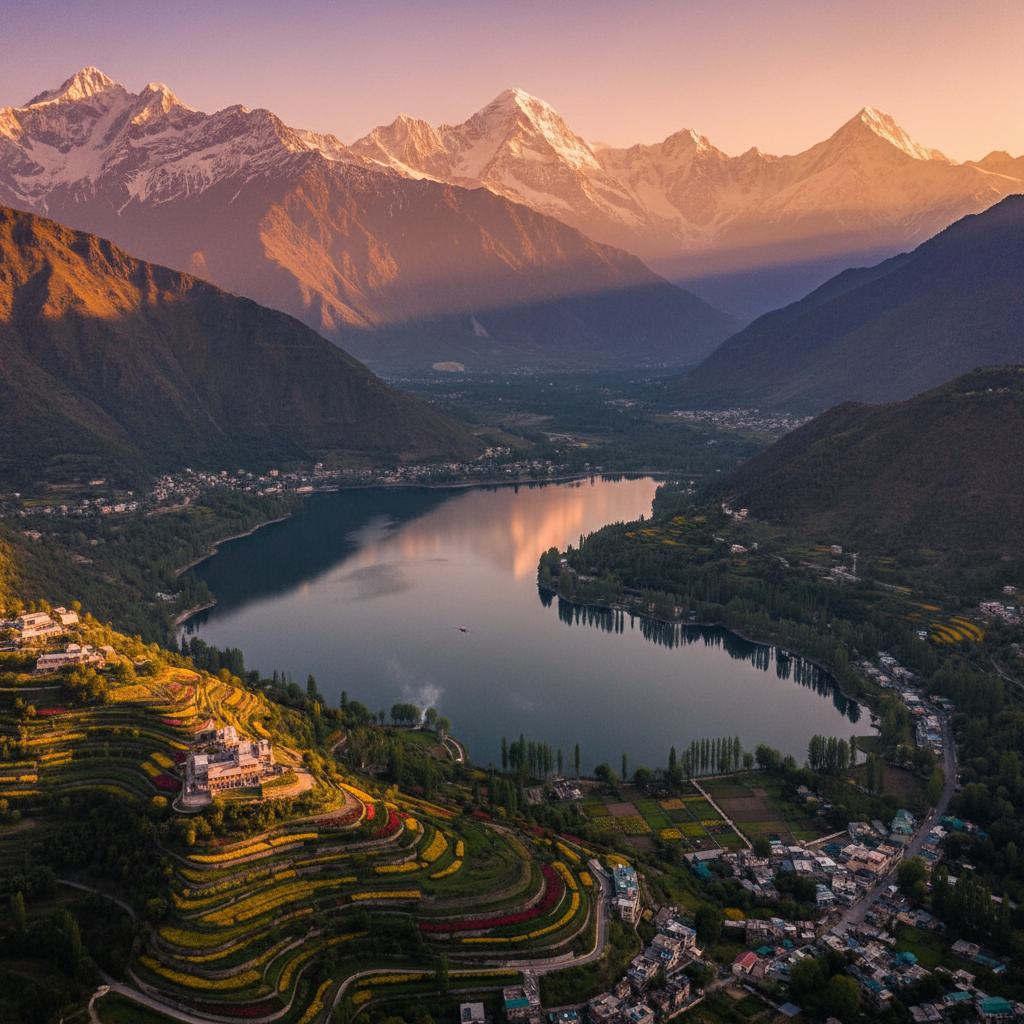
Kashmir, with its breathtaking landscapes of snow-capped mountains, serene lakes, and lush valleys, is an irresistible muse for photographers. The allure of capturing these vistas from an aerial perspective using drones is understandable. However, it's crucial to acknowledge that Kashmir operates under specific, and often stricter, regulations compared to other parts of India, particularly when it comes to drone usage. This isn't just about general aviation rules; it's deeply tied to national security concerns given the region's geopolitical sensitivity. Therefore, attempting to fly a drone without proper knowledge and permissions can lead to serious legal consequences, including confiscation of equipment, hefty fines, or even detention. Our aim at Mid Holidays is to ensure your travel and photographic endeavors are both memorable and compliant. This guide will walk you through the necessary steps and current regulations for Kashmir drone photography, ensuring you can plan responsibly and capture stunning, legal aerial shots of this paradise on Earth. Always remember, the beauty of Kashmir is best enjoyed and preserved through respectful and lawful interaction.
The Legal Framework: DGCA Guidelines and Local Specifics
Drone operations in India are governed by the Directorate General of Civil Aviation (DGCA) under the Ministry of Civil Aviation. Their latest 'Drone Rules, 2021' provide a comprehensive framework. However, for regions like Jammu and Kashmir, these national rules are augmented by stricter local directives due to security considerations. The entire Union Territory of Jammu and Kashmir, along with Ladakh, falls under special zones where drone operations are highly restricted or prohibited without explicit, higher-level permissions. Simply put, while the DGCA rules might seem straightforward for recreational use in other parts of India, they are significantly more complex and stringent here. Even small, seemingly innocuous drones require careful consideration. There's no 'casual' drone flying in Kashmir; every flight must be authorized. Ignoring these rules isn't just a minor infraction; it’s a serious breach of security protocols, and authorities are vigilant. It’s imperative to understand that this isn’t an inconvenience but a necessity for the region's safety and stability, and compliance is non-negotiable.
Mandatory Permissions: What You Need Before Take-Off
Before even contemplating flying a drone in Kashmir, you must secure multiple layers of permissions. Firstly, every drone operator in India needs to register their drone and obtain a Unique Identification Number (UIN) and an Operator Permit from the DGCA's Digital Sky platform. This is the foundational step. For Kashmir specifically, this is just the beginning. You will then need to seek explicit permission from local civil and military authorities. This typically involves applying to the District Magistrate's office of the specific district you intend to fly in, and often, an additional No-Objection Certificate (NOC) from the relevant army cantonment or security establishment in the area. These permissions are not granted lightly and require a strong, detailed justification for drone use, such as for professional film production with government approval, or specific survey projects. Recreational drone photography for tourists is generally not permitted, or extremely difficult to obtain approval for. The process can be time-consuming, requiring several weeks or even months for approvals, so plan well in advance.
Restricted Zones and No-Fly Zones: Know Your Boundaries
Kashmir has extensive restricted and no-fly zones for drones. Effectively, the majority of the region, especially near military installations, government buildings, border areas, and high-security zones, falls under strict prohibition. Popular tourist spots like Dal Lake, Pahalgam, Gulmarg, and Sonamarg, while picturesque, are often in proximity to sensitive areas, making drone flights highly regulated or outright banned. Even if you secure a general DGCA permit, you must cross-reference it with local no-fly zone maps, which are not always publicly available in detail due to security reasons. It's safe to assume that any area not explicitly cleared by local authorities is a no-fly zone. A crucial tip: always check with local police or the District Magistrate's office directly before even unpacking your drone. The consequences of flying in a no-fly zone are severe, potentially leading to immediate confiscation of your drone and legal action. This is one area where it's far better to be overly cautious than to take any chances.
Navigating the Application Process: A Step-by-Step Guide
The application process for drone permissions in Kashmir is multi-layered. First, ensure your drone is registered on the DGCA's Digital Sky platform (digitalsky.dgca.gov.in) and you have the necessary UIN and Remote Pilot Certificate (RPC), if applicable. This is mandatory for all drones above nano category (250 grams). Next, prepare a detailed application outlining your purpose, specific locations (with GPS coordinates), dates, duration of flight, drone specifications, and pilot credentials. This application, along with copies of your DGCA permits, will need to be submitted to the District Magistrate's office of the concerned district. Be prepared for a thorough vetting process and potentially an interview. In many cases, you might also be directed to obtain an NOC from the local police and possibly even the Army, depending on the proximity to sensitive areas. Follow up diligently, but understand that approvals are not guaranteed and are often reserved for specific, government-approved projects or commercial ventures with clear and justifiable objectives. Recreational drone use is typically not permitted.
Responsible Drone Operation: Best Practices in Kashmir
Even if you manage to secure the necessary permits, responsible operation is paramount. Always operate your drone within Visual Line of Sight (VLOS). Respect privacy: avoid flying over private property, crowded areas, or religious sites without explicit permission. Be mindful of local wildlife and natural ecosystems; drones can disturb animals, especially birds. Check weather conditions thoroughly before each flight, as sudden changes in mountainous terrain can be dangerous. Maintain a safe distance from infrastructure, power lines, and human gatherings. Importantly, always carry all your permit documents, UIN, and RPC (if applicable) with you during operations, as you may be asked to produce them by authorities at any time. Should you encounter any official questioning, cooperate fully and provide all requested documentation. Your adherence to these practices not only ensures your safety and legal compliance but also contributes to maintaining a positive perception of drone technology in this sensitive region. Remember, your actions reflect on all drone enthusiasts.
What to Expect if Caught Without Permission: Consequences and Avoidance
The consequences of flying a drone in Kashmir without the requisite permissions are severe and should not be underestimated. At the very least, your drone will be immediately confiscated. Beyond that, you could face significant fines under various sections of the Indian Penal Code, including those related to national security. There's also the very real possibility of detention and legal proceedings, which can be a lengthy and distressing experience far from home. Authorities in Kashmir are particularly vigilant about unauthorized drone activities, given the history of security threats. To avoid such scenarios, the simplest and most effective advice is: do not attempt to fly a drone in Kashmir unless you have secured every single necessary permit from all relevant civil and military authorities. If you are a tourist primarily interested in recreational photography, it is highly advisable to leave your drone at home. The administrative hurdles and the high risk of non-compliance simply outweigh the potential for aerial shots. Instead, focus on capturing Kashmir's beauty through traditional photography and videography, where the local regulations are much clearer and less restrictive. Mid Holidays always recommends prioritizing safety and legal compliance above all else.
Related Kashmir Guides & Services
<p>Planning the rest of your trip? These Mid Holidays guides pair well with this article:</p><ul><li><a href="/blog/kashmir-gifts-to-buy-for-family-guide">Kashmir Gifts for Family: Your Ultimate Buying Guide by Mid Holidays</a></li><li><a href="/blog/kashmir-camping-permit-guide">Kashmir Camping Permit Guide: Your Ultimate Local's Handbook</a></li><li><a href="/blog/kashmir-tulip-garden-2026-travel-guide-local">Kashmir Tulip Garden 2026: Your Ultimate Local's Guide to Blooms & Beauty</a></li><li><a href="/blog/car-rental-kashmir-self-drive-taxi-guide">Car Rental in Kashmir: Your Ultimate Guide to Self-Drive & Taxi Services</a></li><li><a href="/blog/best-places-to-visit-kashmir-travel-guide">Top Places to Visit in Kashmir: Your Ultimate Travel Guide (2024)</a></li></ul>
Frequently Asked Questions
Is recreational drone flying allowed for tourists in Kashmir?
Generally, no. Recreational drone flying for tourists in Kashmir is highly restricted and, in most cases, effectively prohibited. The permissions required are extensive, involving multiple civil and military authorities, and are rarely granted for mere recreational purposes. It's strongly advised for tourists to avoid bringing drones to Kashmir to prevent legal complications and confiscation.
What is Digital Sky and why is it important for drone operators in Kashmir?
Digital Sky is the online platform launched by India's Directorate General of Civil Aviation (DGCA) for drone operations. It's crucial because all drones (except nano category flying below 50 ft) must be registered here, and operators need to obtain a Unique Identification Number (UIN) and, if applicable, a Remote Pilot Certificate. This is a mandatory first step, even before seeking Kashmir-specific local permissions.
Which government bodies issue drone permits for Kashmir?
For Kashmir, permits involve multiple government bodies. Initially, you need DGCA's Digital Sky registration. Beyond that, you'll require explicit permission from the District Magistrate of the specific district where you intend to fly. Additionally, No-Objection Certificates (NOCs) from the local police and potentially the Indian Army or other security forces in the vicinity are often necessary.
Are there any specific drone size or weight restrictions in Kashmir?
While DGCA rules categorize drones by weight (nano, micro, small, medium, large), Kashmir's specific security directives often supersede general guidelines. Even nano drones (under 250 grams) are not exempt from the need for local permissions in restricted zones. It's safer to assume all drones, regardless of size, require explicit approval in Kashmir.
Can I bring my drone to Kashmir and use it only for ground photography?
Bringing a drone into Kashmir isn't explicitly forbidden, but using it for ground photography without flying it might still raise questions from security personnel who are alert to drone presence. It's best to declare it if questioned and explain its purpose. However, the primary concern is aerial operation, and the safest approach is to simply not carry a drone if you don't have flight permissions.
What kind of projects might get drone flying permission in Kashmir?
Permissions are generally reserved for highly specialized projects with clear, justifiable objectives. This includes professional film production teams with government-issued shooting permits, official government surveys, infrastructure development monitoring, or emergency services. These typically involve extensive vetting and coordination with multiple security agencies.
What's the best advice for a tourist wanting aerial views of Kashmir?
Given the strict Kashmir drone photography rules, the best advice for a tourist seeking aerial views is to enjoy the natural beauty through other means. Many viewpoints offer stunning panoramas, and local guides can show you incredible photographic spots. Consider using a professional local photographer if you need specific aerial shots for commercial purposes, as they might have existing contacts or the knowledge to navigate the complex permit process more effectively.
How long does it take to get drone permits for Kashmir?
The duration for obtaining drone permits for Kashmir can vary significantly but is generally a lengthy process. Expect it to take several weeks to a few months, especially when dealing with multiple layers of civil and military approvals. The process involves background checks, verification of purpose, and inter-departmental coordination, so planning well in advance is absolutely essential.