Dachigam National Park: Kashmir Wildlife Guide & Your Visit
Kashmir National Parks
Explore Dachigam National Park, Kashmir's premier wildlife sanctuary, with our comprehensive guide. Discover Hangul, diverse flora, and plan your visit for…
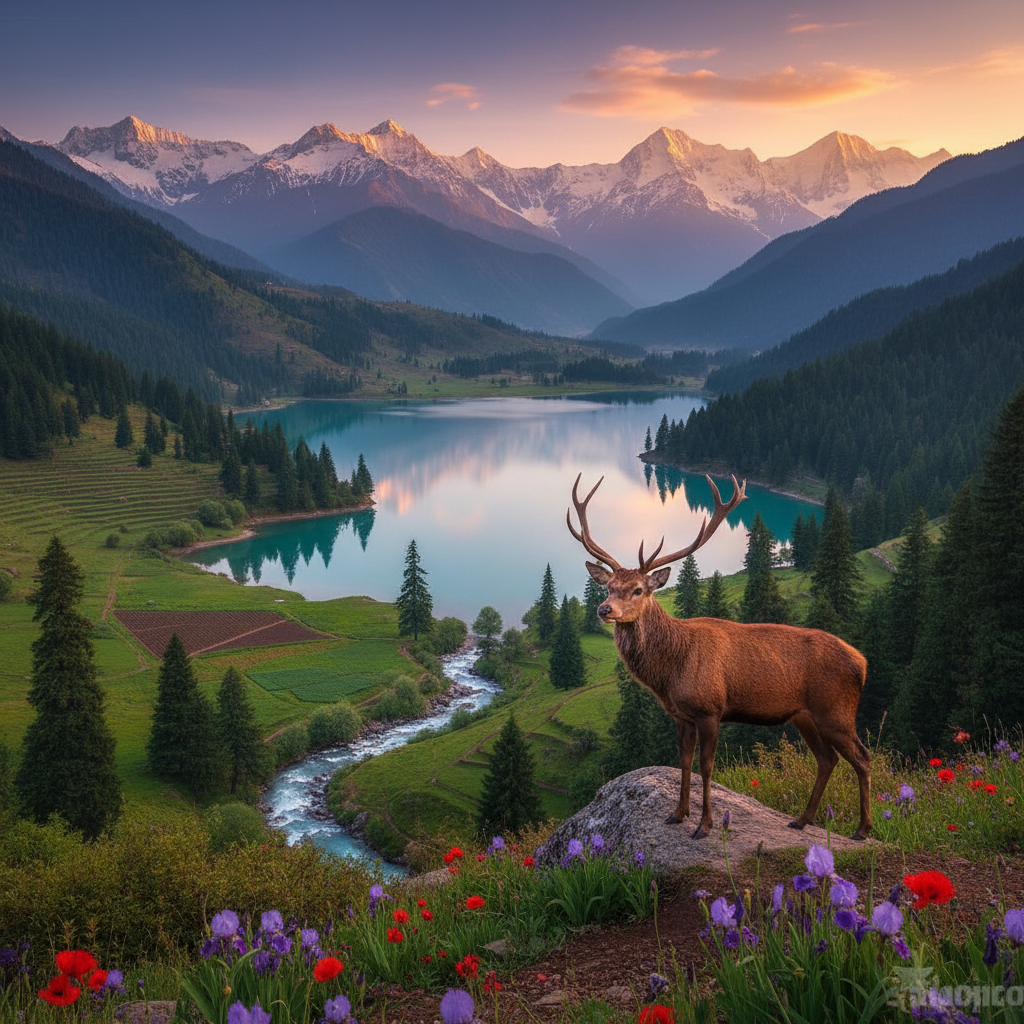
Discovering Dachigam National Park: Kashmir's Wildlife Jewel
Nestled just 22 kilometers from Srinagar, Dachigam National Park is not merely a wildlife sanctuary but a testament to Kashmir's rich biodiversity. Its name, literally meaning 'ten villages', commemorates the ten villages that were relocated to create this protected area. Covering an expanse of approximately 141 square kilometers, Dachigam is unique for its dramatic altitude variations, ranging from 5,500 feet to nearly 14,000 feet above sea level. This diverse topography creates distinct ecological zones, supporting an incredible array of flora and fauna. The park is divided into two main sections: Lower Dachigam, which is more accessible and where most wildlife sightings occur, and Upper Dachigam, characterized by its high-altitude grasslands and alpine pastures, reachable primarily in the warmer months. Our guide will help you navigate this magnificent park, offering insights into its unique ecosystem and how to best experience its natural wonders. It's an essential visit for anyone keen on experiencing Kashmir's wild side, far removed from the usual tourist trails, and offers a deep dive into conservation efforts for endangered species like the Hangul. Understanding the park's layout and ecological significance is key to appreciating its role in preserving Kashmir's natural heritage.
The Hangul's Haven: A Closer Look at Dachigam's Star Resident
The undisputed star of Dachigam National Park is the Hangul, or Kashmir Stag (Cervus hanglu hanglu). This critically endangered species of red deer is unique to Kashmir and is found predominantly within the park's boundaries. Once widespread across the Himalayas, the Hangul population dwindled drastically, making Dachigam its last significant stronghold. Conservation efforts have been intense here, and your visit directly supports these vital initiatives. Spotting a Hangul in its natural habitat is a truly humbling experience, a privilege few get to witness. While sightings are not guaranteed, especially given their elusive nature, your chances are highest during the early morning or late afternoon, particularly in Lower Dachigam. Beyond the Hangul, the park is also home to a fascinating array of other mammals. Keep an eye out for the elusive Himalayan Black Bear, especially during autumn when they feed on berries, and the equally shy Common Leopard. Other inhabitants include the Himalayan Grey Langur, Musk Deer, and various species of wild goats and sheep in the higher reaches. The park's varied terrain provides ideal habitats for these diverse creatures, making every visit a potential discovery.
Best Time to Visit Dachigam: Seasons, Weather, and Wildlife
Choosing the right time to visit Dachigam National Park significantly impacts your wildlife viewing experience. While the park is technically open year-round, accessibility and wildlife activity vary greatly with the seasons. The spring months, from March to May, are ideal. The weather is pleasant, and the park is lush green, making it perfect for spotting various animals. This is also when the Hangul are more active in the lower reaches before migrating to higher altitudes. Another excellent period is autumn, from September to November. During these months, the foliage turns spectacular hues of gold and crimson, and the Hangul descend from the high pastures for their rutting season, increasing your chances of a sighting. The Himalayan Black Bears are also more visible as they forage for food before hibernation. Winter (December to February) brings heavy snowfall, making Upper Dachigam inaccessible. While Lower Dachigam remains open, wildlife sightings can be more challenging due to the cold and snow, though a snowy landscape has its own serene beauty. Summers (June to August) can be hot, and many animals, including the Hangul, move to the cooler, higher elevations, making them harder to spot. For photography and optimal wildlife encounters, stick to spring and autumn.
Planning Your Journey: How to Reach and Get Around Dachigam
Reaching Dachigam National Park is straightforward from Srinagar. The park's entrance is located at the lower section, approximately 22 kilometers from the city center, and it typically takes about 45 minutes to an hour by road, depending on traffic conditions. The most convenient way to reach the park is by hiring a private taxi or cab from Srinagar. Mid Holidays can arrange reliable transport for you, ensuring a comfortable journey. While local buses do ply routes towards the area, they might not drop you directly at the park entrance, requiring a short walk or another local transport leg. Upon arrival, visitors are generally restricted to designated vehicle tracks within Lower Dachigam. Private vehicles are not usually allowed inside the park beyond a certain point, and you will need to hire an authorized park vehicle and guide at the entrance. This ensures minimal disturbance to the wildlife and adheres to park regulations. Exploring the park is primarily done via these guided safaris, which offer the best opportunities for spotting animals and understanding the ecosystem from an experienced local perspective. There are also a few designated walking trails in Lower Dachigam, but always with a guide for safety and to respect the wildlife habitat. Remember to carry your identification for entry purposes.
Flora and Avifauna: Beyond the Mammals of Dachigam
Dachigam National Park's ecological richness extends far beyond its famed Hangul and other mammals. The park boasts an incredibly diverse flora, showcasing the distinct zones created by its varying altitudes. Lower Dachigam is characterized by dense forests of coniferous trees like pine, deodar, and cypress, interspersed with broadleaf species such as wild cherry, plum, and oak. In spring, these areas burst into vibrant colors with wild flowers, including potentillas, sedges, and buttercups. As you ascend into Upper Dachigam, the vegetation transitions to alpine pastures, rhododendrons, and juniper bushes, with treeline disappearing at the highest elevations. This botanical diversity forms the backbone of the park's ecosystem, providing food and shelter for all its inhabitants. For birdwatchers, Dachigam is a paradise, home to over 150 species of birds. Keep an eye out for the colourful Monal Pheasant, the strikingly beautiful Koklass Pheasant, and the Himalayan Rubythroat. Raptors like the Golden Eagle and Bearded Vulture (Lammergeier) can often be seen soaring high above the cliffs. Other notable birds include the Pygmy Owlet, Streaked Laughingthrush, and various species of woodpeckers and tits. Birding expeditions, especially in the mornings, are highly rewarding.
Entry Formalities, Guides, and Park Regulations
Visiting Dachigam National Park requires adherence to certain formalities and regulations, all designed to protect its fragile ecosystem and ensure visitor safety. Upon arrival at the main entrance in Lower Dachigam, you will need to pay an entry fee, which varies for Indian nationals and foreign tourists. It's advisable to check the latest fee structure beforehand, as it can change. Photo identification is mandatory for all visitors. While booking in advance is not always strictly necessary, it's a good idea, especially during peak seasons, to ensure availability of vehicles and guides. You will be assigned a certified park guide who will accompany you throughout your safari. These guides are invaluable, possessing deep knowledge of the park's wildlife, flora, and history, significantly enhancing your viewing experience and ensuring your safety. Strict rules regarding noise levels, littering, and staying on designated paths must be followed. Feeding animals or attempting to interact with them is strictly prohibited. Remember, you are entering their home. Photography is generally allowed, but flash photography, especially at night or close to animals, should be avoided. Always listen to your guide's instructions; they are there to make your visit safe, enjoyable, and respectful of nature.
Responsible Tourism: Tips for a Meaningful Visit to Dachigam
A visit to Dachigam National Park offers a unique opportunity to connect with nature, and responsible tourism ensures that this precious habitat remains preserved for future generations. Firstly, always stick to designated trails and within your assigned vehicle. Wandering off-path can disturb wildlife, damage vegetation, and put you at risk. Secondly, maintain silence or speak in hushed tones, especially when near potential wildlife sighting areas. Loud noises can scare animals away and disrupt their natural behavior. Carry all your trash back with you; leaving any litter, even biodegradable items, can harm the ecosystem. Avoid plastic if possible. Dress in muted colors like greens, browns, or greys to blend into the natural environment, rather than bright, contrasting colors that can alert animals. A good pair of binoculars is highly recommended for better wildlife viewing without encroaching on their space. Support local communities by choosing local guides and perhaps purchasing local crafts outside the park. Remember, Dachigam is a critical conservation area, and every visitor plays a role in its protection. By following these guidelines, you contribute to a positive impact and ensure a truly meaningful and respectful wildlife experience in Kashmir.
Related Kashmir Guides & Services
<p>Planning the rest of your trip? These Mid Holidays guides pair well with this article:</p><ul><li><a href="/blog/best-month-to-visit-gurez-valley">Best Month to Visit Gurez Valley: Your Ultimate Mid Holidays Guide</a></li><li><a href="/blog/best-time-to-visit-bangus-valley-kashmir">Best Time to Visit Bangus Valley: Your Ultimate Guide to Kashmir's Hidden Gem</a></li><li><a href="/blog/best-time-to-visit-sonmarg-travel-guide">Best Time to Visit Sonmarg: Your Ultimate Travel Guide by Mid Holidays</a></li><li><a href="/blog/leh-ladakh-best-time-to-visit-month-wise">Leh Ladakh Best Time to Visit Month-Wise: Your Ultimate Guide</a></li><li><a href="/blog/kashmir-in-march-spring-travel-guide">Kashmir in March: Your Ultimate Spring Travel Guide | Mid Holidays</a></li></ul>
Frequently Asked Questions
What makes Dachigam National Park unique for wildlife viewing?
Dachigam National Park is unique primarily because it is the last natural habitat for the critically endangered Hangul (Kashmir Stag). Its significant altitude variation, from sub-tropical to alpine zones, also creates a remarkably diverse ecosystem, supporting a wide range of flora and fauna, including bears, leopards, and over 150 bird species, all within close proximity to Srinagar.
Can I explore Dachigam National Park without a guide?
No, it is mandatory to hire an authorized park vehicle and a certified guide when entering Dachigam National Park. This policy is in place for several reasons: to ensure visitor safety, protect the wildlife from disturbance, and educate visitors about the park's ecosystem and conservation efforts. Your guide will enhance your experience significantly.
What are my chances of spotting a Hangul in Dachigam?
While Hangul sightings are not guaranteed due to their elusive nature and critically endangered status, your chances are highest during the spring (March-May) and autumn (September-November) months. Early mornings and late afternoons, particularly in Lower Dachigam, are generally the best times for a potential sighting when they are more active.
Are there accommodation options available inside Dachigam National Park?
There are no direct accommodation options inside Dachigam National Park for tourists. The park is primarily for day visits. Most visitors stay in Srinagar, which offers a wide range of hotels, guesthouses, and houseboats. The park is easily accessible from Srinagar for a half-day or full-day excursion, allowing you to return to comfortable lodging.
What photography rules should I be aware of in Dachigam?
Photography is generally permitted inside Dachigam National Park. However, it's crucial to avoid using flash photography, especially when near animals, as it can startle or stress them. Always maintain a respectful distance from wildlife and avoid any actions that might disturb their natural behavior. Always adhere to your guide's instructions regarding photography.
Is Dachigam National Park suitable for children?
Yes, Dachigam National Park can be a wonderful and educational experience for children, especially those interested in nature and wildlife. The short travel distance from Srinagar and the guided safari format make it accessible. Ensure children understand the importance of quiet behavior and respecting wildlife for a rewarding family visit.
What should I pack for a visit to Dachigam National Park?
Pack essentials like comfortable walking shoes, binoculars for better wildlife viewing, a camera, and a hat or cap. Depending on the season, carry appropriate layers of clothing; even in spring, mornings can be cool. Don't forget water, any personal medications, and valid photo identification for park entry.