Kashmir Camping Permit Guide: Your Ultimate Local's Handbook
Kashmir Adventure Travel
Planning to camp in Kashmir's stunning wilderness? Our Kashmir Camping Permit Guide provides essential details, costs, and tips from local experts at Mid…
Understanding Kashmir Camping Permits: What You Need to Know
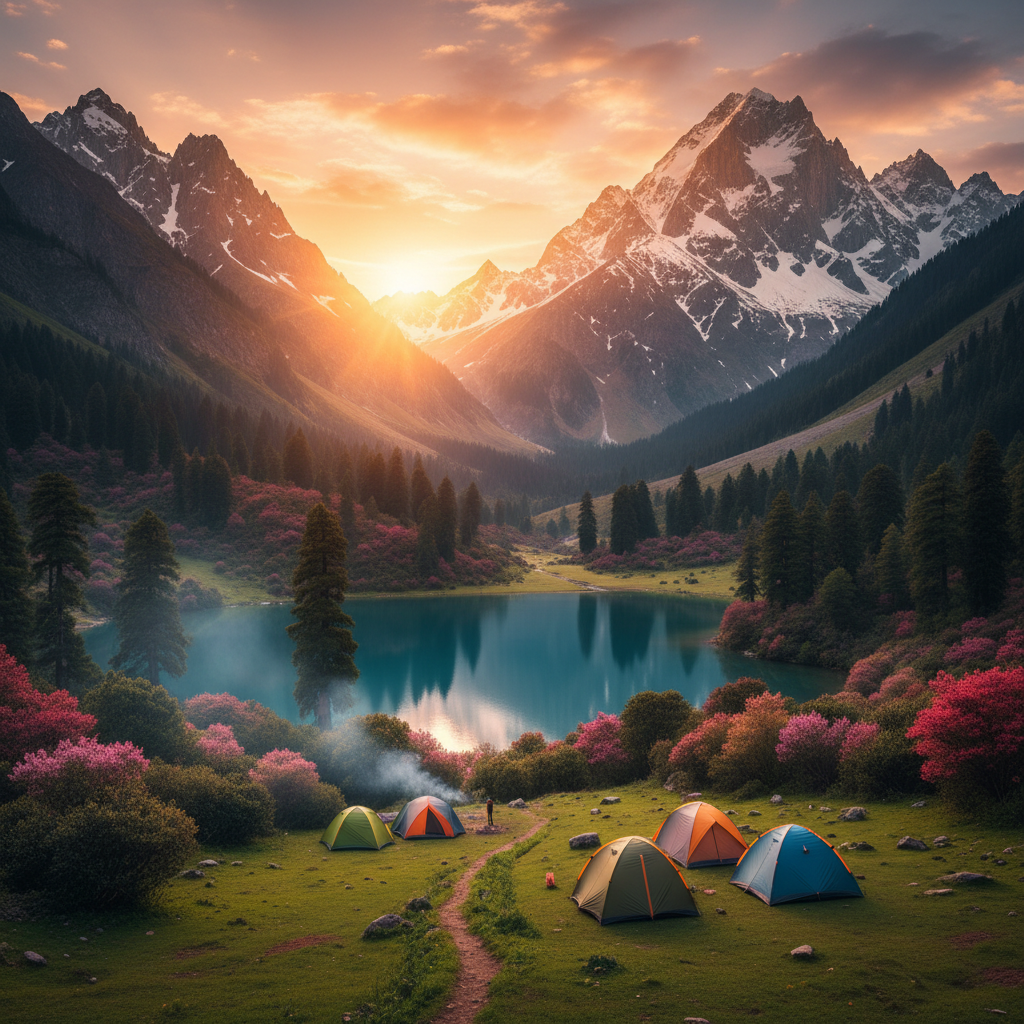
Camping in Kashmir offers an unparalleled opportunity to connect with nature, from the serene meadows of Sonamarg to the pristine lakes nestled in high-altitude valleys. However, unlike a casual picnic, setting up a tent in many of Kashmir's most beautiful and ecologically sensitive areas requires an official camping permit. This isn't just bureaucratic red tape; it's a vital measure put in place by the Jammu & Kashmir Forest Department and other local authorities to protect the fragile Himalayan ecosystem and ensure visitor safety. Our aim at Mid Holidays is to make this process as clear as possible, helping you navigate the requirements for a responsible and unforgettable camping experience. You'll need permits for most designated campsites, especially those within national parks, wildlife sanctuaries, and popular trekking routes like the Kashmir Great Lakes Trek. Even for some offbeat locations, it's always best to check in advance to avoid any last-minute complications or fines. The permit process ensures controlled tourism, preventing overcrowding and minimizing human impact on natural habitats, which is crucial for preserving the paradise that is Kashmir.
Why Are Camping Permits Necessary in Kashmir?
The requirement for camping permits in Kashmir stems from several critical reasons, all aimed at safeguarding both the environment and the visitors. Firstly, environmental conservation is paramount. Many prime camping locations are within protected areas, home to diverse flora and fauna, some of which are endangered. Unregulated camping can lead to littering, habitat destruction, and disturbances to wildlife. Permits help control the number of campers, ensuring that these areas remain pristine for future generations. Secondly, safety and security are significant concerns, particularly in remote and high-altitude regions. Authorities need to know who is in these areas, their planned routes, and expected return times to assist in emergencies such as sudden weather changes, lost trekkers, or medical incidents. For example, during the Kashmir Great Lakes Trek, permits allow officials to monitor traffic and respond swiftly if a group is overdue. Thirdly, it's about sustainable tourism. By regulating access, the local administration can manage resources effectively, prevent degradation of popular sites, and ensure a positive experience for everyone. This system also helps in developing and maintaining basic facilities, like waste management, at designated campsites. Ignoring the permit system not only risks penalties but also undermines the collective effort to preserve Kashmir's natural beauty.
Types of Permits and Where to Apply: A Step-by-Step Guide
The type of permit you need largely depends on your chosen camping location. Broadly, permits fall under the jurisdiction of the Forest Department, Wildlife Department, or local district administration. For most popular trekking and camping areas, especially those involving multi-day treks through forests and alpine meadows, you'll primarily interact with the Forest Department. For example, if you're camping in areas leading to high-altitude lakes or within specific wildlife reserves, you might need a permit from the local Wildlife Warden's office. The application process typically involves submitting a formal application letter, photocopies of identity proofs (Aadhar card, passport, driving license), and a detailed itinerary of your camping plan, including entry and exit points, duration, and the number of members in your group. Some permits may also require details of your local guide or porter. It's highly recommended to apply for these permits in advance, especially during peak seasons like June to September, as processing can take a few days. While a fully online system is still developing, most applications are processed physically at the respective department offices in Srinagar (Forest Department office, Tourist Reception Centre area) or the nearest district headquarters like Ganderbal for Sonamarg-related permits, or Anantnag for Pahalgam-related ones. Always carry multiple copies of your permits during your trip, as they might be checked at various checkpoints.
Required Documents and Information for Your Permit Application
To ensure a smooth permit application process for camping in Kashmir, have all your documents in order. Here's a list of what you'll typically need: first, a formal application letter addressed to the relevant authority (e.g., Divisional Forest Officer or Wildlife Warden) stating your intent to camp, dates, and locations. This letter should clearly mention the names of all group members. Second, identification proofs: Aadhar cards are universally accepted for Indian nationals. Foreigners will need photocopies of their passport and valid Indian visa. Carry originals for verification. Third, a detailed itinerary: This should include your start and end dates, specific camping spots, and planned trekking routes. This helps authorities track your whereabouts for safety. Fourth, contact details: Provide your phone number and an emergency contact. Fifth, group details: A list of all individuals in your camping party, including their names, ages, and addresses. Sixth, local guide/porter details: If you're hiring a local guide or porter (which is often recommended for remote areas), their details might also be required. Sometimes, a no-objection certificate (NOC) from your local village head or a letter from a registered tour operator like Mid Holidays might be beneficial or even mandatory for certain offbeat locations. Always ensure all documents are legible and up-to-date. Having extra passport-sized photographs can also be useful, though not always explicitly requested.
Permit Costs and Associated Fees: What to Budget For
The cost of camping permits in Kashmir is generally quite reasonable, designed to be a regulatory fee rather than a revenue generator. However, the exact charges can vary depending on the area, duration of your stay, and whether you are an Indian national or a foreign tourist. Typically, permit fees range from INR 100 to INR 500 per person per day for Indian citizens. For foreign nationals, these fees might be slightly higher, often in the range of INR 300 to INR 1000 per person per day. Some permits might also have a flat group fee or a per-tent charge. For example, camping within designated Forest Department campsites might have a specific tariff, while permits for general wilderness camping might be a fixed fee per person for the duration of the trek. These fees are usually paid directly at the Forest or Wildlife Department offices when you submit your application. It's important to note that these permit fees do not include other costs like local guide charges, porter services, equipment rental, or any entrance fees to national parks or wildlife sanctuaries, which might be separate. Always inquire about the total applicable fees at the time of application to avoid surprises. Budgeting for these fees in advance is crucial for a smooth trip. Mid Holidays can provide updated information on current charges when you book a camping tour with us, ensuring transparency in all costs.
Best Time to Apply and Seasonal Considerations for Camping
The best time to apply for a Kashmir camping permit largely aligns with the ideal camping season, which is typically from late spring (May-June) to early autumn (September-October). During these months, the weather is most favorable, with pleasant temperatures and relatively stable conditions in the high-altitude regions. However, applying for permits a minimum of 7-10 days in advance is always a good practice, especially if your travel dates fall within the peak tourist season (June to August). This allows ample time for processing and any potential unforeseen delays. Some areas, particularly higher altitude zones that become snow-bound in winter, are only accessible for camping during these warmer months. For example, the routes to places like the Tarsar Marsar lakes or the main sections of the Kashmir Great Lakes Trek are generally open from late June until mid-September. Attempting to camp outside these windows, or in unadvised winter conditions, might not only make permits harder to obtain but also pose significant safety risks due to heavy snowfall and extreme cold. Always check local weather forecasts and road conditions before finalizing your camping plan and permit application. Remember, flexibility in your dates can sometimes make the permit acquisition process easier, especially if you're targeting a less busy period within the camping season.
Common Mistakes to Avoid While Applying for Camping Permits
Navigating the permit process can have its pitfalls. To ensure a smooth experience, avoid these common mistakes: First, failing to apply in advance. Many trekkers arrive in Srinagar expecting to get permits on the same day, only to face delays or discover offices are closed. Always apply well before your trip, especially if you're traveling from outside Kashmir. Second, incomplete documentation. Missing ID proofs, an unclear itinerary, or an improperly filled application form are frequent reasons for rejection or delays. Double-check everything. Third, not specifying exact camping locations. Vague plans like 'camping somewhere in Sonamarg' won't cut it. Authorities need precise details for your safety and environmental monitoring. Fourth, assuming permits aren't needed for 'offbeat' spots. While some truly remote areas might have less stringent checks, many seemingly quiet spots are still within regulated forest or wildlife zones. It's always safer to inquire than to assume. Fifth, not carrying physical copies. Even if you've been granted an e-permit (rare, but sometimes possible), local check posts often require physical proof. Keep multiple copies in waterproof bags. Finally, relying solely on online information without local verification. Rules and contact points can change, so a quick call to the relevant department or a trusted local operator like Mid Holidays before you arrive can save a lot of hassle. Avoiding these common errors will make your permit acquisition much less stressful.
Local Insights and Tips for a Smooth Camping Experience
As a local tour operator, Mid Holidays has a wealth of experience in navigating Kashmir's permit system and ensuring smooth camping trips. Here are some invaluable tips: First, consider hiring a local guide. Not only do they enhance your safety and knowledge of the terrain, but they are also often well-versed in the permit application process and can even assist in obtaining them. Second, be respectful and cooperative with local authorities. They are there to help and protect both you and the environment. A friendly approach goes a long way. Third, 'Leave No Trace' is not just a slogan; it's a critical principle. Pack out everything you pack in, including all waste. Designated camping areas might have basic facilities, but always be prepared for wilderness conditions. Fourth, be prepared for unpredictable weather, even in summer. High-altitude regions can experience sudden drops in temperature, rain, or even snow. Carry appropriate gear, including warm clothing and good quality tents. Fifth, inform someone about your plans. Even with permits, letting family or friends know your itinerary and expected return is a smart safety measure. Lastly, if you're unsure about any aspect of camping permits or planning your trip, don't hesitate to reach out to us at Mid Holidays. We specialize in crafting tailor-made Kashmir camping adventures, handling all logistics, including permit acquisition, so you can focus solely on experiencing the unparalleled beauty of the valley. Our packages include comprehensive support, ensuring a responsible and memorable journey through Kashmir's magnificent landscapes. Visit kashmir.midholidays.in to explore our camping and trekking tours.
Related Kashmir Guides & Services
<p>Planning the rest of your trip? These Mid Holidays guides pair well with this article:</p><ul><li><a href="/blog/pampore-saffron-fields-visit-guide">Pampore Saffron Fields Visit Guide: Kashmir's Golden Bloom</a></li><li><a href="/blog/kashmir-bargaining-shopping-tips-guide">Kashmir Bargaining & Shopping: Your Ultimate Local's Guide</a></li><li><a href="/blog/khardung-la-pass-complete-guide">Khardung La Pass Complete Guide: Conquering the Himalayan Giant</a></li><li><a href="/blog/pangong-lake-camping-guide">Pangong Lake Camping Guide: Your Ultimate Ladakh Adventure</a></li><li><a href="/blog/kashmir-tulip-garden-2026-travel-guide-local">Kashmir Tulip Garden 2026: Your Ultimate Local's Guide to Blooms & Beauty</a></li></ul>
Frequently Asked Questions
Do I need a permit for all camping locations in Kashmir?
While not every single spot in Kashmir requires a permit, most designated campsites, especially those within protected areas like national parks, wildlife sanctuaries, or popular trekking routes (e.g., Kashmir Great Lakes Trek), do. It's always best practice to check with the local Forest or Wildlife Department, or a trusted local operator like Mid Holidays, to confirm permit requirements for your specific planned location to avoid any issues during your trip.
Can I obtain camping permits online for Kashmir?
Currently, a comprehensive online system for obtaining camping permits for all areas in Kashmir is not fully established. Most applications still require a physical submission at the respective Forest Department or Wildlife Department offices in Srinagar or the nearest district headquarters. It's advisable to factor in time for this offline process when planning your trip, or engage a local tour operator for assistance.
What happens if I camp without a permit in a regulated area?
Camping without a valid permit in a regulated area in Kashmir can lead to penalties, which may include fines or being asked to dismantle your camp and leave the area. More importantly, it undermines efforts to conserve the fragile Himalayan ecosystem and could pose a safety risk as authorities won't be aware of your presence in remote areas. Always secure your permits to ensure a responsible and enjoyable trip.
How far in advance should I apply for a camping permit?
It is highly recommended to apply for your camping permit at least 7 to 10 days before your intended camping dates, especially if you are traveling during the peak season (June to August). This allows sufficient time for processing by the Forest or Wildlife Department and accounts for any public holidays or unforeseen administrative delays. For groups, even more lead time is advisable.
Are camping permits for foreign nationals different from Indian citizens?
Yes, typically, camping permit fees and sometimes the application process can differ for foreign nationals compared to Indian citizens. Foreigners usually pay a higher fee. They will also need to provide photocopies of their passport and a valid Indian visa as part of their identification documents. Always specify your nationality during the application process to ensure correct procedures are followed.
Do I need a local guide to get a camping permit?
While not always explicitly mandatory for obtaining the permit itself, having a local guide can significantly ease the permit acquisition process. Local guides are familiar with the specific offices, required documents, and current regulations. For safety reasons, and often as a condition for permits in more remote or challenging trekking areas, authorities may also recommend or even require a local guide.
What kind of information about my camping gear do I need to provide for the permit?
Generally, you do not need to provide detailed information about your specific camping gear (e.g., tent brand, sleeping bag type) when applying for a permit. The focus is more on your personal identification, itinerary, group size, and planned locations. However, authorities may inquire about your preparedness for high-altitude or wilderness conditions, so ensure you are adequately equipped for safety.
Are there any specific restrictions on camping activities even with a permit?
Yes, even with a permit, there are often restrictions designed to protect the environment. These commonly include prohibitions on lighting open fires, disposing of waste improperly, disturbing wildlife, collecting flora, or playing loud music. Adhering to 'Leave No Trace' principles is crucial. Permits usually outline these rules, and it's important to read and understand them before your trip.