Kashmir Vegan, Vegetarian & Jain Food Guide: Eat Well in Paradise
Kashmir Food Guide
Explore Kashmir's culinary landscape for vegan, vegetarian, and Jain travellers. Our guide covers local dishes, best restaurants, and essential tips for…
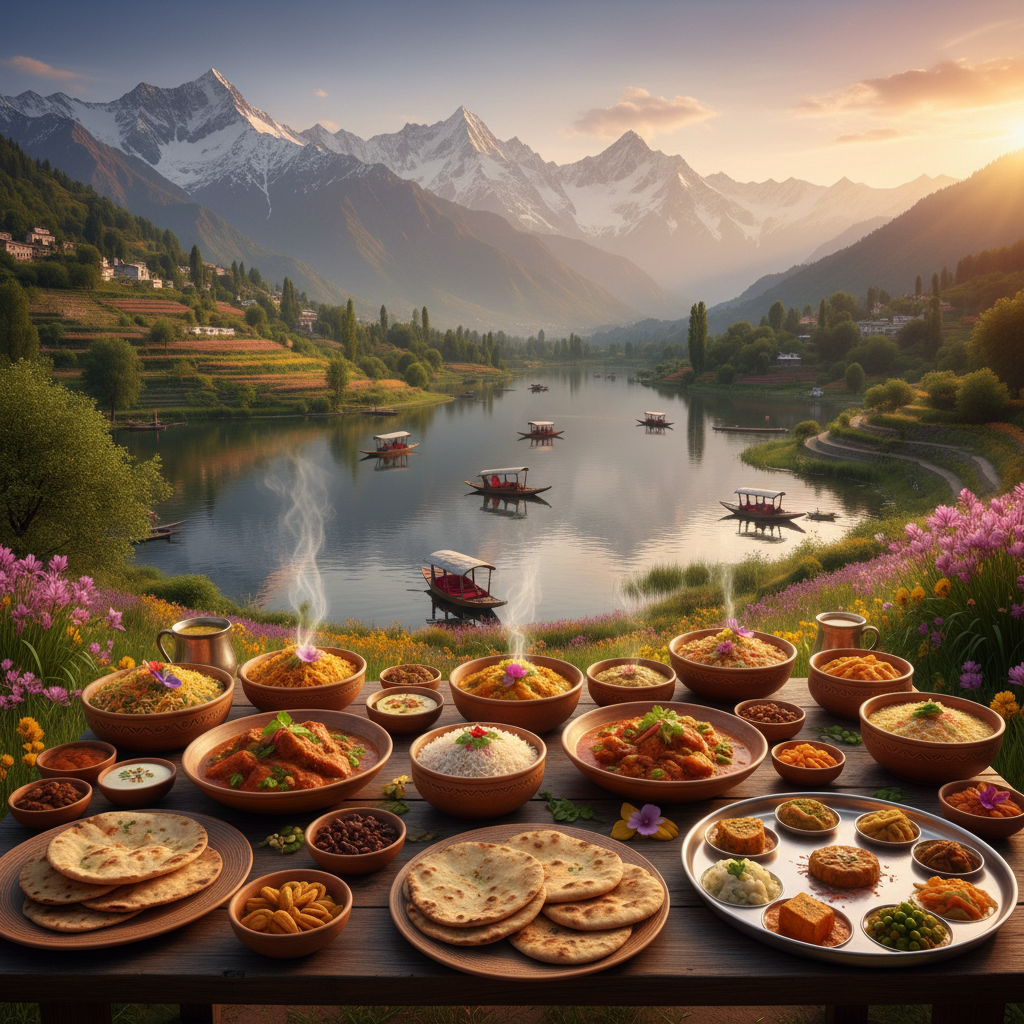
Navigating Kashmir's Culinary Scene for Vegan, Vegetarian & Jain Travellers
Kashmir, often celebrated for its breathtaking landscapes and the iconic non-vegetarian Wazwan feast, might seem like a challenging destination for those on a vegan, vegetarian, or Jain diet. However, this couldn't be further from the truth. While the region is famous for its rich meat-based cuisine, the local diet also boasts a delightful array of plant-based dishes, deeply rooted in Kashmiri Pandit traditions and the availability of fresh, seasonal produce. With a little guidance and preparation, vegan, vegetarian, and Jain travellers can enjoy a truly authentic and flavourful culinary journey through the Valley. The key is understanding local ingredients, knowing what to ask for, and sometimes, pre-arranging meals, especially for stricter Jain dietary needs. We've spent years exploring every corner of Kashmir, and we're here to share our insights on how to eat incredibly well, adhering to your dietary preferences, while experiencing the true taste of this paradise. From hearty staple vegetables to unique spice blends, Kashmir offers a surprising bounty for the plant-based palate.
Understanding Traditional Kashmiri Vegetarian & Vegan Options
The Kashmiri Pandit community has a rich vegetarian culinary heritage that forms the backbone of many plant-based offerings. Unlike the Muslim Wazwan which is meat-centric, Pandit cuisine leans heavily on vegetables, legumes, and paneer (Indian cheese). Key dishes to look out for include Nadru Yakhni (lotus stem in a yogurt-based gravy, often made with curd so vegans need to specify no curd/cream), Dum Aloo (baby potatoes cooked in a rich, spicy gravy), Chaman Kaliya (fried paneer in a turmeric-based gravy), and Haakh (collard greens, simply prepared with mustard oil and spices – usually vegan). Muji Chetin (radish chutney) is another delicious and often vegan accompaniment. When ordering, especially for vegan diets, it's crucial to specify 'no paneer', 'no milk', 'no ghee', and 'no curd'. Many gravies that appear vegetarian might still contain dairy products. Look for vegetable preparations cooked in mustard oil, which is a staple in Kashmiri kitchens and naturally vegan. Lentils and beans are also common, usually prepared in simple, flavourful gravies that are inherently vegan-friendly.
Jain Food in Kashmir: Specific Requirements and How to Cater
For Jain travellers, dietary restrictions are more stringent, primarily excluding root vegetables like onion, garlic, potatoes, carrots, and beetroot, alongside animal products. While finding ready-made Jain meals in general restaurants in Kashmir can be very challenging, it's certainly not impossible with prior planning. The best approach for Jain food in Kashmir involves two main strategies: first, staying in hotels or guesthouses that are aware of and can cater to Jain dietary needs, which often means larger establishments or those frequented by Jain tour groups. Second, communicating clearly with your tour operator or hotel kitchen well in advance. Many chefs, if given sufficient notice and ingredients, can prepare custom Jain meals. We at Mid Holidays often coordinate with our partner hotels to ensure our Jain guests receive suitable meals. Expect simpler, yet flavourful, dishes using leafy greens, pulses, and specific vegetables allowed in Jainism. Bringing some ready-to-eat Jain snacks or instant meal packets can also be a helpful backup during travel or excursions.
Best Restaurants and Dhabas for Vegetarian & Vegan Delights in Srinagar
Srinagar offers several excellent spots for vegetarian and vegan food, though some may require specific requests. Shamyana Restaurant on Boulevard Road is known for its wide menu, including decent vegetarian options; just be clear about vegan requirements. Krishna Dhaba, a very popular vegetarian spot near Dal Gate, is a safe bet for pure vegetarian Indian food and can often accommodate Jain requests with prior notice. They understand 'no onion, no garlic'. For a more local flavour, many smaller eateries (dhabas) around Lal Chowk and Residency Road offer simple, home-style vegetable curries and dal, often cooked with mustard oil. Always ask the waiter about ingredients like ghee or cream if you're vegan. On a houseboat, your chef can typically prepare excellent vegetarian meals; again, a clear conversation about 'no dairy' for vegan or 'no root vegetables' for Jain is essential. For a quick bite, look for fresh fruit stalls or bakeries (though check ingredients for eggs/dairy).
Eating Beyond Srinagar: Gulmarg, Pahalgam, and Sonamarg
When travelling to popular tourist spots like Gulmarg, Pahalgam, and Sonamarg, finding vegetarian and vegan options remains manageable, but Jain options become trickier. In Gulmarg, most hotels and the few standalone restaurants cater to a diverse tourist crowd. The restaurants at Khyber Resort and Hotel Highlands Park, for instance, offer extensive menus with dedicated vegetarian sections and can often make vegan adjustments. Smaller eateries around the Gondola base provide basic Indian vegetarian thalis. Similarly, in Pahalgam, restaurants along the main market road and within hotels will have vegetarian choices. Dana Pani is a well-known vegetarian restaurant in Pahalgam. For Sonamarg, which is less developed, hotel restaurants are your primary reliable source for meals. Always inform your hotel or guesthouse upon booking about your dietary preferences. For Jain travellers, carrying some dry snacks or instant meals is highly recommended for these more remote locations, as dedicated Jain preparation might be limited or unavailable.
Essential Phrases and Tips for Ordering Safely
Clear communication is paramount. Here are a few essential phrases that might help: 'Main shakahari hoon' (I am vegetarian), 'Main poora shakahari hoon, doodh ya paneer nahi khata/khati' (I am completely vegetarian, I don't eat milk or paneer – good for vegans), 'Pyaz, lehsun, aloo, gajar, chukandar ke bina' (Without onion, garlic, potato, carrot, beetroot – for Jain). Always confirm if ghee (clarified butter) or cream is used. Emphasise 'tel mein banaya hua' (made in oil) instead of ghee. Opt for dishes like 'Dal Fry', 'Aloo Gobhi', 'Mixed Vegetable' (confirming ingredients), or 'Haakh' (collard greens). When staying in a hotel, inform the front desk and kitchen staff immediately upon arrival about your dietary needs. If travelling with a tour operator like Mid Holidays, we ensure this communication happens seamlessly on your behalf. Don't hesitate to ask for simpler preparations of vegetables if you're unsure about specific gravies.
Packing Smart: Snacks and Self-Sufficiency
Even with careful planning and communication, it's always wise to be self-sufficient, especially for longer excursions or stricter diets. Pack a supply of non-perishable, ready-to-eat snacks like energy bars, nuts, dried fruits, biscuits (check ingredients), and instant oatmeal packets. For Jain travellers, carrying instant Jain thalis or 'just add hot water' meals can be a lifesaver, particularly when local options are limited. Many hotels can provide hot water upon request. A small electric kettle might also be useful for preparing your own drinks or instant meals in your room. While Kashmir has general stores, finding specific vegan or Jain-friendly packaged foods might be challenging outside of Srinagar's main markets. A small bottle of your preferred oil or even some specific spices could also be helpful if you plan to self-cater in an apartment or homestay with kitchen facilities.
Planning Your Vegan/Vegetarian/Jain Kashmir Trip with Mid Holidays
At Mid Holidays, we understand that dietary preferences are a crucial part of a comfortable and enjoyable trip. As a local, licensed tour operator based in Kashmir, we have extensive experience in curating bespoke travel experiences, including catering to specific dietary needs such as vegan, vegetarian, and Jain. Our team works closely with our network of hotels, houseboats, and trusted restaurants across the Valley to ensure your meals are not just safe, but also delicious and authentic. We advise discussing your specific dietary requirements in detail with our travel consultants during the planning phase. This allows us to select accommodations and tailor itineraries that best suit your needs, making necessary arrangements for special meals. Whether it's ensuring a Jain meal at a hotel in Pahalgam or a vegan Kashmiri feast on a houseboat in Srinagar, our goal is to provide a worry-free culinary journey. Let us handle the details, so you can focus on soaking in the unparalleled beauty and hospitality of Kashmir. Contact Mid Holidays today to plan your personalised Kashmir tour package, where your dietary preferences are always a priority.
Related Kashmir Guides & Services
<p>Planning the rest of your trip? These Mid Holidays guides pair well with this article:</p><ul><li><a href="/blog/kashmir-wazwan-food-guide">Kashmir Wazwan Food Guide: A Culinary Journey with Mid Holidays</a></li><li><a href="/blog/kashmir-fuel-station-availability-guide">Kashmir Fuel Station Availability Guide: Essential Tips for Your Trip</a></li><li><a href="/blog/kashmir-tour-package-from-nagpur">Kashmir Tour Package from Nagpur: Your Gateway to Paradise with Mid Holidays</a></li><li><a href="/blog/kashmir-tour-package-with-airfare-mid-holidays">Kashmir Tour Package with Airfare - Your Ultimate Mid Holidays Guide</a></li><li><a href="/blog/kashmir-honeymoon-packages-romantic-getaways">Kashmir Honeymoon Packages: Your Complete Guide to Romantic Getaways</a></li></ul>
Frequently Asked Questions
Is it difficult to find vegetarian food in Kashmir?
Not at all. While non-vegetarian Wazwan is famous, Kashmiri Pandit cuisine is rich in vegetarian dishes. Most restaurants and dhabas in tourist areas offer Indian vegetarian options like paneer, dal, and various vegetable curries. Many local Kashmiri vegetable preparations like Nadru Yakhni and Haakh are naturally vegetarian. With clear communication, you'll find plenty of delicious choices.
How can I ensure my food is vegan in Kashmir?
To ensure your food is vegan, you must clearly specify 'no milk, no paneer, no curd, no ghee, and no cream'. Many gravies might contain dairy products even if they appear vegetable-based. Opt for dishes cooked in mustard oil, like Haakh, or simple lentil preparations. Communicating directly with the chef or your tour operator (like Mid Holidays) is the most reliable way.
Are there dedicated Jain restaurants in Kashmir?
Dedicated Jain restaurants are rare in Kashmir. However, some larger, well-established hotels, especially in Srinagar, are experienced in catering to Jain dietary requirements if informed in advance. Krishna Dhaba in Srinagar is a pure vegetarian restaurant that can often prepare Jain-friendly meals upon request. It's advisable to always pre-arrange your meals for stricter Jain diets.
What are some naturally vegan Kashmiri dishes?
Naturally vegan Kashmiri dishes include Haakh (collard greens cooked in mustard oil), various lentil preparations (dal), and some simple vegetable stir-fries. Muji Chetin (radish chutney) is also usually vegan. When ordering Nadru Yakhni (lotus stem), specify 'no curd' to make it vegan, as it's traditionally yogurt-based. Always confirm ingredients to be safe.
Should I carry my own food if I have strict dietary needs?
Yes, especially for Jain travellers or those with severe allergies, carrying some non-perishable, ready-to-eat snacks, dry fruits, and instant meal packets is highly recommended. This provides a reliable backup, particularly during travel between towns or in more remote areas where specific dietary accommodations might be challenging to find on short notice. Hot water is usually available in hotels.
Can hotels in Kashmir cater to specific dietary requests?
Most reputable hotels, particularly those accustomed to diverse tourist groups, can cater to vegetarian diets easily. For vegan and Jain requirements, it's crucial to inform them well in advance, ideally at the time of booking. This allows the kitchen staff to procure necessary ingredients and plan meals accordingly. Clear and repeated communication upon arrival is also very helpful.
What vegetables are commonly used in Kashmiri cooking?
Kashmiri cuisine heavily uses seasonal vegetables. Common ones include lotus stem (nadru), collard greens (haakh), spinach (palak), knol-khol (monji), various gourds, and potatoes. Root vegetables like onions, garlic, and ginger are frequently used in many preparations, so Jain travellers need to be explicit about their exclusion. Fresh produce is a highlight of the local diet.