Kashmir Trout Fishing Guide: An Angler's Paradise with Mid Holidays
Kashmir Fishing Adventure
Your ultimate Kashmir Trout Fishing Guide from Mid Holidays. Discover the best spots, seasons, permits, gear, and local insights for an unforgettable…
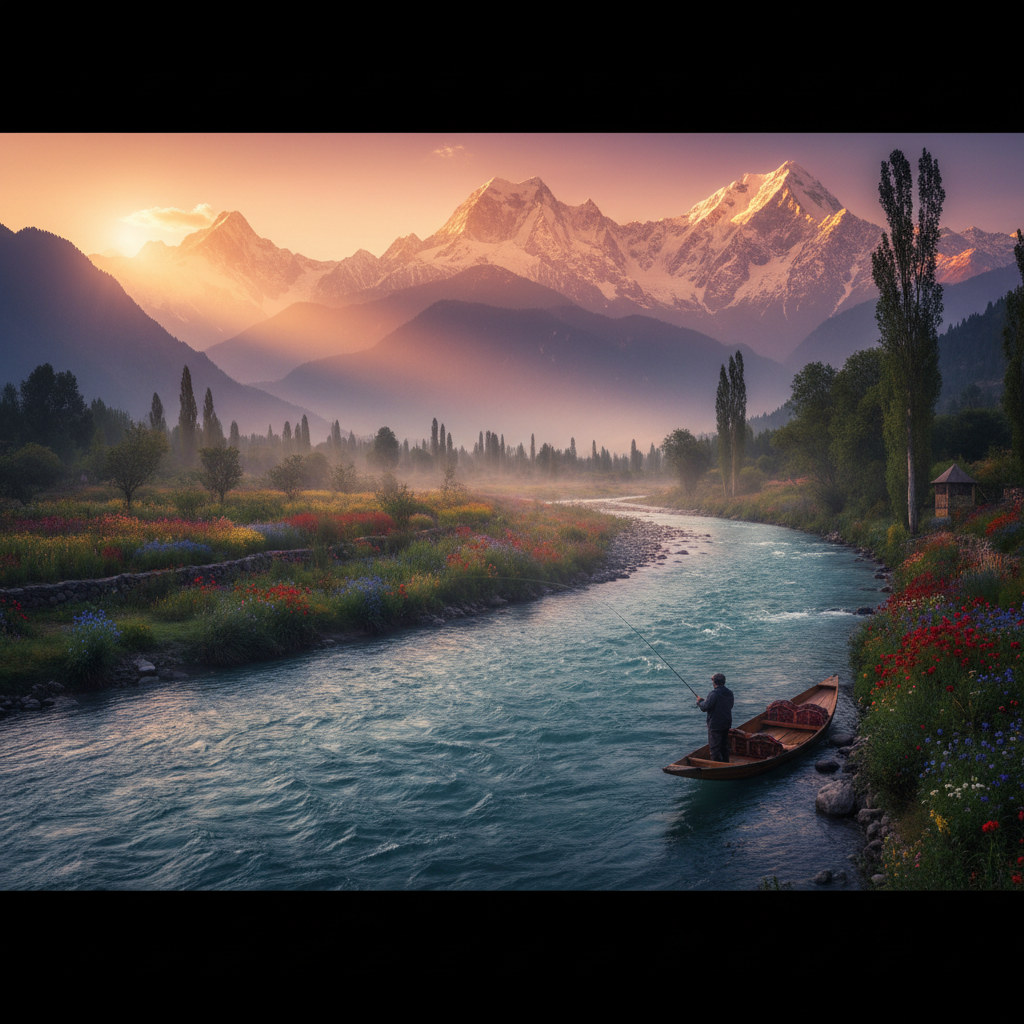
Kashmir Trout Fishing: An Angler's Dream Come True
Kashmir, often hailed as 'Paradise on Earth', offers more than just stunning landscapes and serene lakes; it's also a premier destination for trout fishing. The pristine, snow-fed rivers and high-altitude streams of the Himalayas provide ideal conditions for various trout species, making it an angler's paradise. For centuries, Kashmir has been known for its abundant fish life, with brown and rainbow trout being the most sought-after catches. This guide, crafted by our local experts at Mid Holidays, aims to provide you with comprehensive insights into planning and executing a successful trout fishing trip in the valley. We'll cover everything from the best fishing spots and essential gear to permits and local etiquette, ensuring your angling adventure is as rewarding as the picturesque surroundings. Whether you're a seasoned fly fisherman or a novice looking to try something new, Kashmir's tranquil waters offer an unparalleled experience. Imagine casting your line amidst towering pine forests, with the crisp mountain air filling your lungs and the gentle murmur of the river as your soundtrack. This isn't just about catching fish; it's about connecting with nature in its purest form.
Best Time and Season for Trout Fishing in Kashmir
The prime season for trout fishing in Kashmir generally runs from April to October. During these months, the weather is pleasant, and the water levels are ideal, ensuring better chances of a good catch. April and May are particularly excellent, as the snowmelt replenishes the rivers, and the trout are often more active after the winter. The early summer months of June and July also offer fantastic opportunities, though water levels might be slightly higher due to glacial melt. As autumn approaches in September and October, the water becomes clearer and colder, which can also be very productive for larger trout. It's important to note that fishing during the monsoon season, typically July and August, can be challenging due to heavy rains causing turbid waters and strong currents, making visibility poor and fishing difficult. However, there can be brief windows of clear weather even then. Always check local weather forecasts and river conditions before heading out. Mid Holidays continuously monitors these conditions and can provide up-to-date advice on the best fishing days during your visit, ensuring you maximize your time on the water.
Top Trout Fishing Spots in Kashmir: Where to Cast Your Line
Kashmir boasts several renowned spots for trout fishing, each offering unique scenery and angling experiences. The Lidder River, flowing through Pahalgam, is arguably the most famous, teeming with both brown and rainbow trout. Its clear waters and accessible banks make it a favorite. Key stretches around Aru Valley and Betab Valley are particularly popular. The Sindh River, originating from Amarnath and flowing near Sonamarg, is another prime location, known for its challenging currents and larger trout, especially around Gagangir and Kangan. Another excellent destination is the Bringi River near Kokernag in South Kashmir, known for its pristine environment and abundant fish. The tranquil waters of the Kishenganga (Neelum) River in Gurez Valley offer an offbeat yet incredibly rewarding experience, though access requires special permits. Smaller streams and high-altitude lakes like Vishansar and Krishansar (accessed via the Kashmir Great Lakes Trek) also hold significant trout populations, providing a more adventurous fishing trip for experienced anglers. Our guides at Mid Holidays have intimate knowledge of these locations and can lead you to the most productive spots, often known only to locals.
Permits, Regulations, and Local Guides: Essential Information
To enjoy trout fishing in Kashmir, obtaining a fishing permit is mandatory. These permits are issued by the Department of Fisheries, Kashmir, and are typically valid for specific stretches of river or stream for a limited duration, often daily or weekly. You will need to provide identification and sometimes proof of your fishing equipment. The cost of a daily permit for a non-resident Indian can range from INR 500 to INR 1500, varying by location and duration, and is subject to change. Foreign nationals might pay a slightly higher fee. It's crucial to adhere to local fishing regulations, which include limits on the number of fish caught (often 6 trout per day per permit holder), minimum size restrictions, and strict catch-and-release policies for certain areas or species. Fly fishing with artificial lures is generally preferred and often mandated to protect natural fish populations. Hiring a local fishing guide, especially through a reputable operator like Mid Holidays, is highly recommended. Our guides not only help secure permits and navigate the terrain but also possess invaluable knowledge of local water conditions, fish behavior, and the best techniques to use, significantly increasing your chances of a successful and responsible fishing experience.
Gear and Equipment for Your Kashmir Fishing Trip
For a successful trout fishing trip in Kashmir, having the right gear is paramount. Fly fishing is the most common and effective method here. A 7 to 9-foot fly rod, weighing between 5 and 7, is ideal for the rivers and streams you'll encounter. Pair this with a matching fly reel loaded with a floating or sink-tip line and a selection of leaders and tippets. Essential flies include dry flies (such as Royal Wulff, Adams, Elk Hair Caddis), nymphs (Pheasant Tail, Hare's Ear, Prince Nymph), and streamers (Woolly Bugger, Zonker) that mimic local insects and baitfish. Waders and wading boots are highly recommended, as you'll often be standing in cold, fast-flowing water. Don't forget a fishing vest or pack to carry your tackle, a landing net, polarized sunglasses to spot fish and reduce glare, and sun protection (hat, sunscreen). A rain jacket is also advisable, as mountain weather can change rapidly. While some gear can be rented in larger towns like Srinagar or Pahalgam, it's generally best to bring your own high-quality equipment. Mid Holidays can advise on specific gear requirements and connect you with local outfitters if needed.
Budgeting Your Kashmir Trout Fishing Adventure
A trout fishing trip in Kashmir can be tailored to various budgets, but it's wise to factor in several costs. Fishing permits are a recurring expense, ranging from INR 500-1500 per day. If you opt for a local guide, expect to pay around INR 2000-4000 per day, which often includes their expertise, assistance with permits, and sometimes basic equipment. Accommodation costs vary widely; a comfortable guesthouse in Pahalgam or Sonamarg might cost INR 2500-5000 per night, while more luxurious options can go higher. Transportation is another significant factor. Hiring a private taxi for daily transfers to fishing spots can range from INR 2500-5000 per day depending on distance and vehicle type. For example, a taxi from Srinagar to Pahalgam costs approximately INR 2000-3000 one way. Food expenses are generally reasonable, with local meals costing INR 300-800 per person per day. If you need to purchase or rent fishing gear locally, budget an additional INR 1000-3000. A conservative estimate for a 3-day guided fishing trip (excluding flights) for one person could range from INR 20,000 to INR 40,000, depending on your choices in accommodation and guide services. Mid Holidays can provide detailed cost breakdowns and package options to suit your budget.
Safety, Local Etiquette, and Responsible Angling
Safety is paramount when fishing in Kashmir's often-rugged terrain. Always inform someone of your fishing plans and expected return time. Be aware of your surroundings, especially near fast-flowing rivers or remote areas. It's advisable to fish with a companion or a local guide. Respect local customs and traditions; Kashmiris are generally warm and welcoming. Always ask for permission before entering private land or fishing in areas that may be sensitive. When it comes to responsible angling, practice catch-and-release whenever possible, especially for juvenile fish or protected species, to help sustain fish populations. Use barbless hooks to minimize harm to the fish. Dispose of all trash properly, leaving no trace behind. Avoid disturbing wildlife or damaging the delicate ecosystem. Our guides at Mid Holidays emphasize these principles, ensuring that your fishing trip is not only enjoyable but also environmentally conscious and respectful of the local community. By following these guidelines, you contribute to preserving Kashmir's natural beauty and its fantastic fishing opportunities for future generations.
Planning Your Dream Kashmir Fishing Trip with Mid Holidays
Embarking on a Kashmir trout fishing adventure promises an unforgettable experience, blending the thrill of angling with the serene beauty of the Himalayan landscape. From securing permits and choosing the perfect fishing spot to ensuring you have the right gear and guidance, careful planning is key. Our expertise at Mid Holidays, as a licensed Kashmir-based tour operator, allows us to craft bespoke fishing itineraries that cater to your preferences and skill level. We handle all the logistics, including comfortable transportation, accommodation, experienced local fishing guides, and permit procurement, allowing you to focus entirely on the joy of fishing. Whether you envision a multi-day fly fishing expedition along the Lidder River or a tranquil day casting lines in a secluded mountain stream, we ensure a seamless and enriching journey. Let us guide you to Kashmir's hidden angling gems and provide insights that only true locals possess. For a truly personalized and hassle-free Kashmir fishing package, reach out to Mid Holidays today and let us help you reel in your dream catch amidst paradise. Our team is ready to assist you in every step, from inquiry to the triumphant moment you land your first Kashmiri trout.
Related Kashmir Guides & Services
<p>Planning the rest of your trip? These Mid Holidays guides pair well with this article:</p><ul><li><a href="/blog/kishtwar-travel-guide-kashmir-hidden-paradise">Kishtwar Travel Guide: Explore Kashmir's Hidden Paradise with Mid Holidays</a></li><li><a href="/blog/best-time-to-visit-bangus-valley-kashmir">Best Time to Visit Bangus Valley: Your Ultimate Guide to Kashmir's Hidden Gem</a></li><li><a href="/blog/khardung-la-pass-complete-guide">Khardung La Pass Complete Guide: Conquering the Himalayan Giant</a></li><li><a href="/blog/top-kashmir-dmc-company">Choosing the Top Kashmir DMC Company for Your Dream Trip</a></li><li><a href="/blog/best-month-to-visit-gurez-valley">Best Month to Visit Gurez Valley: Your Ultimate Mid Holidays Guide</a></li></ul>
Frequently Asked Questions
What types of trout can I expect to catch in Kashmir?
Kashmir is primarily known for its abundant Brown Trout (Salmo trutta fario) and Rainbow Trout (Oncorhynchus mykiss). Both species thrive in the cold, oxygen-rich waters of the Himalayan rivers and streams. Brown trout are often found in the lower, slower stretches, while rainbow trout prefer faster-moving currents. Occasional catches of Snow Trout (Schizothorax species) are also possible, though they are not true trout but a carp relative.
Is fly fishing the only method allowed for trout in Kashmir?
While fly fishing with artificial lures is the most popular and often recommended method, some areas may permit spinning with artificial lures. However, bait fishing (using natural bait like worms) is generally discouraged and often prohibited in designated trout beats to conserve fish stocks and prevent ecosystem disruption. Always confirm the specific regulations for your chosen fishing beat when obtaining your permit.
Can beginners go trout fishing in Kashmir, or is it only for experienced anglers?
Absolutely! Kashmir offers excellent opportunities for both experienced anglers and beginners. Many fishing beats have accessible banks and relatively calm waters suitable for learning. Hiring a local guide is highly recommended for beginners, as they can provide basic instruction, assist with casting, and help identify productive spots, making the experience enjoyable and rewarding.
Are there any size or catch limits for trout in Kashmir?
Yes, there are strict regulations in place to ensure sustainable fishing. Typically, a permit holder is allowed to keep a maximum of six trout per day, and there's often a minimum size limit for the fish caught (e.g., 25-30 cm). Catch-and-release is strongly encouraged, especially for smaller fish or if you've already met your limit. Always check your specific permit for the exact rules of your fishing beat.
What is the general condition of roads leading to prime fishing spots like Lidder or Sindh River?
The main roads leading to popular fishing destinations like Pahalgam (Lidder River) and Sonamarg (Sindh River) are well-maintained and easily accessible by taxi or private vehicle. However, access to some specific fishing beats or more remote streams might involve unpaved roads or short treks. During peak season, these routes are generally clear. Mid Holidays provides comfortable and reliable transportation to ensure smooth access to your chosen fishing spots.
Can I rent fishing equipment locally in Kashmir?
While basic fishing equipment, particularly spinning rods and reels, might be available for rent in larger tourist hubs like Srinagar and Pahalgam, high-quality fly fishing gear is less commonly available for rent. It is generally advisable for serious fly anglers to bring their own preferred rod, reel, and a selection of flies. Our team can advise on local rental options for basic gear if needed.