Kashmir Fishing License Guide: Your Angler's Essential Handbook
Kashmir Angling Tips
Planning a fishing trip in Kashmir? This Kashmir Fishing License Guide covers everything from permits, regulations, best spots, and costs for a memorable…
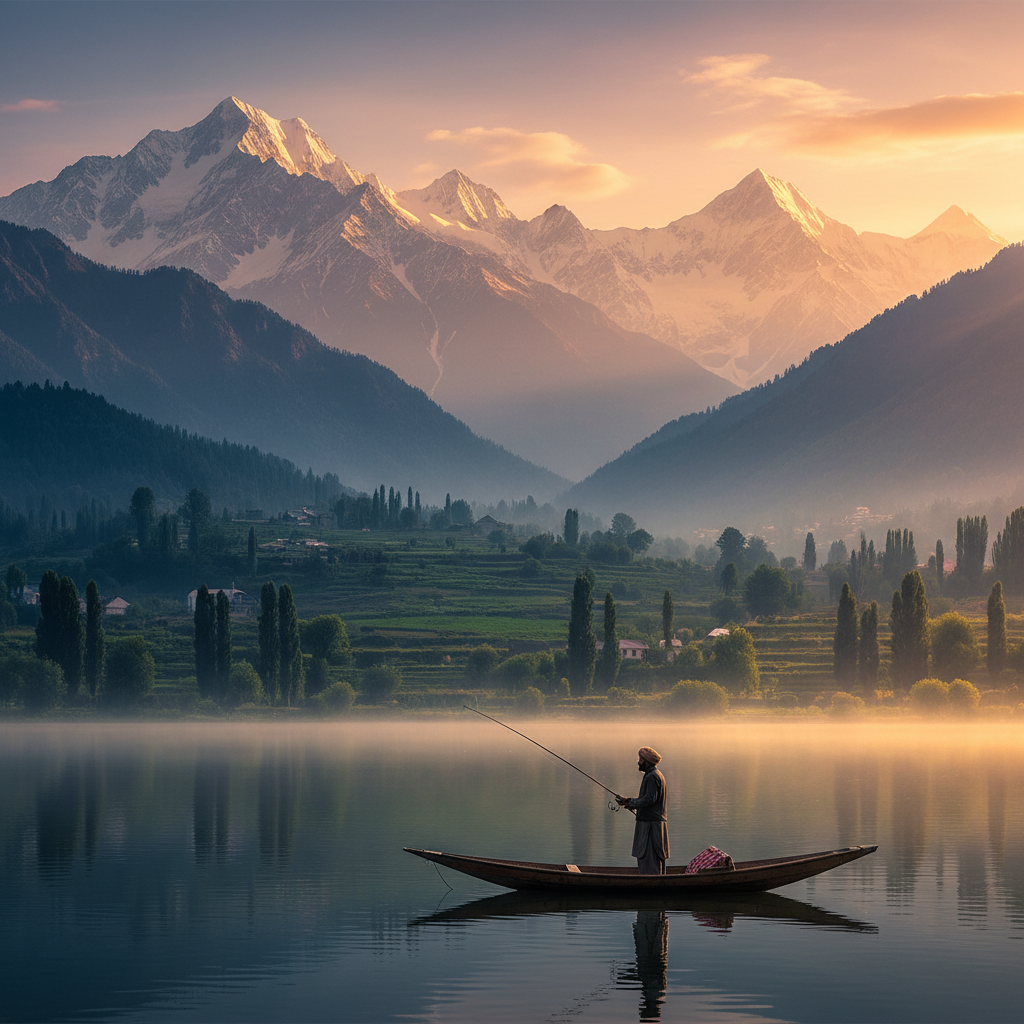
Kashmir Fishing License Guide: Your Gateway to Angling Paradise
Kashmir, often hailed as 'Paradise on Earth,' isn't just about stunning landscapes and serene lakes; it's also an angler's dream, particularly renowned for its pristine trout streams. If you're planning to cast a line in the sparkling waters of the Jhelum, Lidder, or Kishan Ganga, understanding the Kashmir Fishing License regulations is your first and most crucial step. Without a valid license, your angling adventure won't just be cut short, it could also lead to fines and legal complications. This comprehensive guide, from the perspective of a local expert, will walk you through the entire process, ensuring you're well-prepared for a rewarding fishing expedition. We'll cover where to obtain your license, the types available, associated costs, and essential regulations you need to adhere to, all designed to make your fishing experience smooth and enjoyable. Whether you're a seasoned fly-fisherman or a novice looking to try your hand at angling, getting your fishing license sorted is paramount to an ethical and legal adventure in Kashmir's beautiful waters. Mid Holidays is here to ensure you have all the information you need for an unforgettable angling trip.
Understanding Kashmir's Fishing Seasons and Best Spots
Kashmir's fishing season typically runs from April to October, with variations depending on the specific water body and altitude. The peak months for trout fishing are usually May, June, and September, when the water levels are ideal and the trout are most active. During these months, the weather is also generally pleasant, making for comfortable angling conditions. Key fishing spots are scattered across the valley, each offering a unique experience. The Lidder River in Pahalgam is arguably the most famous, known for its brown and rainbow trout. Its upper reaches near Aru Valley offer spectacular fly-fishing opportunities. The Jhelum River, particularly its tributaries like the Sindh River near Sonamarg, is another popular choice. For a more remote and pristine experience, the Kishan Ganga River (now known as Neelum River) in Gurez Valley offers excellent fishing, though access can be challenging and requires additional permits. Other notable spots include the Wangath stream, Kokernag, Verinag, and the smaller streams feeding into Dal Lake, though these are more regulated for conservation. Always check local conditions and specific regulations for each spot, as some areas may have temporary closures or specific catch limits. Knowing the best time and place significantly increases your chances of a successful and enjoyable fishing trip in Kashmir.
Types of Fishing Licenses and Where to Obtain Them
In Kashmir, fishing licenses are primarily issued by the Directorate of Fisheries, Jammu & Kashmir. There are generally two main types: daily licenses and weekly licenses, though multi-day licenses can often be arranged. The type you choose depends on the duration of your angling holiday. These licenses are specific to designated trout beats, which are stretches of river managed for fishing. To obtain a license, you typically need to visit the local Directorate of Fisheries office in Srinagar, located near Gagribal Road, often referred to as the 'Fisheries Department Office.' It's advisable to apply in person or through a licensed tour operator like Mid Holidays, who can assist with the paperwork. You'll need to provide identification, such as a valid ID card or passport. Sometimes, licenses can also be procured at the Divisional Fisheries Offices located in major towns near popular fishing beats like Pahalgam, Sonamarg, or Kokernag, but confirming their operational hours and requirements in advance is always a good idea. Always aim to get your license before heading to the fishing grounds to avoid any last-minute hassles or disappointment, as spot licenses might not always be available or can be more complicated to obtain.
Cost Breakdown: Fees and Associated Charges for Angling in Kashmir
The cost of a Kashmir fishing license is surprisingly affordable, especially considering the quality of the angling experience. As of recent estimates, a daily fishing license for a designated trout beat typically ranges from INR 500 to INR 1000 for Indian nationals, and slightly higher for foreign tourists, often around INR 1500 to INR 2500 per day. Weekly licenses offer a slight discount compared to cumulative daily rates. These prices are subject to change by the Department of Fisheries, so it's always best to check the latest figures before your trip. Beyond the license fee, consider other associated costs. Hiring a local fishing guide, while not mandatory, is highly recommended, especially for first-timers or those seeking specific trout beats. Guides charge around INR 1500 to INR 3000 per day, often including basic equipment like a rod and reel, and their invaluable local knowledge. Transportation to and from fishing spots, accommodation, and food are additional expenses. If you plan to rent high-quality fishing gear, factor in around INR 500 to INR 1000 per day. While the license itself is a minor expense, planning for guides, transport, and equipment will give you a realistic budget for your angling adventure in Kashmir.
Essential Regulations and Ethical Angling Practices
Adhering to Kashmir's fishing regulations is not just about legality; it's about preserving the delicate ecosystem and ensuring sustainable angling for future generations. Key regulations include strict adherence to catch limits, usually 4-6 trout per day per angler, and minimum size restrictions, typically around 10-12 inches (25-30 cm), though these can vary by beat. Only specific types of artificial lures or flies are permitted; live bait is generally prohibited to prevent the introduction of invasive species or diseases. Fly-fishing is the predominant method encouraged. 'Catch and release' is strongly recommended for larger fish, especially broodstock, to help maintain healthy fish populations. Fishing is only allowed during daylight hours, from sunrise to sunset. Respecting the designated fishing beats is crucial; fishing outside your licensed beat is illegal. Furthermore, maintaining cleanliness, not littering, and minimizing disturbance to the natural habitat are ethical practices that all anglers should uphold. Always be mindful of local communities and wildlife. The Fisheries Department has rangers who patrol the beats to ensure compliance, so it’s wise to always carry your license and be aware of the rules.
Getting to the Fishing Spots and Local Transport
Reaching Kashmir's prime fishing spots typically involves a combination of road travel and sometimes a short trek. The main hub for all travel is Srinagar, which has a well-connected airport (Sheikh ul-Alam International Airport, SXR). From Srinagar, you can hire a private taxi or use local shared taxis to reach towns like Pahalgam (approximately 2.5-3 hours drive to Lidder River), Sonamarg (around 2-2.5 hours drive to Sindh River), or Kokernag (about 3 hours drive). For more remote spots like Aru Valley near Pahalgam, the last few kilometers might require a jeep or a short walk. While local buses are available for inter-town travel, they might not drop you directly at the fishing beats, making taxis a more convenient option for anglers with gear. For places like Gurez Valley, a special Inner Line Permit (ILP) is required in addition to your fishing license, and the journey itself can take 6-8 hours from Srinagar, often requiring a dedicated vehicle. Always negotiate taxi fares beforehand, or better yet, arrange transport through a reliable local operator like Mid Holidays, who can also help with guides and logistics, ensuring you get to your chosen fishing beat efficiently and comfortably.
What to Pack for Your Kashmir Angling Trip
Packing smart is key for a successful and comfortable angling trip in Kashmir. Firstly, bring appropriate fishing gear: a medium-action fly rod (7-9 ft), a matching reel, and a selection of local flies (e.g., various nymphs, dry flies like Royal Wulff, Adams, Caddis, and streamers) are essential. If you don't have your own, rentals are available, but personal gear you're familiar with is always better. Waders and wading boots are highly recommended, as you'll often be standing in cold river water; waterproof jackets and trousers are also a must, as mountain weather can be unpredictable. Layered clothing is advisable, including thermal underwear, fleece, and a waterproof shell. Don't forget a wide-brimmed hat, polarized sunglasses (crucial for spotting fish and eye protection), sun cream, and insect repellent. A small first-aid kit, a water bottle, and some high-energy snacks will keep you comfortable during long hours by the river. Carry a reliable camera to capture your catches and the stunning scenery, and ensure you have all your necessary documents: fishing license, ID, and any special permits for restricted areas. Remember, Kashmir's high altitude means temperatures can drop suddenly, even in summer, so be prepared for all eventualities.
Safety, Local Etiquette, and Environmental Responsibility
Safety should always be your top priority. The swift currents of Kashmir's rivers can be deceptive, so exercise caution when wading and never fish alone in remote areas. Inform someone of your itinerary. The local communities are generally welcoming and hospitable; interacting with them respectfully will enhance your experience. Always greet locals with a 'Namaste' or 'Assalamualaikum.' When fishing near villages, be mindful of agricultural land and avoid trespassing. Regarding environmental responsibility, the 'Leave No Trace' principles are paramount. Carry out all your trash, including fishing lines and tackle. Avoid disturbing wildlife or damaging flora. If you're practicing catch-and-release, handle fish gently with wet hands and release them quickly to maximize their survival chances. Support local businesses, including guides and guesthouses, as sustainable tourism benefits the entire region. By adhering to these guidelines, you not only ensure your safety and enjoyment but also contribute to the preservation of Kashmir's pristine natural beauty and its vibrant angling tradition. Mid Holidays advocates for responsible tourism and can provide local guides who exemplify these ethical practices.
Plan Your Kashmir Angling Adventure with Mid Holidays
Embarking on a fishing trip in Kashmir is an experience that blends the thrill of angling with the serenity of unparalleled natural beauty. From securing your Kashmir Fishing License to navigating the best trout beats, meticulous planning ensures a smooth and memorable adventure. We've covered the essentials: understanding the seasonal nuances, knowing where and how to obtain your permits, budgeting for the trip, adhering to regulations, packing wisely, and respecting local customs and the environment. With this comprehensive guide, you are now well-equipped to plan your angling expedition. If you prefer a hassle-free experience, consider letting the experts handle the logistics. Mid Holidays specializes in crafting bespoke Kashmir tours, including guided fishing expeditions that take care of your licenses, transport, accommodation, and experienced local guides. Our team ensures that every detail is meticulously planned, allowing you to focus solely on the joy of fishing amidst the stunning Himalayan backdrop. Visit our website at kashmir.midholidays.in or contact us directly to explore our customized Kashmir fishing packages and make your dream angling trip a reality.
Related Kashmir Guides & Services
<p>Planning the rest of your trip? These Mid Holidays guides pair well with this article:</p><ul><li><a href="/blog/kashmir-trout-fishing-guide-midholidays">Kashmir Trout Fishing Guide: An Angler's Paradise with Mid Holidays</a></li><li><a href="/blog/kashmir-tour-package-from-nagpur">Kashmir Tour Package from Nagpur: Your Gateway to Paradise with Mid Holidays</a></li><li><a href="/blog/kishtwar-travel-guide-kashmir-hidden-paradise">Kishtwar Travel Guide: Explore Kashmir's Hidden Paradise with Mid Holidays</a></li><li><a href="/blog/kashmir-paragliding-guide">Kashmir Paragliding Guide: Soar Above the Himalayas with Mid Holidays</a></li><li><a href="/blog/yusmarg-day-trip-itinerary">Your Ultimate Yusmarg Day Trip Itinerary from Srinagar</a></li></ul>
Frequently Asked Questions
Do I need a fishing license for every fishing spot in Kashmir?
Yes, a valid fishing license issued by the Directorate of Fisheries, Jammu & Kashmir, is mandatory for angling in any designated trout beat or regulated fishing water body across Kashmir. The license specifies the beat you are permitted to fish in, and fishing without one, or outside your licensed area, can lead to penalties and confiscation of your gear. It's crucial to always carry your license while fishing.
Can foreign tourists obtain a Kashmir fishing license, and are the requirements different?
Yes, foreign tourists can absolutely obtain a Kashmir fishing license. The process is similar to that for Indian nationals, but the fees are generally higher. You will need to provide your passport and visa details for identification. It is advisable for foreign tourists to apply through a local tour operator or guide to streamline the process, especially if there's a language barrier, to ensure all formalities are correctly completed.
What kind of fish can I expect to catch in Kashmir's rivers?
Kashmir's rivers and streams are primarily famous for their abundant trout population. The most common species you can expect to catch are Brown Trout (Salmo trutta) and Rainbow Trout (Oncorhynchus mykiss). These cold-water species thrive in the pristine, oxygen-rich Himalayan glacial meltwaters. Some areas might also have Mahseer, but trout are the main attraction for anglers.
Are there any specific restrictions on fishing gear or bait in Kashmir?
Yes, there are strict restrictions to promote sustainable fishing. Generally, only artificial lures or flies are permitted for angling in Kashmir's trout waters. The use of live bait, such as worms or small fish, is strictly prohibited to prevent the introduction of diseases or invasive species that could harm the native trout population and ecosystem. Always check with the Fisheries Department for the latest regulations.
Is it possible to hire fishing equipment and guides locally in Kashmir?
Absolutely! It is highly recommended, especially for first-time visitors, to hire a local fishing guide. They possess invaluable knowledge of the beats, fish behavior, and local conditions. Many guides also offer fishing equipment for rent, including rods, reels, and waders, though the quality can vary. Arranging this through a reputable tour operator like Mid Holidays ensures you get reliable gear and an experienced guide.
What is the best time of year for trout fishing in Kashmir?
The prime season for trout fishing in Kashmir generally runs from April to October. Within this window, the months of May, June, and September are often considered the best. During these periods, the water levels are usually stable, the weather is pleasant, and the trout are more active. Monsoons in July and August can sometimes cause high, murky waters, making fishing challenging.