Kashmir Photography Workshop Guide: Capture Paradise with Mid Holidays
Photography Tour Guide
Unlock Kashmir's breathtaking beauty with our ultimate photography workshop guide. Learn ideal locations, best times, gear tips, and cultural insights to…
An Overview of Kashmir Photography Workshops: What to Expect
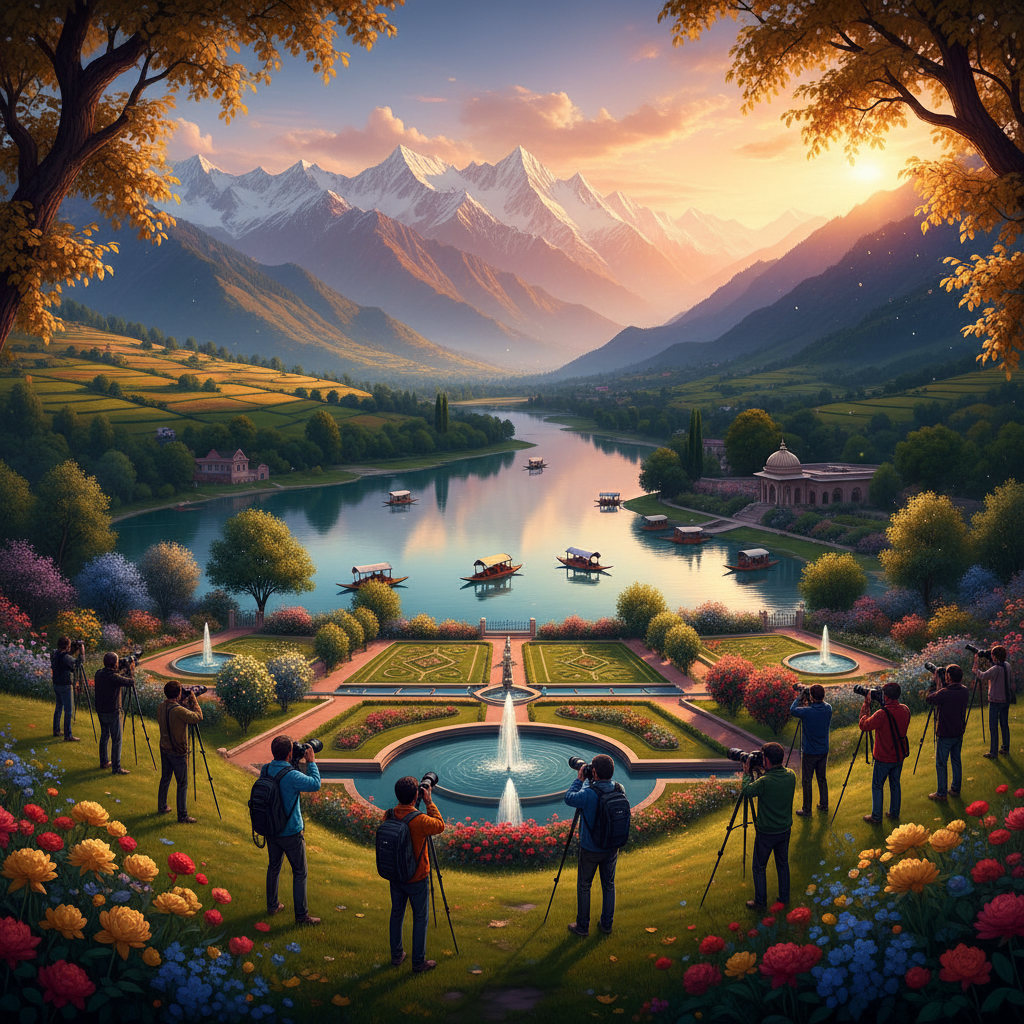
Kashmir, often called 'Paradise on Earth,' offers an unparalleled canvas for photographers. A dedicated photography workshop here isn't just about clicking pictures; it's an immersive experience designed to help you see, understand, and capture the valley's soul through your lens. These workshops typically blend hands-on field sessions at iconic and hidden locations with theoretical knowledge, often covering aspects like composition, lighting, post-processing, and storytelling. They cater to a range of skill levels, from beginners looking to master their camera's basics to seasoned photographers seeking unique perspectives and advanced techniques. You'll likely be guided by experienced local or visiting photographers who know the terrain, light, and cultural nuances intimately, ensuring you're at the right place at the right time for that perfect shot. Expect to explore diverse subjects – from serene landscapes and vibrant markets to candid portraits and intricate local crafts. It's a journey of visual discovery, enhancing both your technical skills and your artistic vision while creating lasting memories of Kashmir's stunning beauty.
Best Time and Season for a Photography Workshop in Kashmir
Choosing the right season is crucial for a Kashmir photography workshop, as each offers a distinct palette. Spring (March-April) explodes with color, especially at the Indira Gandhi Memorial Tulip Garden and orchards bursting with almond and cherry blossoms. The weather is pleasant, and the melting snow feeds gushing streams, ideal for vibrant landscape shots. Summer (May-August) presents lush green meadows, clear blue skies, and blooming wildflowers in places like Gulmarg, Pahalgam, and Sonamarg. This is excellent for capturing verdant vistas and high-altitude scenes. Autumn (September-November) is perhaps the most magical for photographers, as the Chinar trees turn fiery hues of gold, red, and orange, creating a dramatic backdrop for any subject. The light is softer, and the air is crisp, perfect for capturing warm, evocative images. Winter (December-February) transforms Kashmir into a pristine white wonderland. Snow-laden landscapes, frozen Dal Lake, and traditional wooden houses under a blanket of white offer stunning monochromatic and high-contrast opportunities. Photographers interested in capturing dramatic, stark beauty or winter sports will find this season incredibly rewarding. Consider your preferred photographic theme when selecting your workshop dates.
Planning Your Photography Workshop Itinerary: Key Locations
A well-structured photography workshop itinerary in Kashmir covers a diverse range of locations to ensure a rich portfolio. Srinagar, the capital, is often the starting point. Here, focus on the iconic Dal Lake – morning shots of floating markets and Shikaras, sunset over tranquil waters, and candid moments around houseboats. The Mughal Gardens (Shalimar Bagh, Nishat Bagh, Pari Mahal) offer architectural beauty and manicured landscapes, especially vibrant in spring. Gulmarg, the 'Meadow of Flowers,' provides stunning alpine landscapes, especially compelling in winter with snow-covered peaks and skiing scenes, or in summer with vast flower beds. Pahalgam, known as the 'Valley of Shepherds,' is ideal for river landscapes (Lidder River), pine forests, and charming village life. Betab Valley, Aru Valley, and Chandanwari near Pahalgam offer breathtaking natural beauty. Sonamarg, the 'Meadow of Gold,' is a gateway to high-altitude photography, with glaciers, pristine rivers, and dramatic mountain vistas. For a taste of rural life and unique portraits, venturing into lesser-known villages can be incredibly rewarding. Each location offers distinct lighting conditions and subjects, making every day a new photographic adventure.
Essential Gear and Packing List for Kashmir Photographers
Preparing your gear is paramount for a successful photography workshop in Kashmir. A DSLR or mirrorless camera body is essential, preferably with a backup if possible. For lenses, a versatile zoom like a 24-70mm or 24-105mm is a good starting point. Complement this with a wide-angle lens (e.g., 16-35mm) for expansive landscapes and architectural shots, and a telephoto lens (e.g., 70-200mm) for wildlife, distant subjects, and compressing perspectives. A fast prime lens (e.g., 50mm f/1.8) is excellent for portraits and low-light conditions. Don't forget sturdy tripods for landscapes, long exposures, and low light. Essential accessories include multiple memory cards (at least 64GB each), spare batteries (and chargers!), a power bank, lens cleaning kits, and a good quality camera bag that's weather-resistant. Depending on the season, consider neutral density (ND) filters for long exposures and polarizing filters to reduce glare and enhance colors. For protection, rain covers for your camera and bag are a must, especially during spring and monsoon. Dress in layers, wear comfortable, waterproof hiking shoes, and pack warm clothing even in summer for higher altitudes. A headlamp or flashlight can be useful for pre-dawn or post-dusk shoots.
Understanding Local Culture and Etiquette for Candid Photography
Respecting local culture is vital for any photographer, especially when capturing portraits or daily life scenes in Kashmir. The Kashmiri people are generally warm and welcoming, but always ask for permission before photographing individuals, particularly women and children. A simple 'Salam Alaikum' (peace be upon you) and a gesture towards your camera can go a long way. Be prepared for some to decline, and always respect their wishes without persistence. Dress modestly, especially when visiting religious sites. Observe local customs; for instance, removing shoes before entering mosques or shrines. Engage with people, even if through gestures, before raising your camera. This helps build trust and often leads to more authentic and compelling photographs. Learn a few basic Kashmiri or Urdu phrases – 'Meherbaani' (thank you), 'Kaisa hai?' (how are you?), 'Assalam-o-Alaikum' (hello) – which can bridge communication gaps. Be mindful of your surroundings and avoid being overly intrusive, especially in sensitive areas or during private moments. Your sensitivity and respect will not only enrich your photographic experience but also leave a positive impression of you and other visitors.
Post-Processing and Feedback Sessions: Enhancing Your Images
Most comprehensive photography workshops in Kashmir dedicate significant time to post-processing and critical feedback sessions. These indoor sessions are crucial for transforming your raw captures into polished, impactful images. You'll learn fundamental editing techniques using popular software like Adobe Lightroom or Photoshop, covering aspects such as exposure correction, color grading, sharpening, noise reduction, and cropping for composition. The instructors will guide you through their workflow, often demonstrating how to bring out the textures of Kashmiri landscapes or the warmth in a portrait. More importantly, feedback sessions provide a constructive environment where your work is reviewed by experienced photographers and peers. This is an invaluable opportunity to understand your strengths and areas for improvement, gaining new perspectives on composition, storytelling, and technical execution. These sessions also cover image selection – an often-overlooked skill – helping you curate your best work. By the end, you'll not only have a collection of stunning Kashmir images but also a deeper understanding of the entire photographic process, from capture to final output.
Safety, Permits, and Responsible Photography in Kashmir
Safety in Kashmir is a common concern, but with sensible precautions, photography workshops are generally smooth and enjoyable. Stick to established tourist routes and follow the advice of your local guides and workshop organizers. They are well-versed in local conditions and will ensure your safety. While permits are not typically required for general photography in most tourist areas, always be aware of signs prohibiting photography, especially near military installations or sensitive zones. It's advisable to carry a valid ID at all times. Responsible photography also extends to environmental considerations. Practice 'Leave No Trace' principles: pack out everything you pack in, do not disturb wildlife or plants, and respect natural habitats. Avoid climbing on ancient structures or disturbing local communities for a shot. Be mindful of your actions and their impact on the pristine beauty of Kashmir and its people. Your workshop organizer will provide specific guidelines, and adhering to them ensures a safe, ethical, and fulfilling photographic journey.
Why Choose Mid Holidays for Your Kashmir Photography Workshop
Choosing the right tour operator for your photography workshop can make all the difference, and Mid Holidays offers a distinct advantage as a licensed Kashmir-based company. Our deep roots in the valley mean we have unparalleled local knowledge – from understanding the best light at iconic spots to discovering hidden gems off the beaten path that only locals know. We collaborate with experienced photographers who not only possess technical expertise but also a profound understanding of Kashmir's culture and terrain, ensuring you capture authentic moments. Our workshops are carefully curated to maximize photographic opportunities while providing comfortable logistics, including transport, accommodation, and meals, allowing you to focus purely on your craft. We prioritize responsible tourism, ensuring interactions are respectful and beneficial to local communities. With Mid Holidays, you're not just signing up for a workshop; you're embarking on an immersive cultural and visual journey guided by experts who are passionate about sharing the true essence of Kashmir. Feel free to explore our diverse range of specialized Kashmir photography packages on kashmir.midholidays.in, designed to cater to various interests and skill levels, promising an unforgettable experience.
Related Kashmir Guides & Services
<p>Planning the rest of your trip? These Mid Holidays guides pair well with this article:</p><ul><li><a href="/blog/ladakh-photography-tour-guide">Ladakh Photography Tour Guide: Capture the Himalayas with Mid Holidays</a></li><li><a href="/blog/kashmir-trout-fishing-guide-midholidays">Kashmir Trout Fishing Guide: An Angler's Paradise with Mid Holidays</a></li><li><a href="/blog/khardung-la-pass-complete-guide">Khardung La Pass Complete Guide: Conquering the Himalayan Giant</a></li><li><a href="/blog/best-month-to-visit-gurez-valley">Best Month to Visit Gurez Valley: Your Ultimate Mid Holidays Guide</a></li><li><a href="/blog/kishtwar-travel-guide-kashmir-hidden-paradise">Kishtwar Travel Guide: Explore Kashmir's Hidden Paradise with Mid Holidays</a></li></ul>
Frequently Asked Questions
Are Kashmir photography workshops suitable for beginners?
Absolutely! Many photography workshops in Kashmir are designed to accommodate all skill levels, from complete beginners to advanced enthusiasts. Instructors typically cover fundamental camera settings, composition basics, and lighting principles. It's a great way to learn in a practical, inspiring environment, often with one-on-one guidance in stunning locations.
What kind of photographic subjects can I expect to find in Kashmir?
Kashmir offers an incredibly diverse range of subjects. You'll find breathtaking landscapes – majestic mountains, serene lakes, lush meadows, and gushing rivers. Cultural subjects include vibrant markets, traditional Kashmiri architecture, intricate handicrafts, and the warm smiles of local people. Depending on the season, you can also capture unique flora, fauna, and seasonal events like tulip blooms or apple harvests.
Do I need special permits for photography in Kashmir?
Generally, no special permits are required for photography in most tourist areas of Kashmir. However, it's crucial to be mindful of sensitive locations like military installations or certain government buildings where photography might be prohibited. Always look for signage and, when in doubt, ask your guide or locals. Respecting privacy and local customs is key.
How much does a photography workshop in Kashmir typically cost?
The cost of a Kashmir photography workshop can vary significantly based on its duration, inclusions (accommodation, meals, transport, professional fees), the expertise of the instructors, and the group size. A multi-day workshop (e.g., 5-7 days) can range from approximately INR 35,000 to INR 80,000 or more, excluding flights. Shorter, local workshops might be less. It's best to check specific package details.
Is it safe to travel for a photography workshop in Kashmir?
Yes, it is generally safe to travel for a photography workshop in Kashmir. Tourist areas are well-monitored, and tour operators prioritize visitor safety. It's always advisable to travel with a reputable company like Mid Holidays, who have local expertise, stick to recommended routes, and follow any guidance provided by your instructors and local contacts. Maintaining general travel awareness is always good practice.
What are the common post-processing techniques taught in these workshops?
Common post-processing techniques usually include learning how to effectively use editing software like Adobe Lightroom or Photoshop. You can expect to cover exposure and contrast adjustments, white balance correction, color grading to enhance mood, sharpening, noise reduction, and various local adjustments to bring out details in specific areas. Compositional cropping and image culling are also frequently taught.
Can I rent photography equipment in Kashmir for the workshop?
While it's possible to find some basic camera and lens rental options in major cities like Srinagar, the availability of specialized or high-end professional photography equipment might be limited. It is generally recommended to bring your own essential gear for a photography workshop to ensure you have exactly what you need and are familiar with its operation. Check with your workshop organizer if they have rental recommendations.