Kashmir Kayaking Guide: Paddle Through Paradise with Mid Holidays
Adventure Travel
Discover Kashmir kayaking with our comprehensive guide. Explore serene lakes and rivers, learn safety tips, and find the best spots for an unforgettable…
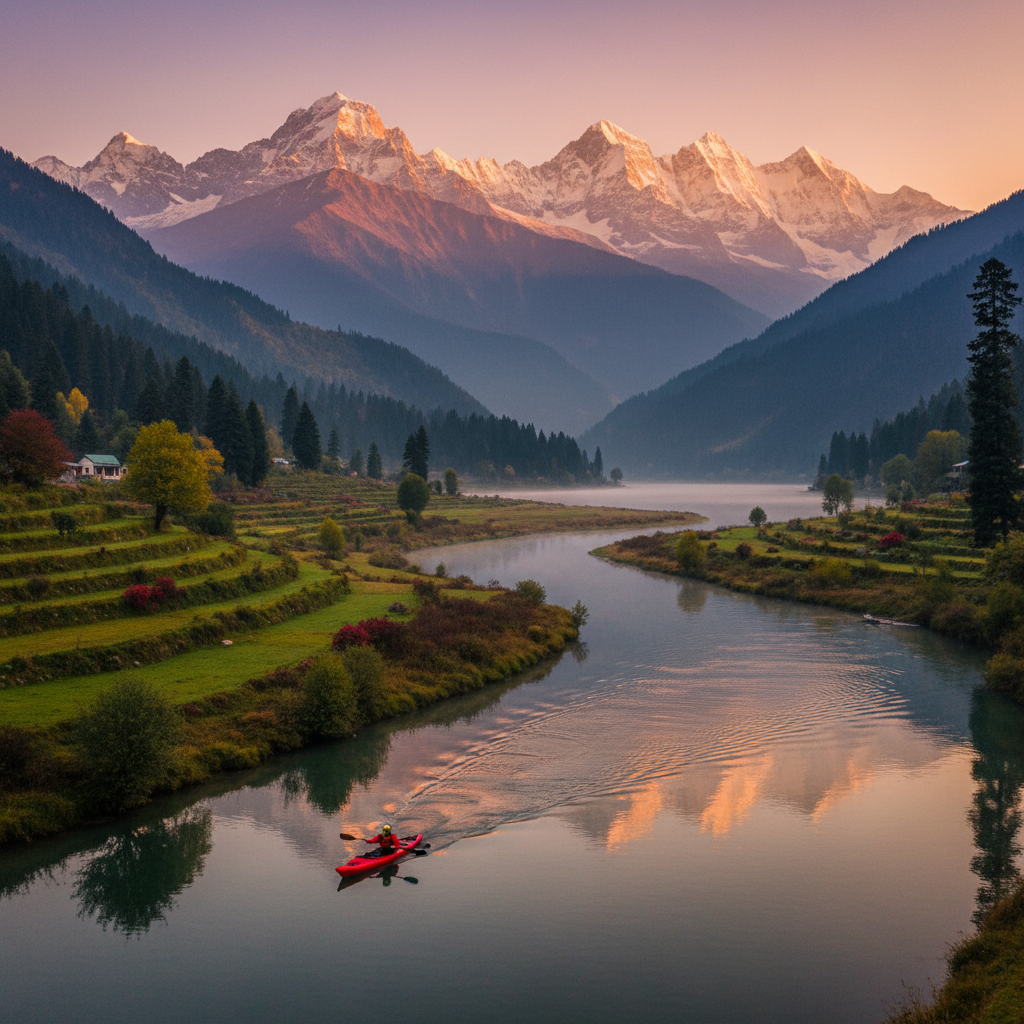
Introduction to Kayaking in Kashmir: Paddle Through Tranquility
Kashmir, often called 'Paradise on Earth,' is renowned for its breathtaking landscapes, snow-capped mountains, and serene lakes. While most visitors enjoy shikara rides on Dal Lake, a more adventurous and intimate way to experience its pristine waters is through kayaking. Imagine gliding silently across the mirrored surface of Dal Lake at dawn, the sound of your paddle cutting through the water the only disturbance, or navigating the gentle currents of the Jhelum River, passing vibrant local life along its banks. Kayaking in Kashmir offers a unique perspective, allowing you to connect with nature on a deeper level, away from the bustling crowds. It's an activity that suits both seasoned paddlers and enthusiastic beginners, offering routes that range from calm, reflective stretches to mildly adventurous river sections. Whether you're seeking solitude, a physical challenge, or simply a new way to explore, kayaking in Kashmir promises an unforgettable experience. Mid Holidays, with our deep local knowledge and commitment to safe, authentic adventures, is here to guide you through this exhilarating journey.
Best Kayaking Spots and Seasons in Kashmir
The calm waters of Kashmir offer several ideal spots for kayaking, each with its unique charm. The most popular and accessible is undoubtedly Dal Lake in Srinagar. Here, you can paddle through floating gardens, past quaint houseboats, and even discover hidden corners of the lake inaccessible by larger boats. Early mornings on Dal Lake are magical, with mist often rising from the water and the sun painting the Zabarwan Hills in golden hues. For those seeking a river experience, the Jhelum River within Srinagar offers a gentle current and a glimpse into the city's old-world charm as you pass traditional wooden houses and historic bridges. Outside Srinagar, quieter lakes like Nigeen Lake provide an even more serene environment, perfect for peaceful paddling. Wular Lake, one of Asia's largest freshwater lakes, also offers vast open waters for experienced kayakers, though it can be more challenging due to its size and occasional winds. The best time for kayaking in Kashmir is from April to October. During spring (April-May), the weather is pleasantly cool, and the surroundings are lush with blooming flowers. Summer (June-August) offers warm, sunny days perfect for water activities, though it can be slightly more crowded. Autumn (September-October) brings crisp air, golden foliage, and incredibly clear waters, making it a visually stunning time to paddle. Winters are generally not suitable for kayaking due to freezing temperatures and snow, which can make accessing the lakes and rivers difficult and the water dangerously cold.
Choosing Your Kayak and Essential Gear for Kashmiri Waters
Selecting the right kayak is crucial for a comfortable and safe experience in Kashmir's waters. For beginners and recreational paddlers on calm lakes like Dal or Nigeen, 'sit-on-top' kayaks are highly recommended. They are stable, easy to get in and out of, and simple to steer. Tandem (two-person) sit-on-tops are also excellent for families or friends paddling together. For those wanting a slightly more engaging experience or planning to explore larger lakes like Wular (with proper guidance), a 'recreational sit-in' kayak might be preferred, offering more control and protection from splashes. However, these require a bit more skill to maneuver and recover if capsized. Beyond the kayak itself, essential gear includes a well-fitting personal flotation device (PFD), which is non-negotiable for safety. A lightweight, adjustable paddle suitable for your height is also vital. For clothing, quick-drying materials are best, and layers are recommended as Kashmir's weather can change. Always pack a waterproof bag for your phone, camera, and valuables. Sun protection – sunglasses, a wide-brimmed hat, and sunscreen – is also a must, especially with the reflection from the water. For colder mornings or evenings, a light waterproof jacket can make a big difference. Many local operators, including Mid Holidays, provide kayaks and PFDs as part of their rental or tour packages, but always confirm what's included before you go.
Planning Your Kayaking Adventure: Routes, Timings, and Costs
A typical kayaking trip in Kashmir can vary from a peaceful two-hour paddle to a more extensive half-day exploration. For beginners on Dal Lake, a popular route involves starting near Boulevard Road, paddling past the houseboats, navigating through the floating vegetable markets (when operational), and exploring some of the quieter channels. This usually takes around 2-3 hours and offers a great overview. More adventurous paddlers might opt for a sunset or sunrise paddle, which are truly magical experiences, albeit requiring an early start or late finish. When it comes to costs, kayak rentals in Srinagar typically range from INR 500 to INR 1500 per hour or per half-day, depending on the type of kayak (single or tandem) and the rental provider. Guided tours, which often include equipment, a brief safety lesson, and a local expert to lead the way, can cost between INR 2000 to INR 4000 per person for a 3-4 hour experience. These prices are indicative and can vary based on demand, season, and inclusions. It's always advisable to book your kayaking experience in advance, especially during peak season, to ensure availability and potentially secure better rates. Mid Holidays offers tailored kayaking experiences, connecting you with reputable local guides and ensuring all safety standards are met.
Safety Tips and Local Etiquette for Kayaking in Kashmir
Safety is paramount when kayaking, especially in unfamiliar waters. Always wear your personal flotation device (PFD) – no exceptions. Even if you're a strong swimmer, a PFD provides crucial buoyancy and makes you visible. Before heading out, check the weather forecast. While Dal Lake is generally calm, strong winds can pick up unexpectedly, making paddling difficult. If you're a beginner, it's highly recommended to go with a certified guide or as part of an organized tour, at least for your first few outings. They can provide essential safety instructions, demonstrate proper paddling techniques, and guide you through the best routes. Respecting local etiquette is also important. Kashmir's waters are integral to the lives of many locals, from fishermen to houseboat owners. Paddle calmly and quietly, avoiding disturbing wildlife or local residents. Be mindful of shikaras and other boats; always give way to larger vessels. Avoid littering at all costs; carry a waterproof bag for any waste and dispose of it properly ashore. If you encounter local vendors on the lake, a polite 'no thank you' is sufficient if you're not interested. Engaging respectfully with locals can enhance your experience and foster positive interactions. Remember, you are a guest in this beautiful place, and responsible tourism helps preserve its charm for everyone.
What to Pack for Your Kashmir Kayaking Trip
Packing smart can significantly enhance your kayaking experience in Kashmir. Start with appropriate clothing: quick-drying fabrics like nylon or synthetic blends are ideal. Avoid cotton as it retains water and can make you cold. In spring and autumn, layered clothing is best – a base layer, a fleece or light jacket, and a waterproof outer shell will keep you comfortable in varying temperatures. For summer, lighter clothes like shorts and a t-shirt are fine, but still bring a light long-sleeved shirt for sun protection. Footwear should be water-friendly, such as water shoes, sandals with straps, or old sneakers that you don't mind getting wet. Don't forget sun protection: a wide-brimmed hat or cap, sunglasses with a strap, and high SPF sunscreen are essential to protect against the strong Himalayan sun and water reflection. A waterproof dry bag is indispensable for keeping your phone, camera, wallet, and any other valuables safe and dry. You might also want to pack a small towel, a reusable water bottle to stay hydrated, and a few energy snacks. If you wear prescription glasses, consider a strap to prevent them from falling into the water. And finally, a small first-aid kit with any personal medications, bandages, and antiseptic wipes is always a good idea for minor scrapes or blisters.
Beyond the Paddle: Combining Kayaking with Other Kashmir Adventures
Kayaking in Kashmir can be a standalone adventure or seamlessly integrated into a broader exploration of the valley's wonders. After an invigorating paddle on Dal Lake, consider unwinding with a traditional Kashmiri Wazwan meal at a local restaurant, savoring the rich flavors of the region. A visit to the Mughal Gardens – Shalimar Bagh, Nishat Bagh, and Chashma Shahi – offers a beautiful contrast to the water, showcasing stunning terraced lawns and vibrant flowerbeds. For history buffs, exploring the old city of Srinagar with its ancient mosques and bustling bazaars provides a deep dive into Kashmiri culture. Nature lovers might combine kayaking with gentle treks in nearby areas like Gulmarg or Pahalgam, experiencing the diverse landscapes Kashmir offers, from serene meadows to pine forests. Birdwatching is another excellent complementary activity, especially around lakes like Nigeen, where you can spot a variety of migratory and resident birds. For those interested in local crafts, a visit to a pashmina weaving center or a papier-mâché workshop can be enlightening. Mid Holidays specializes in crafting bespoke itineraries that weave together various Kashmiri experiences, ensuring your trip is as unique and fulfilling as possible. Imagine a morning paddle, followed by an afternoon exploring historic sites, and an evening enjoying local music – a perfect day in paradise.
Common Mistakes to Avoid While Kayaking in Kashmir
To ensure your kayaking adventure in Kashmir is smooth and enjoyable, it's wise to be aware of common pitfalls. Firstly, underestimating the sun's intensity is a frequent mistake. Even on cloudy days, the high altitude and water reflection can lead to severe sunburn. Always apply and reapply high SPF sunscreen, wear a hat, and consider long-sleeved clothing. Secondly, neglecting to hydrate properly can lead to discomfort or even heatstroke, especially during summer. Always carry enough water and sip it regularly. Another common error is failing to check weather conditions before heading out. Sudden winds can turn a calm lake into a challenging environment, particularly for beginners. Always consult local forecasts or ask your guide. Overestimating your physical capabilities is also a mistake; choose routes and durations that match your fitness level. Pushing yourself too hard can lead to exhaustion and make the experience less enjoyable. Finally, ignoring local advice or not respecting local customs can lead to misunderstandings. Always listen to your guide, follow their instructions, and be respectful of the local environment and people. Avoid loud conversations or disruptive behavior, particularly when passing through residential areas or near religious sites. By being prepared and considerate, you'll maximize your enjoyment of Kashmir's beautiful waters.
Related Kashmir Guides & Services
<p>Planning the rest of your trip? These Mid Holidays guides pair well with this article:</p><ul><li><a href="/blog/10-mistakes-tourists-make-in-kashmir-avoid-these">10 Mistakes Tourists Make in Kashmir: Avoid These for a Perfect Trip</a></li><li><a href="/blog/kishtwar-travel-guide-kashmir-hidden-paradise">Kishtwar Travel Guide: Explore Kashmir's Hidden Paradise with Mid Holidays</a></li><li><a href="/blog/top-kashmir-dmc-company">Choosing the Top Kashmir DMC Company for Your Dream Trip</a></li><li><a href="/blog/pampore-saffron-fields-visit-guide">Pampore Saffron Fields Visit Guide: Kashmir's Golden Bloom</a></li><li><a href="/blog/kashmir-trout-fishing-guide-midholidays">Kashmir Trout Fishing Guide: An Angler's Paradise with Mid Holidays</a></li></ul>
Frequently Asked Questions
Do I need prior kayaking experience to paddle in Kashmir?
No, prior kayaking experience is generally not required for basic tours on calm waters like Dal Lake or Nigeen Lake. Most operators offer beginner-friendly sit-on-top kayaks and provide a brief safety and paddling instruction before you head out. Guided tours are highly recommended for first-timers, as the local experts can assist with technique and navigation, ensuring a safe and enjoyable introduction to the sport.
Is it safe to kayak on Dal Lake with the shikaras and houseboats?
Yes, kayaking on Dal Lake is generally safe, even with the presence of shikaras and houseboats. Kayakers are usually advised to stick to quieter channels and maintain awareness of their surroundings. Shikara operators are accustomed to kayakers, and the speeds of these traditional boats are relatively low. Always paddle defensively, maintain a safe distance from other vessels, and follow any instructions from your guide.
Can I rent a kayak and go out alone without a guide?
While some rental shops might allow experienced paddlers to rent kayaks for solo excursions, it's generally recommended, especially for tourists, to go with a guide or as part of a tour group. This ensures you're aware of the best routes, potential hazards, and provides an added layer of safety. Always inform someone of your plans if you do decide to venture out independently.
What kind of wildlife can I expect to see while kayaking?
Kayaking in Kashmir offers excellent opportunities for wildlife spotting, particularly birds. On Dal and Nigeen Lakes, you might see kingfishers, egrets, herons, and various migratory birds depending on the season. If you venture into quieter marshy areas, you may even spot some local waterfowl. Keep a respectful distance and avoid making sudden movements to observe them in their natural habitat.
Are there any age restrictions for kayaking in Kashmir?
Age restrictions for kayaking typically depend on the operator and the specific tour. Generally, children as young as 5 or 6 can participate when accompanied by an adult in a tandem kayak, provided they wear a properly fitting PFD. There's usually no upper age limit, as long as participants are in good health and able to follow instructions. It's best to check with your tour provider about specific age guidelines.
Can I bring my own kayak to Kashmir?
While you technically can bring your own inflatable or portable kayak, it's often more convenient to rent equipment locally due to airline baggage restrictions and the logistics of transporting it within Kashmir. Local rental shops and tour operators provide well-maintained equipment suitable for the local conditions, saving you the hassle. If you do bring your own, be aware of any local regulations.
What happens if my kayak capsizes?
If your kayak capsizes, stay calm. Modern recreational kayaks, especially sit-on-tops, are designed to be quite stable and are difficult to flip. If it does happen, your PFD will keep you afloat. Most kayaks also have grab handles; try to hold onto your kayak and paddle. If you're on a guided tour, your guide will assist you with recovery. In shallower waters, you can often stand up and simply re-enter the kayak.
How do I book a kayaking tour in Kashmir?
Booking a kayaking tour in Kashmir is straightforward. You can search online for local adventure tour operators in Srinagar, such as Mid Holidays, or inquire at your hotel. It's advisable to book in advance, especially during peak tourist season (April to October), to secure your preferred dates and times. Many operators offer online booking or can be contacted via phone or email for reservations and inquiries.