Kashmir Sufi Music Concert Guide: A Soulful Journey
Cultural Experiences
Immerse yourself in the soulful sounds of Kashmir Sufi Music. This guide covers concerts, venues, artists, and tips for experiencing this enchanting…
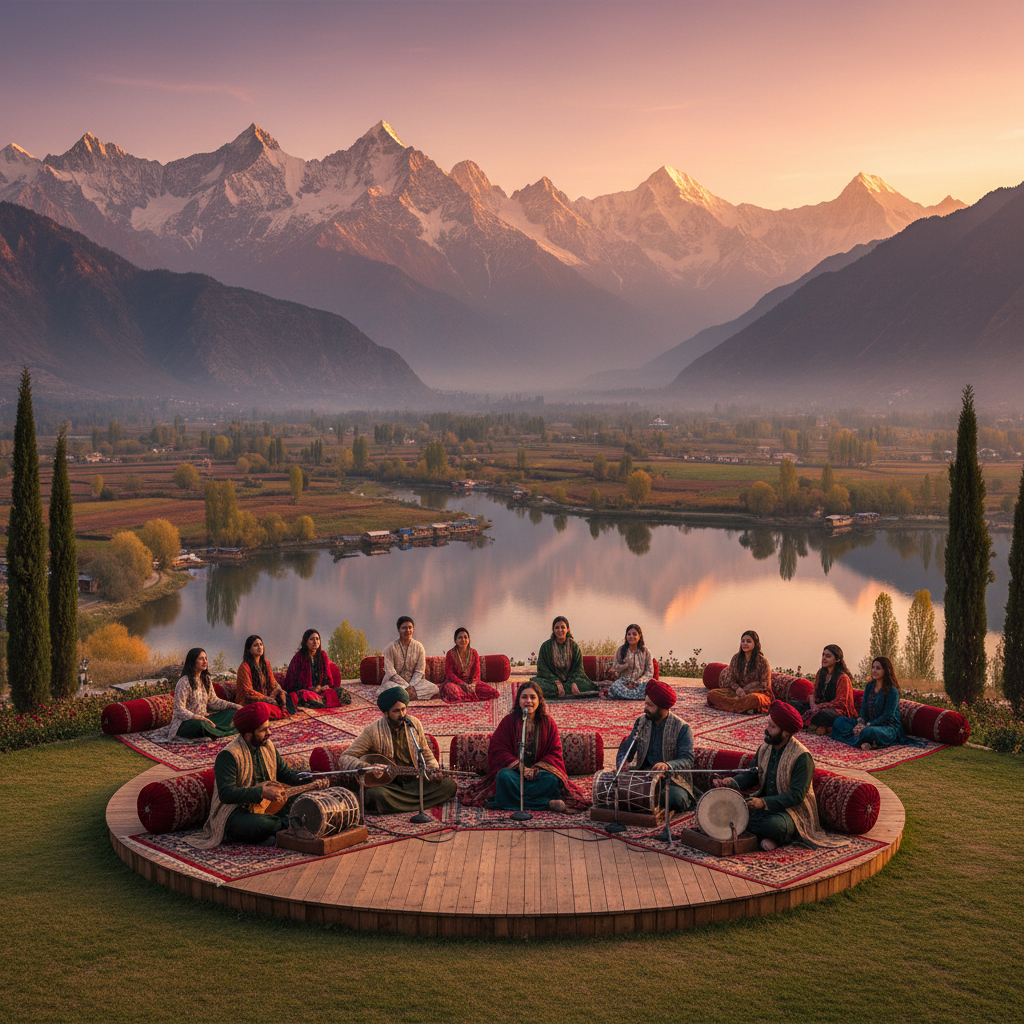
An Introduction to Kashmir Sufi Music: More Than Just Sounds
Kashmir, often called 'Paradise on Earth,' is not just about stunning landscapes; it's also a cradle of profound spiritual and artistic traditions. Among these, Sufi music holds a special place, weaving together devotion, poetry, and melody into an experience that transcends mere entertainment. Unlike many other forms of music, Kashmiri Sufi music is deeply rooted in the region's unique blend of Islamic mysticism and indigenous spiritual practices. It's a living tradition passed down through generations, reflecting the syncretic culture of the Valley. The music often features devotional poetry, known as 'Sufiana Kalam,' sung in Kashmiri, Persian, and sometimes Urdu, accompanied by traditional instruments like the santoor, saz-e-Kashmir, rabab, and tabla. For travellers seeking a deeper connection with Kashmir, attending a Sufi music concert is an unmissable opportunity. It's an immersive experience that allows you to feel the pulse of the local culture, understand its spiritual underpinnings, and witness the power of music to unite and uplift. These performances are not just shows; they are often communal gatherings, sometimes held in serene settings like Sufi shrines or traditional Kashmiri homes, making the experience even more authentic and memorable. You'll find that the music is often repetitive yet evolving, drawing you into a meditative state, connecting you to the centuries-old spiritual legacy of the Valley.
What to Expect at a Kashmir Sufi Music Concert: A Spiritual Gathering
Attending a Kashmir Sufi music concert is a unique cultural immersion, quite different from a typical performance. Expect a profound, almost meditative atmosphere rather than a boisterous event. The focus is on devotion and spiritual connection, with musicians often closing their eyes, completely engrossed in the melodies and lyrics. The music itself is usually slow and evocative at the start, gradually building in intensity and rhythm. You'll hear the rich, resonant tones of the Santoor, the melodic strains of the Saz-e-Kashmir (a bowed string instrument unique to the region), the rhythmic backbone of the Tabla, and the soulful twang of the Rabab. The vocalists, known as Sufiana Mausiqi artists, deliver complex poetic verses, often improvising and adding their own spiritual interpretations. Concerts typically last between one and a half to three hours, with no intermissions, though some more informal gatherings might have short breaks. The audience usually sits respectfully, often on the floor on traditional Kashmiri carpets, allowing for a more intimate connection with the performers. Applause might be subdued, a gentle nod or a quiet 'wah wah' expressing appreciation rather than loud cheers. It's an opportunity to simply be present, listen, and let the music transport you. Dress modestly, out of respect for the spiritual nature of the event. Many performances also include an element of 'sama,' a spiritual gathering that involves listening to music and chanting, often leading to a state of ecstatic contemplation for the devout.
Where and When to Find Sufi Music Concerts in Kashmir
Finding a formal, publicly advertised Kashmir Sufi music concert can sometimes be a delightful chase, as many performances are intimate gatherings rather than large-scale events. However, there are a few reliable avenues. The Jammu and Kashmir Academy of Art, Culture and Languages (JKAACL) in Srinagar is often the best starting point. They occasionally organize public Sufi music events, especially during cultural festivals or special occasions. Keeping an eye on their official announcements or contacting them directly before your visit is recommended. Another key venue is the Tagore Hall in Srinagar, which hosts various cultural programs, including Sufi evenings, throughout the year. These are usually ticketed events, with prices ranging from INR 100 to INR 500, depending on the artists and the scale of the event. Informal gatherings and private performances are also common. Many local cultural NGOs or Sufi shrines might host smaller, more impromptu sessions. Your best bet for these is to ask local contacts, your houseboat or hotel owner, or a trusted tour guide. They often have an ear to the ground about such community events. While there isn't a fixed 'Sufi music season,' cultural activity generally picks up in spring (April-May) and autumn (September-October), coinciding with tourist seasons and pleasant weather. However, some devotion-focused concerts occur year-round, particularly during religious observances like Urs (death anniversaries of Sufi saints). Some upscale hotels in Srinagar might also arrange private Sufi music evenings for their guests, offering a convenient way to experience the tradition, though these may have a higher price tag.
Renowned Kashmiri Sufi Artists and Their Legacy
Kashmir has a rich lineage of Sufi musicians and poets who have kept this soulful tradition alive for centuries. Understanding the maestros adds another layer of appreciation to the music. Historically, figures like Sheikh Noor-ud-Din Noorani (Nund Rishi) were not just Sufi saints but also profound poets whose 'Shruk' (verses) form the core of much Sufiana Kalam. In more contemporary times, artists like Ghulam Nabi Sheikh, Ustad Muhammad Abdullah Tibatbaqal, and Ustad Ghulam Mohammad Saaznawaz have been instrumental in preserving and propagating the classical Sufiana Mausiqi tradition. These masters, through their dedication, have ensured the intricate melodies and spiritual depth of the music are passed to newer generations. Among the instruments, the Santoor, a hammered dulcimer, is intrinsically linked to Kashmiri Sufi music, with artists like Pandit Shivkumar Sharma (though his style is more classical Indian) drawing inspiration from Kashmiri folk traditions. Local exponents of the Santoor, Rabab, and Saz-e-Kashmir are the true torchbearers of Sufiana Mausiqi. While many of these legendary figures may no longer be performing, their disciples and families continue their legacy. Look for performances by groups or individuals who openly acknowledge their lineage to these masters. Organizations like the Jammu and Kashmir Academy of Art, Culture and Languages actively work to promote and support these traditional artists, often featuring them in their events. Supporting these artists directly helps in the preservation of this unique cultural heritage.
Understanding the Instruments: The Soul of Sufi Music
The distinctive sound of Kashmir Sufi music is inextricably linked to its unique array of traditional instruments, each contributing its own texture and emotional depth. The most iconic is arguably the Santoor, a trapezoid-shaped hammered dulcimer with 100 strings, played with two light wooden mallets. Its shimmering, resonant tones evoke the tranquil beauty of the Valley and are central to Sufiana Mausiqi. Another instrument unique to Kashmir is the Saz-e-Kashmir, a bowed string instrument resembling a local version of a cello or sarangi, producing deep, melancholic melodies that beautifully convey the spiritual yearning inherent in Sufi poetry. The Rabab, a lute-like instrument with a short neck, provides rhythmic and melodic support, its plucky sound adding a vibrant counterpoint. The Tabla, a pair of hand drums, dictates the intricate rhythmic patterns, often building in complexity as the music progresses. Sometimes, you might also encounter the harmonium, a reed organ, which has become a more recent addition, providing a melodic backdrop and support for the vocalists. Together, these instruments create a rich, layered soundscape that is both complex and deeply moving. Understanding their individual roles enhances your appreciation of the musicians' skill and the overall tapestry of the music. Each instrument, often handmade by local artisans, carries its own history and tradition, reflecting the craftsmanship and artistic heritage of Kashmir.
Etiquette and Appreciation: Being a Respectful Audience
Attending a Kashmir Sufi music concert is a privilege, and observing local etiquette enhances your experience and shows respect for the performers and the tradition. Firstly, modesty in dress is appreciated, especially if the concert is held in a spiritual or traditional setting. Avoid revealing clothing. When you enter, it's customary to remove your shoes if the performance is indoors, particularly if you're sitting on the floor. Take your seat quietly and avoid unnecessary movement or chatter during the performance. The atmosphere is often one of quiet contemplation, so maintain a respectful silence. While applause is acceptable at the end of a piece or performance, it's often more subdued than in Western concerts. A gentle nod, a quiet 'subhanallah' (Glory to God), or a soft 'wah wah' (an expression of appreciation for artistic skill) is common. Avoid loud cheering, whistling, or distracting photography with flash. If you wish to take photos or videos, always ask for permission beforehand, and do so discreetly without disrupting others. Remember, for many, this is a spiritual experience, not just entertainment. Being mindful of this perspective will allow you to connect more deeply with the music and its profound message. If refreshments are offered, accept them graciously, as it's a gesture of hospitality.
Planning Your Sufi Music Experience: Tips for Travellers
To truly immerse yourself in Kashmir's Sufi music scene, some planning will go a long way. Start by checking the schedules of the Jammu and Kashmir Academy of Art, Culture and Languages (JKAACL) and Tagore Hall in Srinagar for any announced public concerts during your travel dates. Websites or social media pages of these institutions are the best sources. Since formal public concerts aren't daily occurrences, consider if a private arrangement is feasible. Many Mid Holidays tour packages can incorporate cultural experiences, and we can often help arrange a private Sufi music evening through our local network, especially for groups or those with specific interests. This option, though pricier (ranging from INR 5,000 to INR 15,000 for a small group, depending on artists and venue), offers an exclusive and intimate experience. When booking your trip, consider the spring (April-May) and autumn (September-October) months, as these often coincide with more cultural events. Always engage with your hotel staff or local guides; they are invaluable sources for current happenings, including informal gatherings at shrines or community centres. Be open to a non-commercial, authentic experience; sometimes the most memorable encounters are in unexpected places. Finally, if you develop a deep appreciation for the music, consider purchasing recordings or supporting the artists directly. This helps sustain this invaluable cultural heritage. Don't be afraid to ask questions before or after a concert; Kashmiris are generally very welcoming and proud of their traditions, and would be happy to share insights into their music and culture.
Related Kashmir Guides & Services
<p>Planning the rest of your trip? These Mid Holidays guides pair well with this article:</p><ul><li><a href="/blog/pampore-saffron-fields-visit-guide">Pampore Saffron Fields Visit Guide: Kashmir's Golden Bloom</a></li><li><a href="/blog/best-kashmiri-street-food-guide">Best Kashmiri Street Food Guide: A Local's Culinary Journey</a></li><li><a href="/blog/dal-lake-houseboat-booking-guide-kashmir-travel">Dal Lake Houseboat Booking Guide for Kashmiri Travellers</a></li><li><a href="/blog/kashmir-bargaining-shopping-tips-guide">Kashmir Bargaining & Shopping: Your Ultimate Local's Guide</a></li><li><a href="/blog/ardhkuwari-cave-guide">Ardhkuwari Cave Guide: Your Spiritual Journey to Vaishno Devi</a></li></ul>
Frequently Asked Questions
What is the main difference between Kashmiri Sufi music and other Indian classical music forms?
Kashmiri Sufi music, or Sufiana Mausiqi, distinguishes itself through its deep connection to Persian and Central Asian melodic modes (maqams) and its primary focus on devotional Sufi poetry, often in Persian or Kashmiri. While it shares some theoretical elements with Hindustani classical music, its rhythmic cycles, instrument selection (like the Saz-e-Kashmir and Santoor), and overall spiritual intent for 'sama' (listening for spiritual experience) give it a distinct identity. It's less about performance virtuosity and more about inducing a meditative state.
Are Sufi music concerts suitable for children or families?
Yes, Sufi music concerts are generally suitable for children and families, particularly if the children are old enough to appreciate quiet, contemplative environments. The music is soulful and calming, devoid of any inappropriate content. It can be a wonderful cultural exposure for younger generations. However, loud or restless children might find the experience challenging due to the long, meditative nature of the performances, and it's important to maintain a respectful silence for other attendees.
Do I need to understand Kashmiri or Persian to appreciate the music?
While understanding the poetry in Kashmiri or Persian adds a profound layer of appreciation, it is by no means essential to enjoy the music. The melodies, rhythms, and the sheer emotional delivery of the vocalists are powerful enough to transcend language barriers. The music itself is designed to evoke a spiritual feeling, and many listeners find themselves deeply moved by the sounds alone. If you're keen, sometimes brief translations or explanations of the poetry's themes are provided at more formal events.
What is the typical cost of attending a public Sufi music concert in Kashmir?
The cost for public Sufi music concerts in Kashmir can vary significantly. Events organized by cultural academies or at venues like Tagore Hall might have tickets ranging from a modest INR 100 to INR 500 per person. More informal or community-based gatherings are often free, though donations might be welcome. For private performances arranged through hotels or tour operators, the cost would be considerably higher, typically starting from INR 5,000 for a small group, reflecting the exclusive nature and artist fees.
Can I learn to play Kashmiri Sufi instruments during my visit?
While intensive learning might require a longer stay, it is possible to find local musicians or academies that offer introductory workshops or lessons for instruments like the Santoor, Rabab, or Saz-e-Kashmir. These would usually be private lessons. Enquire with the Jammu and Kashmir Academy of Art, Culture and Languages or ask your Mid Holidays guide for local contacts. A short introductory session could provide a fascinating insight into the techniques and traditions of these unique instruments.
Is it easy to find authentic Sufi music recordings or CDs in Kashmir?
Finding authentic recordings of traditional Kashmiri Sufi music can be a bit challenging in regular music stores, which often focus on more contemporary or Bollywood genres. Your best bet is to look for cultural centres, the JKAACL, or inquire directly with musicians after a performance. Some local NGOs dedicated to preserving traditional arts might also have limited editions. Occasionally, online platforms might feature recordings, but the physical experience of finding them in Kashmir adds to the charm.
Are there any annual Sufi music festivals in Kashmir?
While Kashmir doesn't host a dedicated large-scale annual 'Sufi music festival' in the way some other regions do, Sufi music is often an integral part of broader cultural festivals and events. The Urs celebrations (annual death anniversaries of Sufi saints like Sheikh Noor-ud-Din Noorani) often feature Sufiana Mausiqi performances at shrines and homes, particularly in the rural areas. The JKAACL and other cultural bodies also organize themed music festivals or series that highlight Sufi traditions throughout the year, especially during spring and autumn.