Kashmir Sufism and Shrines Guide: A Spiritual Journey
Kashmir Spiritual Travel Guide
Explore Kashmir's rich Sufi heritage and revered shrines with our comprehensive guide. Discover sacred sites, local traditions, and the essence of Kashmir's…
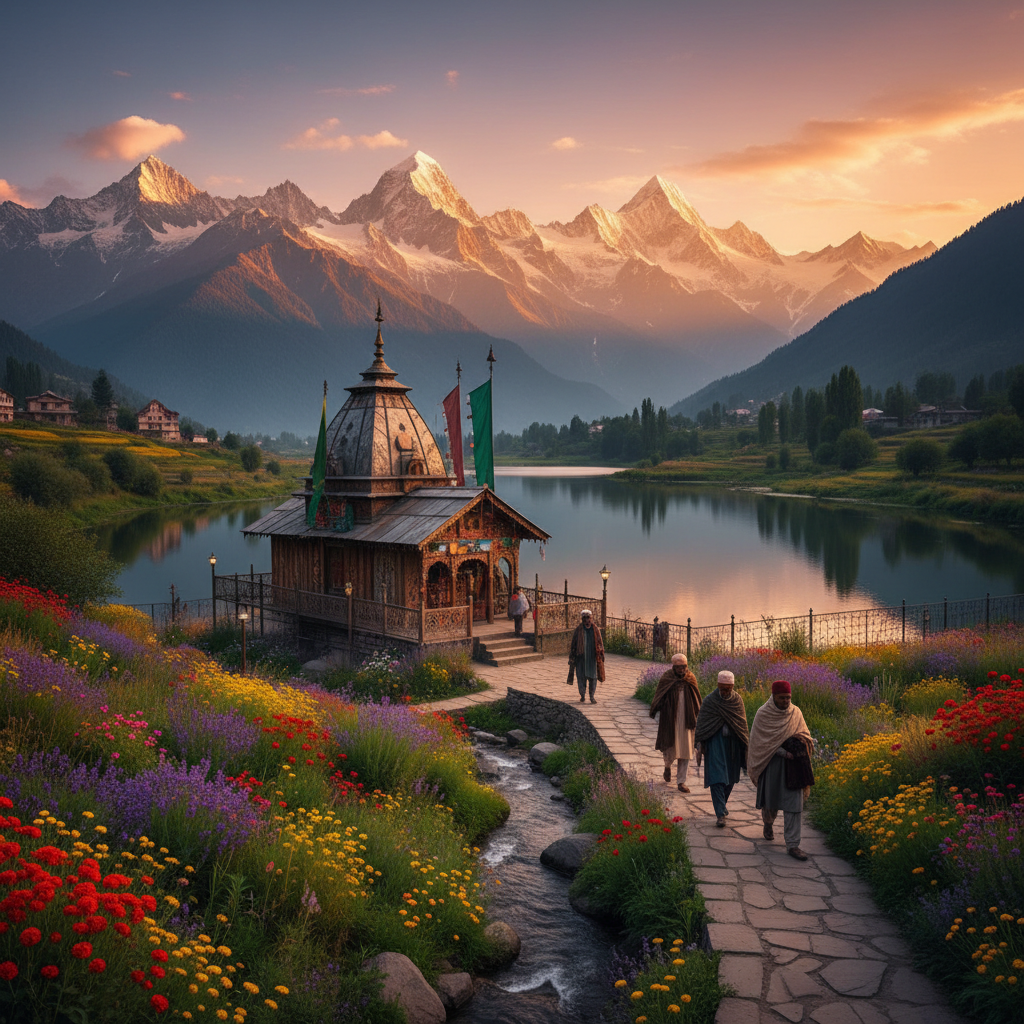
Embracing the Spiritual Heart of Kashmir: An Overview
Kashmir, often called 'Rishi Vaer' or the 'Valley of Saints', holds a profound spiritual legacy, primarily shaped by the Sufi tradition. This guide invites you on a journey to explore the sacred sites and understand the unique blend of Islamic Sufism and indigenous Rishi order that defines Kashmiri spirituality. Unlike more orthodox interpretations of Islam, Kashmiri Sufism is characterized by its syncretic nature, promoting harmony, tolerance, and a deep connection with nature. This philosophy, championed by revered saints like Sheikh Noor-ud-din Noorani (Nund Rishi), has permeated every aspect of Kashmiri life, from its art and music to its poetry and social customs. Visiting these shrines is not merely a religious act but an immersion into a living cultural heritage, offering a glimpse into the soul of Kashmir. You'll encounter diverse pilgrims, experience serene contemplation, and perhaps even witness Qawwali or local devotional music performances. This spiritual exploration is ideal for those seeking a deeper understanding of Kashmir beyond its picturesque landscapes, for history buffs interested in cultural convergence, and for anyone yearning for a peaceful, introspective travel experience. It’s a journey that touches the heart and soul, leaving a lasting impression of Kashmir's unique spiritual tapestry.
Best Time to Visit for a Spiritual Journey
The best time to embark on a spiritual journey to Kashmir's Sufi shrines largely depends on your preference for weather and crowd levels. Spring (April to May) and Autumn (September to October) are generally ideal. During spring, the valley blossoms with fresh greenery and flowers, creating a serene and uplifting atmosphere for spiritual reflection. The weather is pleasant, typically ranging from 15°C to 25°C, making travel comfortable. Autumn offers crisp air, golden chinar leaves, and clear skies, providing a breathtaking backdrop for your visits, with temperatures between 10°C and 20°C. Summers (June to August) are also good, especially for higher altitude shrines, but the plains of Srinagar can get warm (25°C to 30°C). Winter (November to March) transforms Kashmir into a snow-covered wonderland, offering a different kind of spiritual solitude. While some shrines might be less accessible due to snow, visiting during this time offers a unique, tranquil experience, though you'll need to pack heavy winter clothing. Major Urs (death anniversary) celebrations of prominent saints often occur throughout the year, attracting large gatherings, so if you wish to witness these vibrant festivals, researching specific dates is advisable. However, for a more peaceful exploration, avoiding peak festival times might be preferred.
A Day-by-Day Spiritual Itinerary: Srinagar & Beyond
A 5-day spiritual itinerary allows for an in-depth exploration of Kashmir's prominent Sufi shrines. Day 1: Arrive in Srinagar, check into your houseboat or hotel. Dedicate the afternoon to the Hazratbal Shrine, housing a relic of Prophet Muhammad, and later, the revered Dargah of Makhdoom Sahib (also known as Sultan-ul-Arifeen), perched on the Hari Parbat hill, offering panoramic views. Day 2: Explore the historic Khanqah-e-Moula, a stunning wooden mosque dedicated to Mir Syed Ali Hamdani, and the nearby Shah-e-Hamdan mosque in the old city, followed by a visit to the shrine of Peer Dastgeer Sahib (Ghous-ul-Azam Dastgeer Sahib) in Khanyar, known for its beautiful architecture. Day 3: Journey to Chrar-e-Sharief (approx. 1.5 hours drive from Srinagar), the sacred abode of Sheikh Noor-ud-din Noorani (Nund Rishi). This pilgrimage site offers a deep dive into the Rishi order's philosophy. Allow ample time for quiet contemplation here. Day 4: Head towards Anantnag district (approx. 2 hours from Srinagar) to visit the shrine of Baba Hyder Reshi (Reshi Mol) in Aishmuqam, dramatically located on a hilltop, famous for its annual Urs festival. Afterwards, explore the spiritual sites of Pahalgam, known for its connection to Sufi saints. Day 5: Return to Srinagar. Visit the shrine of Syed Janbaz Wali in Baramulla (approx. 1.5 hours from Srinagar), another significant Sufi saint, before your departure. This itinerary provides a balanced mix of city and rural shrines, offering a holistic spiritual experience. Remember to factor in traffic and allow flexibility in timings, especially in Srinagar's old city.
Understanding Costs and Budgeting for Your Spiritual Tour
A spiritual tour focusing on Kashmir's shrines can be surprisingly affordable, with costs largely depending on your travel style. For a comfortable 5-day trip for two, a realistic budget could range from INR 25,000 to INR 50,000 (excluding flights). Accommodation: Expect INR 2,000-5,000 per night for a decent hotel or guesthouse in Srinagar; houseboats might be slightly higher. For a very modest stay, you could find places for INR 1,000-1,500. Transport: Hiring a private taxi for your itinerary, including day trips to Chrar-e-Sharief and Aishmuqam, might cost around INR 2,500-4,000 per day for an SUV, or INR 1,800-3,000 for a smaller sedan. Local shared transport (sumos, buses) is much cheaper, often just a few hundred rupees for longer routes, but less convenient for shrine hopping. Food: Delicious Kashmiri meals (Wazwan, local street food) can be enjoyed for INR 300-800 per person per day. Entry fees to shrines are generally not charged, but donations are welcome. Miscellaneous: Budget around INR 500-1000 per day for small purchases, offerings, and personal expenses. To save money, consider traveling during the shoulder seasons (early April or late October), utilizing local transport for short distances, and opting for homestays or budget hotels. Always negotiate taxi fares beforehand, especially for longer routes.
Reaching Kashmir and Navigating Local Transport
Reaching Kashmir is primarily through Srinagar's Sheikh ul-Alam International Airport (SXR), which is well-connected to major Indian cities like Delhi, Mumbai, and Bangalore. Flight durations typically range from 1.5 to 3 hours from these hubs. Alternatively, you can reach Jammu Tawi Railway Station, which has excellent rail connectivity across India. From Jammu, you can hire a taxi (around INR 2,500-4,000 for a sedan, 7-8 hours travel) or take a shared cab or bus to Srinagar (INR 500-800 per person). The Jammu-Srinagar National Highway (NH44) offers scenic views but can experience disruptions due to weather or landslides, particularly in winter. Once in Srinagar, local transport options are varied. For shrine visits within the city, auto-rickshaws are convenient for shorter distances (INR 50-200 depending on distance) and Shikaras can be used for attractions on Dal Lake. For visiting multiple shrines or those outside Srinagar like Chrar-e-Sharief or Aishmuqam, hiring a private taxi is the most practical and comfortable option. Day rates for a local Srinagar taxi typically range from INR 2,000 to 4,000 depending on vehicle type and distance. Shared taxis (Sumos) are available from designated stands for inter-city travel and are very economical, though they follow fixed routes and schedules. For a hassle-free spiritual journey, Mid Holidays can arrange comfortable, reliable transportation tailored to your itinerary, ensuring you focus purely on the experience.
Where to Stay and Savor Local Flavors
For a spiritual tour of Kashmir, Srinagar offers the widest range of accommodation options. You can choose to stay in a traditional houseboat on Dal Lake or Nigeen Lake for a unique, serene experience, with prices ranging from INR 3,000 to INR 10,000+ per night depending on luxury. Hotels and guesthouses in areas like Boulevard Road, Rajbagh, and Lal Chowk provide comfortable stays, with prices from INR 2,000 to INR 7,000 per night. For a more immersive spiritual experience, consider staying at a guesthouse closer to the old city, though these might offer fewer amenities. When visiting Chrar-e-Sharief, day trips from Srinagar are common as direct accommodation options are limited to very basic guesthouses. For Aishmuqam and Pahalgam, there are hotels and guesthouses available, allowing for an overnight stay if desired. Eating in Kashmir is an experience in itself. For an authentic taste, seek out local eateries for Rogan Josh, Yakhni, Gushtaba, and Tabakhmaaz, staples of the elaborate Wazwan feast. Smaller local joints near shrines often serve delicious, home-style Kashmiri Pulao, Kebabs, and Harissa (especially in winter). Don't miss trying the local bread, called 'Kashmiri Baqerkhani,' and a cup of aromatic Kahwa tea, particularly comforting after a visit to a shrine. Many restaurants catering to tourists are available, but for a true spiritual and culinary journey, embrace the local haunts and street food vendors.
Essential Packing, Safety, and Local Etiquette
Packing for a spiritual journey to Kashmir requires practicality and respect for local customs. Depending on the season, layer your clothing. Even in summer, evenings can be cool, so a light jacket or shawl is advisable. For spring and autumn, carry warm sweaters, thermal wear, and a waterproof jacket. Winters demand heavy woollens, gloves, caps, and sturdy, waterproof footwear. Always carry comfortable walking shoes as you'll be removing them frequently at shrines. Dress modestly: women should carry a headscarf (mandatory for entering shrines) and wear loose-fitting clothes that cover arms and legs. Men should also wear full-length trousers. Other essentials include a first-aid kit, personal medications, sunscreen, sunglasses, and a power bank. Kashmir is generally safe for tourists, but always exercise caution, especially in crowded areas. Avoid late-night solo travel in remote areas. For local etiquette at shrines, remove your shoes before entering and cover your head. Maintain silence and respect the sanctity of the place. Photography might be restricted in some areas inside shrines, so always ask for permission. Avoid public displays of affection. Engage respectfully with locals, who are generally very hospitable. Political discussions should be approached with sensitivity, or avoided altogether. Keeping these points in mind will ensure a smooth, respectful, and enriching spiritual experience.
Common Mistakes to Avoid on Your Spiritual Journey
To ensure a truly fulfilling spiritual journey in Kashmir, be mindful of certain pitfalls. Firstly, underestimating travel times is a common mistake. Distances might seem short on a map, but mountainous terrain, road conditions, and security checks can significantly extend travel durations, especially to shrines outside Srinagar. Always factor in extra buffer time. Secondly, neglecting local customs and dressing inappropriately can be disrespectful. Remember, shrines are places of worship; modest attire and head covering for women are essential. Not carrying cash is another oversight; while major establishments in Srinagar accept cards, smaller shops and local transport often operate on cash. ATMs are available, but not everywhere. Over-planning every minute can also detract from the spiritual essence; allow for spontaneity and moments of quiet contemplation. Expecting every shrine to be grand and ornate is another mistake; many revered shrines are simple, reflecting the Sufi emphasis on humility. Lastly, not engaging with locals or trying local cuisine means missing out on a significant part of the Kashmiri cultural experience. Be open to conversations, try the authentic flavors, and you'll find your spiritual journey enriched by the warmth of the Kashmiri people. For a seamlessly planned spiritual journey, consider one of Mid Holidays' curated packages, ensuring all logistics are handled with local expertise.
Related Kashmir Guides & Services
<p>Planning the rest of your trip? These Mid Holidays guides pair well with this article:</p><ul><li><a href="/blog/pampore-saffron-fields-visit-guide">Pampore Saffron Fields Visit Guide: Kashmir's Golden Bloom</a></li><li><a href="/blog/yusmarg-day-trip-itinerary">Your Ultimate Yusmarg Day Trip Itinerary from Srinagar</a></li><li><a href="/blog/tulail-valley-tour-kashmir-hidden-paradise">Tulail Valley Tour: Your Guide to Kashmir's Hidden Paradise</a></li><li><a href="/blog/how-to-plan-kashmir-trip-from-delhi">How to Plan a Dream Kashmir Trip from Delhi: A Local's Guide</a></li><li><a href="/blog/kashmir-tulip-garden-2026-travel-guide-local">Kashmir Tulip Garden 2026: Your Ultimate Local's Guide to Blooms & Beauty</a></li></ul>
Frequently Asked Questions
What is the significance of the Rishi order in Kashmiri Sufism?
The Rishi order, founded by Sheikh Noor-ud-din Noorani (Nund Rishi), is unique to Kashmir. It represents a syncretic blend of Islamic Sufi principles with ancient Kashmiri ascetic traditions and Hindu yogic practices. The Rishis emphasized service to humanity, abstinence, non-violence, and a deep reverence for nature, advocating a path of spiritual enlightenment through self-control and communal harmony. Their teachings deeply influenced Kashmiri society, promoting interfaith understanding and a distinctive cultural identity.
Are non-Muslims allowed to visit Sufi shrines in Kashmir?
Yes, absolutely. Sufi shrines in Kashmir are generally open to people of all faiths. The philosophy of Sufism promotes universal love and acceptance, and the shrines are seen as places for spiritual solace and communal gathering, irrespective of religious background. Visitors are expected to observe basic etiquette such as dressing modestly, removing shoes before entering, and maintaining respectful silence, just as any devotee would.
What is the importance of Hazratbal Shrine in Srinagar?
The Hazratbal Shrine, located on the northern bank of Dal Lake in Srinagar, is one of Kashmir's most revered holy sites. It is unique for housing the Moi-e-Muqqadas, a sacred relic believed to be a hair strand of Prophet Muhammad. The shrine is a significant pilgrimage destination, attracting thousands of devotees, especially on religious occasions like the Prophet's birthday (Eid-e-Milad-un-Nabi), when the relic is displayed to the public, drawing immense spiritual fervor and devotion.
What kind of offerings are typically made at Sufi shrines?
Offerings at Sufi shrines are usually symbolic and heartfelt. Common offerings include flowers, incense sticks (agarbatti), and small donations towards the upkeep of the shrine. Devotees often light candles or oil lamps, tie threads (mannat) to latticed windows as a wish, or offer sweets (prasad) which are then distributed. While no specific offering is mandatory, it is customary to contribute in some small way as a mark of respect and devotion.
Can I witness Qawwali or other devotional music at these shrines?
While not a daily occurrence at every shrine, Qawwali and local devotional music (often called 'Sufiana Mousiqi' or 'Chakri') performances are integral to Sufi culture in Kashmir. You are most likely to witness these during Urs (death anniversary) celebrations of the saints, or on specific religious nights like Friday evenings or during events organized by the shrine management. These performances are deeply spiritual and offer a powerful, immersive experience into Kashmiri Sufism.
What is the role of 'Ziarat' in Kashmiri Sufi tradition?
Ziarat refers to the act of pilgrimage or visitation to a sacred place, particularly the shrines of Sufi saints. In Kashmiri Sufi tradition, Ziarat is considered a highly meritorious act, believed to bring spiritual blessings (Baraka) and intercession from the saint. It's a journey of devotion, remembrance, and seeking spiritual proximity to the revered figures, often involving prayers, reciting verses, and quiet contemplation at the tomb of the saint. It reinforces community bonds.
Are there specific rules for photography inside the shrines?
Photography rules vary from shrine to shrine. Generally, taking photos of the exterior architecture is permitted. However, inside the main prayer halls or where the sacred relic/tomb is located, photography is often restricted or completely forbidden to maintain sanctity and respect. It's always best to look for clear signage or politely ask a shrine official or local devotee for permission before taking any photographs inside to avoid unintentional disrespect.