Kashmir Marathon & Sports Events: Your Ultimate Participant Guide
Kashmir Sports Tourism
Explore Kashmir's vibrant marathon and sports events scene with our ultimate guide. Find dates, registration, routes, and tips for participating in run…
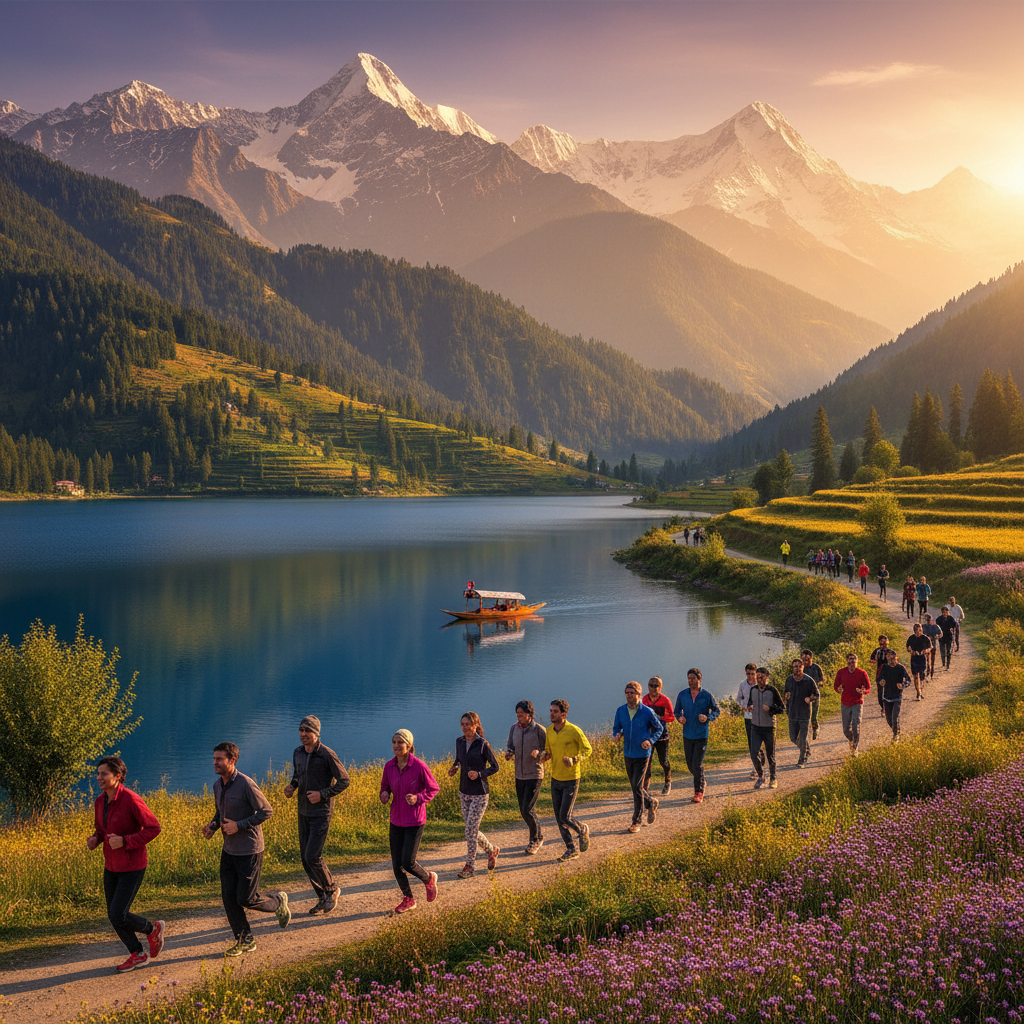
Kashmir Marathon and Sports Events: An Overview for Participants
Kashmir, renowned for its breathtaking landscapes, is increasingly becoming a hub for various sports events, drawing participants from across India and beyond. Beyond the serene lakes and majestic mountains, the Valley now hosts a growing calendar of athletic challenges, with the Kashmir Marathon being a highlight. These events offer a unique opportunity to combine your love for sports with an immersive travel experience in one of the world's most beautiful regions. Imagine running alongside the Dal Lake, cycling through historic Mughal gardens, or engaging in winter sports amidst snow-capped peaks. This guide is crafted for the aspiring participant, providing all the essential information to plan your sports-centric trip to Kashmir. From endurance races to adventure sports festivals, Kashmir's sports events cater to a diverse range of interests and fitness levels. The focus is not just on competition but also on celebrating the natural beauty and vibrant culture of the region. Local organisers, often in collaboration with tourism bodies, ensure that these events are well-managed, safe, and provide a memorable experience. We’ll delve into the types of events you can expect, the best times to participate, and what makes each event special, giving you an insider's perspective on how to make the most of your sporting adventure in Kashmir. Whether you're a seasoned marathoner, a casual runner, or an adventure enthusiast, Kashmir's sports calendar has something for you.
Types of Sports Events You Can Expect in Kashmir
Kashmir's diverse topography and seasonal variations allow for a wide array of sports events throughout the year. The most prominent are long-distance running events, particularly the Kashmir Marathon, which often features full marathon, half marathon, and 10k categories. These races typically take place around Srinagar, offering scenic routes along Dal Lake, through the city's historic avenues, and sometimes even into the Shankaracharya Hills, providing challenging ascents and stunning vistas. The routes are usually well-marked, and aid stations are regularly spaced to support runners. Beyond running, cycling events are gaining traction, with routes often exploring the picturesque valleys and connecting prominent tourist spots like Gulmarg and Pahalgam. These rides can range from competitive races to more leisurely organised tours, appealing to both serious cyclists and recreational riders. In the colder months, especially December to February, winter sports festivals come alive in Gulmarg. These often include skiing championships, snowboarding competitions, and even ice hockey tournaments. Adventure sports, like trekking challenges in areas such as Sonamarg or Pahalgam, are also organised, focusing on endurance and exploration in the high-altitude terrain. Additionally, water sports events, such as kayaking or rowing competitions, occasionally take place on Dal Lake or Wular Lake, showcasing a different facet of Kashmir's sporting potential.
Best Time to Participate and Event Calendar Highlights
The best time to participate in Kashmir's sports events largely depends on the type of activity you're interested in. For running and cycling events, the spring (April to June) and autumn (September to October) months offer the most pleasant weather. During spring, the valley is awash with blooming flowers, and temperatures are mild, typically ranging from 15°C to 25°C, ideal for endurance activities. Autumn brings crisp air, vibrant foliage, and stable weather, with temperatures between 10°C and 20°C, making it another excellent period for outdoor sports. Major running events like the Kashmir Marathon are often scheduled in late spring (May-June) or early autumn (September-October) to avoid the peak summer heat and winter cold. Winter sports festivals, as expected, run from December to February, when Gulmarg is blanketed in snow and temperatures can drop below freezing. These months are perfect for skiing, snowboarding, and ice-skating enthusiasts. While exact dates vary annually, event organisers typically announce their calendars several months in advance. Keep an eye on local tourism websites and the official pages of event organisers for precise dates and registration windows. Mid Holidays also keeps an updated list of major events, so feel free to check our resources or contact us for the latest information.
Registration Process, Costs, and What to Expect
Participating in a Kashmir sports event generally follows a straightforward online registration process. Most major events will have a dedicated website where you can find details about race categories (full marathon, half marathon, 10k, cycling routes, etc.), eligibility criteria, and registration deadlines. You will typically need to provide personal details, emergency contact information, and sometimes a medical declaration. Early bird registration is common, offering reduced fees, so it's wise to sign up as soon as dates are announced. Registration fees can range from INR 1,000 to INR 3,500 for running events, depending on the category and inclusions, which usually cover a race bib, timing chip, finisher's medal, t-shirt, and on-course hydration and medical support. For winter sports festivals, registration for specific competitions might be slightly higher, often including equipment rentals or lift passes. Once registered, you'll receive a confirmation email and details about bib collection, pre-race briefings, and event day logistics. On race day, expect a vibrant atmosphere with fellow participants, volunteers, and local spectators. Medical teams are always on standby, and aid stations provide water, electrolytes, and sometimes light snacks. Post-race, there are usually celebrations, photo opportunities, and often a simple meal or refreshments. Always read the event rules and regulations carefully to ensure a smooth experience.
Training Tips and High-Altitude Considerations
Training for a Kashmir sports event requires specific considerations, especially if you're participating in a high-altitude area or an endurance race. For running events in Srinagar (which is around 1,585 meters or 5,200 feet above sea level), if you are coming from lower altitudes, it is advisable to arrive a few days early to acclimatise. Gentle walks and light activities for the first 2-3 days will help your body adjust. Hydration is key; start increasing your water intake a week before the event and continue throughout your stay. Include strength training and hill repeats in your regimen, as Kashmir's routes can be undulating. For those venturing into events in higher reaches like Gulmarg (2,650 meters or 8,700 feet) or Sonamarg (2,730 meters or 8,960 feet), acclimatisation becomes even more critical. Consult your doctor, especially if you have pre-existing health conditions, before undertaking high-altitude sports. Listen to your body during training and on event day; don't push too hard if you feel unwell. Incorporate proper warm-ups and cool-downs, and focus on nutrition, consuming carbohydrate-rich foods for energy. Packing appropriate layers of clothing is also essential, as mountain weather can change rapidly. Running or training in similar weather conditions to what you expect in Kashmir will also be beneficial.
Logistics: Travel, Accommodation, and Local Support
Planning your logistics for a Kashmir sports event involves careful consideration of travel, accommodation, and leveraging local support. Srinagar is the primary entry point, well-connected by flights to major Indian cities. Booking your flights well in advance, especially during peak event seasons, is crucial. From Srinagar Airport, you can easily hire a taxi or use ride-sharing services to reach your accommodation. Accommodation options in Srinagar range from luxurious hotels and houseboats on Dal Lake to comfortable guesthouses and budget-friendly stays. For events in Gulmarg or Pahalgam, you might consider staying in Srinagar and taking day trips, or booking accommodation directly in those locations if the event spans multiple days. Mid Holidays offers a range of accommodation choices that cater to all budgets and preferences, and we can assist with bookings. Many event organisers partner with local hotels to offer discounted rates to participants. Local support is generally excellent; Kashmiris are known for their hospitality. Event staff and volunteers are usually very helpful, and there will be medical facilities readily available. For any pre-trip assistance or during your stay, remember that reliable tour operators like Mid Holidays can provide invaluable local knowledge and logistical support, including transport arrangements and itinerary planning around your event.
Post-Event Exploration and Combining Sports with Sightseeing
Participating in a Kashmir sports event is a fantastic achievement, but your journey doesn't have to end at the finish line. One of the greatest advantages of competing in Kashmir is the opportunity to combine your sporting passion with unparalleled sightseeing and cultural immersion. After your event, take a few extra days to explore the breathtaking beauty of the Valley. In Srinagar, relax with a shikhara ride on Dal Lake, visit the Mughal Gardens like Shalimar Bagh and Nishat Bagh, or wander through the bustling markets of the Old City. The Shankaracharya Temple offers panoramic views of the entire city. Consider extending your trip to Gulmarg, famous for its Gondola ride and meadows, or Pahalgam, the 'Valley of Shepherds,' known for its serene Lidder River and alpine scenery. Sonamarg, the 'Meadow of Gold,' offers stunning glaciers and high-altitude treks. Engaging in these activities after your race allows for active recovery while experiencing the best of Kashmir. You can also indulge in local Kashmiri Wazwan cuisine, shop for authentic Pashmina shawls or saffron, and interact with the warm-hearted locals. Mid Holidays specialises in crafting bespoke itineraries that seamlessly blend sports participation with comprehensive sightseeing, ensuring you leave Kashmir with both a medal and unforgettable memories. Let us help you plan your perfect post-event exploration.
Related Kashmir Guides & Services
<p>Planning the rest of your trip? These Mid Holidays guides pair well with this article:</p><ul><li><a href="/blog/kashmir-shikara-festival-guide">Kashmir Shikara Festival Guide: Dates, Events & Local Tips 2026</a></li><li><a href="/blog/leh-cab-service-reliable-journeys">Leh Cab Service: Your Guide to Reliable Journeys in Ladakh with Mid Holidays</a></li><li><a href="/blog/leh-to-chang-la-taxi-service">Leh to Chang La Taxi Service: Your Ultimate High-Altitude Journey Guide</a></li><li><a href="/blog/pampore-saffron-fields-visit-guide">Pampore Saffron Fields Visit Guide: Kashmir's Golden Bloom</a></li><li><a href="/blog/leh-ladakh-best-time-to-visit-month-wise">Leh Ladakh Best Time to Visit Month-Wise: Your Ultimate Guide</a></li></ul>
Frequently Asked Questions
What is the typical elevation of Kashmir Marathon routes?
Most Kashmir Marathon events primarily take place in and around Srinagar, which sits at an average elevation of approximately 1,585 meters (5,200 feet) above sea level. While the routes may feature gentle ascents and descents, particularly around areas like Shankaracharya Hill or some parts of the city, they generally remain at this moderate altitude. Participants from lower elevations are advised to arrive a few days early for acclimatisation, especially if undertaking a full marathon.
Are there specific training recommendations for high-altitude races in Kashmir?
Yes, for any race in Kashmir, particularly those at moderate to high altitudes, specific training is beneficial. Focus on incorporating hill training into your routine, even if the race route isn't excessively hilly, as it builds leg strength and cardiovascular endurance. Prioritise hydration in the weeks leading up to the race and ensure a balanced diet. If travelling from a significantly lower altitude, plan to arrive 2-3 days before the event to allow your body to acclimatise. Listen to your body and don't push yourself if you feel symptoms of altitude sickness.
What kind of medical support is available during Kashmir sports events?
Organisers of Kashmir sports events typically ensure comprehensive medical support along the race routes and at the start/finish lines. This usually includes first aid stations staffed by medical professionals, ambulances on standby, and paramedical personnel patrolling the course. Water and electrolyte stations are also strategically placed to prevent dehydration. Participants are often required to fill out a medical declaration during registration, and it's advisable to carry any personal medications.
Can beginners participate in Kashmir sports events?
Absolutely! Many Kashmir sports events, especially marathons, offer various categories suitable for different fitness levels, including 5k or 10k fun runs, which are perfect for beginners. Cycling events often have recreational categories. Winter sports festivals might offer introductory workshops. Always check the event details for specific categories and recommendations. It's an excellent way to experience the thrill of sports in a beautiful setting, regardless of your experience level.
What is the best way to get around Kashmir during a sports event?
During a sports event, especially in Srinagar, it's best to rely on pre-arranged transportation. For reaching the event venue, local taxis, auto-rickshaws, or ride-sharing services are readily available. Many hotels also offer shuttle services. For exploring after the event, hiring a private taxi for day trips to places like Gulmarg or Pahalgam is convenient. Mid Holidays can assist with all your local transport needs, ensuring you reach your destinations comfortably and on time.
What should I pack for participating in a sports event in Kashmir?
Your packing list will depend on the season. For spring/autumn running events, pack moisture-wicking running gear, comfortable running shoes, a light jacket for pre-race warmth, sunglasses, and sunscreen. For winter sports, essential items include thermal layers, waterproof and windproof outer layers, gloves, hats, and appropriate winter sports equipment (though rentals are often available). Always pack layers, as mountain weather can change quickly, and don't forget your personal medications and a basic first-aid kit.
Are there any age restrictions for participating in these events?
Age restrictions vary by event and category. Full marathons generally require participants to be 18 years or older, while half marathons and 10k runs might have a minimum age of 16 or 14, often with parental consent required for minors. Fun runs or shorter distances usually have lower age limits. Winter sports competitions might also have specific age groups. Always check the official event website or contact the organisers directly for precise age requirements for your chosen category.