Katra Local Sightseeing Guide: Explore Beyond Vaishno Devi
Katra Travel & Pilgrimage
Discover Katra local sightseeing beyond the Vaishno Devi Yatra. Our guide covers attractions, timings, transport, and practical tips for a fulfilling visit.
Beyond the Shrine: An Introduction to Katra's Charms
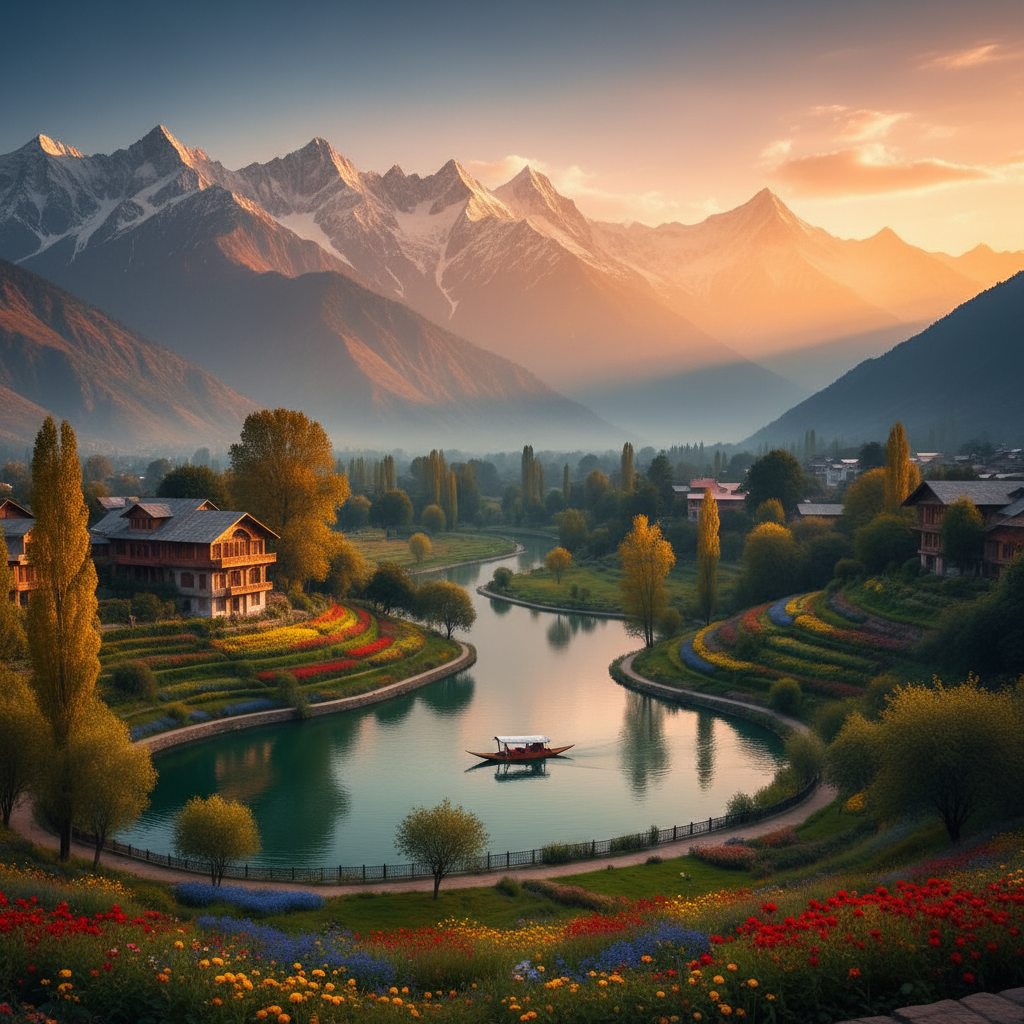
Katra, nestled at the foot of the Trikuta Mountains, is primarily known as the gateway to the revered Vaishno Devi Shrine. Millions of pilgrims visit this sacred town each year, often focusing solely on the yatra. However, Katra and its immediate surroundings offer a rich tapestry of spiritual sites, natural beauty, and cultural experiences that are often overlooked. This guide from Mid Holidays aims to unveil these hidden gems, encouraging you to extend your stay and explore the local sights. While the main pilgrimage remains paramount, dedicating a day or two to Katra local sightseeing can significantly enrich your overall travel experience, providing a deeper connection to the region's heritage and landscapes. We'll share practical advice, local insights, and estimated costs to help you plan an unforgettable trip that goes beyond the conventional pilgrimage route. Think of it as a chance to absorb the spiritual aura of the region in a more relaxed and expansive way, discovering places that resonate with devotion and natural splendor.
Best Time to Explore Katra's Surroundings
The ideal time for Katra local sightseeing largely aligns with the best periods for the Vaishno Devi Yatra, which are generally spring (March to May) and autumn (September to November). During these months, the weather is pleasantly mild, making outdoor excursions and temple visits comfortable. Temperatures range from 15°C to 25°C, perfect for exploring without the sweltering heat of summer or the biting cold of winter. The monsoon season (July to August) can bring heavy rainfall, potentially disrupting travel plans and making some roads slippery, especially for day trips to places like Shiv Khori or Patnitop. While the shrine remains open year-round, these specific local attractions are best enjoyed when the skies are clear and the climate is agreeable. Visiting during festivals like Navratri also adds a unique spiritual vibrancy to Katra, with special decorations and pujas at various local temples, making it a particularly enriching experience. Always check local weather forecasts closer to your travel date for the most accurate conditions.
Must-Visit Local Attractions in Katra
For those seeking to explore Katra beyond the main shrine, several significant spots offer spiritual solace and scenic beauty. The Banganga River, marking the official start of the Vaishno Devi trek, is a holy site believed to have sprung from Mata Vaishno Devi's arrow. Pilgrims often take a purifying dip here. Charan Paduka, a small temple housing the footprints of Mata Vaishno Devi, is another essential stop along the yatra route, about 1.5 km from Banganga. For a different spiritual experience, the Aghar Jitto Shrine, dedicated to Baba Jitto, a legendary farmer-devotee, offers a glimpse into local folklore and devotion, about 5-6 km from Katra town. The Jhajjar Kotli stream, about 15 km away, is a popular picnic spot known for its cool, clear waters and serene environment, offering a refreshing break from the bustling town. These sites are easily accessible and provide a deeper understanding of the region's spiritual and cultural landscape, making them perfect additions to your Katra local sightseeing itinerary.
Day Trips from Katra: Expanding Your Exploration
Beyond Katra's immediate vicinity, several captivating destinations make for excellent day trips, offering diverse experiences from spiritual journeys to natural retreats. Shiv Khori, a natural cave shrine dedicated to Lord Shiva, is approximately 70-80 km from Katra. The journey itself is scenic, and the cave, housing a natural shivling, requires some adventurous crawling to pass through. You can hire a local taxi for around INR 2,500 - 3,500 for a round trip, and expect the entire trip to take 6-8 hours, including travel and darshan. Another popular option is Patnitop, a charming hill station about 80-90 km away, known for its panoramic views, pine forests, and opportunities for leisure activities. A taxi to Patnitop and back might cost around INR 3,000 - 4,000, taking about 8-10 hours for a relaxed visit. For those interested in more temples, the Nau Devi Darshan circuit covers nine significant temples in the region, including the revered Kol Kandoli Temple, though this often requires a full day and careful planning of routes. These day trips provide a wonderful contrast to the spiritual intensity of Vaishno Devi and showcase the broader beauty of Jammu and Kashmir.
Getting Around: Transport Options and Costs
Navigating Katra and its surrounding attractions is relatively straightforward. For local sightseeing within Katra town, auto-rickshaws are readily available and cost-effective. A short ride within Katra might cost between INR 50-150. For sites slightly further out, like Aghar Jitto or Jhajjar Kotli, you can hire a private taxi, which would range from INR 800-1,500 for a half-day trip, depending on the number of spots and negotiation. When planning day trips to Shiv Khori or Patnitop, a full-day private taxi is the most convenient option. As mentioned, expect to pay INR 2,500-4,000 for these longer excursions. Sharing taxis or hiring a local tour operator can also be economical for groups. It's always advisable to negotiate fares before starting your journey, and for long distances, confirm if the price includes waiting time. Most drivers are knowledgeable about the local sights and can double as informal guides. For the Vaishno Devi Yatra itself, ponies, palanquins (pithus), and helicopter services are available at fixed rates, regulated by the shrine board, ensuring transparent pricing for pilgrims.
Where to Eat: Local Delicacies and Pilgrim-Friendly Food
Katra caters primarily to pilgrims, so vegetarian food is widely available and forms the staple diet. You'll find numerous eateries offering simple yet delicious North Indian thalis, pure vegetarian meals, and quick snacks. Near the bus stand and railway station, there are several budget-friendly restaurants. Sagar Ratna is a popular chain for South Indian dishes, while Punjabi Haveli offers authentic Punjabi cuisine. For a local flavor, try the Aloo Tikki, Chole Bhature, and the sweet Lassi from street vendors. Many hotels also have in-house restaurants providing a comfortable dining experience. Expect a decent meal to cost anywhere from INR 150-400 per person. For a more upscale experience, some hotels offer multi-cuisine menus. Remember that alcohol and non-vegetarian food are generally not served or easily found in Katra due to its sacred status. Embrace the local, wholesome vegetarian fare, which is designed to be nourishing and satisfying for pilgrims.
Practical Tips for a Smooth Sightseeing Experience
To make your Katra local sightseeing comfortable and enjoyable, a few practical tips can go a long way. Always carry sufficient drinking water, especially during warmer months, as you’ll be doing a fair bit of walking and travelling. Wear comfortable footwear, preferably sturdy walking shoes, as some sites might involve uneven terrain. While most temples are accessible, be mindful of dress codes – modest attire is always recommended. Keep a small bag for essentials like sunscreen, a hat, and any personal medications. It’s wise to carry some cash, as smaller shops and street vendors might not accept digital payments. While Katra is generally safe, always be aware of your belongings, especially in crowded areas. Engage with local vendors and guides respectfully, and don’t hesitate to ask for directions or recommendations. Finally, remember to dispose of waste responsibly to help maintain the cleanliness of this beautiful and sacred region.
Safety and Local Etiquette
Katra is a generally safe destination, particularly due to its religious significance and constant influx of pilgrims. However, standard travel precautions apply. Keep your valuables secure, avoid venturing into isolated areas after dark, and be wary of unsolicited offers from touts, especially around transport hubs. For local sightseeing, it's always better to hire taxis from designated stands or through your hotel rather than unmarked vehicles. Respect for local customs and religious practices is paramount. When visiting temples, remove your shoes before entering and dress modestly, covering your shoulders and knees. Photography may be restricted in some inner sanctums. The local people are generally warm and hospitable. A simple 'Jai Mata Di' (Victory to the Mother Goddess) is a common greeting and response, reflecting the spiritual atmosphere. Always ask for permission before taking close-up photos of individuals. By being mindful of these simple etiquettes, you'll ensure a respectful and harmonious interaction with the local culture.
Why Choose Mid Holidays for Your Katra Exploration?
At Mid Holidays, we understand that a journey to Katra is more than just a trip; it's a spiritual quest and an exploration of natural beauty. While the Vaishno Devi Yatra is undoubtedly the highlight, we believe in enriching your experience by helping you discover the lesser-known but equally captivating local sights around Katra. Our expert team, deeply rooted in the region, crafts tailored itineraries that seamlessly integrate popular pilgrimage routes with meaningful local sightseeing. Whether you wish to explore the ancient Shiv Khori caves, unwind at the serene Jhajjar Kotli, or delve into the folklore at Aghar Jitto, we ensure comfortable transport, reliable guides, and a hassle-free experience. We handle all logistics, from hotel bookings to inter-city transfers, allowing you to focus purely on your spiritual journey and cultural immersion. By choosing Mid Holidays, you gain a trusted partner committed to making your Katra visit comprehensive, comfortable, and truly memorable, extending your blessings beyond the main shrine. Explore our range of Jammu and Kashmir packages, including customisable Katra tours, by visiting our website to plan your perfect pilgrimage and sightseeing adventure.
Related Kashmir Guides & Services
<p>Planning the rest of your trip? These Mid Holidays guides pair well with this article:</p><ul><li><a href="/blog/pampore-saffron-fields-visit-guide">Pampore Saffron Fields Visit Guide: Kashmir's Golden Bloom</a></li><li><a href="/blog/kishtwar-travel-guide-kashmir-hidden-paradise">Kishtwar Travel Guide: Explore Kashmir's Hidden Paradise with Mid Holidays</a></li><li><a href="/blog/places-to-visit-near-doodhpathri">Beyond Doodhpathri: Top Places to Visit Near Doodhpathri</a></li><li><a href="/blog/leh-cab-service-reliable-journeys">Leh Cab Service: Your Guide to Reliable Journeys in Ladakh with Mid Holidays</a></li><li><a href="/blog/srinagar-local-taxi-guide-midholidays">Srinagar Local Taxi: Your Ultimate Guide to Getting Around (Mid Holidays)</a></li></ul>
Frequently Asked Questions
What are the most popular local attractions in Katra besides Vaishno Devi?
Beyond the main shrine, popular local attractions in Katra include Banganga, a holy river marking the start of the trek; Charan Paduka Temple, where Mata Vaishno Devi's footprints are believed to be; and the Aghar Jitto Shrine, dedicated to a revered local deity. Jhajjar Kotli, a scenic picnic spot, is also a favorite for its serene environment. These sites offer spiritual solace and natural beauty, providing a well-rounded experience for visitors.
How can I travel to Shiv Khori from Katra, and what is the typical cost?
Shiv Khori is a popular day trip from Katra, located about 70-80 km away. The most convenient way to travel is by hiring a private taxi, which typically costs between INR 2,500 to INR 3,500 for a round trip. The journey usually takes 2-3 hours one way, and the entire excursion, including darshan, can take 6-8 hours. Shared taxis might be available but are less common for this route.
Are there any natural or scenic spots near Katra for relaxation?
Yes, Katra offers a few natural spots perfect for relaxation. Jhajjar Kotli, located about 15 km away, is a tranquil stream with cool, clear waters, ideal for a refreshing stop or picnic. For a more extensive natural retreat, Patnitop, a charming hill station about 80-90 km from Katra, provides panoramic views, lush pine forests, and opportunities for leisure activities, making it an excellent day trip option.
What kind of food can I expect in Katra, and are there non-vegetarian options?
Katra is predominantly a pilgrimage town, so the food scene is almost entirely vegetarian. You can expect a wide array of North Indian vegetarian dishes, including thalis, Chole Bhature, and various street snacks. Restaurants like Sagar Ratna also offer South Indian cuisine. Non-vegetarian food and alcohol are generally not served or easily available in Katra due to its sacred status, respecting the sentiments of pilgrims.
What should I wear when visiting temples and local shrines in Katra?
When visiting temples and local shrines in Katra, it is advisable to wear modest and respectful attire. This generally means covering your shoulders and knees. Loose-fitting, comfortable clothing is recommended, especially as you may need to sit on the floor or remove your shoes. While there isn't a strict dress code like in some other religious sites, dressing modestly shows respect for the local culture and religious sentiments.
Is it safe to explore Katra's local sights on my own, or should I hire a guide?
Katra is generally considered safe for tourists to explore local sights on their own. The town is pilgrimage-focused, and people are helpful. For places like Banganga or Aghar Jitto, you won't typically need a guide. For day trips to Shiv Khori or Patnitop, a taxi driver who knows the routes is sufficient. If you prefer in-depth historical or cultural insights, you can inquire about local guides through your hotel or Mid Holidays.