Places to Visit in Lolab Valley: Kashmir's Pristine Hidden Gem
Kashmir Offbeat Travel Guide
Uncover the best places to visit in Lolab Valley, Kashmir's tranquil and untouched paradise. This detailed guide by Mid Holidays explores hidden gems…
Discovering Lolab Valley: Kashmir's Serene, Untouched Jewel
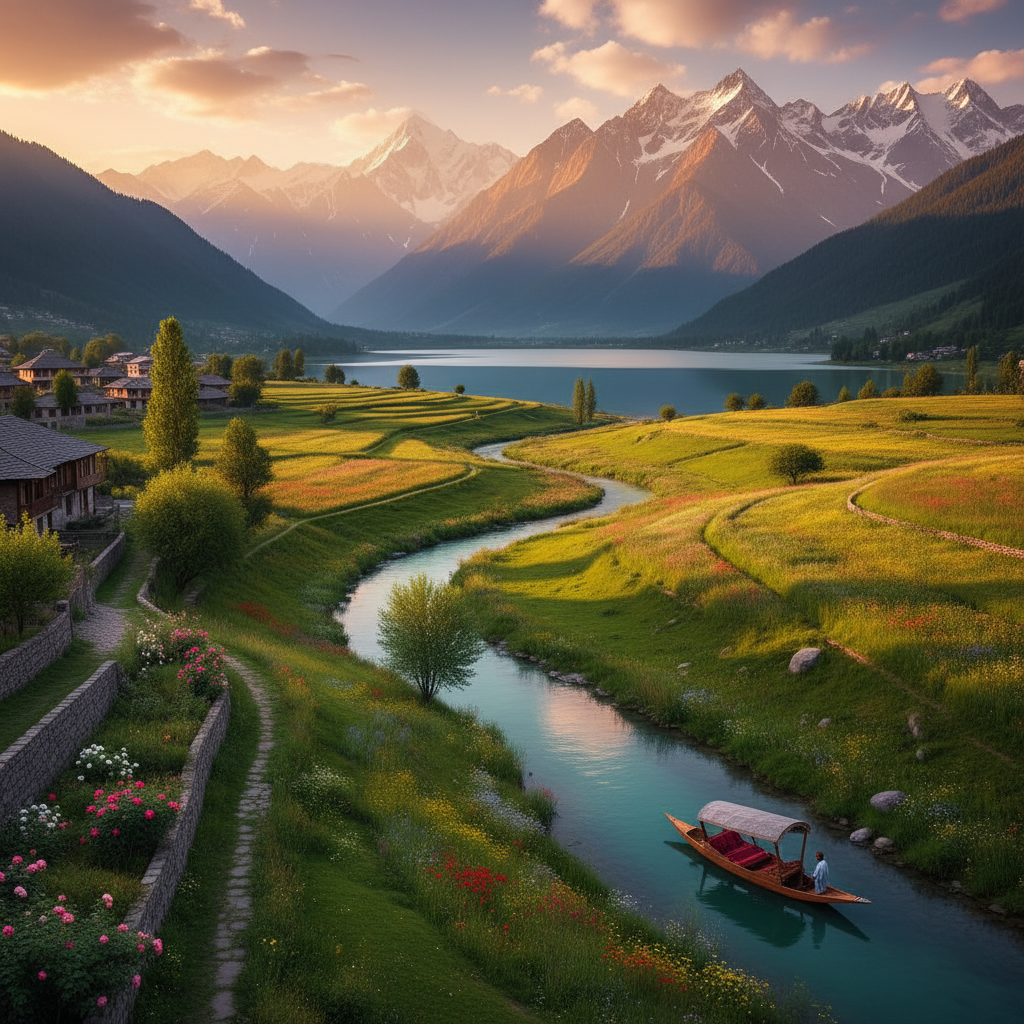
Nestled in the Kupwara district of Jammu and Kashmir, Lolab Valley is often hailed as one of Kashmir's best-kept secrets, and for good reason. Unlike the bustling tourist hubs, Lolab offers an unparalleled sense of peace and natural grandeur, far removed from the usual trodden paths. Locally known as the 'Land of Love' or 'Wadi-e-Lolab', this oval-shaped valley is about 24 kilometres long and 5 kilometres wide, resembling a lush carpet of green framed by towering deodar and pine forests. Its pristine rivers, gushing streams, and charming meadows create a breathtaking tableau that truly embodies the essence of rural Kashmir. For travellers seeking an authentic, tranquil experience away from the crowds, Lolab Valley provides a refreshing escape. It's a place where you can immerse yourself in local culture, witness traditional Kashmiri life up close, and explore untouched landscapes that feel like they've been preserved just for you. This guide delves into the specific places to visit in Lolab Valley, ensuring you uncover its deepest charms.
Best Time to Visit Lolab Valley for Optimal Experience
The Lolab Valley, with its distinct seasonal charms, truly shines during specific periods. The ideal time to explore its hidden gems is from May to October. In May and June, the valley is awash with vibrant wildflowers, and the weather is pleasantly cool, making it perfect for leisurely walks and photography. The melting snow feeds the streams, creating picturesque cascades. July to September offers lush green landscapes, perfect for short treks and experiencing local life. The temperatures are mild, typically ranging from 15°C to 25°C during the day. Autumn, particularly October, paints the valley in hues of gold and crimson as the chinar leaves change colour, offering a spectacularly beautiful backdrop for your visit. Winter, from November to April, sees heavy snowfall, transforming the valley into a white wonderland. While stunning, many roads can become inaccessible, and facilities are limited. Therefore, for comprehensive exploration and comfortable travel to all the unique places in Lolab Valley, the warmer months are highly recommended. Always check local weather advisories before planning your trip, especially if travelling towards the shoulder seasons.
Essential Places to Visit in Lolab Valley: A Mid Holidays Itinerary
A journey through Lolab Valley unveils a series of natural and historical wonders. Begin your exploration at Cheerkoot, often considered the gateway to Lolab, a picturesque village renowned for its ancient Chinar trees and serene environment. From there, venture to the mysterious Kalaroos Caves, a site steeped in local legend and archaeological interest, offering a glimpse into Kashmir's ancient past. Further into the valley, you'll find the majestic Nagmarg Meadows, vast expanses of green that invite peaceful strolls and offer panoramic views of the surrounding mountains. These meadows are particularly stunning in spring when dotted with wildflowers. Don't miss the opportunity to visit the serene village of Chandigam, known for its pristine beauty and a gateway to several smaller hamlets. Finally, a visit to the mystical site of Sharda Temple ruins, though requiring a trek and permit due to its proximity to the Line of Control, offers a profound historical and spiritual experience if conditions allow. Each of these spots contribute to the unique charm and diverse offerings of Lolab Valley, promising an unforgettable journey.
Exploring the Mystique of Kalaroos Caves and Environs
The Kalaroos Caves are undoubtedly one of the most intriguing places to visit in Lolab Valley. Located near the village of Madhmadu, these caves are shrouded in local folklore, with tales of hidden passages leading to Russia! While such claims are likely mythical, the caves themselves offer a fascinating natural marvel. There are several interconnected chambers, and exploring them requires a local guide due to their intricate nature. The walk to the caves itself is scenic, passing through dense forests and small settlements. Beyond the caves, the surrounding area of Kalaroos is notable for its natural beauty, including crystal-clear streams and lush meadows. It's an excellent spot for a picnic or simply enjoying the tranquility of nature. Visitors should wear sturdy shoes and carry a flashlight if planning to venture deep into the caves. Remember to respect the local environment and culture, ensuring this unique site remains pristine for future generations. The nearest accessible village by road is Kalaroos, from where a short trek or local transport is needed to reach the caves.
The Serene Beauty of Nagmarg and Satbaran
Nagmarg, located higher up in the Lolab Valley, presents a breathtaking spectacle of vast, undulating meadows that stretch as far as the eye can see. This pristine expanse is a haven for nature lovers and photographers alike. In spring and summer, the meadows are carpeted with a myriad of wildflowers, creating a vibrant mosaic against the backdrop of imposing Himalayan peaks. It's an ideal spot for leisurely walks, quiet contemplation, or simply soaking in the unadulterated beauty of Kashmir. From Nagmarg, adventurous travellers can embark on a trek to Satbaran, a cluster of seven ancient stone temples or structures, whose origins are debated but are certainly very old. The trek to Satbaran offers not only a glimpse into historical enigmas but also magnificent vistas of the entire valley. While the path can be a bit challenging, the reward of reaching this mystical spot and enjoying the panoramic views makes it well worth the effort. Always go with a local guide for safety and insight into these remote areas.
Local Life and Culture in Lolab Valley's Villages
Beyond its natural wonders, the places to visit in Lolab Valley also include its charming villages, which offer an authentic glimpse into traditional Kashmiri rural life. Villages like Chandigam, Khurhama, and Darpora are not just points on a map but living, breathing communities where age-old customs are preserved. Walking through these villages, you'll encounter friendly locals – farmers tending their fields, women weaving traditional crafts, and children playing in the unpolluted air. The architecture here is rustic and charming, with traditional wooden houses nestled amidst orchards of apple, walnut, and cherry trees. Engaging with the locals, perhaps over a cup of traditional Kahwa, provides a deep cultural immersion often missed in more commercialized destinations. You can learn about their farming practices, hear local folk tales, and experience their warm hospitality. Supporting local artisans by purchasing handicrafts also directly benefits the community. Remember to always seek permission before photographing people and respect their customs and traditions.
Practical Tips for Your Lolab Valley Adventure
Planning a trip to Lolab Valley requires a bit more preparation than mainstream Kashmiri destinations, but the rewards are immense. The valley is approximately 120-130 kilometres from Srinagar, and the journey by car takes around 3-4 hours, depending on road conditions. The main access is via Kupwara. Public transport options are limited, so hiring a private taxi from Srinagar or Kupwara is recommended. Accommodation options within Lolab Valley are sparse, mainly consisting of guesthouses or homestays; do not expect luxury hotels. Booking well in advance is crucial. It is highly advisable to travel with a local guide, especially if you plan to trek or visit remote areas like Kalaroos Caves or Satbaran. Guides can be arranged through Mid Holidays or hired locally in Kupwara. Carry sufficient cash as ATMs are few and far between. Mobile network coverage can be patchy, so inform your family or friends of your itinerary. Pack essentials like warm clothing (even in summer, evenings can be cool), rain gear, comfortable walking shoes, basic first-aid supplies, and any personal medications. Respect local customs and maintain the pristine beauty of this untouched valley.
Related Kashmir Guides & Services
<p>Planning the rest of your trip? These Mid Holidays guides pair well with this article:</p><ul><li><a href="/blog/lolab-valley-tour">Lolab Valley Tour: Your Ultimate Guide to Kashmir's Hidden Gem</a></li><li><a href="/blog/kashmir-tulip-garden-2026-travel-guide-local">Kashmir Tulip Garden 2026: Your Ultimate Local's Guide to Blooms & Beauty</a></li><li><a href="/blog/kashmir-in-march-spring-travel-guide">Kashmir in March: Your Ultimate Spring Travel Guide | Mid Holidays</a></li><li><a href="/blog/best-time-to-visit-bangus-valley-kashmir">Best Time to Visit Bangus Valley: Your Ultimate Guide to Kashmir's Hidden Gem</a></li><li><a href="/blog/plan-your-perfect-trip-to-kashmir">Plan Your Perfect Trip to Kashmir: The Ultimate Guide by Mid Holidays</a></li></ul>
Frequently Asked Questions
Is Lolab Valley safe for tourists?
Yes, Lolab Valley is generally considered safe for tourists. The region is known for its peaceful environment and hospitable locals. However, like any remote area, it's always advisable to travel with a local guide, especially when exploring less-frequented spots. Always keep informed about the prevailing conditions and follow local administrative guidelines for a smooth and safe trip.
Are there any accommodation options in Lolab Valley?
Accommodation in Lolab Valley is fairly basic and limited compared to major tourist centers. You'll primarily find guesthouses and homestays in larger villages like Chandigam or Cheerkoot. These offer an authentic local experience, though without luxury amenities. It's crucial to book your stay well in advance, especially during peak seasons, through a reputable tour operator like Mid Holidays.
What kind of food is available in Lolab Valley?
In Lolab Valley, you'll mostly experience traditional Kashmiri cuisine, prepared with fresh, locally sourced ingredients. Expect dishes like Rogan Josh, Yakhni, Dum Aloo, and various preparations of rice and vegetables. Food is typically served in guesthouses or smaller local eateries. Don't miss trying the local homemade breads and fresh fruit from the orchards, particularly apples and walnuts.
What is the unique appeal of Lolab Valley compared to other places in Kashmir?
Lolab Valley's unique appeal lies in its pristine, untouched natural beauty and its tranquil, offbeat atmosphere. Unlike popular spots like Gulmarg or Pahalgam, Lolab remains largely uncommercialized, offering a more authentic and serene Kashmiri experience. Its lush green landscapes, ancient Chinar trees, Kalaroos Caves, and traditional villages provide a profound sense of peace and cultural immersion away from the crowds.
Do I need any special permits to visit Lolab Valley?
Generally, no special permits are required for Indian citizens to visit most parts of Lolab Valley. However, if you plan to trek to very remote areas or those close to the Line of Control, such as the Sharda Temple site, police verification or special permission might be necessary. It's best to confirm this with your tour operator or local authorities before your visit.
What are the mobile network and internet connectivity like in Lolab Valley?
Mobile network coverage in Lolab Valley can be patchy and inconsistent, especially in more remote areas. Jio and Airtel typically offer the best connectivity, but expect dead zones. Internet access is limited, usually available only through mobile data where signal permits. It's advisable to inform your contacts about potential communication disruptions and enjoy a digital detox.
Are there opportunities for trekking or hiking in Lolab Valley?
Yes, Lolab Valley offers excellent opportunities for trekking and hiking. Trails range from easy walks through meadows to more challenging routes up to higher pastures and viewpoints like Nagmarg and Satbaran. Always ensure you have appropriate gear and consider hiring a local guide for longer or more adventurous treks to ensure safety and to discover the best routes.