Hemis Festival Ladakh Guide: Experience the Heart of Ladakhi Culture
Ladakh Festival Guide
Discover the magic of Hemis Festival in Ladakh with our comprehensive guide. Learn about dates, rituals, accommodation, and how to best experience this…
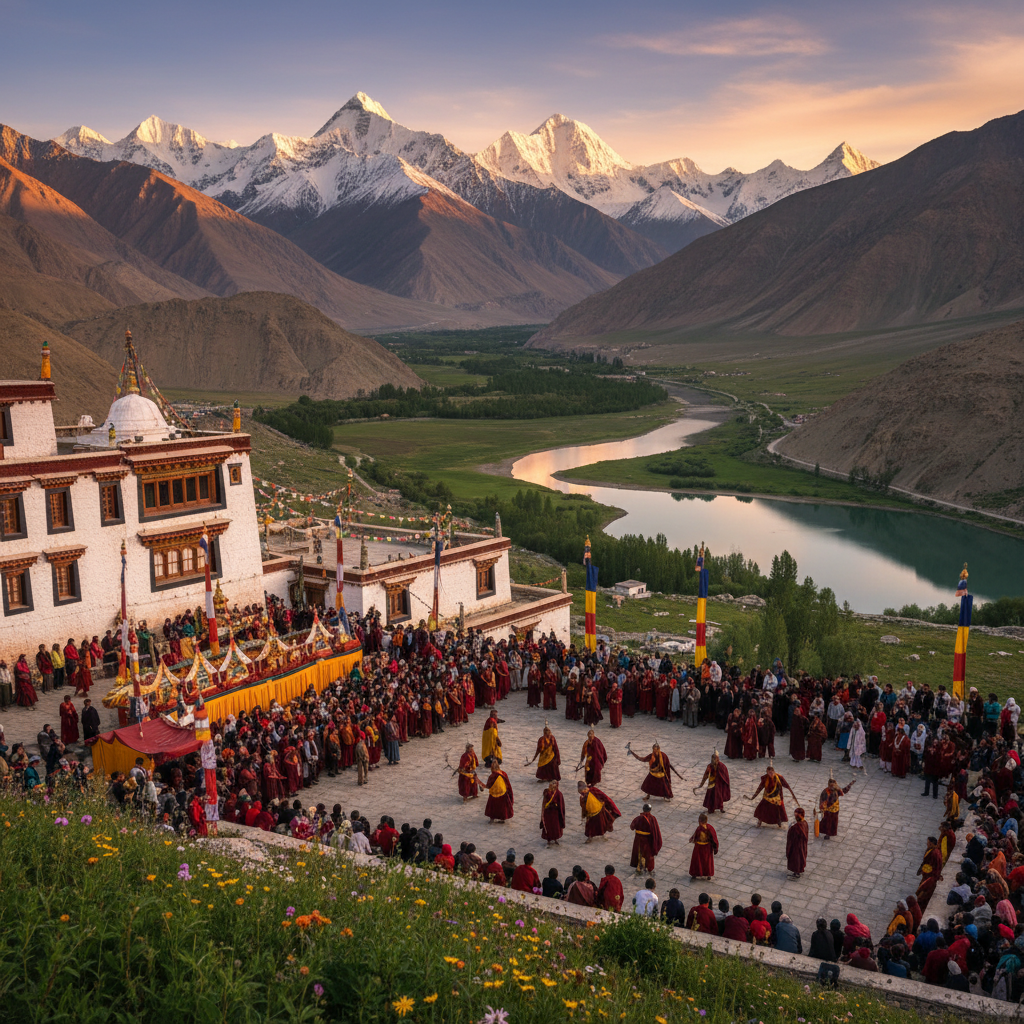
Hemis Festival Ladakh: An Overview of Ladakhi Spiritual Joy
The Hemis Festival, or Hemis Tsechu, is not just an event; it's the beating heart of Ladakhi Buddhist culture, a vibrant spectacle that transforms the tranquil Hemis Monastery into a kaleidoscope of colour, sound, and spiritual energy. Held annually in the 10th month of the Tibetan lunar calendar, this two-day festival commemorates the birth anniversary of Guru Padmasambhava (Guru Rinpoche), the revered founder of Tibetan Buddhism. For travellers, it's an unparalleled opportunity to witness ancient rituals, intricate masked dances known as 'Chham', and traditional music that have been passed down through generations. Imagine hundreds of monks, dressed in elaborate silk costumes and fearsome masks, performing sacred dances that depict the victory of good over evil, all set against the dramatic backdrop of the rugged Ladakh mountains. It's an immersive experience for anyone seeking a deep dive into the spiritual and cultural tapestry of this unique region. This festival attracts both devoted Buddhists and curious travellers from across the globe, offering a glimpse into a world where ancient traditions are still very much alive and revered.
When to Witness the Magic: Best Time and Key Dates for Hemis Festival
The Hemis Festival typically falls in June or July, aligning with the 10th day of the fifth month of the Tibetan lunar calendar. While the exact dates vary year to year, planning your trip for late June or early July is generally a good starting point. For 2024, the festival is scheduled for June 16th and 17th. Always double-check the precise dates closer to your travel period through official Ladakh tourism channels or the Hemis Monastery administration, as lunar calendar calculations can sometimes lead to slight shifts. Ladakh in June-July is generally pleasant, with clear skies and moderate temperatures, making it an ideal time for travel. However, the festival grounds will be crowded, and accommodation and transport will be in high demand. Booking well in advance is not just recommended, it's essential. The early morning rituals begin around 8 AM, with the main masked dances commencing later in the morning and continuing throughout the day until late afternoon. Arriving early on both days ensures you get a good viewing spot and soak in the atmosphere before the crowds swell.
The Heart of the Celebration: Understanding the Hemis Monastery and Its Rituals
Hemis Monastery, one of Ladakh's largest and wealthiest gompas, serves as the epicentre of the festival. Founded in the 17th century by Sengge Namgyal, the monastery is a repository of ancient thangkas, statues, and historical artifacts. During the festival, the monastery's main courtyard, known as 'Choskhang', transforms into a grand stage. The 'Chham' dances are the highlight, performed by lamas adorned in vibrant silk brocades and elaborate masks representing various deities, demons, and revered figures from Buddhist mythology. Each dance has a specific narrative, often depicting episodes from Padmasambhava's life, tantric rituals, or the symbolic destruction of evil forces. The musical accompaniment, featuring traditional instruments like cymbals, drums, and long horns ('dungchen'), creates an almost hypnotic rhythm that resonates through the valley. A colossal thangka of Guru Padmasambhava, intricately embroidered and embellished, is unfurled on the second day, a sight rarely seen and deeply revered by devotees. Understanding these rituals enriches the viewing experience, transforming a mere spectacle into a profound cultural immersion.
Planning Your Trip: Logistics, Accommodation, and How to Get There
Reaching Hemis Monastery, located about 45 km southeast of Leh, requires careful planning, especially during festival time. Leh Kushok Bakula Rimpochee Airport (IXL) is the nearest airport, well-connected to major Indian cities. From Leh, you can hire a private taxi, which costs approximately INR 2000-3000 for a round trip to Hemis. Shared taxis are also available but can be less convenient given the festival crowds. Consider booking a taxi for the entire day. Accommodation in Leh should be booked months in advance, as hotels and guesthouses fill up quickly. Budget-friendly options might include homestays in nearby villages, but these often require personal transport. During the festival, Hemis Monastery itself may offer basic accommodation or camping facilities, but these are often very rustic and limited. For a more comfortable stay, focus on hotels in Leh and commute daily. Early morning departures from Leh are recommended to avoid traffic and secure parking near the monastery. The road to Hemis is generally well-maintained, but expect some congestion closer to the festival grounds.
Embracing Local Flavours: Where to Eat and What to Try
While the Hemis Festival primarily focuses on spiritual and cultural experiences, enjoying local Ladakhi cuisine is an integral part of your trip. Around the Hemis Monastery during the festival, you'll find numerous temporary stalls and small eateries set up by local villagers. These are excellent places to try authentic Ladakhi staples. Don't miss out on Thukpa (noodle soup), Momos (dumplings, both veg and non-veg), Skyu (a hearty pasta-like dish), and Tingmo (steamed bread). Butter tea, known as Gur Gur Chai, is a staple, offering warmth and energy in the high altitude. Chang, the local barley beer, is also commonly served during festivities, though consume responsibly. In Leh town, you'll find a wider range of restaurants offering Ladakhi, Tibetan, Indian, and even some international cuisines. Popular spots include The Tibetan Kitchen, La Pizzeria, and Leh Cafe. Eating at the festival stalls provides a more immersive experience and directly supports the local community, but always choose places that appear clean and have a good turnover of food. Staying hydrated is crucial, so carry a reusable water bottle and refill it regularly.
Essential Packing List for Hemis Festival Attendees
Packing smart for the Hemis Festival is key to a comfortable experience. Even in summer, Ladakh's weather can be unpredictable, with chilly mornings and evenings, and strong sun during the day. Layered clothing is essential: light t-shirts for daytime, a warm fleece or down jacket, and a windproof and waterproof outer shell. Comfortable walking shoes are a must, as you'll be on your feet for extended periods. Given the high altitude, a wide-brimmed hat, sunglasses, and high-SPF sunscreen are crucial to protect against intense UV radiation. A small backpack for carrying water, snacks, a camera, and extra layers is very useful. Don't forget a basic first-aid kit with pain relievers, altitude sickness medication (if prescribed by your doctor), band-aids, and any personal medications. A power bank for your electronics is also advisable, as charging points might be scarce or busy. Consider bringing a small portable stool or mat for sitting during the performances, as seating is limited. Binoculars can enhance your viewing of the intricate details of the masks and dances from a distance.
Navigating the Crowds and Embracing Local Etiquette
The Hemis Festival attracts thousands, so expect large crowds, especially in the main courtyard. Patience and respect are paramount. Arrive early to secure a good viewing spot, or be prepared to stand for long durations. Always ask for permission before taking photographs of monks or locals, especially close-up shots. Some rituals are sacred, and photography might be restricted in certain areas or during specific moments; always observe signs or follow local guidance. Dress modestly, covering shoulders and knees, as you will be visiting a religious site. Remove your shoes before entering any prayer halls. While bargaining might be common in markets, maintain respectful decorum during the festival itself. Be mindful of your waste; carry a small bag for your trash and dispose of it properly. Engaging with locals respectfully and showing genuine interest in their traditions will enhance your experience significantly. Remember, this is a deeply spiritual event for the Ladakhi people, and witnessing it is a privilege that comes with the responsibility of cultural sensitivity.
Related Kashmir Guides & Services
<p>Planning the rest of your trip? These Mid Holidays guides pair well with this article:</p><ul><li><a href="/blog/leh-local-sightseeing-1-day-itinerary">Leh Local Sightseeing: Your Perfect 1-Day Itinerary Guide</a></li><li><a href="/blog/zanskar-valley-travel-guide">Zanskar Valley Travel Guide: A Journey to Ladakh's Remote Heart</a></li><li><a href="/blog/pampore-saffron-fields-visit-guide">Pampore Saffron Fields Visit Guide: Kashmir's Golden Bloom</a></li><li><a href="/blog/leh-to-hemis-taxi">Leh to Hemis Taxi: Your Ultimate Guide to a Monastic Journey</a></li><li><a href="/blog/leh-ladakh-best-time-to-visit-month-wise">Leh Ladakh Best Time to Visit Month-Wise: Your Ultimate Guide</a></li></ul>
Frequently Asked Questions
What is the Hemis Festival primarily celebrating?
The Hemis Festival, or Hemis Tsechu, primarily celebrates the birth anniversary of Guru Padmasambhava, also known as Guru Rinpoche. He is revered as the founder of Tibetan Buddhism and is believed to have brought tantric Buddhism to Tibet. The festival honours his life and teachings through elaborate rituals and masked dances performed by monks.
Are the masked dances ('Chham') at Hemis Festival purely for entertainment?
No, the 'Chham' masked dances are deeply spiritual and hold significant religious meaning. They are not merely for entertainment but are a form of sacred ritual, storytelling, and meditation. The dances depict various deities, demons, and episodes from Buddhist mythology, symbolizing the triumph of good over evil and imparting moral and spiritual lessons to the devotees.
Can I attend the Hemis Festival as a solo female traveler?
Yes, attending the Hemis Festival as a solo female traveler is generally safe and a rewarding experience. Ladakh is known for its friendly locals and safe environment. However, like any travel, it's wise to take standard precautions: inform someone of your itinerary, be aware of your surroundings, and book accommodations in reputable places. During the festival, the crowds are dense, so maintain awareness of your belongings.
Is it possible to stay at Hemis Monastery during the festival?
While Hemis Monastery sometimes offers very basic lodging or camping options, these are typically reserved for pilgrims and are extremely limited and rudimentary. For a comfortable stay, it is highly recommended to book accommodation in Leh town and commute to Hemis daily. Leh offers a wider range of hotels and guesthouses, albeit at higher prices during the festival period.
What kind of local food should I expect at the Hemis Festival?
Around the Hemis Monastery during the festival, you can expect temporary stalls selling traditional Ladakhi fare. This often includes hot Thukpa (noodle soup), Momos (dumplings), Skyu (local pasta stew), and Tingmo (steamed bread). Butter tea is a ubiquitous beverage, and sometimes local barley beer (Chang) is also available. These are simple, hearty, and comforting dishes perfect for the mountain climate.
What are the common challenges for tourists attending Hemis Festival?
The main challenges for tourists attending the Hemis Festival include high altitude sickness if not properly acclimatized, large crowds at the monastery, limited and expensive accommodation options, and potential traffic congestion on the roads leading to Hemis. Booking flights, accommodation, and transport well in advance is crucial to mitigate these issues.