Losar Festival Ladakh Guide: Celebrate New Year in the Himalayas
Ladakh Cultural Festivals
Discover the vibrant Losar Festival in Ladakh with our ultimate guide. Learn about dates, rituals, celebrations, and how to experience the Ladakhi New Year.
Welcome to Losar: A Vibrant New Year in Ladakh
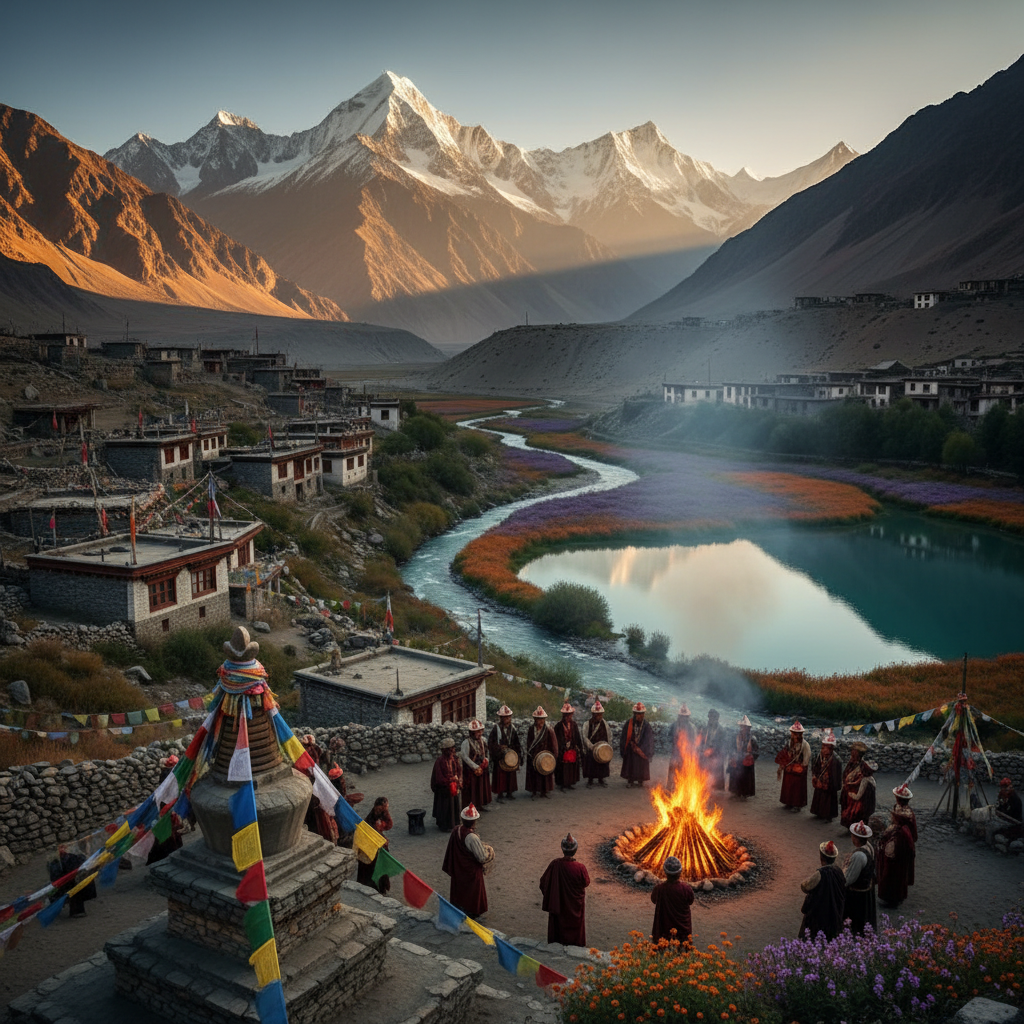
The Losar Festival is not just a celebration; it's the very soul of Ladakh coming alive to welcome the new year. Observed by the Buddhist communities in Ladakh, this festival is a spectacular display of cultural richness, spiritual devotion, and joyous festivities. Unlike many global new year celebrations that follow the Gregorian calendar, Losar in Ladakh adheres to the lunisolar Tibetan calendar, meaning its dates shift annually, usually falling in late December or January. This makes planning your visit around Losar a unique adventure in itself. For travellers, experiencing Losar is an unparalleled opportunity to witness ancient traditions, colorful rituals, and the warmth of Ladakhi hospitality firsthand, set against the dramatic backdrop of snow-capped Himalayan peaks. It's a time when families gather, prayers are offered, and the entire region is imbued with a sense of renewal and hope. Expect to see monks performing sacred dances, villagers in their finest traditional attire, and the air filled with the aroma of local delicacies. This guide is designed to help you navigate and fully immerse yourself in the magic of the Losar Festival, ensuring you understand its significance and can plan a respectful and enriching trip. We'll cover everything from the historical context to practical tips, ensuring your Losar experience is truly unforgettable.
Understanding Losar: History and Significance
Losar, meaning 'New Year' in Tibetan, holds deep historical and cultural roots in Ladakh, reflecting centuries of Buddhist traditions and local folklore. Its origins can be traced back to a pre-Buddhist era, when a winter incense-burning festival was celebrated in Tibet. Over time, it merged with Buddhist teachings and became the elaborate, multi-day celebration we see today. In Ladakh, the festival's timing is particularly significant as it often falls during the harsh winter months, symbolizing resilience, community spirit, and the triumph of light over darkness. The 15-day festival begins with the first three days being the most important. During this period, ancient rituals are performed to cleanse the old year's negativity and welcome prosperity and good fortune for the new one. Families visit monasteries, offer prayers, and exchange traditional greetings like 'Tashi Delek' (meaning auspicious goodness or good luck). The festival is not just about celebration; it's a profound spiritual event where people reflect on the past, set intentions for the future, and reinforce their connection to their cultural heritage. Understanding this underlying significance enriches the experience, allowing visitors to appreciate the depth and meaning behind each colourful dance, every chanted prayer, and the genuine warmth extended by the Ladakhi people during this special time.
When to Experience Losar: Dates and Best Season
The exact dates for the Losar Festival vary each year as it follows the Tibetan lunisolar calendar. Generally, it falls in late December or January, making it a true winter festival in Ladakh. For instance, while it was in late February for some communities in 2024, the primary Ladakhi Losar is often aligned with the Tibetan calendar's traditional timing. To truly experience Losar, it's crucial to confirm the specific dates for the year you plan to visit well in advance, as these can differ slightly from one region of the Himalayas to another. This is a crucial step in planning your trip, as flights and accommodation can get booked up quickly around this peak cultural event. Winter in Ladakh (December to February) is characterized by extremely cold temperatures, often dropping well below freezing, and heavy snowfall. While challenging, this season offers a unique, serene beauty with snow-covered landscapes and frozen rivers. Visiting during Losar means embracing the cold, but in return, you witness Ladakh at its most authentic and vibrant. The clear winter skies offer spectacular views, and the absence of the usual summer crowds allows for a more intimate interaction with the local culture. It's a photographer's paradise, with dramatic light and traditional costumes providing endless inspiration. Be prepared for road closures due to snow, particularly for routes like Khardung La and Chang La, so internal travel within Ladakh might be restricted to certain areas. However, this also means you'll be focused on the heart of the festival in and around Leh and its accessible monasteries, which is precisely where the magic happens.
Losar Celebrations: Rituals and Festivities
Losar in Ladakh is a multi-faceted celebration, rich with rituals that span several days, each holding unique significance. The preparations begin weeks in advance, with families thoroughly cleaning their homes to purify and clear out any old year's negativity. On the eve of Losar, known as 'Nyi Shu Gu', a special noodle soup called 'Guthuk' is prepared, containing dough balls with hidden items that are said to reveal one's fortune for the coming year. This is a fun family tradition that brings much laughter. The first day of Losar is marked by early morning prayers and offerings made to deities. Families dress in their finest traditional clothes, often adorned with colourful silk sashes and intricate jewellery, and visit monasteries to offer butter lamps and incense. The main highlight is often the 'Lama Dances' or 'Chams', performed by monks in elaborate masks and costumes at prominent monasteries like Hemis, Thiksey, and Spituk. These sacred masked dances depict stories from Buddhist mythology, symbolizing the triumph of good over evil and warding off malevolent spirits. Archery contests are also common, showcasing traditional skills and adding a competitive, festive spirit. Throughout the festival, homes are decorated with auspicious symbols, and special dishes like 'Khapse' (fried pastries) and 'Chang' (local barley beer) are prepared and shared. These traditions collectively transform Ladakh into a living museum of its ancient heritage, offering visitors a profound insight into its spiritual and cultural heart.
Planning Your Losar Trip: What to Book and When
Planning a trip to Ladakh during Losar requires careful attention, especially given the winter conditions and the festival's popularity among cultural enthusiasts. The first and most critical step is booking your flights to Leh (Kushok Bakula Rimpochee Airport). As Losar falls in winter, road access via Manali-Leh Highway and Srinagar-Leh Highway is usually closed due to heavy snow. Air travel is the only reliable option. Book your flights at least 3-4 months in advance, as winter flights are limited and prices can surge closer to the dates. Accommodation in Leh also needs to be secured well in time. While many guesthouses close for winter, a good number of hotels and guesthouses remain open, offering heated rooms and traditional Ladakhi hospitality. Expect prices to be slightly higher during the festival period. Booking 2-3 months prior is advisable. If you plan to visit specific monasteries for the Cham dances, it's a good idea to confirm their schedules, as these can sometimes be subject to last-minute changes. Consider booking through a local tour operator like Mid Holidays, who can manage logistics, including airport transfers, hotel bookings, and guided tours, allowing you to focus on the festival experience without stress. They can also provide up-to-date information on weather conditions and local travel advisories, which are crucial for a smooth winter trip to Ladakh. Remember, flexibility is key when travelling in winter Ladakh.
Staying Warm and Comfortable: Packing Essentials for Losar
Winter in Ladakh during Losar means extreme cold, so packing correctly is paramount for your comfort and safety. Layering is your best friend. Start with thermal innerwear – good quality merino wool or synthetic thermals for both top and bottom. Over this, wear warm shirts or sweaters, followed by a fleece jacket. The outermost layer should be a heavy-duty, waterproof and windproof down jacket that can withstand sub-zero temperatures, ideally rated for -20°C or colder. For your legs, waterproof and insulated trekking trousers are ideal, possibly with fleece-lined leggings underneath. Protecting your extremities is crucial: a warm woollen cap that covers your ears, a balaclava or neck warmer, waterproof and insulated gloves or mittens (ski gloves work well), and thick woollen socks are essential. Bring at least 3-4 pairs of socks and change them daily. Footwear should be waterproof, insulated, and high-ankle boots with good grip to navigate snowy or icy terrain. Don't forget sunglasses to protect your eyes from the bright winter sun reflecting off the snow, high SPF sunscreen and lip balm to prevent sunburn and chapping, and a good moisturizer to combat the dry air. A small backpack for day excursions, a headlamp or flashlight (power cuts can occur), and a basic first-aid kit with any personal medications are also highly recommended. Remember, it's always better to overpack warm clothes than to be cold in Ladakh's harsh winter.
Local Etiquette and Respectful Travel During Losar
Participating in the Losar Festival offers a rare glimpse into Ladakhi culture, and it’s important to engage respectfully. When visiting monasteries, always dress modestly, covering your shoulders and knees. Remove your shoes before entering prayer halls and avoid pointing your feet towards altars or monks. Photography is generally allowed, but always ask for permission before taking close-up shots of people, especially monks during rituals. In some areas or during specific ceremonies, photography might be restricted, so always look for signs or ask a local guide. When interacting with locals, a polite 'Julley' (a versatile Ladakhi greeting meaning hello, thank you, goodbye) goes a long way. Accept invitations for tea or food with gratitude, as hospitality is a cornerstone of Ladakhi culture. Try to learn a few basic Ladakhi phrases; it will be greatly appreciated. Avoid public displays of affection, and if you are offered food or drink, accept it with both hands. When witnessing traditional dances or rituals, maintain a respectful distance and avoid causing disruptions. Remember that this is a sacred festival for the locals, not just a tourist attraction. By observing these simple etiquettes, you not only ensure a more enriching experience for yourself but also contribute positively to the preservation of Ladakhi traditions and foster goodwill with the local community.
Related Kashmir Guides & Services
<p>Planning the rest of your trip? These Mid Holidays guides pair well with this article:</p><ul><li><a href="/blog/kashmir-snowfall-time-guide-best-season">Kashmir Snowfall Time Guide: Best Season & Planning Your Trip</a></li><li><a href="/blog/leh-local-sightseeing-1-day-itinerary">Leh Local Sightseeing: Your Perfect 1-Day Itinerary Guide</a></li><li><a href="/blog/pampore-saffron-fields-visit-guide">Pampore Saffron Fields Visit Guide: Kashmir's Golden Bloom</a></li><li><a href="/blog/leh-ladakh-best-time-to-visit-month-wise">Leh Ladakh Best Time to Visit Month-Wise: Your Ultimate Guide</a></li><li><a href="/blog/ladakh-cab-booking-guide">Ladakh Cab Booking: Your Ultimate Guide for High-Altitude Travel</a></li></ul>
Frequently Asked Questions
What is the Losar Festival and why is it celebrated in Ladakh?
The Losar Festival is the traditional Ladakhi and Tibetan New Year celebration, typically observed for 15 days, with the first three being most significant. It marks the start of a new lunisolar calendar cycle and is celebrated to cleanse away the negativities of the past year and welcome good fortune, prosperity, and spiritual renewal. It's deeply rooted in Buddhist traditions and ancient pre-Buddhist rituals, showcasing the rich cultural heritage of Ladakh.
When does the Losar Festival usually take place?
The Losar Festival dates vary each year as it follows the Tibetan lunisolar calendar. It generally falls in late December or January. It's crucial to check the specific dates for the year of your travel well in advance, as these can sometimes differ slightly between regions and are not fixed to the Gregorian calendar.
What are some key rituals or activities one can expect to see during Losar?
During Losar, you can expect to witness several vibrant rituals. Families clean their homes, prepare special dishes like Guthuk (noodle soup with hidden items), and offer prayers at monasteries. Highlights include colourful masked dances (Chams) performed by monks, traditional archery competitions, and general festivities where locals wear their finest attire, exchange greetings like 'Tashi Delek', and share traditional foods and Chang (barley beer).
What kind of weather should I expect if I visit Ladakh during Losar?
Losar in Ladakh falls during the peak winter months (December/January), so expect extremely cold weather. Temperatures can drop significantly below freezing, often to -15°C or even colder. There will likely be heavy snowfall, leading to snow-covered landscapes. Warm, layered clothing, including heavy-duty thermal wear, insulated jackets, gloves, caps, and waterproof boots, is absolutely essential.
How should I travel to Ladakh during the Losar Festival?
During the Losar Festival, which is in winter, the overland routes to Ladakh (Manali-Leh Highway and Srinagar-Leh Highway) are typically closed due to heavy snowfall. Therefore, the only reliable way to reach Ladakh is by air, flying into Leh's Kushok Bakula Rimpochee Airport. It is highly recommended to book your flights several months in advance as they are limited and in high demand during this period.
Are there any specific cultural etiquettes to observe during Losar in Ladakh?
Yes, respecting local customs is vital. When visiting monasteries, dress modestly, remove your shoes, and avoid pointing feet at altars. Always ask permission before photographing locals. Greet people with 'Julley' and accept hospitality with gratitude. Maintain a respectful distance during ceremonies, as it is a sacred time for the Ladakhi people, not just a spectacle.
Will all monasteries be open for visitors during Losar, and can I see Cham dances everywhere?
While many prominent monasteries like Hemis, Thiksey, and Spituk will host special prayers and potentially Cham dances during Losar, it's not guaranteed that all monasteries will have public performances or be fully accessible. Cham dances are typically scheduled for specific days and locations. It's best to confirm the schedules closer to the festival dates or consult with a local tour operator for the most accurate information on where and when to witness these sacred dances.